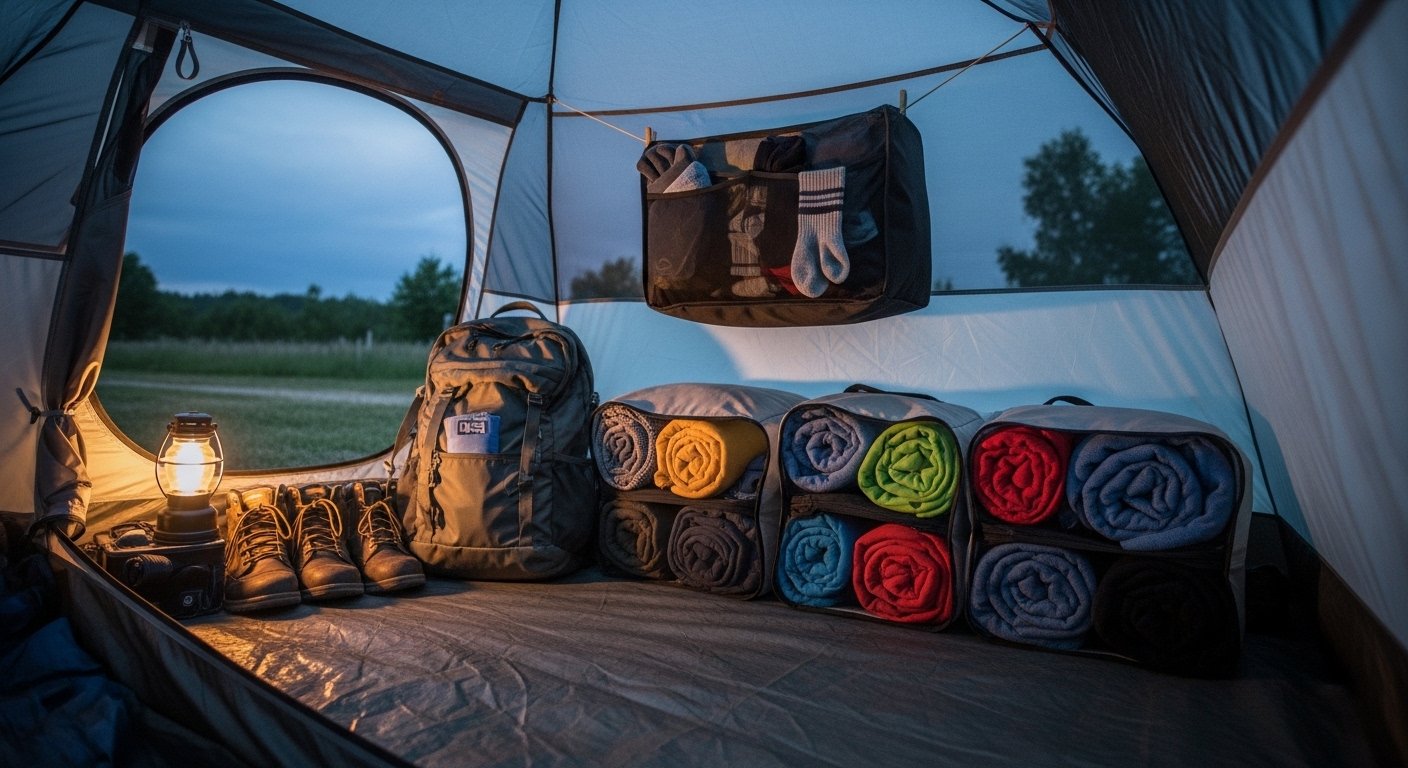
I remember unpacking my backpack into a tiny tent after a rainy hike. Clothes spilled everywhere—socks tangled with shirts, nothing dry. It turned a restful night into frustration. I couldn't find my base layer when I needed it most.
That mess made mornings chaotic. I'd dig through damp piles, wasting time and energy.
I've since found a simple way to keep outfits contained. No more rummaging. Just calm access in tight spaces.
How To Organize Camping Outfits In Small Spaces
This method lets you pack outfits for a week into a backpack or car trunk spot. You'll end up with everything visible and grab-ready. Trips feel smoother, mornings easier.
What You’ll Need
- Sea to Summit Lightweight Dry Sack, 13L, Orange
- REI Co-op Expandable Packing Cube Set, Small and Medium, Gray
- Nalgene 32oz Wide Mouth Water Bottle, Clear
- Therm-a-Rest Trail Pro Pillow, Regular, Blue
- Black Diamond Spot 400 Headlamp, Black
- Patagonia Capilene Cool Daily Shirt, Men's Medium, Smolder Blue
- Darn Tough Hiker Micro Crew Socks, Wool, Medium, Charcoal
- Sea to Summit Compression Dry Bag, 8L, Lime
Step 1: Sort Outfits by Day and Use
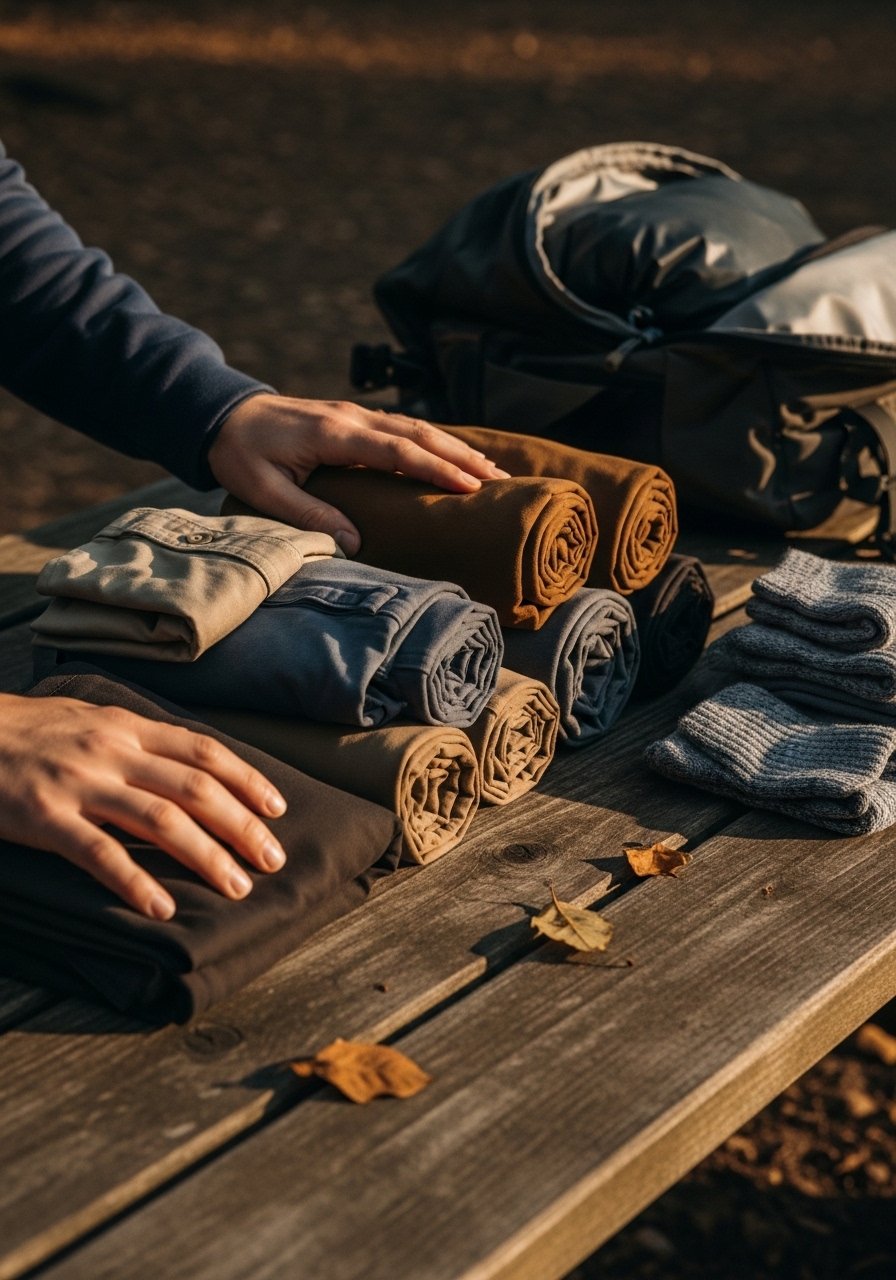
I start by laying everything out on a flat surface, like a tent floor or car hood. Group into full outfits: one pile for hike days with base layer, socks, shirt. Another for camp evenings with fleece and hat. Dirty clothes go in their own dry sack right away.
This changes the pile from chaos to clear zones. You see exactly what's needed each morning.
People miss how one "multi-use" shirt saves space but feels grimy by day three—stick to two per type. Avoid mixing clean and worn; it spreads dampness fast.
I do this before leaving home now. Takes 10 minutes, saves hours later.
Step 2: Roll and Label Each Outfit Bundle
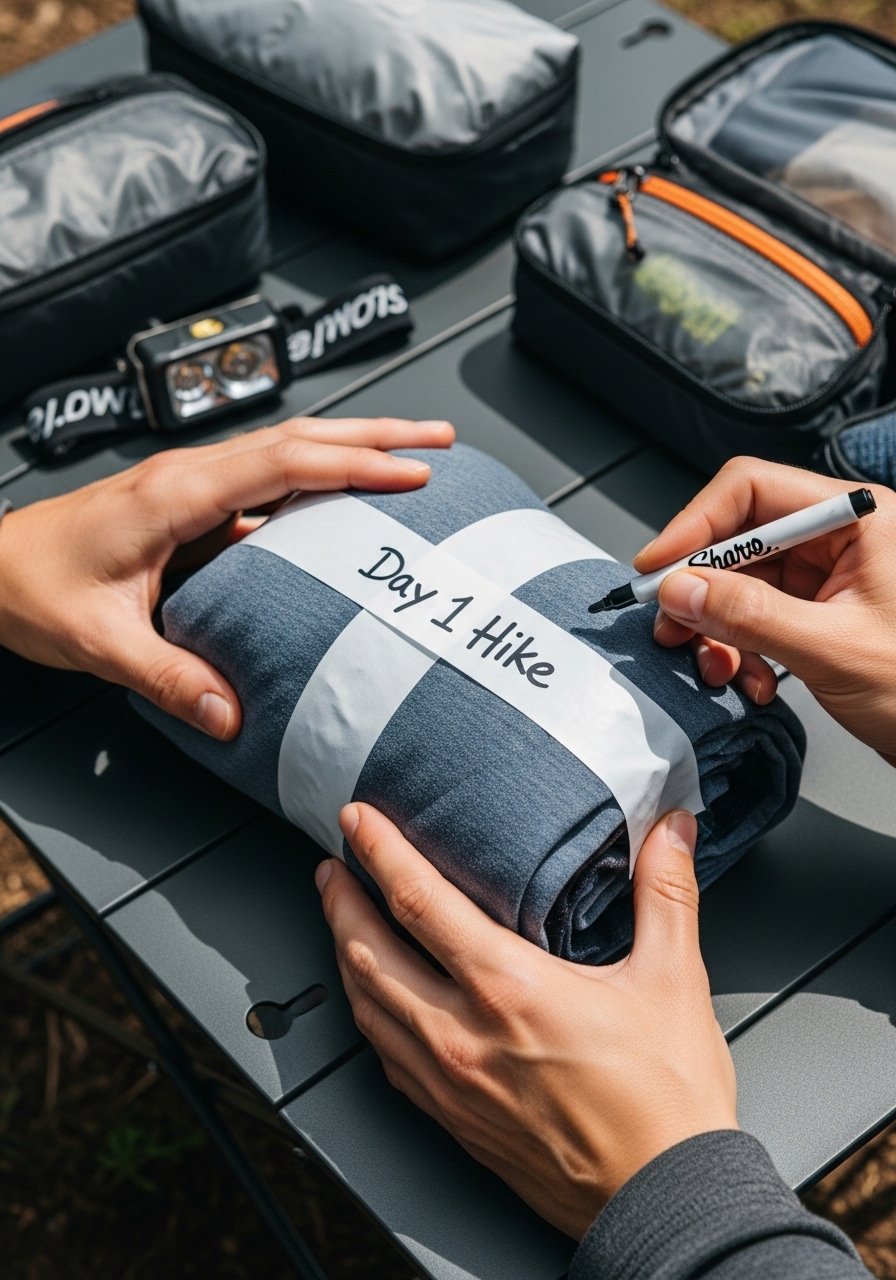
Next, I roll each outfit tightly: pants around shirt, socks inside. Wrap with a rubber band or tape, label with day or use. Slip into a mesh packing cube.
Suddenly, your bag has no loose items tumbling out. Bundles stack like books.
The insight? Rolls compress 30% more than folds, but over-roll and wrinkles set in—keep loose enough to breathe.
Don't skip labels; "warm layer" means nothing when tired at midnight. This keeps choices intuitive.
Step 3: Assign Fixed Spots in Your Space
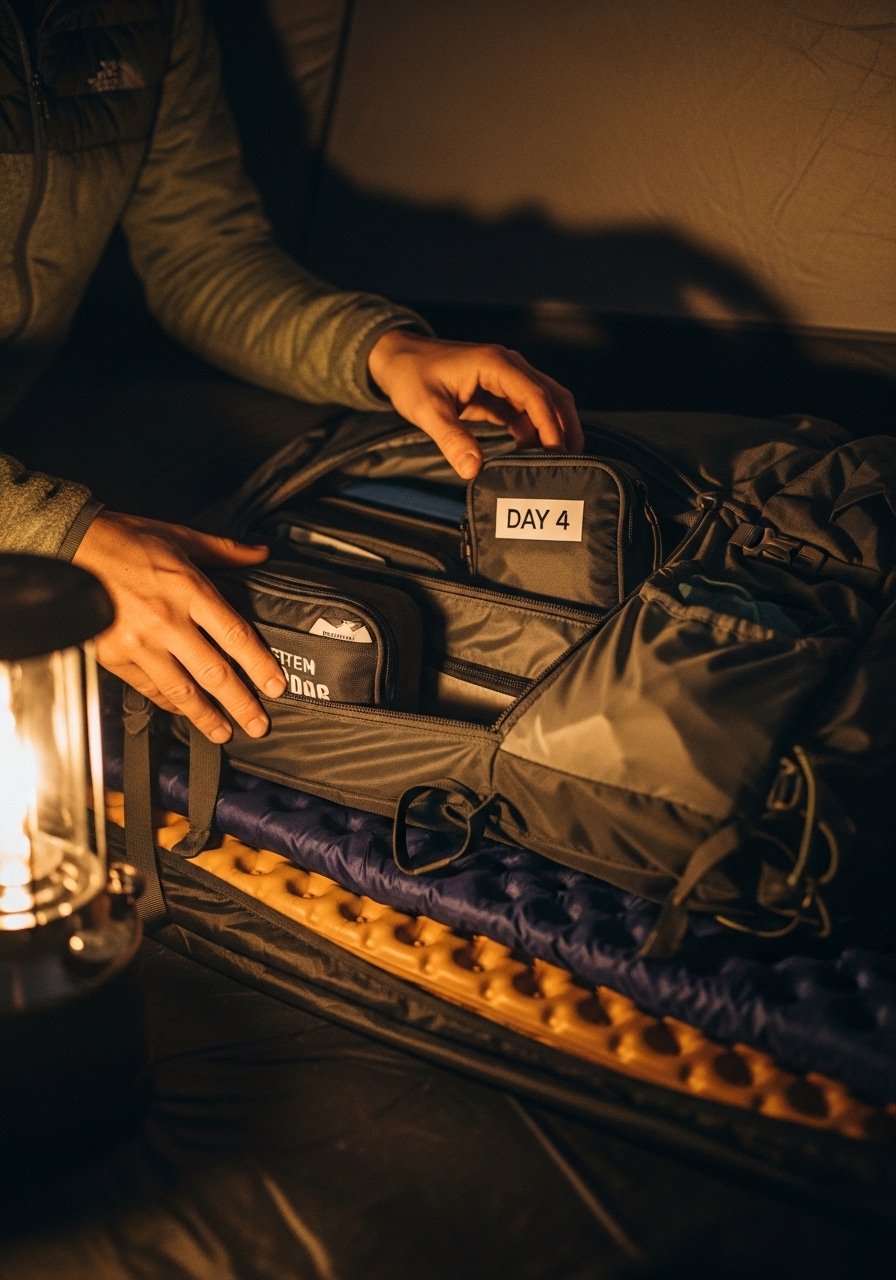
I claim spots right away: cubes in backpack main pocket by order of use, one dry sack hung on tent loop for daily change-outs. Headlamp clips to strap for night access.
Your space feels divided into zones now—outfits don't migrate. Grabs take seconds.
Missed by most: gravity pulls heavy items down, so put used outfits lowest. Avoid stuffing extras; it blocks quick reaches.
This setup lasts the whole trip if you return items to spot each night.
Step 4: Build a Nightly Reset Routine
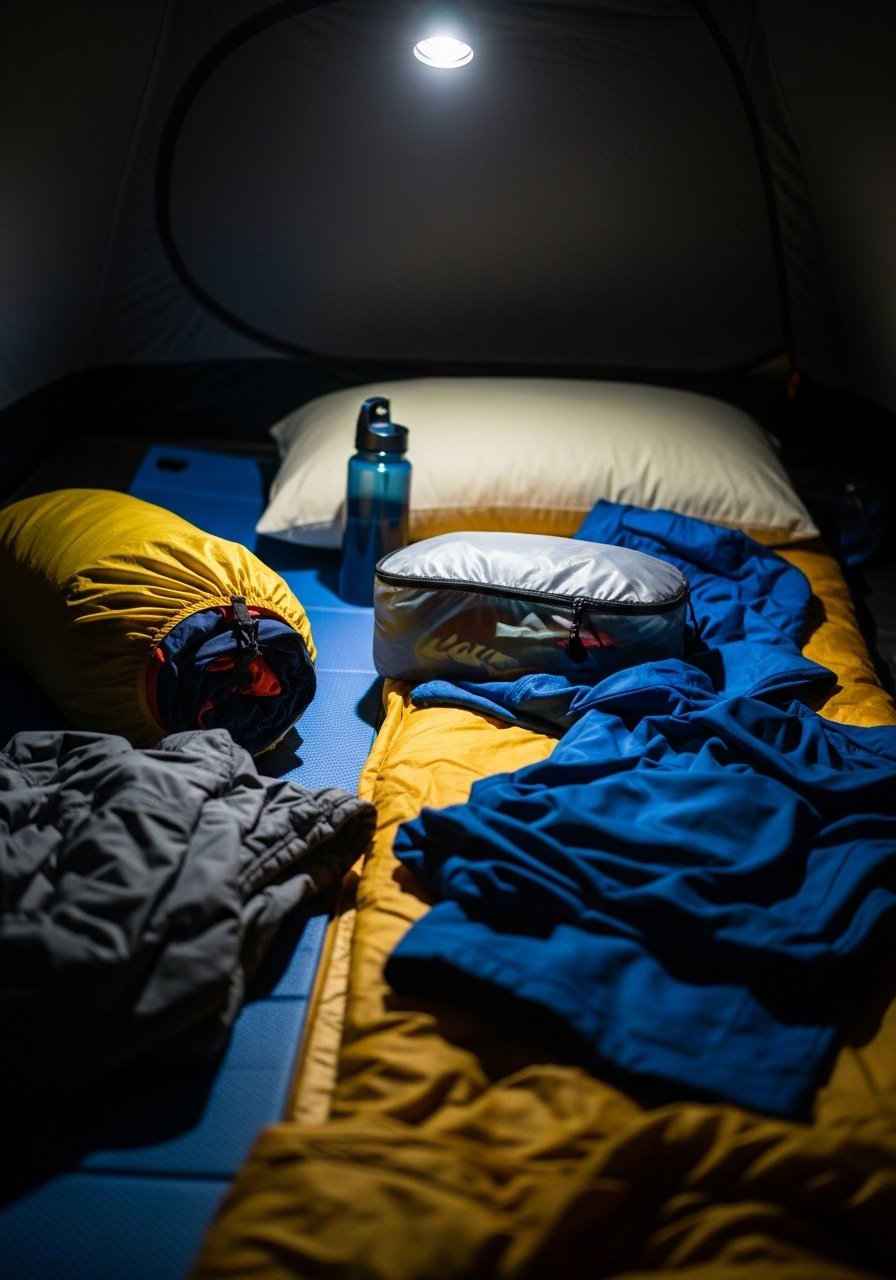
Every night, I roll worn clothes into the compression dry sack. Shake out fresh outfit bundle, place it front-and-center. Wipe cube labels clean if needed.
Mornings start calm—no searching. Bags stay under control even after mud.
People forget resets compound; skip one, and day three is a mess. Avoid wet socks in dry cubes—they mildew everything.
It takes two minutes. Makes longer trips feel balanced.
Step 5: Adapt for Weather Shifts
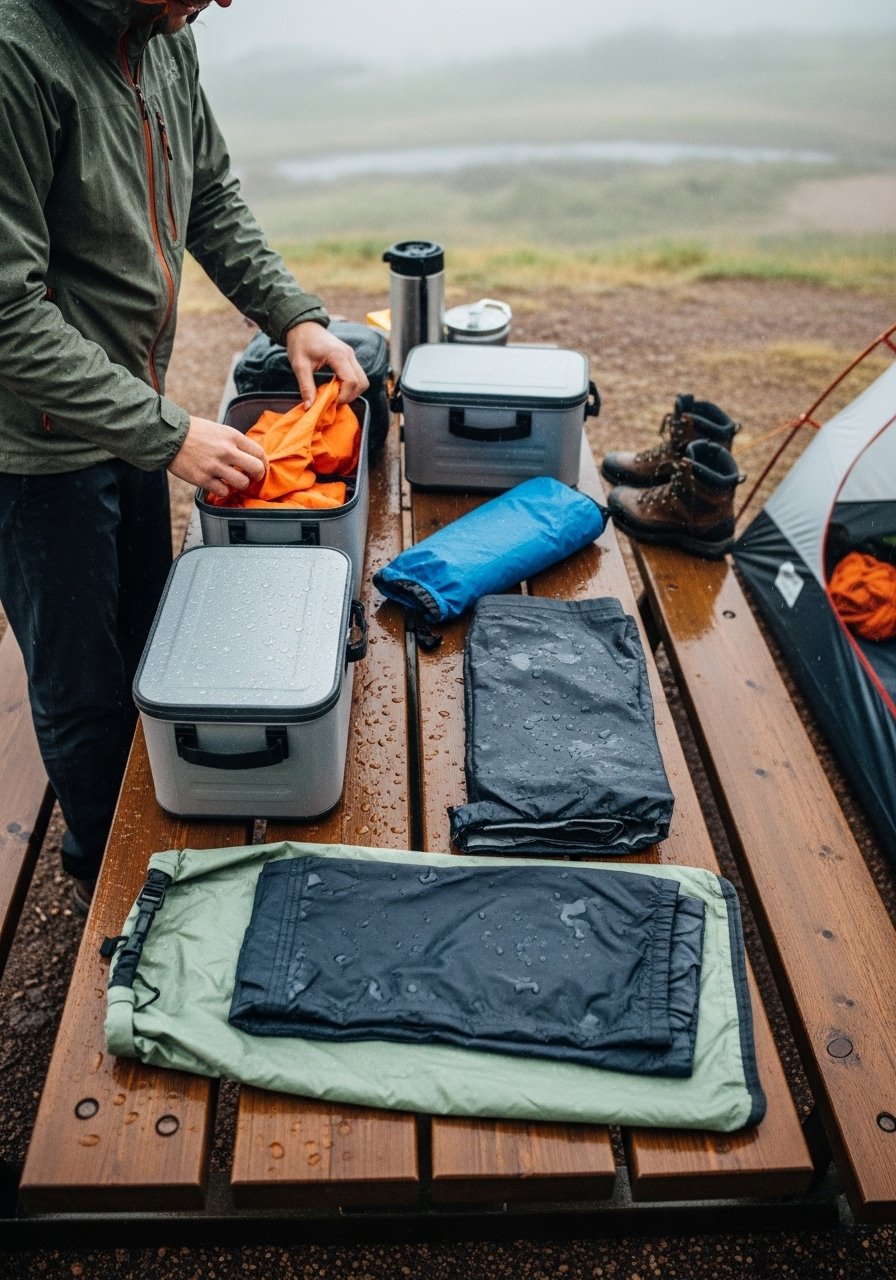
If rain hits, I swap in rain layer from the extra cube. Seal wets in dry sack, hung outside if possible.
Outfits stay dry and ready, no soggy surprises. Space remains tidy.
Insight: extra cubes for weather hold one full swap set—most pack singles and suffer. Don't unpack everything to rearrange; just swap wholes.
This keeps flow no matter the forecast.
Choosing Versatile Base Layers
I pick layers that layer well. One base shirt for three days if aired out. Wool socks dry fast.
- Capilene or merino: breathable, no stink buildup.
- Avoid cotton—it holds moisture.
This cuts bulk. More room for snacks.
Handling Laundry Mid-Trip
Biodegradable soap in my Nalgene handles spot cleans. Hang from tree with cord.
Rinse socks nightly. Dry by morning fire.
No laundromats needed. Fresh feel without weight.
Weatherproofing Your Setup
Dry sacks for everything damp-prone. Tension rod inside tent for hanging.
Test seals pre-trip. Air out daily.
Stays dry, organized. Comfort holds.
Final Thoughts
Start with two days' outfits to test. It'll click fast.
You'll move through camp with less worry. Clothes where you expect them.
This way, camping leans comfortable. Worth the upfront sort.
Leave a Reply