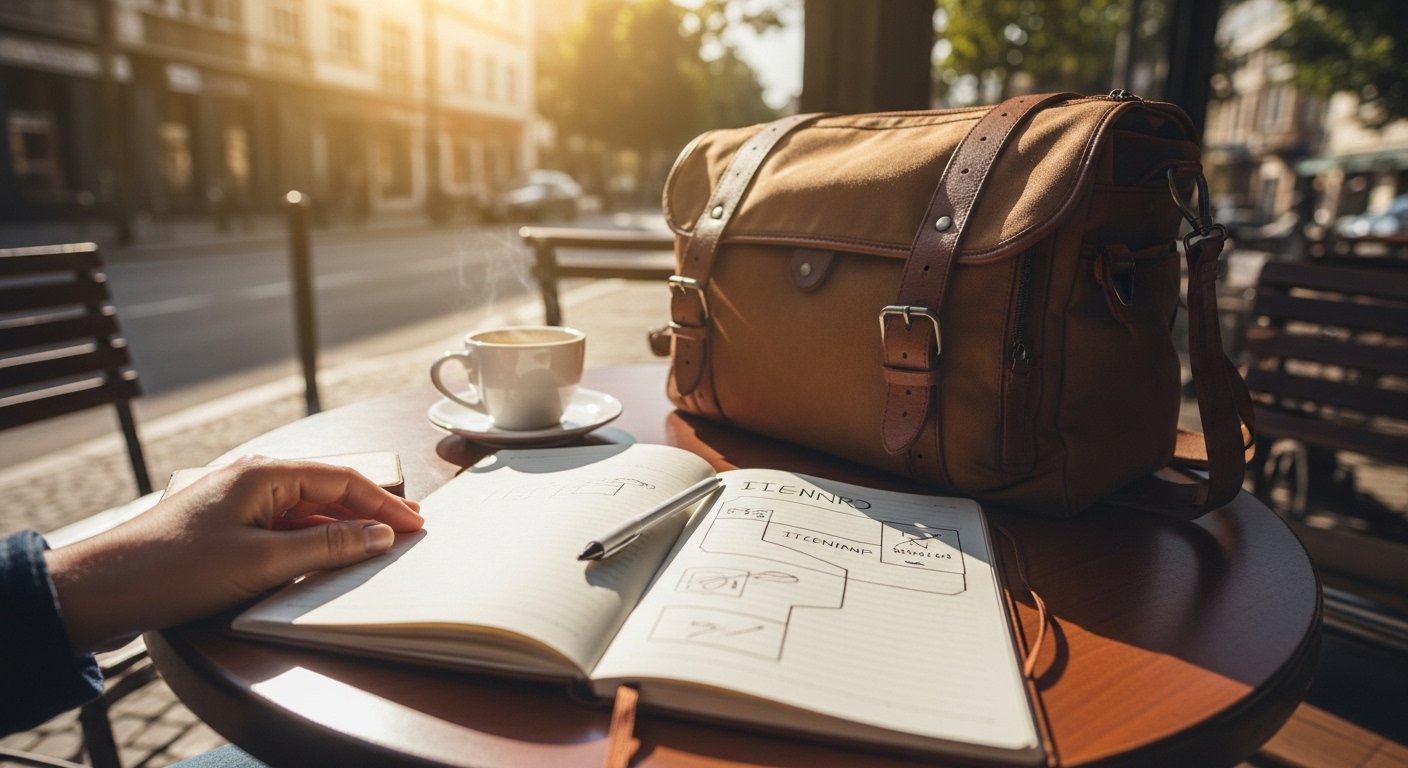
I stared at my screen last year, tabs open to a dozen cities. Solo travel sounded freeing, but where to start? Budgets blurred. Dates didn't fit. I felt stuck before leaving home.
My first solo trip was to Lisbon. I overthought everything. Missed the simple path.
You don't need perfection. Just a quiet plan that lets you breathe.
How To Plan A Solo Trip For The First Time Without Stress
This guide walks you through my exact process for a first solo trip. You'll end up with a trip that feels secure and open, not rigid or rushed. It's the way I keep stress low every time.
What You’ll Need
- Lightweight RFID-blocking passport holder in leather
- Travel journal with dotted pages, 5×7 inches
- Compact noise-cancelling headphones, over-ear black
- Quick-dry packing cubes set, medium size
- Portable power bank 10000mAh with USB-C
- Insulated water bottle 20oz stainless steel
- Universal travel adapter with 4 USB ports
Step 1: Pick One Place That Matches Your Pace
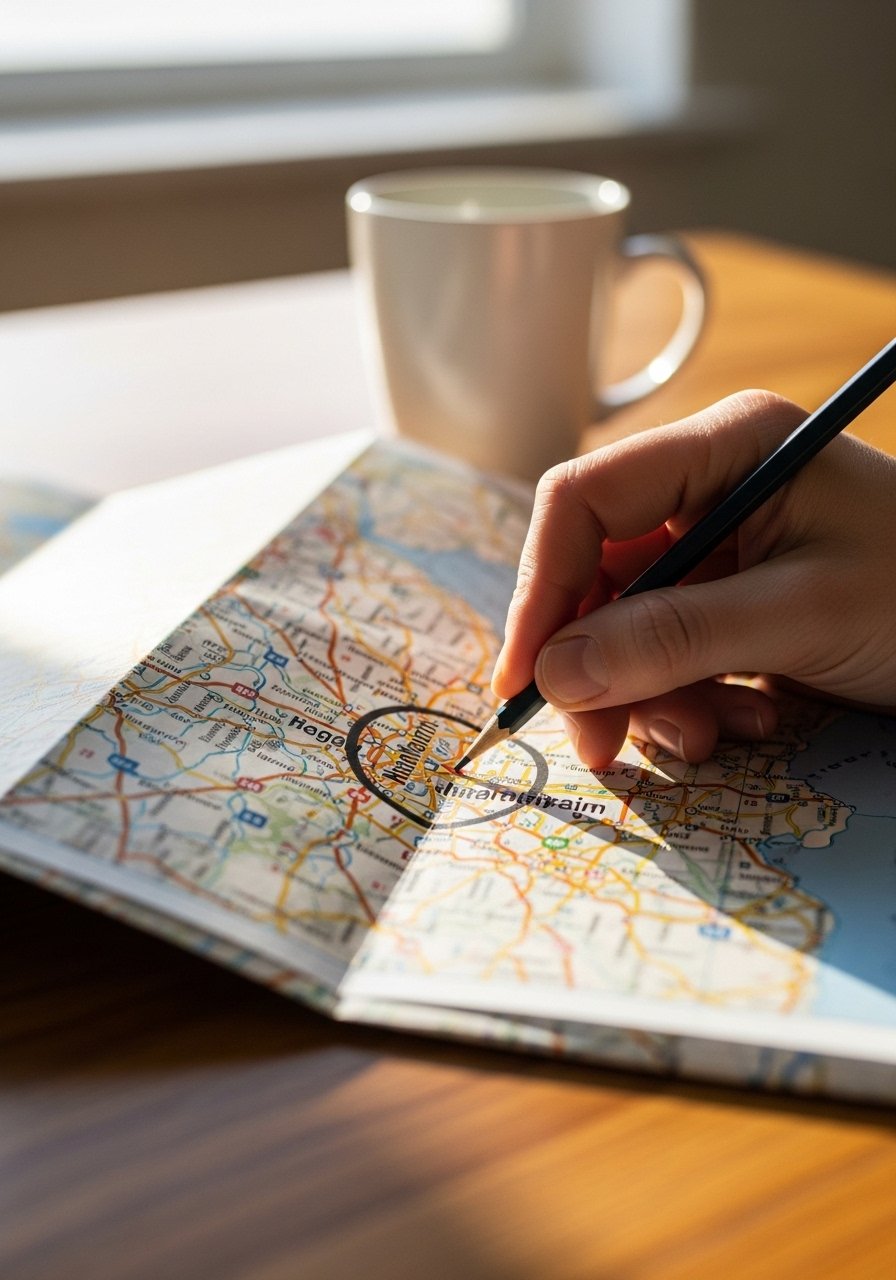
I start with places I've heard calm things about. Not the busiest spots. Think Porto or Asheville. Check walkability on Google Maps. See if cafes dot the streets.
This shifts everything. Suddenly, one spot feels right. No more scrolling endlessly.
People miss how size matters. Big cities overwhelm solos. Pick compact—easier to own.
Don't chase trends. Skip what friends raved about if it doesn't fit your quiet energy.
Step 2: Set Dates and Budget in One Sitting
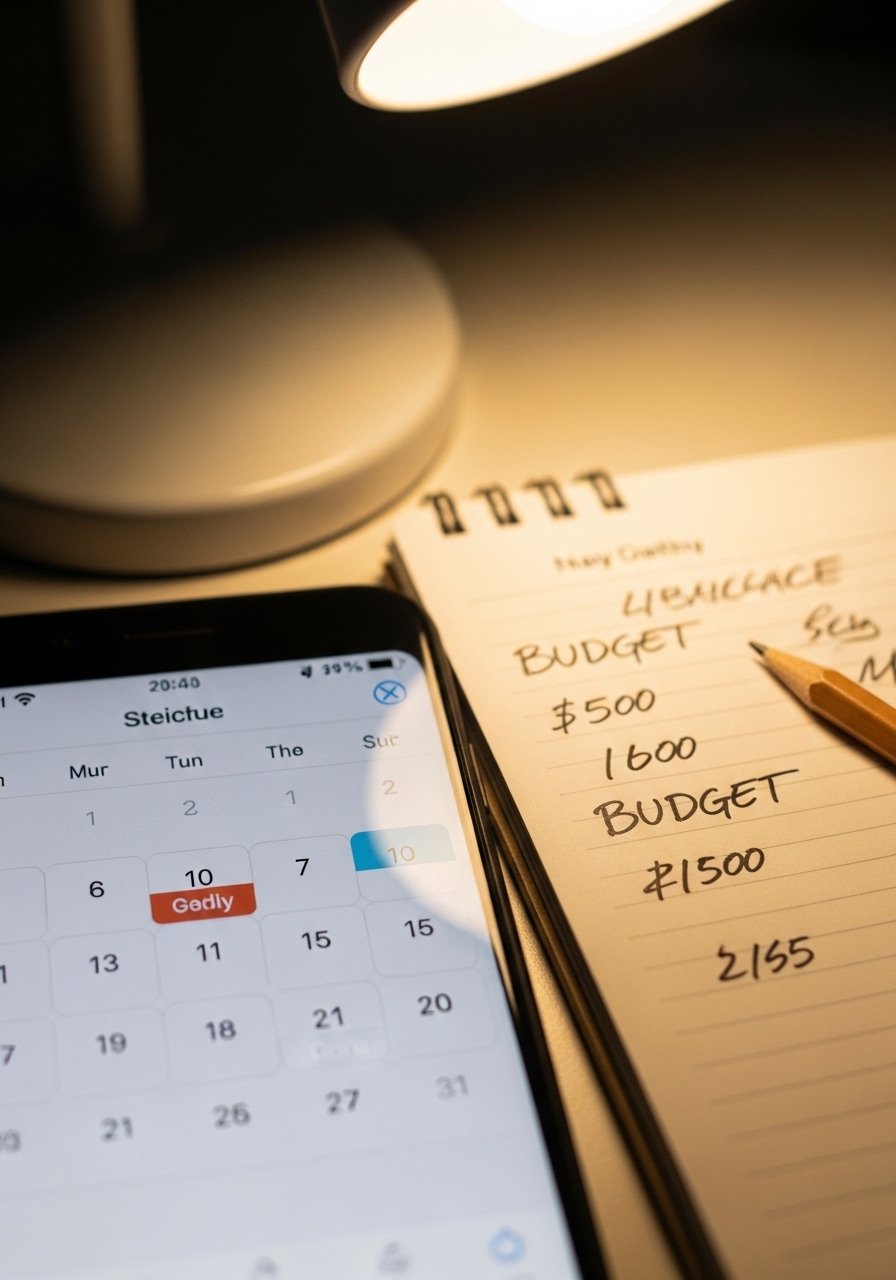
I block two weeks out. Weekends away work best first time. Then list costs: flight, stay, meals. Aim 20% buffer.
Now the trip has shape. Dates lock in deals. Budget stops vague worry.
Most forget flights rise fast. Book mid-week. And pad food—street eats add up.
Avoid open-ended timelines. They breed doubt.
Step 3: Book Core Stay and Transport First
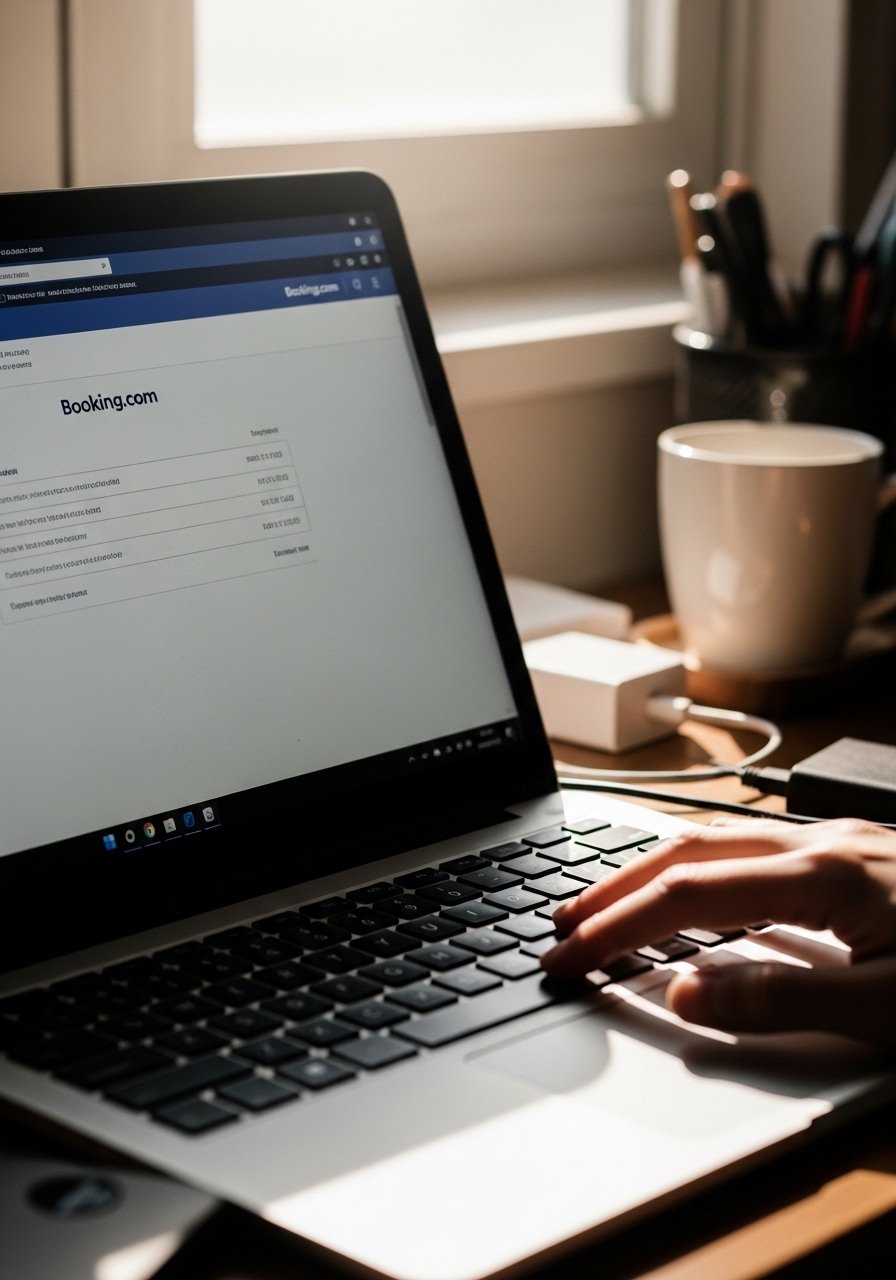
I find apartments over hotels. Central, with kitchen. Use Airbnb or Booking for reviews with solo photos.
This anchors you. Waking in your space feels safe. No lobby awkwardness.
Insight: Read recent reviews for noise. Quiet blocks matter solo.
Don't book activities yet. Leave room for walk-ins.
Step 4: Sketch Loose Daily Flows
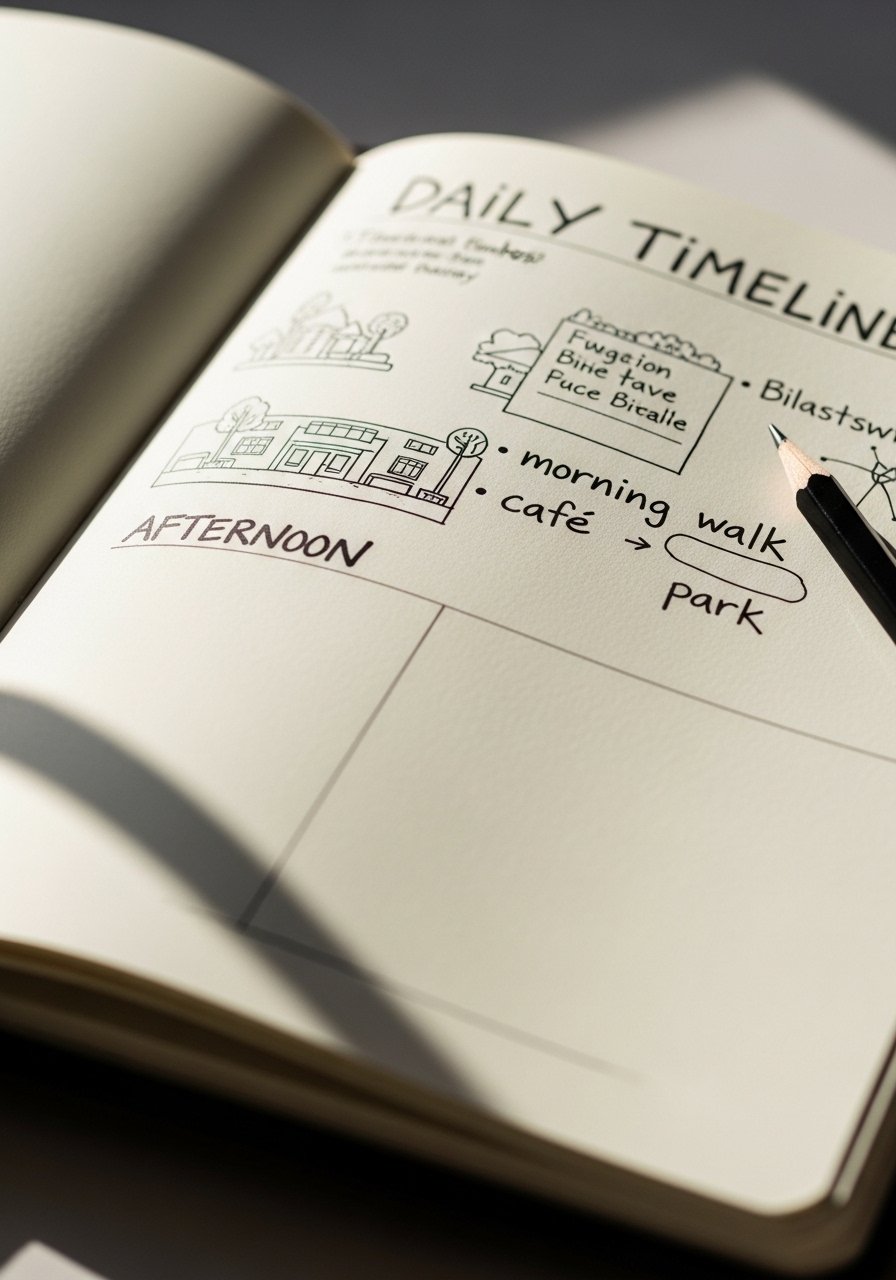
I jot mornings: coffee, wander. Afternoons free. One evening spot maybe.
Days gain rhythm without chains. You adjust as you go.
Folks overload schedules. Miss the gift of solo pauses.
Skip packed lists. One anchor per day suffices.
Step 5: Pack Light and Test Your Kit
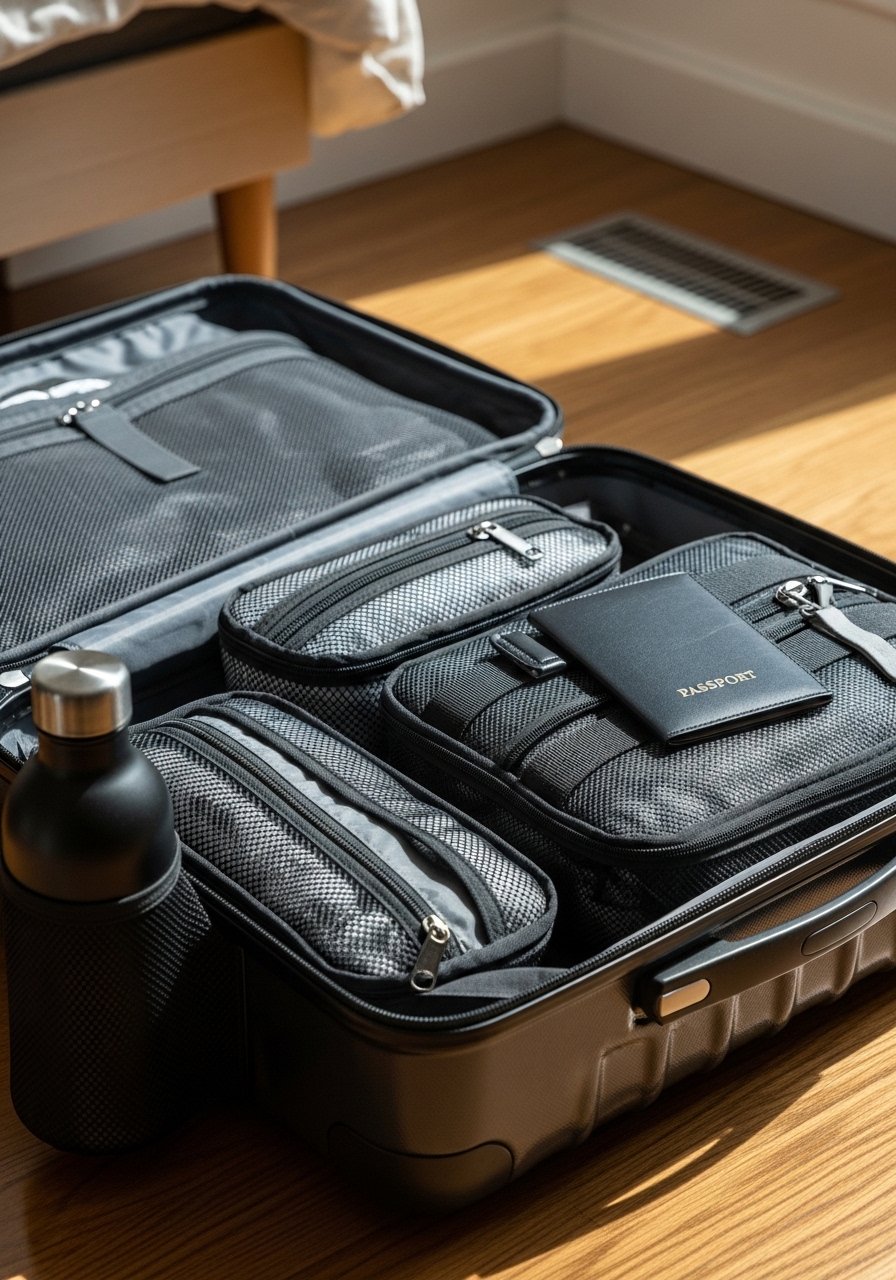
I use cubes for three outfits. Roll clothes. Test bag walk around block.
Lighter load means freedom. No dragging stress.
Common miss: Forgetting charger tests. Mine died day two once.
Avoid overpacking "just in case." Layers win.
Handling Solo Safety Without Paranoia
I keep it practical. Share itinerary with one person. Use apps like TripIt.
Phone charged always. That power bank saves evenings.
- Walk mid-day first.
- Note cafe spots as bases.
- Trust gut on vibes.
Feels balanced, not fearful.
Budget Tweaks That Actually Stick
Flights mid-week. Eats local markets.
Buffer covers surprises like extra coffee.
- Track in journal daily.
- Skip one souvenir.
- Free walks stretch dollars.
Ends memorable, not broke.
Making Downtime Feel Good
Solo quiet hits different. Headphones for buses.
Journal prompts real thoughts.
- One park sit per day.
- Cafe people-watch.
- No rush to fill hours.
Comfort builds from there.
Final Thoughts
Start with four days nearby. Test the flow.
You've got this—planning clears the fog.
One trip shifts how you see solo. It's yours, paced right. Worth the quiet prep.
Leave a Reply