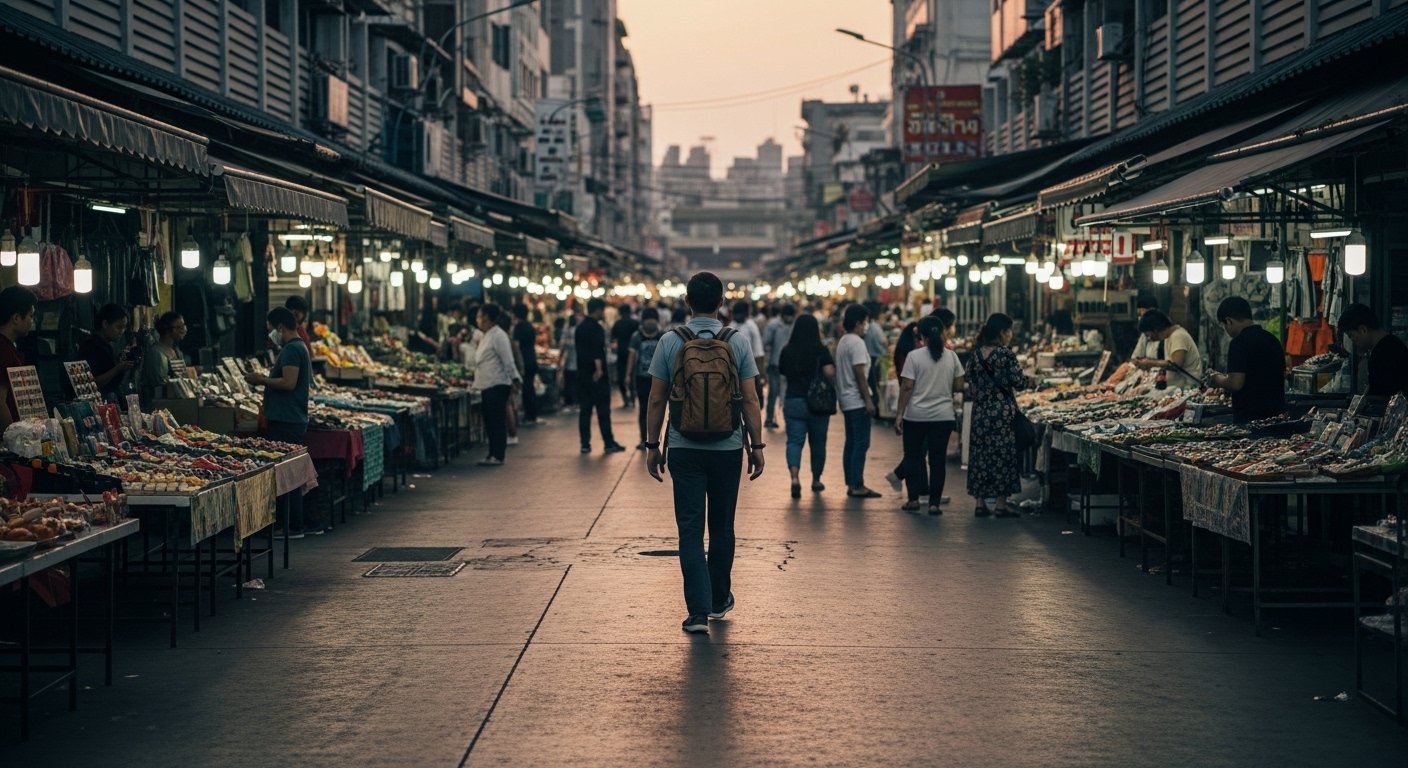
I remember my first solo trip to Bangkok. Stepping off the plane, the crowds hit me hard. No one to watch my back. Heart raced a bit walking to the hostel alone at night. That unease stuck until I figured out simple ways to feel steady.
Traveling alone doesn't mean constant worry. But ignoring risks turns fun into stress. I've learned to layer in quiet protections that let me wander freely.
These tips come from trips where I fixed my own slip-ups. Now, I move through cities feeling balanced, not on edge.
How To Stay Safe While Traveling Alone With Smart Tips
You'll pick up straightforward ways to anticipate risks and handle them calmly. By the end, solo travel feels intentional and comfortable—like having an extra sense guiding you.
What You’ll Need
- Addalock Portable Door Lock, Silver, fits most doors
- Vigilant Personal Alarm, 130dB Siren with LED Flashlight
- Raytix RFID Blocking Money Belt, Black, Slim Hidden Pouch
- Kdkt Anti-Theft Backpack, Gray, Laptop Sleeve with Lockable Zips
- Anker PowerCore 10000 Portable Charger, Black
- Safe Sound Personal Whistle, Orange, 120dB Emergency Signal
- SABRE Pepper Gel, Compact Flip-Top, Black
Step 1: Research Destinations and Share Your Plans
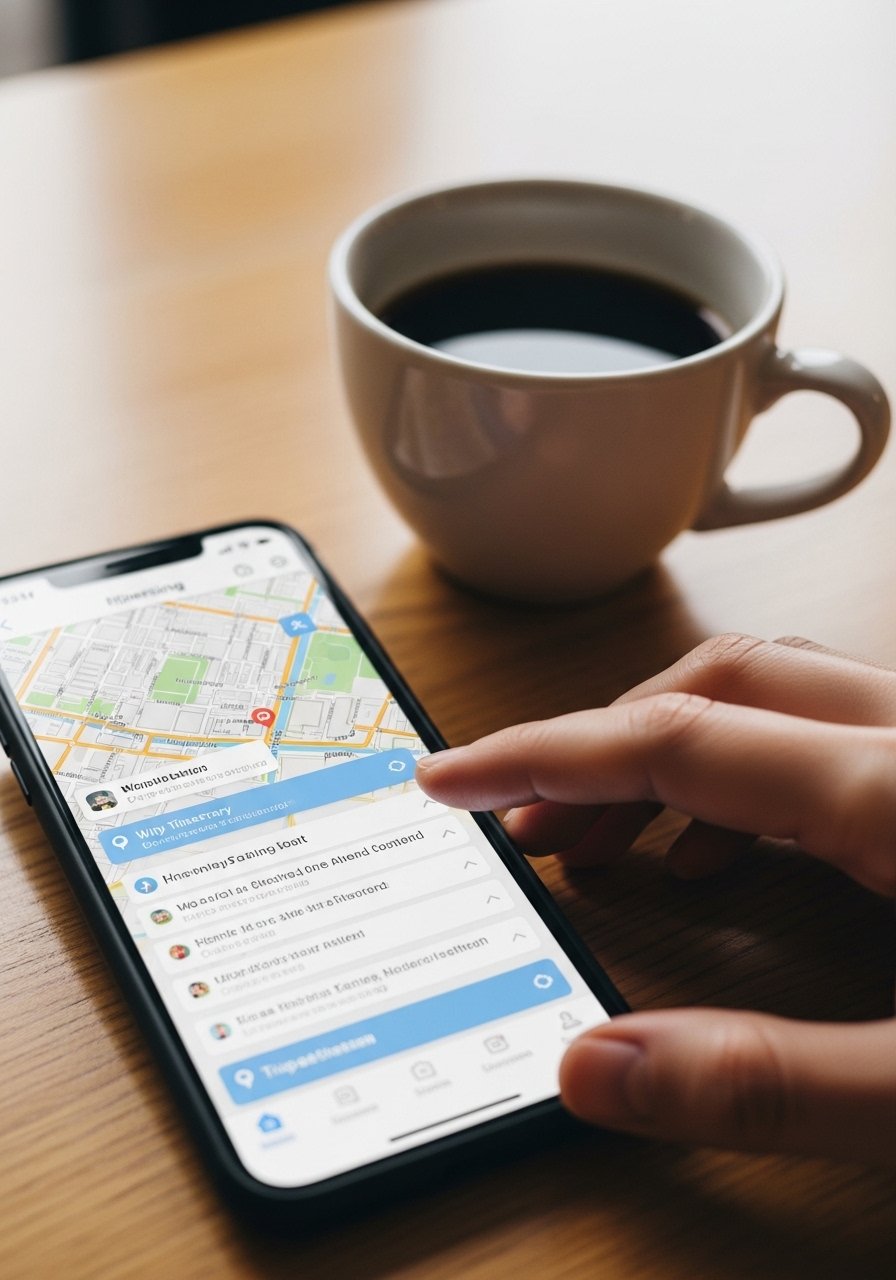
I start every solo trip by digging into the destination a week ahead. Read recent traveler forums for no-go areas at night. Note safe transport options and local emergency numbers. Then, I text my route to a trusted friend back home, updating daily.
This shifts my mindset from reactive to prepared. Walks feel purposeful, not aimless. The change? I spot uneven patterns in streets sooner.
People miss how sharing plans creates quiet accountability. One mistake: Skipping this because it feels overkill. I once wandered longer than planned without telling anyone—unnecessary stress.
Keep it simple. Use free apps for maps. Comfort comes from knowing someone's loop is closed.
Step 2: Pick Accommodations with Security in Mind
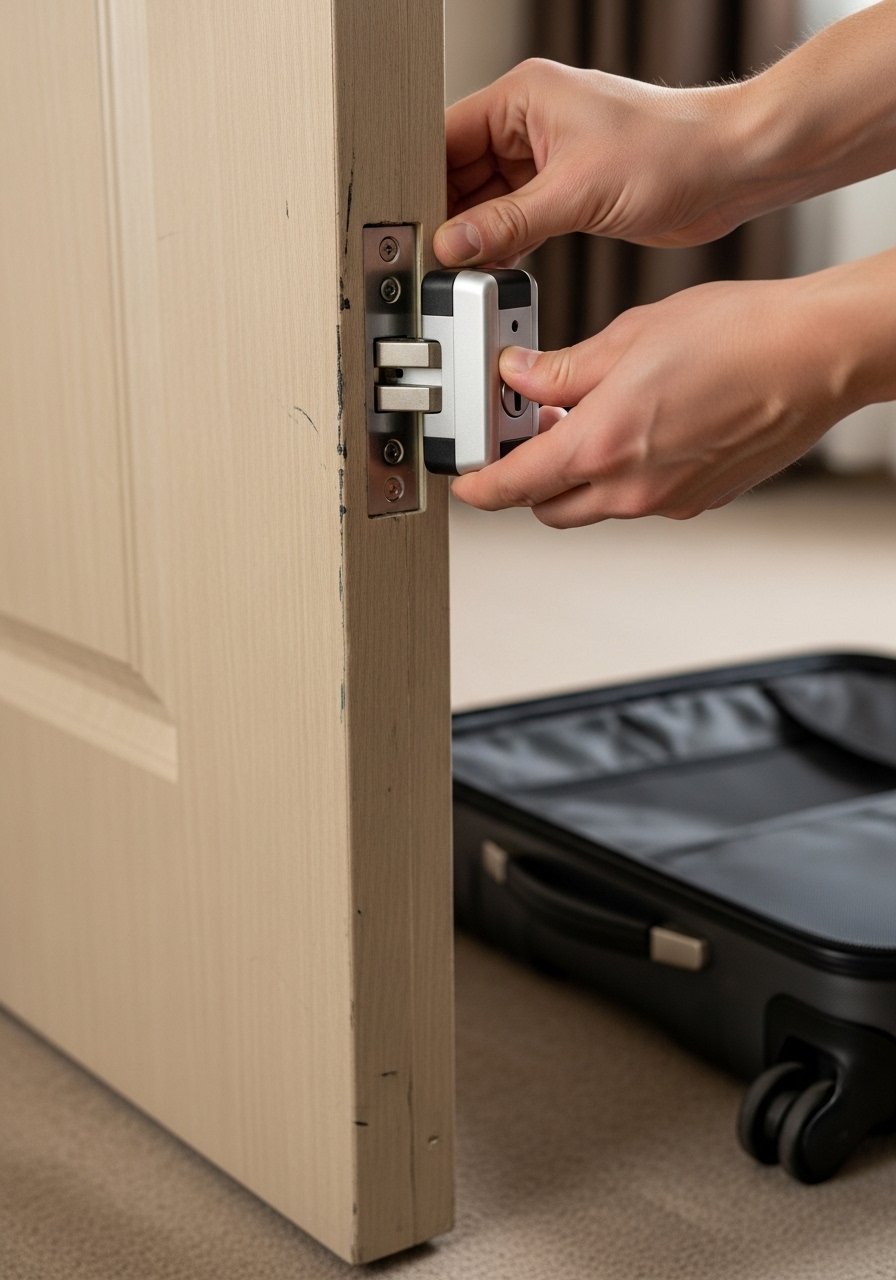
I scan reviews for places with 24-hour staff and keycard entry, avoiding ground floors if possible. Once checked in, I add the Addalock Portable Door Lock right away. Test the windows too.
Suddenly, the room feels like my quiet base. No second-guessing locks at night.
Insight folks overlook: Photos in reviews show real entry points—look for them. Avoid booking spots with iffy outer doors; I learned that after a sketchy guesthouse.
Breathe easy knowing you've layered protection. It lets sleep come naturally.
Step 3: Stay Aware Without Paranoia
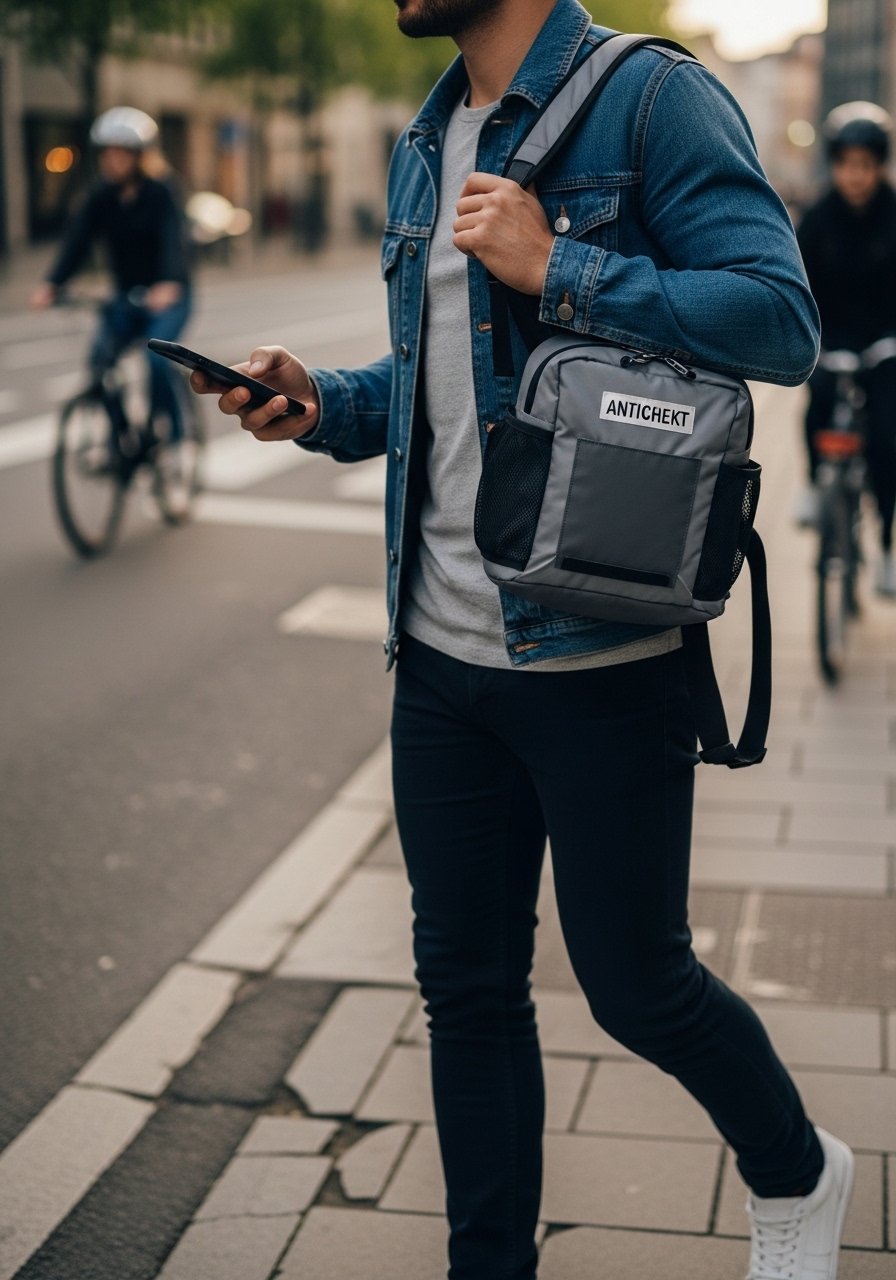
I keep my phone low, volume off, and backpack in front. Scan faces and hands in crowds, not just feet. Pause in well-lit spots to check maps.
This builds a rhythm of calm observation. Streets flow smoother; I blend without standing out.
Most miss tuning senses before sights—listen for footsteps behind. Mistake: Headphones in both ears block that. I ditched them after a close call in Rome.
It's comfortable awareness, like an extra layer of skin.
Step 4: Secure Valuables Discreetly
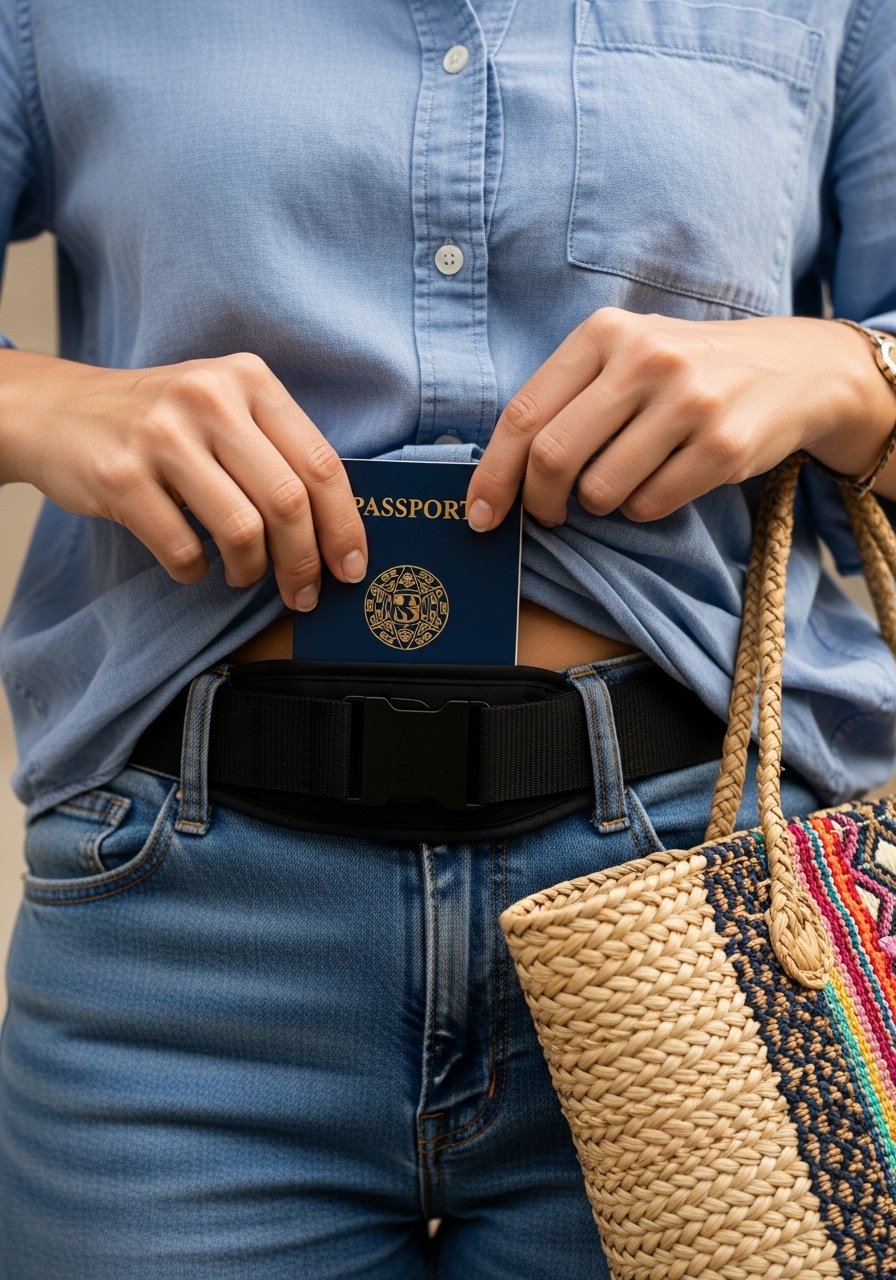
Cash and cards go in the Raytix RFID Money Belt under clothes. Phone stays powered by the Anker PowerCore. Never flash valuables in lines.
Now, my hands feel free for photos or haggling. No constant patting pockets.
Overlooked: Thieves target distraction—keep one hand free. Avoid visible phone wallets; pickpockets love them. Happened to me in Barcelona once.
This choice makes days lighter, literally.
Step 5: Trust Instincts and Have Quick Exits
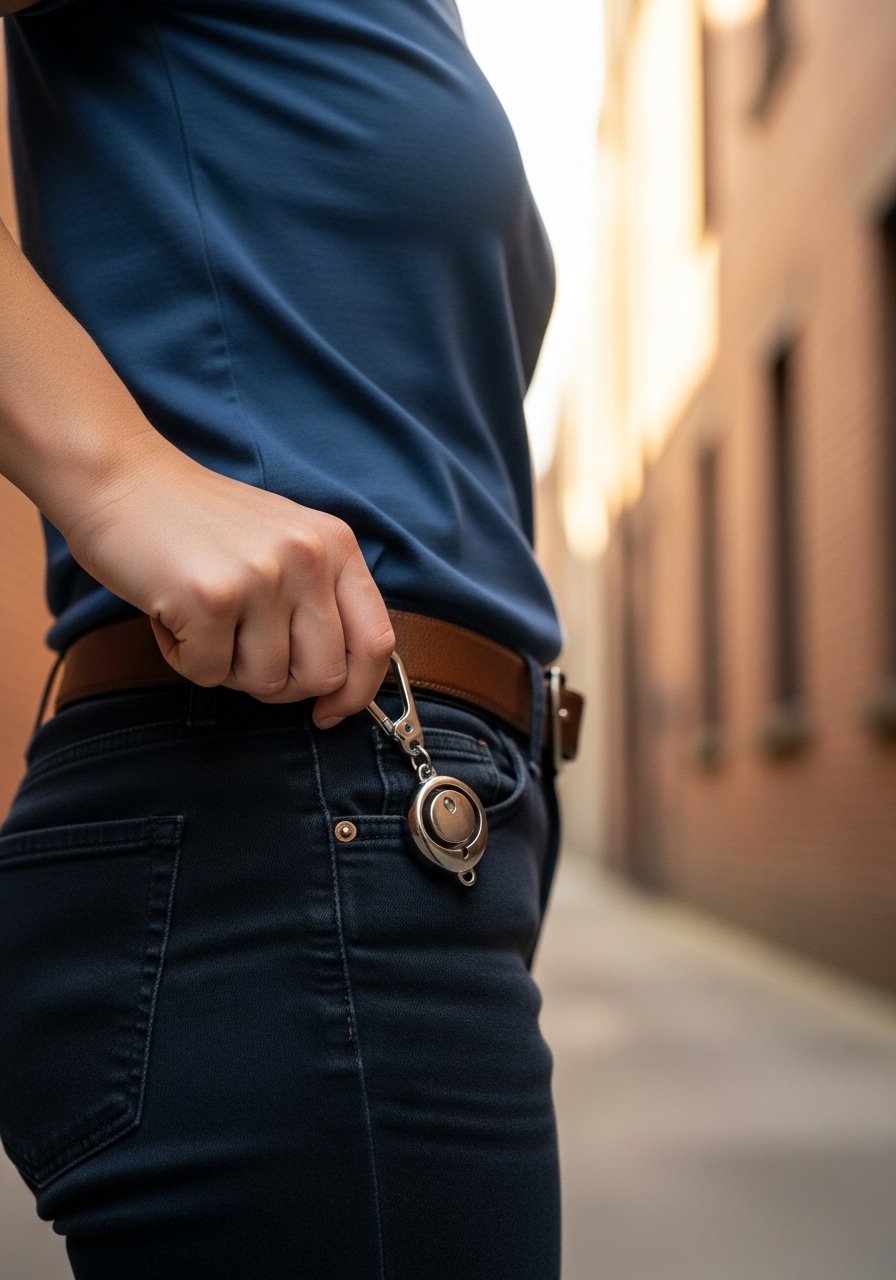
If a street feels off, I turn back—no debate. Carry the Vigilant Personal Alarm on my wrist. Note nearby shops or cabs.
Gut checks become habit. Paths stay safe by choice.
People ignore first flutters as jet lag. Mistake: Engaging overly friendly strangers. I walk away now; it's freed up energy.
Comfort builds from these small pivots.
Step 6: Prep Emergency Responses
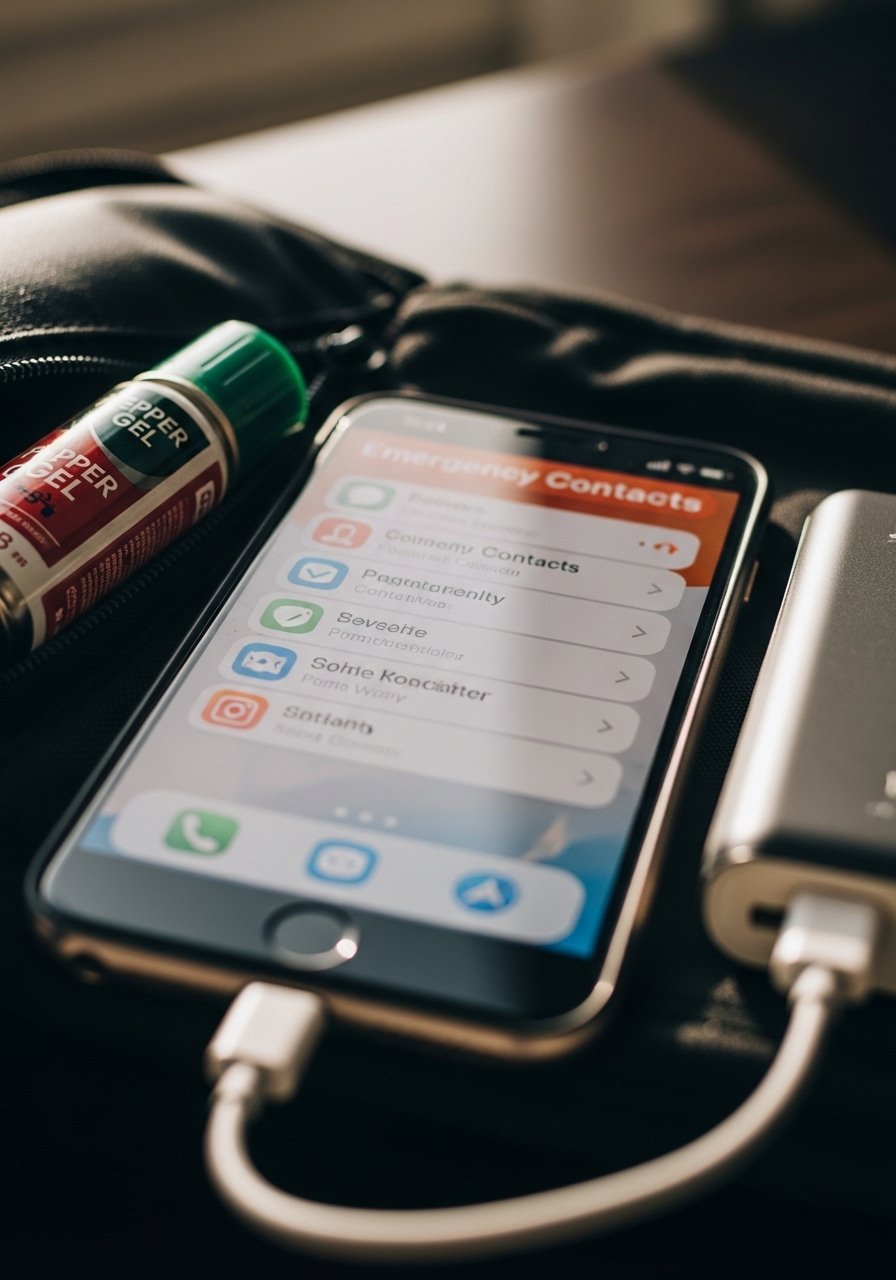
Save local embassy numbers. Charge everything with the power bank. Practice saying "help" in the language.
When ready, worry fades. I handle hiccups like a delayed bus without panic.
Missed insight: Test alarms weekly—they build muscle memory. Avoid relying on hotel safes alone; I grabbed mine once when staff vanished.
This wraps security into the trip's flow.
Navigating Transportation Safely
Buses and taxis vary by city. I pre-book rides through apps like Uber when possible. Share live location every time.
Stick to official stands at airports. For metros, ride middle cars—more people, less isolation.
- Arrive early for daylight options
- Keep bags between feet
- Note license plates mentally
One late-night moto in Vietnam taught me: If the driver veers oddly, signal stop firmly. Now, rides feel routine.
Interacting with Locals Smartly
Friendly chats add color, but I keep details vague—no hotel names. Smile, nod, move on if pressed.
Women especially: Politely decline unsolicited invites. Groups are safer for markets.
- Use "no thanks" calmly
- Stand tall, hands visible
- Mirror their energy without over-sharing
In Marrakech, this balance got me great tips without risks.
What to Do When Things Feel Off
Pause first. Step into a shop or crowd. Activate the alarm if followed.
Contact your embassy app-side, not yelling. Head to police stations in daylight.
Breathe through it. Most "offs" pass quickly. My Lisbon pickup attempt ended with a cafe pivot—back to enjoying soujou.
Final Thoughts
Start with one tip on your next trip, like sharing plans. It snowballs into confidence.
You'll notice how small choices quiet the noise. Solo paths open up comfortably.
Travel alone worth it when you feel steady. You've got this.
Leave a Reply