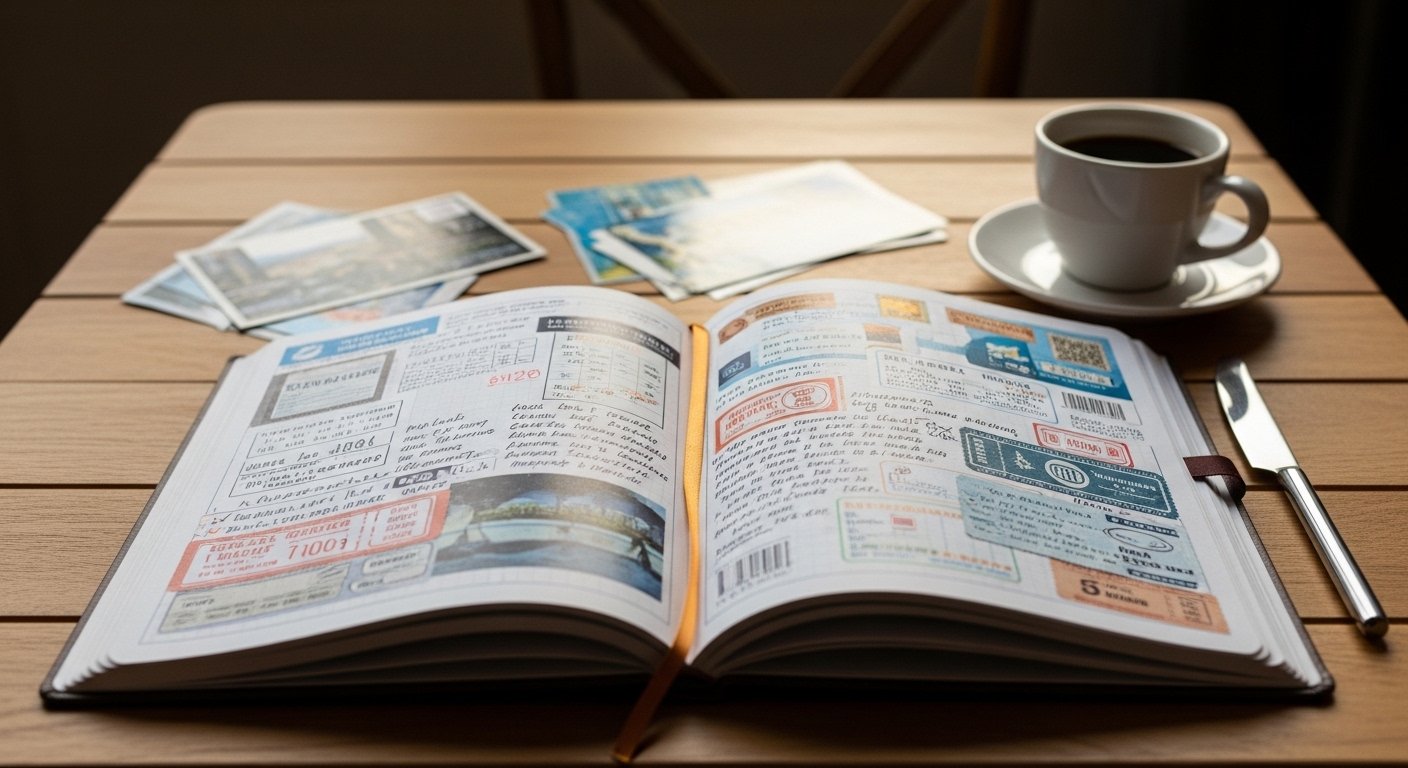
I remember flipping through my journal after a week in Italy. Pages crammed with scribbles, tickets stuffed randomly. Nothing connected. The trip felt alive in my head, but flat on paper.
I wanted a record that pulled me back in, day by day. Not a scrapbook dump, but something that flowed like the trip itself.
Most journals end up as cluttered messes. Mine did too, until I changed how I laid them out from the start.
How To Create A Travel Journal Layout That Flows
This guide shows you how to set up a journal that carries your trip's story from start to finish. It feels natural, like reliving the days in order. You'll end up with pages that connect without forcing it—calm and complete.
What You’ll Need
- A5 dotted bullet journal notebook, black faux leather cover
- Set of 12 fine-tip brush pens, assorted colors for journaling
- Clear washi tape, 15mm wide, 10 rolls neutral patterns
- Travel ticket pockets, 4×6 inch adhesive inserts, pack of 20
- Mini watercolor palette, 12 colors with brush
- Acid-free double-sided tape, 1/2 inch wide dispenser
- Set of 50 blank index cards, 3×5 inches for sketches
Step 1: Pick Your Base Structure
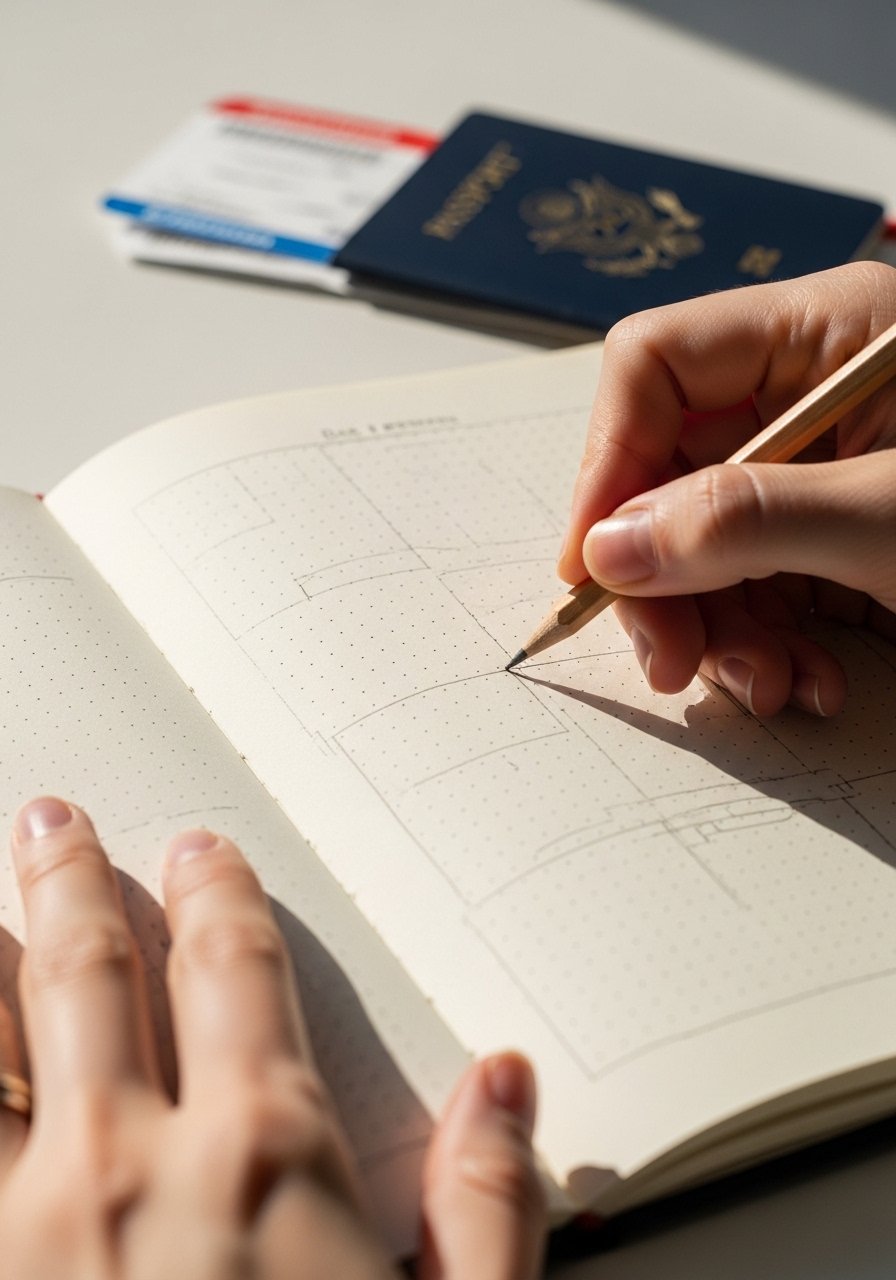
I start by dividing the journal into three zones: front for prep, middle for days, back for wrap-up. This keeps everything in sequence without hunting later.
It changes the feel right away—your trip has a spine, a flow from before to after. People miss that a simple index page upfront saves hours flipping.
Don't cram too many sections early. I once added themes and lost the daily thread. Sketch lightly first; commit with pen after a test page.
The calm comes when you see the outline hold the whole trip steady.
Step 2: Build the Front Matter
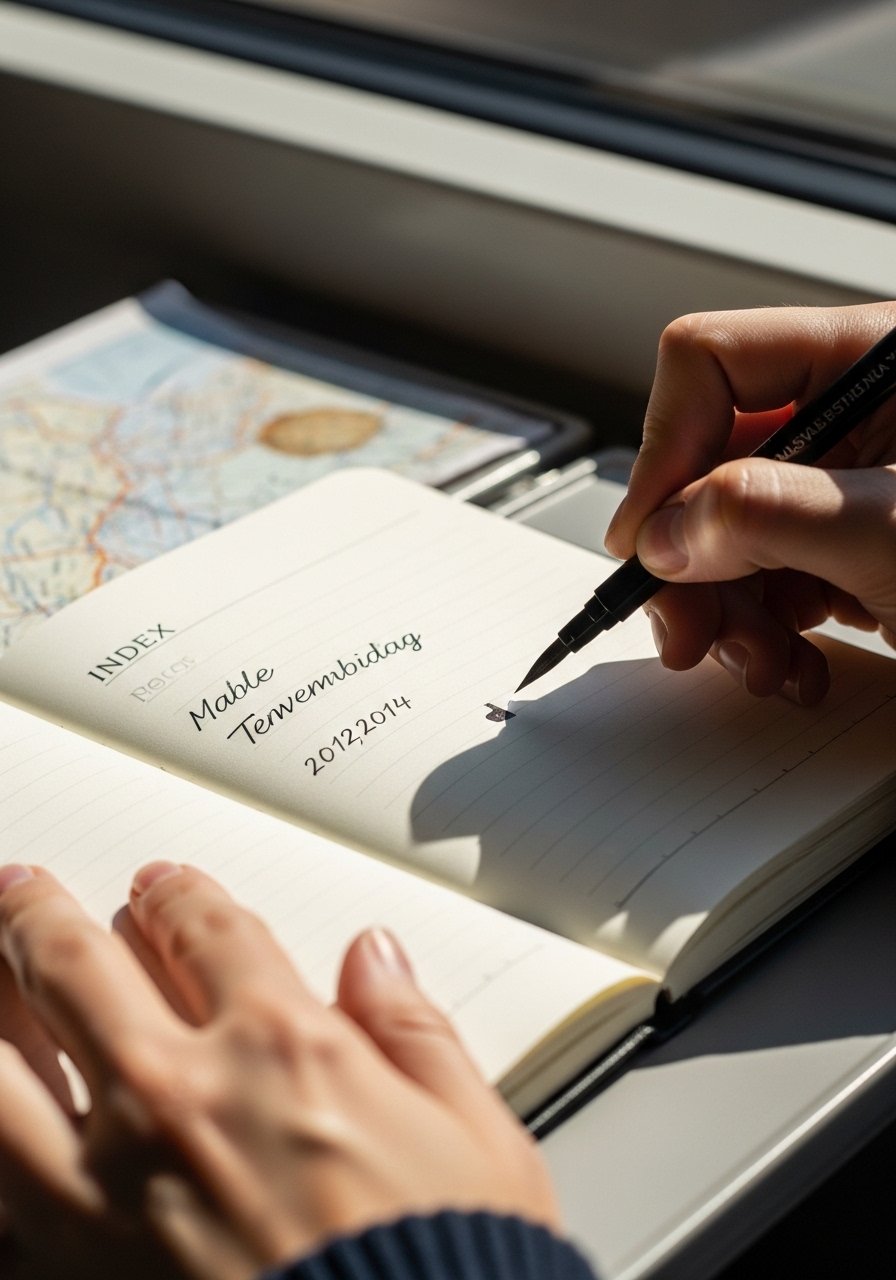
I add a cover page with trip dates, route sketch, and one key photo taped in. Then an index listing days or stops. It anchors everything.
Now the journal feels like a book with chapters—practical for quick jumps. Most skip this and regret it mid-trip when memories blur.
Avoid pretty fonts that slow you down. I tried calligraphy once; it killed momentum. Use your usual hand for speed and realness.
This setup makes entries flow into each other naturally from day one.
Step 3: Craft Daily Templates
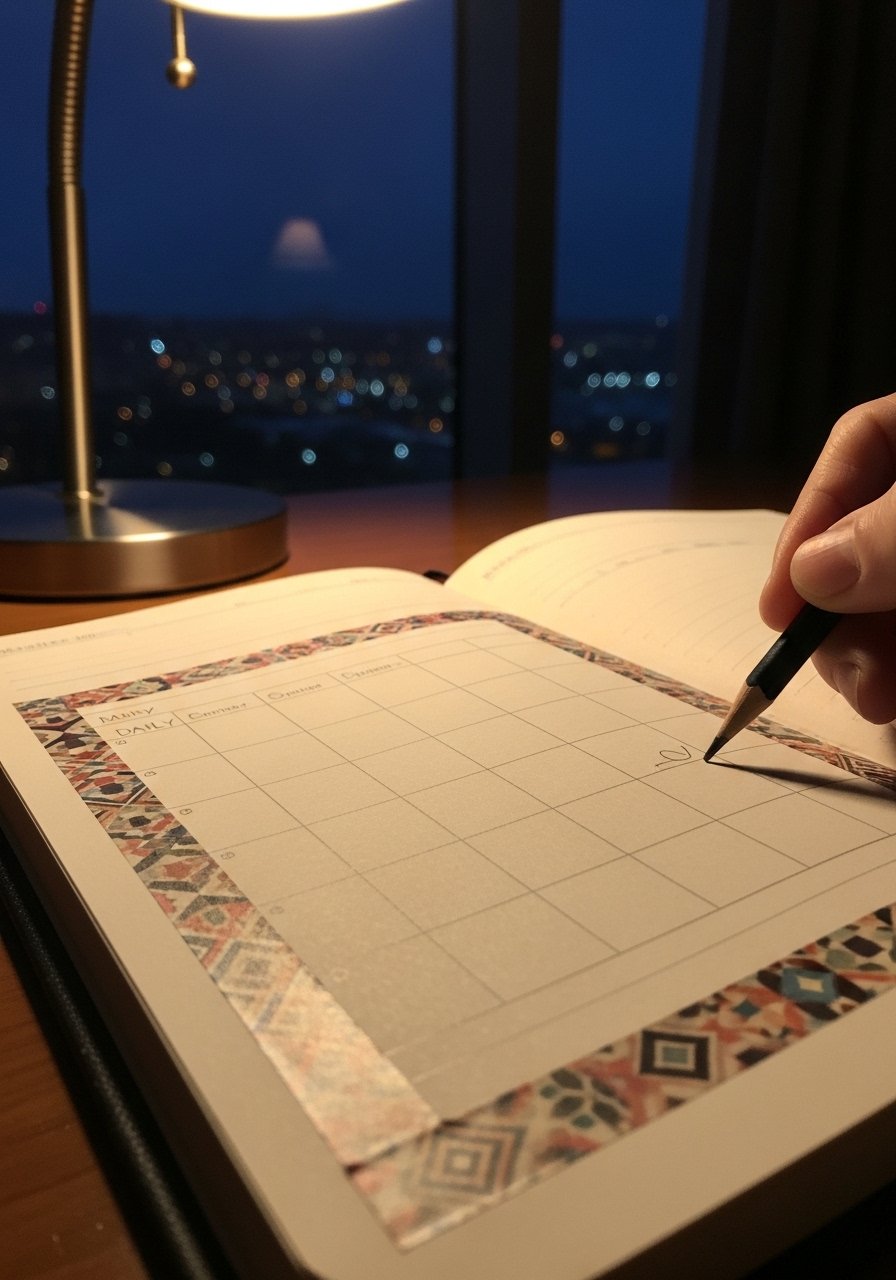
Each day gets a two-page spread: left for words and sketches, right for tickets and maps. I draw a light border with washi for edges.
Pages now breathe—room for thoughts without squeeze. Travelers overlook leaving white space; it lets details stand out later.
Don't copy templates online exactly. I did, and it felt stiff. Adapt to your handwriting size for comfort.
The flow builds as days stack, each linking to the last with a one-line carryover note.
Step 4: Layer in Memories Evenly
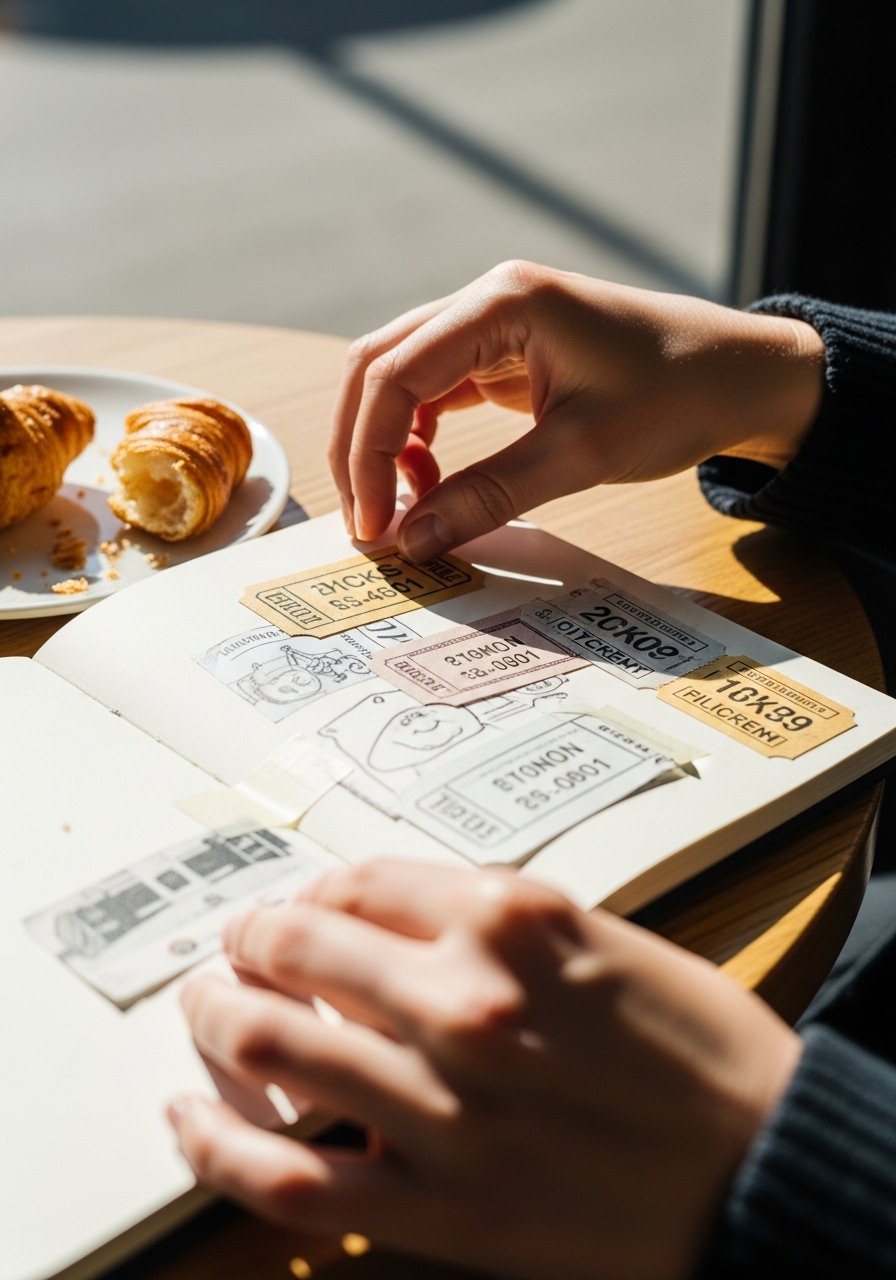
As I go, I tuck tickets into pockets and sketch one highlight per day. Watercolor washes for mood if time allows.
The journal thickens with real bits, making it tactile and sequential. People pile everything at the end—missed chance for fresh recall.
Steer clear of gluing wet ink. I smeared a whole page rushing. Let dry fully, or use photo corners.
This keeps the narrative moving, comfortable to add without rework.
Step 5: Connect and Close Out
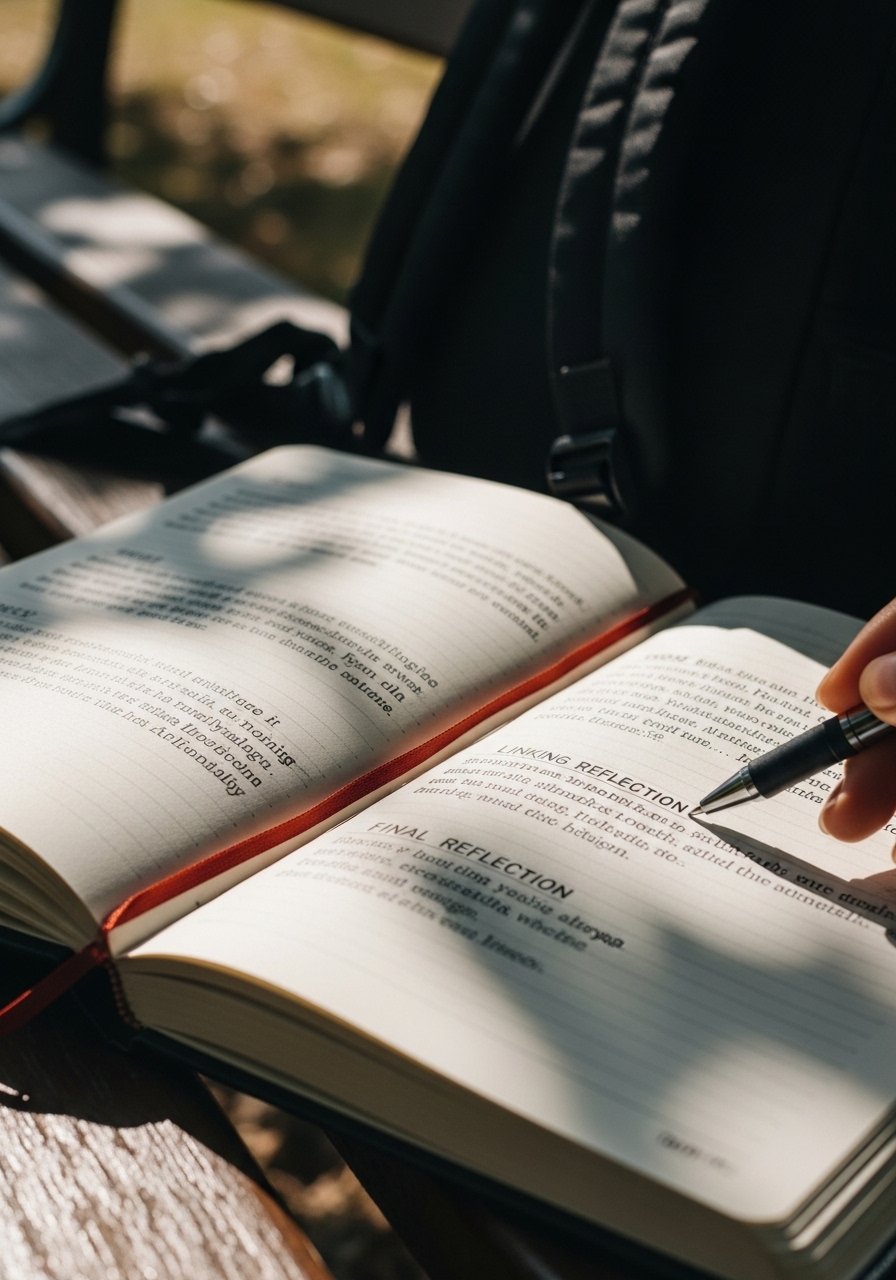
At trip's end, I draw arrows between related pages and add a back summary. Pull themes like "quiet moments" across days.
It ties loose ends, turning pages into a full arc. Insight: Review weekly en route to spot patterns early.
Avoid over-editing now. I rewrote too much once; kept it raw instead. Honest flow beats polish.
Your journal now reads smoothly, worth pulling out anytime.
Customizing for Your Travel Style
Solo trips suit minimal daily logs. Groups need shared highlights.
I tweak based on pace. Slow walks? More sketches. City hops? Tight timelines.
- For road trips: Add mileage trackers per spread.
- Backpacking: Weather icons daily.
- Cruises: Port maps first.
It stays practical, matching your rhythm without extra weight.
Keeping Momentum on Long Trips
Mid-journey slumps happen. I combat with one-page minimums.
Pack light—journal fits pockets. Evening rituals help: 10 minutes before bed.
- Skip if exhausted; catch up mornings.
- Use voice notes for ideas, transcribe later.
Flow holds when you protect the habit gently.
Blending Digital and Paper
Phone pics slot in printed small. I scan key pages post-trip.
No full switch—paper's feel wins for reflection.
- Apps for backups: Simple scans.
- Hybrid: QR codes to videos on pages.
Keeps it modern but grounded.
Final Thoughts
Start with one trip, just the basics. It'll click fast.
You've got the layout now—flows like your best stories do.
Pull it out years later. The real moments wait there, calm and clear.
Leave a Reply