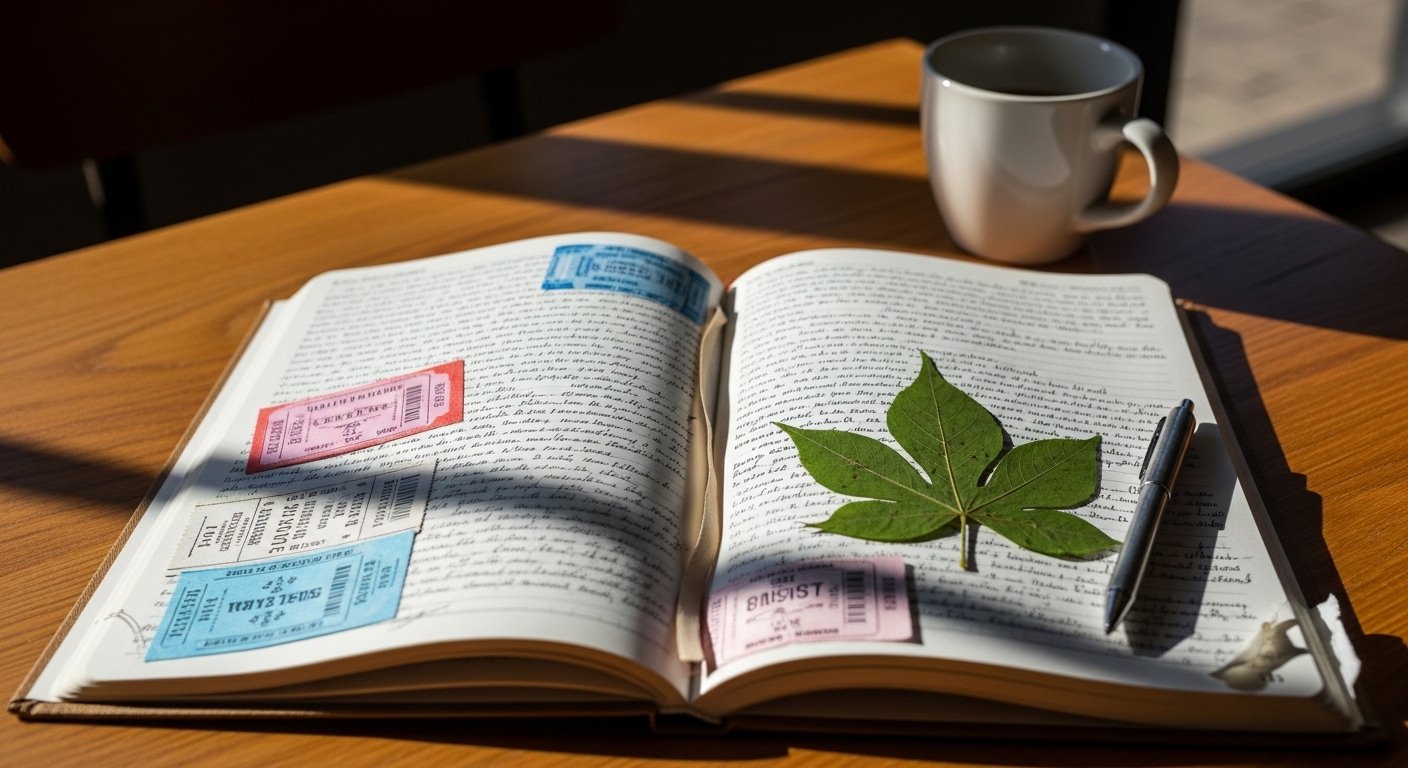
I remember landing home from Italy, staring at photos, drawing a blank on half the days. Names of streets, tastes of meals—they faded fast. Trips blurred into one forgettable loop.
I started jotting notes mid-trip. Simple stuff. It changed everything.
Now, those pages pull me back. Clear, real. No more fuzzy regrets.
How To Write A Travel Journal You Will Treasure
This guide walks you through my simple way to capture a trip so it stays sharp and personal. You'll end up with a journal that feels like reliving the days, not just remembering them. It's straightforward. Anyone can do it.
What You’ll Need
- Moleskine Classic Notebook, 5 x 8 inches, Hard Black Cover
- Pilot G2 Gel Ink Pen, 0.7mm, Black, Pack of 2
- Rhodia Dot Pad, A6 Size, Orange Cover
- Clear Waterproof Pouch, 9 x 12 inches, Ziplock Style
- Washi Tape Set, 6 Rolls, Neutral Patterns, 15mm Wide
- Small Brass Ruler, 6 inches, Engraved
- Leather Cord Necklace for Pen, Adjustable, Brown
Step 1: Pick Your Journal and Settle In

I grab my Moleskine the night before leaving. Flip through blank pages. Feel its weight. This sets a calm tone—no rushing later.
Why? A good journal invites you in. It changes vague plans into something tangible. People miss how the cover's texture grounds you amid airport chaos.
Skip oversized ones. They bulk your bag. Start with the first page: date, flight details. Mistake avoided: don't overthink supplies. Use what fits your hand.
Step 2: Log the Day's Frame Before You Dive In
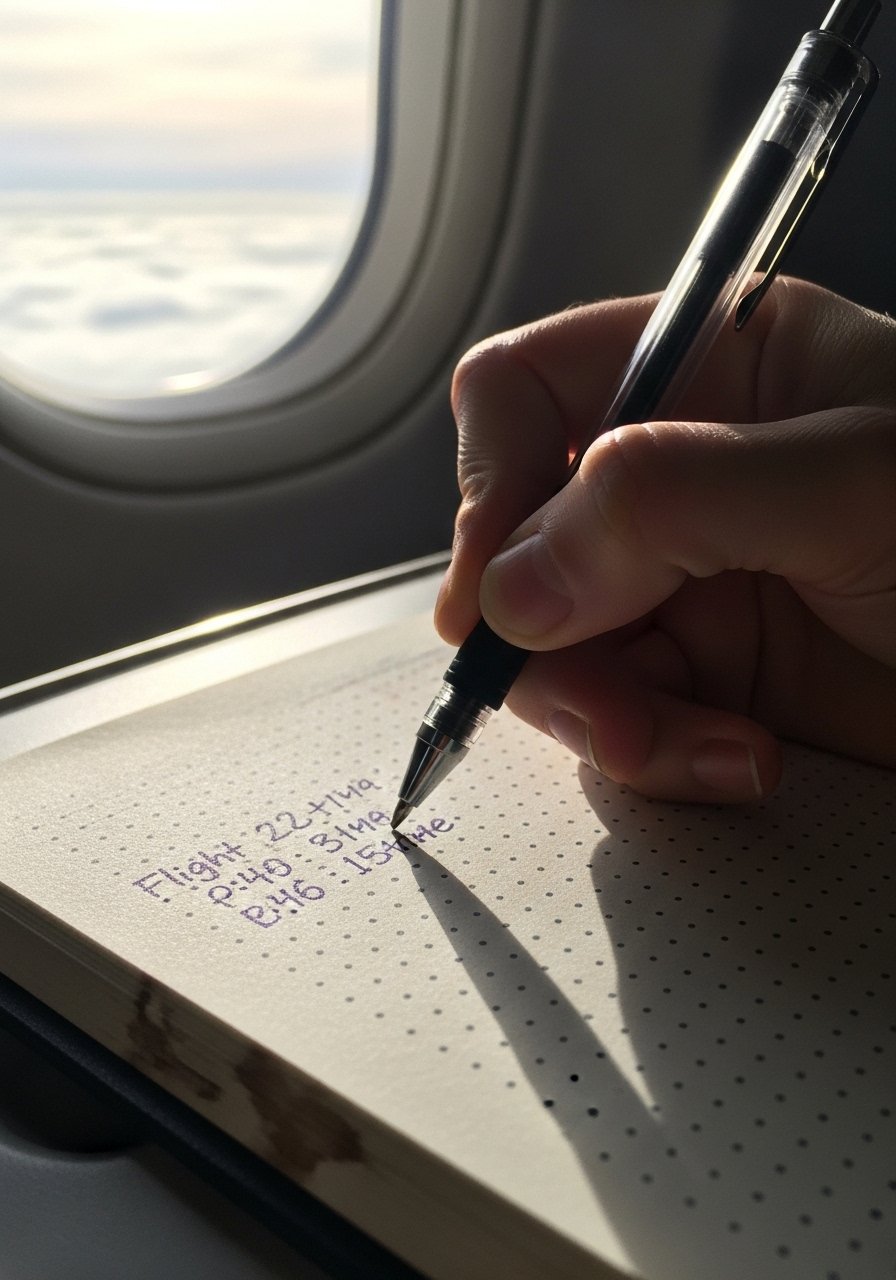
Right after settling—plane, train, hotel—I note basics: time landed, weather outside, what I packed that pinched. Takes two minutes.
This frames the day. Shifts your mind from stress to presence. Most skip it, then mix up sequences later.
Insight: it catches small comforts, like that perfect window seat. Avoid forcing full sentences. Bullets work. Keeps it light.
Step 3: Capture Senses and Choices Mid-Day
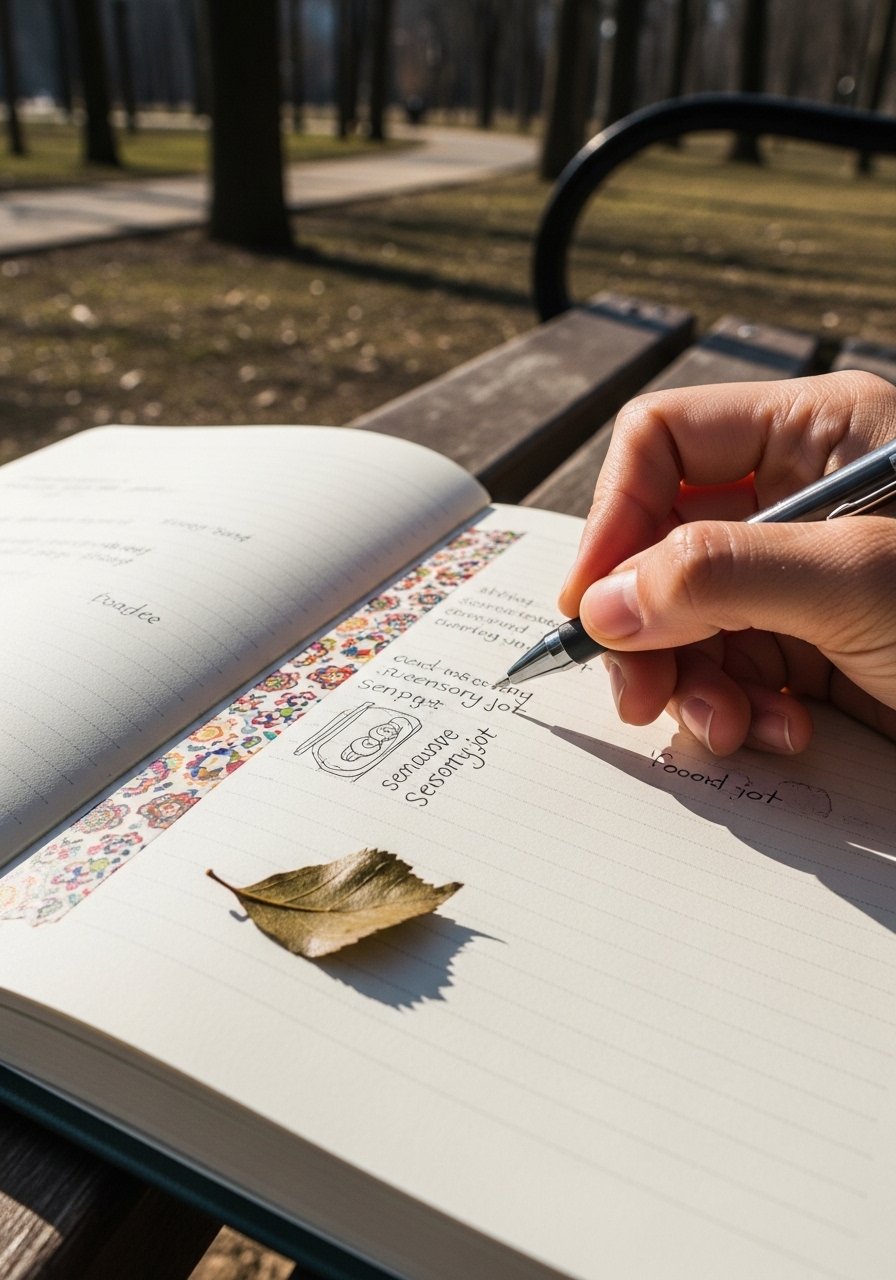
Mid-morning or lunch, I pull it out. Jot smells—bread baking—sounds—kids laughing—choices, like that left turn to the market.
It makes the trip alive. What changes: memories stick through details, not just sights. Travelers miss tastes; they fade fastest.
Tuck a ticket stub, tape it down. Don't write novels. One line per sense. Error: waiting till night. Details blur.
Step 4: Add One Photo Cue and Reflection at Dusk
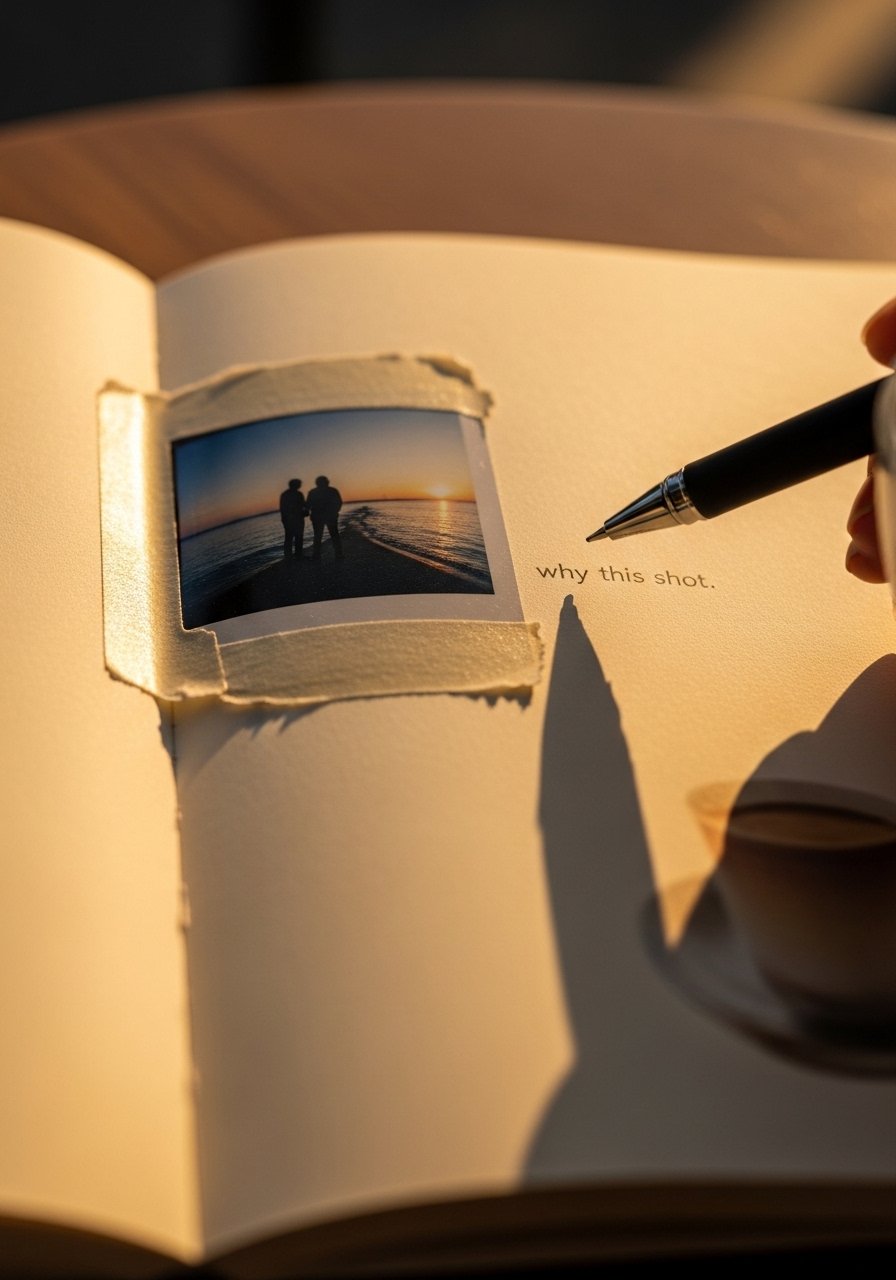
As light fades, snap one photo. Paste or note it: "This arch, because shadows hit just right." Then, one line: what surprised me.
This ties visuals to feelings. Journal feels balanced now. Common miss: no "why." It deepens later reads.
Use the pouch for prints. Avoid digital-only. Screens forget. Keeps momentum without overwhelm.
Step 5: Review Weekly and Seal It

End of week, scan pages. Draw a line under. Note patterns—like best walks. Seal with washi across the spine.
It cements the trip. What shifts: loose notes become a story. People overlook this; journals gather dust otherwise.
Don't edit. Raw is best. Mistake: perfectionism. Just close it. You'll treasure the honesty.
Handling Long Trips Without Burnout
I once journaled a three-month hike. Kept it simple by themes, not daily.
- Rotate colors of washi for months.
- Skip days that blur; double up next.
- Pack light—pen on cord stays handy.
It stays comfortable. No pressure builds.
Making It Work for Short Getaways
Weekends demand quick hits. I focus on anchors.
Morning: one choice noted.
Evening: sense snapshot.
Pack the pouch for wet hikes.
Feels intentional, not forced. Memories punch harder.
Reviving Old Journals at Home
Post-trip, I revisit monthly. Pull one page, relive.
- Brew the coffee from there.
- Trace a route on map.
- Share a line with a friend.
Keeps trips alive. Practical way to extend the feel.
Final Thoughts
Start tonight. Grab a notebook. Jot last week's walk. Small wins build.
You'll trust it soon. Trips won't slip away.
The real gift: pages that bring back your calm choices. Worth carrying.
Leave a Reply