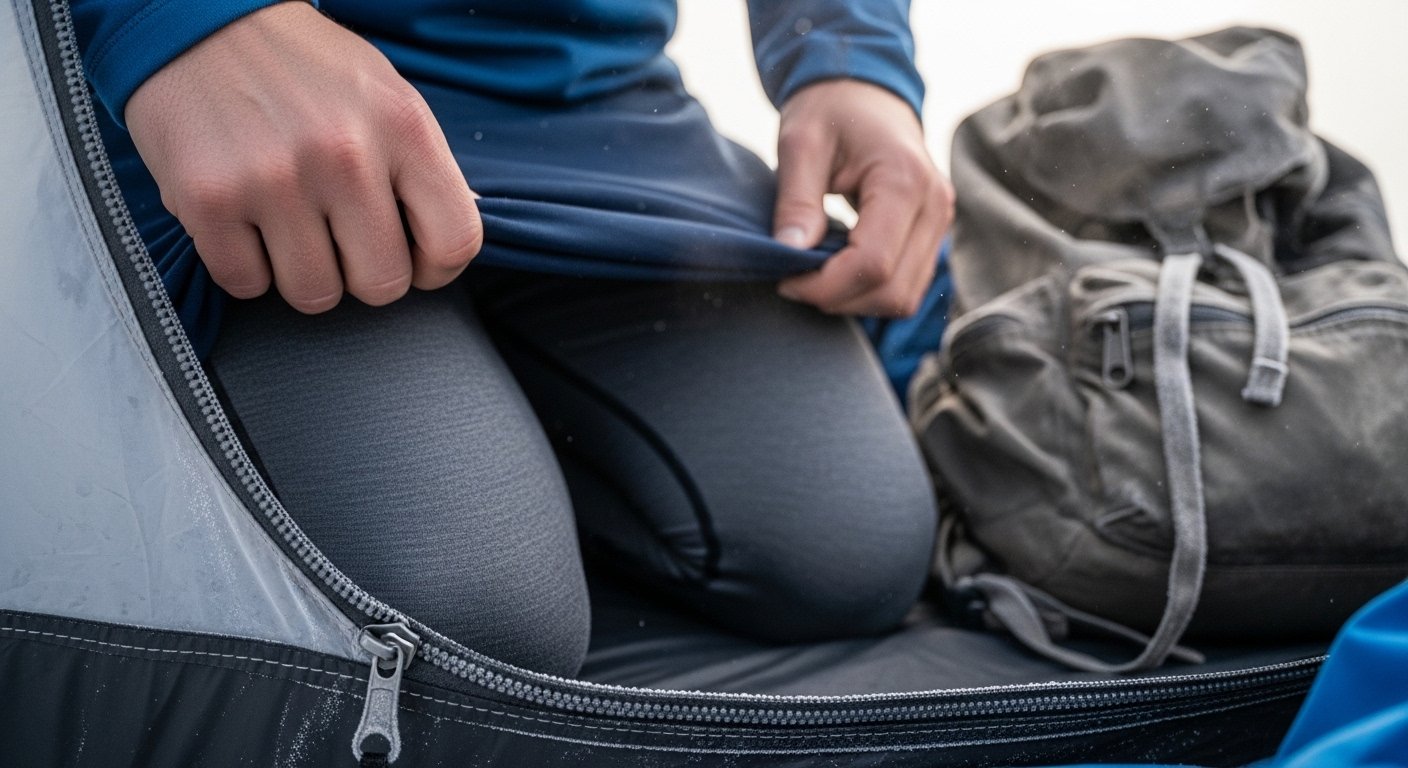
I still remember pitching my tent in the Adirondacks that December. Wind cut right through my cotton shirt. Shivered all night.
Next trip, I fixed it with real layers. No more ice-block feet.
These outfits came from those frozen lessons. They work down to single digits.
7 Winter Camping Outfits For Cold Weather
I've worn these 7 outfits on trips from the Rockies to Michigan's UP. Tested in real cold, with wind and wet snow. They'll keep you moving and warm—no bulk, just practical layers. Here's exactly what worked.
1. Base Layer Start for Dry-From-Sweat Mornings
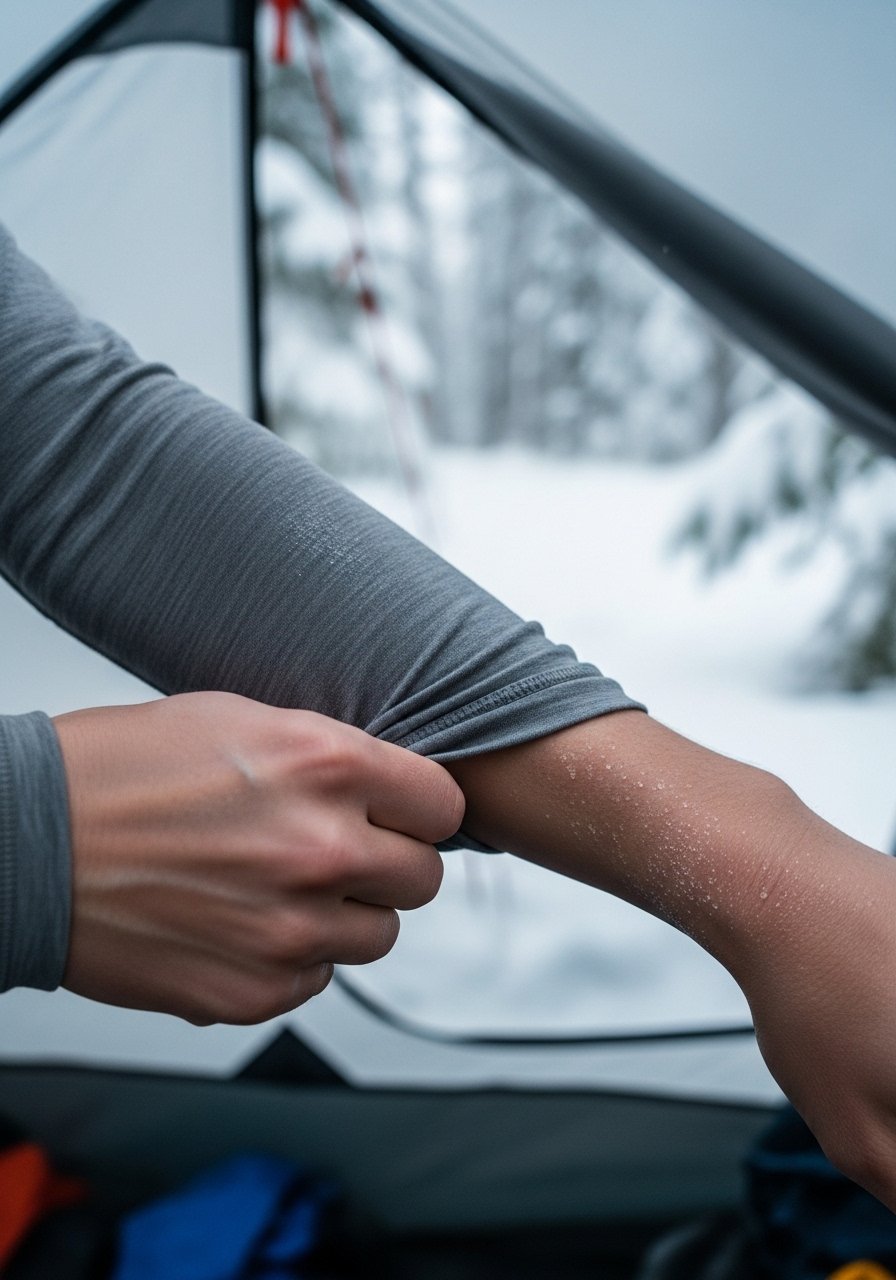
That first winter solo in the Porcupine Mountains, I hiked in, sweating under wool. By night, damp clothes froze me solid. Switched to synthetic base layers next time. They wick fast, dry overnight by the fire.
No clammy skin when breaking camp at 20°F. Paired top and bottom, they breathe on climbs, hug without binding.
Watch for seams—itchy ones rub on pack straps. Size up if you layer thick.
Pro tip: Hang 'em inside the tent vestibule post-hike. Dry by morning coffee.
What You’ll Need for This Trip
Athletic fit synthetic base layer top, moisture-wicking
Synthetic thermal leggings, quick-dry midweight
2. Fleece Midlayer for Wood-Chopping Warmth
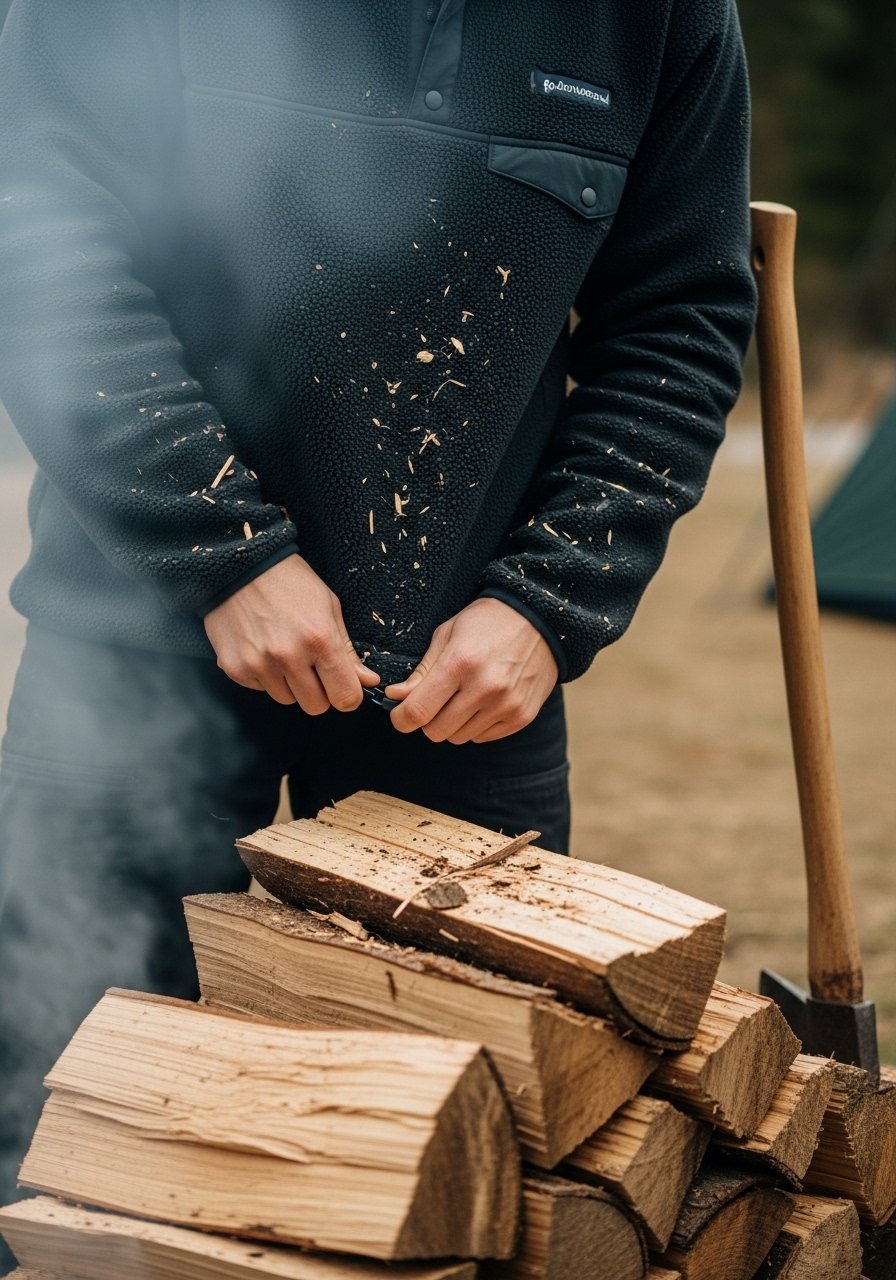
Chopping wood in Boundary Waters, my hoodie trapped sweat, turned icy later. Fleece fixed that—traps air, dumps heat when I stripped it off.
Full-zip lets me vent on the portage. Quarter-zip for neck warmth around camp tasks.
Soft against base layer, no bulk under shell. Wore it three days straight, machine-wash easy at home.
One mistake: Cheap fleece pills fast. Go midweight, it lasts seasons.
Stash in pack side pocket for quick grab.
What You’ll Need for This Trip
Midweight fleece pullover, full-zip men's large
Women's quarter-zip fleece, breathable
3. Hardshell Jacket for Wet Snow Pitches
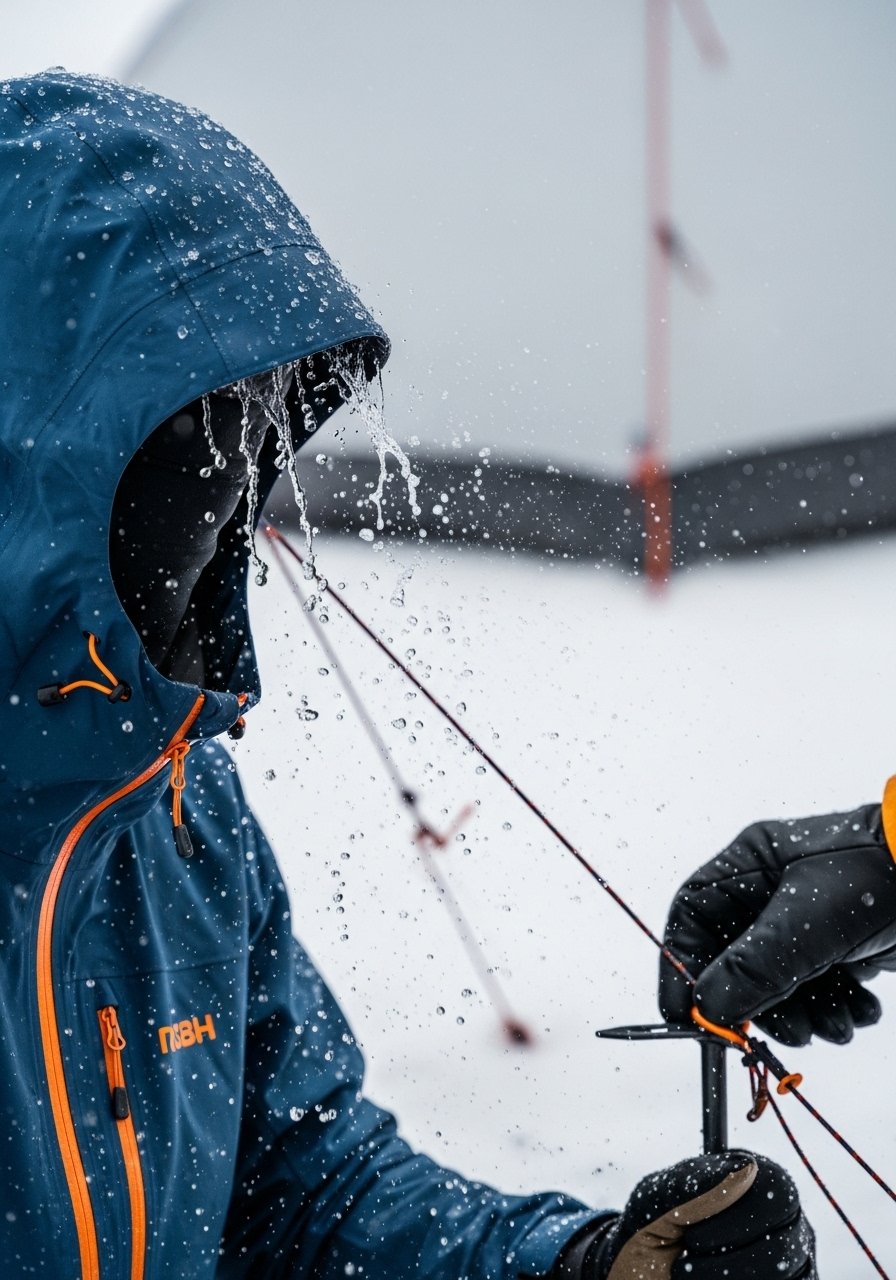
Snow turned to sleet on my Smokies trip. Regular jacket soaked through—everything underneath chilled. Gore-Tex hardshell changed that. Windproof, sheds wet without fogging my view.
Hood fits over beanie, cuffs seal on gloves. Pit zips for hikes when it warms.
Packed small, weighed nothing extra. Used it as wind block for the stove too.
Insight: Tape seams if you're cheap—saves leaks. Mine held two storms.
What You’ll Need for This Trip
Gore-Tex hardshell jacket, packable waterproof
Adjustable hood rain shell pants, breathable
4. Puffy Synthetic Jacket for Tent Lounging
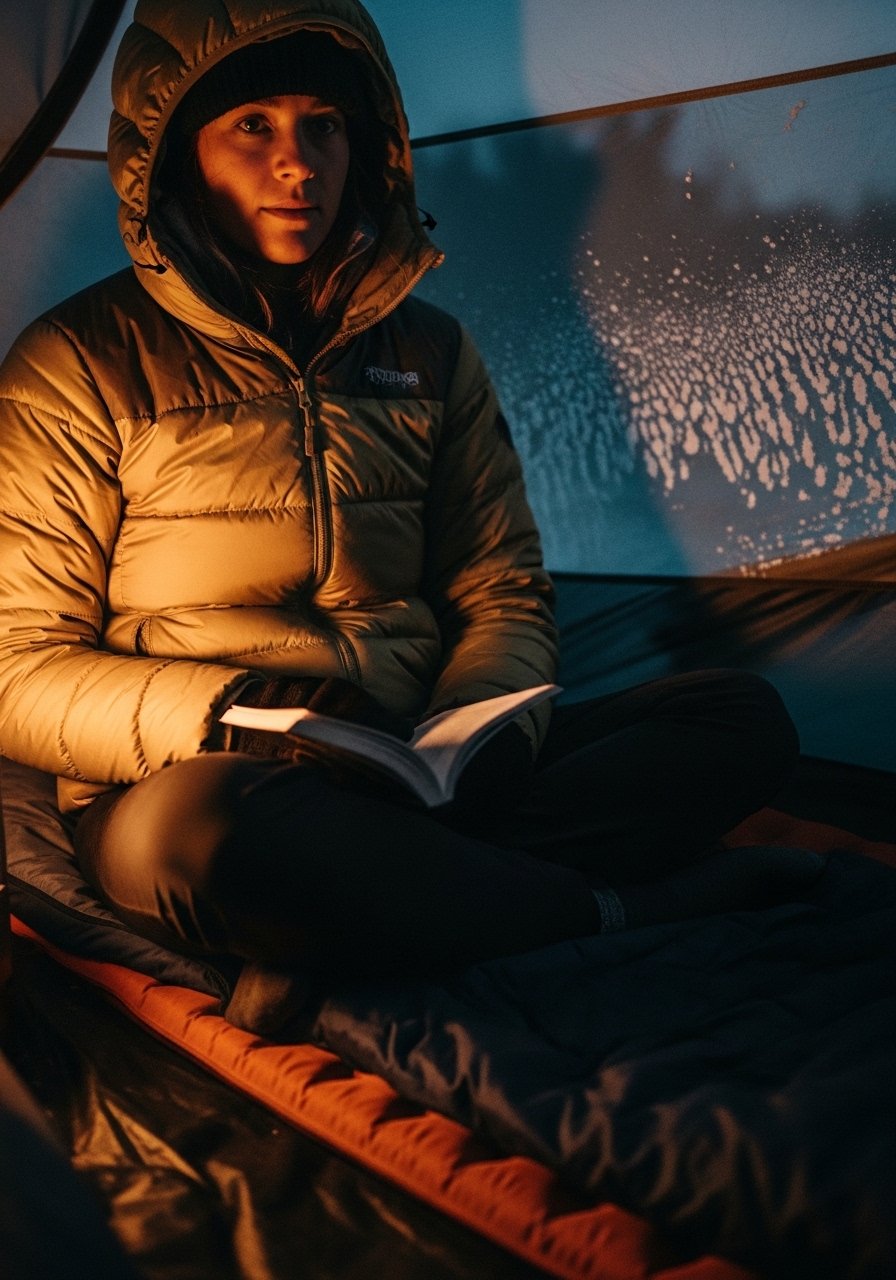
Lounging post-dinner in the Sawtooths, down quilt failed when damp. Synthetics don't clump—stayed lofty at 10°F.
Belted waist traps heat, hood cinches tight. Wore over fleece for reading by headlamp.
Packs to fist size. Machine wash, no dry cleaner trips.
Forgot gloves once—hands froze typing notes. Lesson learned.
Layer it outside sleeping bag for extra loft.
What You’ll Need for This Trip
Synthetic insulated puffy jacket, 650-fill packable
Women's hooded synthetic vest, lightweight warm
5. Insulated Boot and Sock Setup for Trails
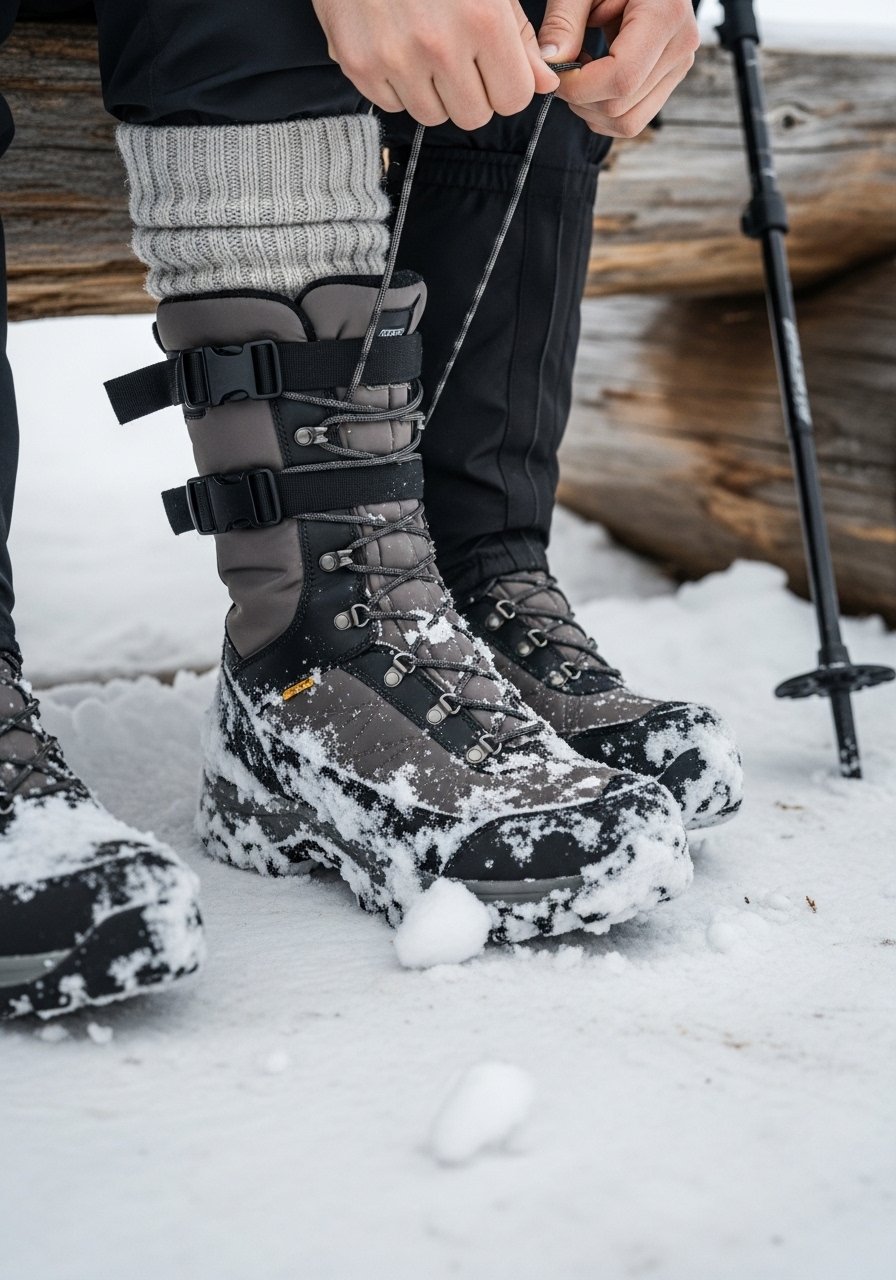
Trekked into White Mountains, thin socks let cold in—feet numb by site. Thick merino over liner socks, plus boots, solved it.
Boots to -20°F rating, grippy soles for ice. Gaiters block snow down tops.
Dry fast if you air 'em by fire. No blisters after 10 miles.
Overpacked socks once—three pairs max. Rotate, wash in pot.
What You’ll Need for This Trip
Merino wool liner socks, cushioned ankle
Heavyweight insulated hiking boots, waterproof 400g
Mid-calf gaiters, snowproof nylon
6. Mittens and Balaclava for Windy Chores

Cooking oats in gusts at Isle Royale, fingers ached despite gloves. Lobsters let thumbs work, liners wick inside.
Balaclava under hood—no exposed skin. Packs tiny.
Warm enough for 30 minutes out, shed for eating.
Bought thin ones first—froze through. Thick overmitts now.
Stow in chest pocket, body heat keeps 'em ready.
What You’ll Need for This Trip
Lobster claw mittens, waterproof insulated
Merino balaclava, neck gaiter combo
Thin liner gloves, touch screen
7. Full Overnighter Layers for Multi-Night Stays
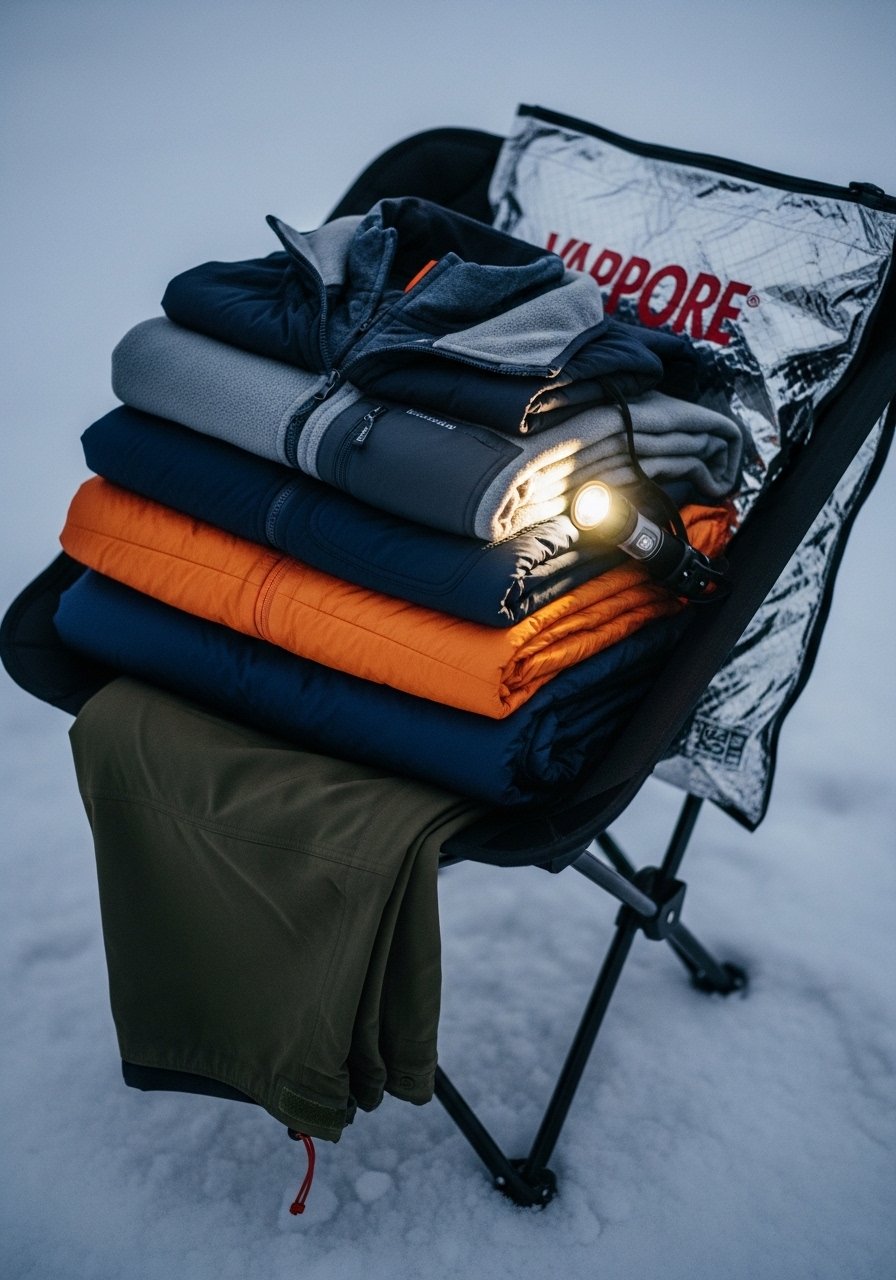
Four nights in the Bob Marshall Wilderness, layers shifted wrong—overheated day, cold night. Full system: base, fleece, puffy, softshell pants.
Vapor barrier liner stopped sweat freeze. All breathable, adjustable.
Changed daily inside tent. Weight stayed under 5 lbs clothes.
Mistake: No spare base—damp one wrecked sleep. Always two.
Mix for your cold rating.
What You’ll Need for This Trip
Softshell hiking pants, wind-resistant DWR
Vapor barrier liner socks, plastic over merino
Final Thoughts
These outfits got me through real winters—no fancy gear, just what holds up.
Start with one or two that fit your trips. Test at home first.
You'll stay out longer, comfortable. Pack light, camp happy.
Leave a Reply