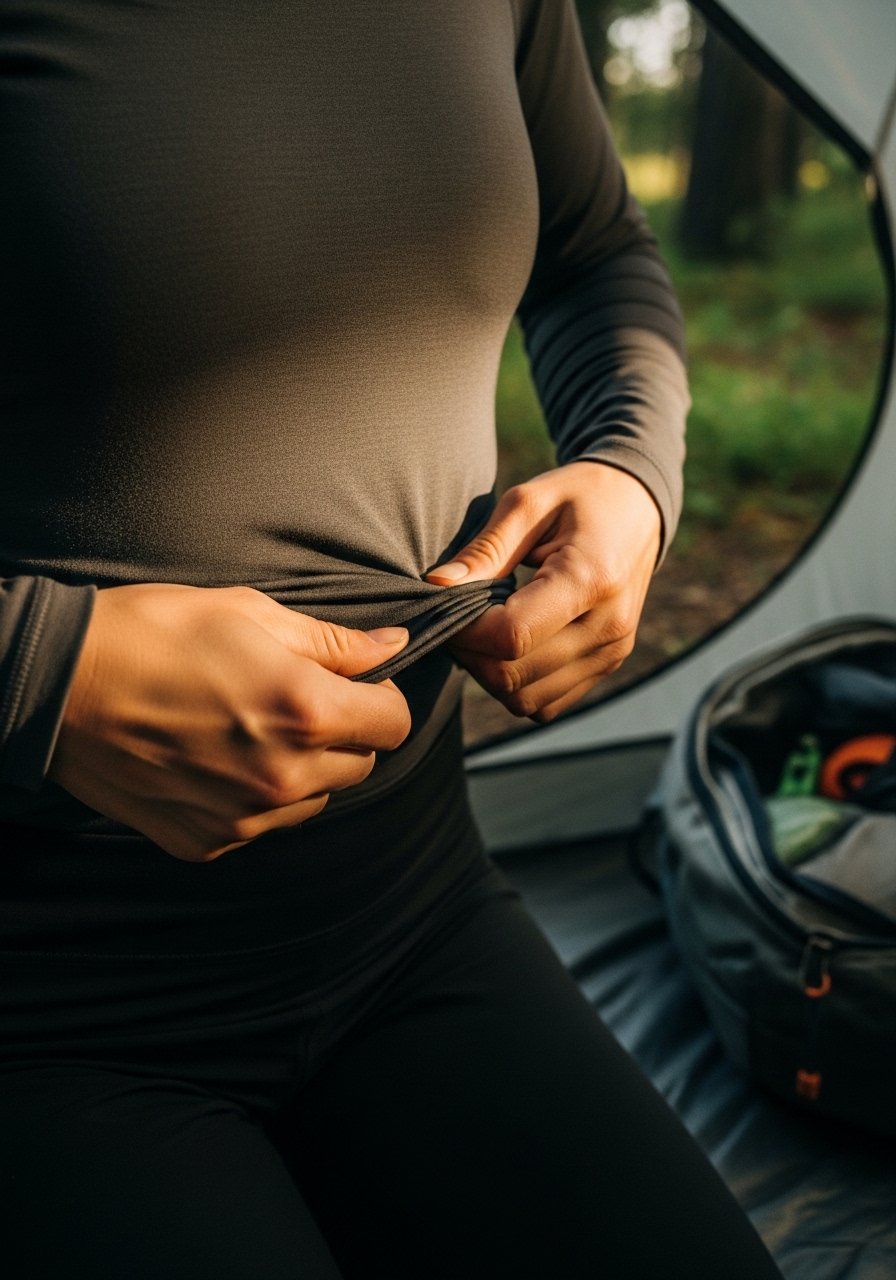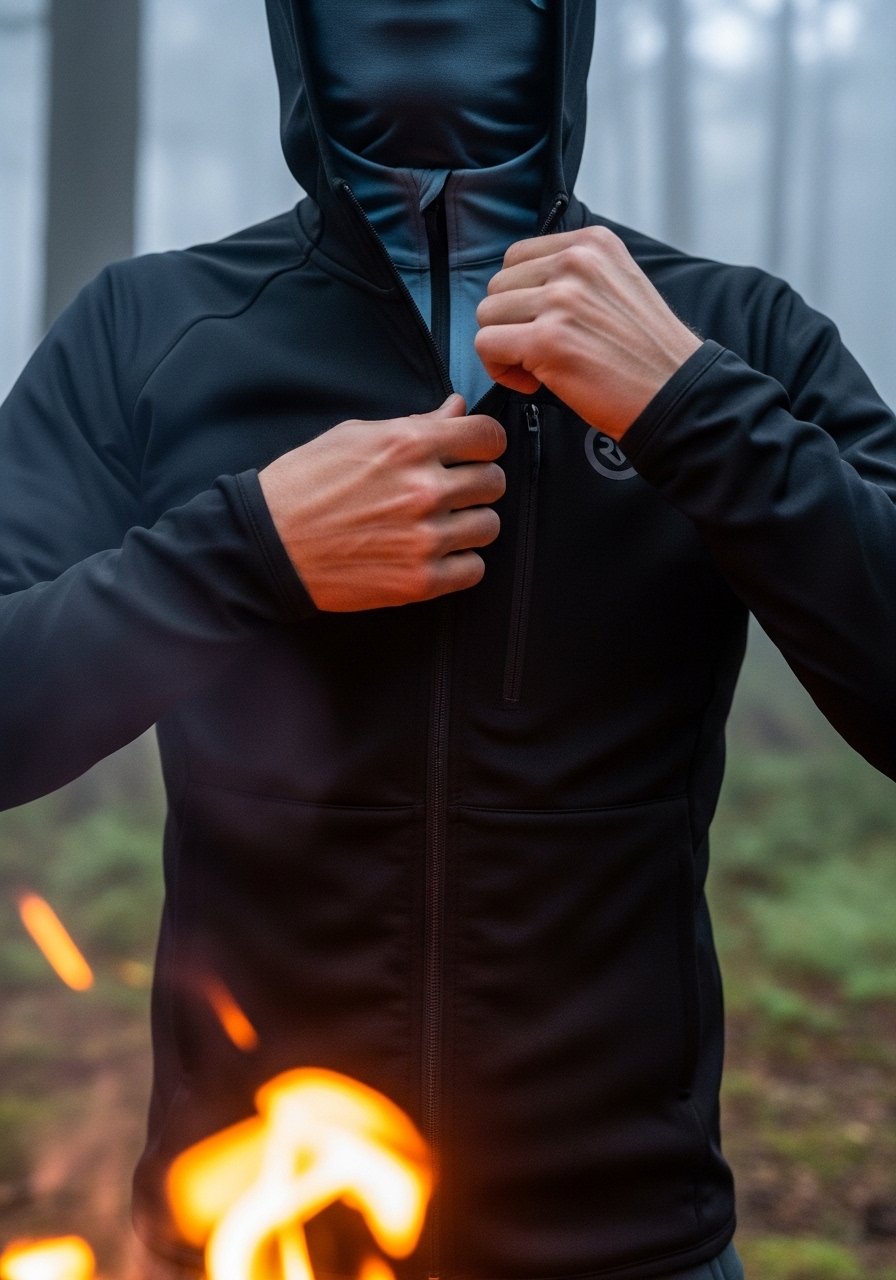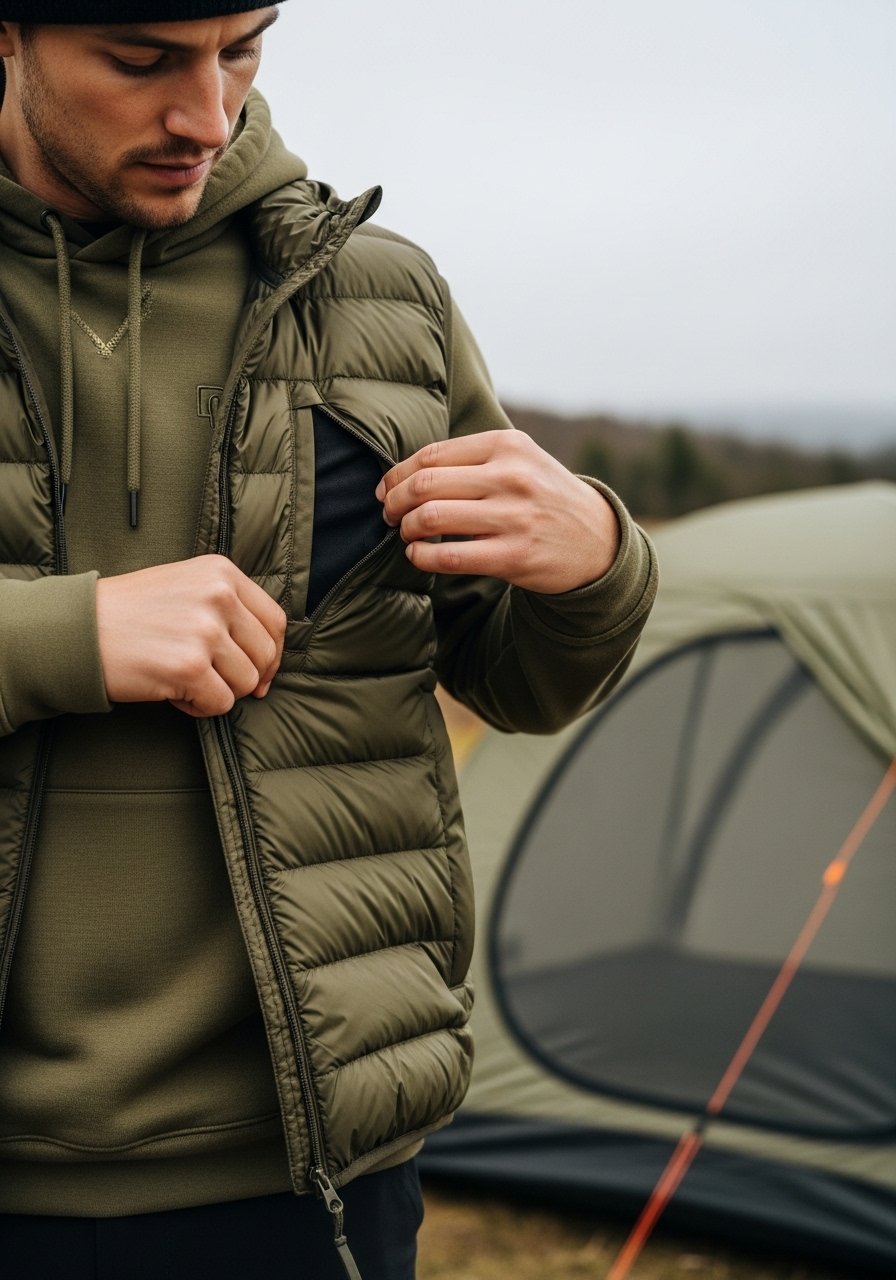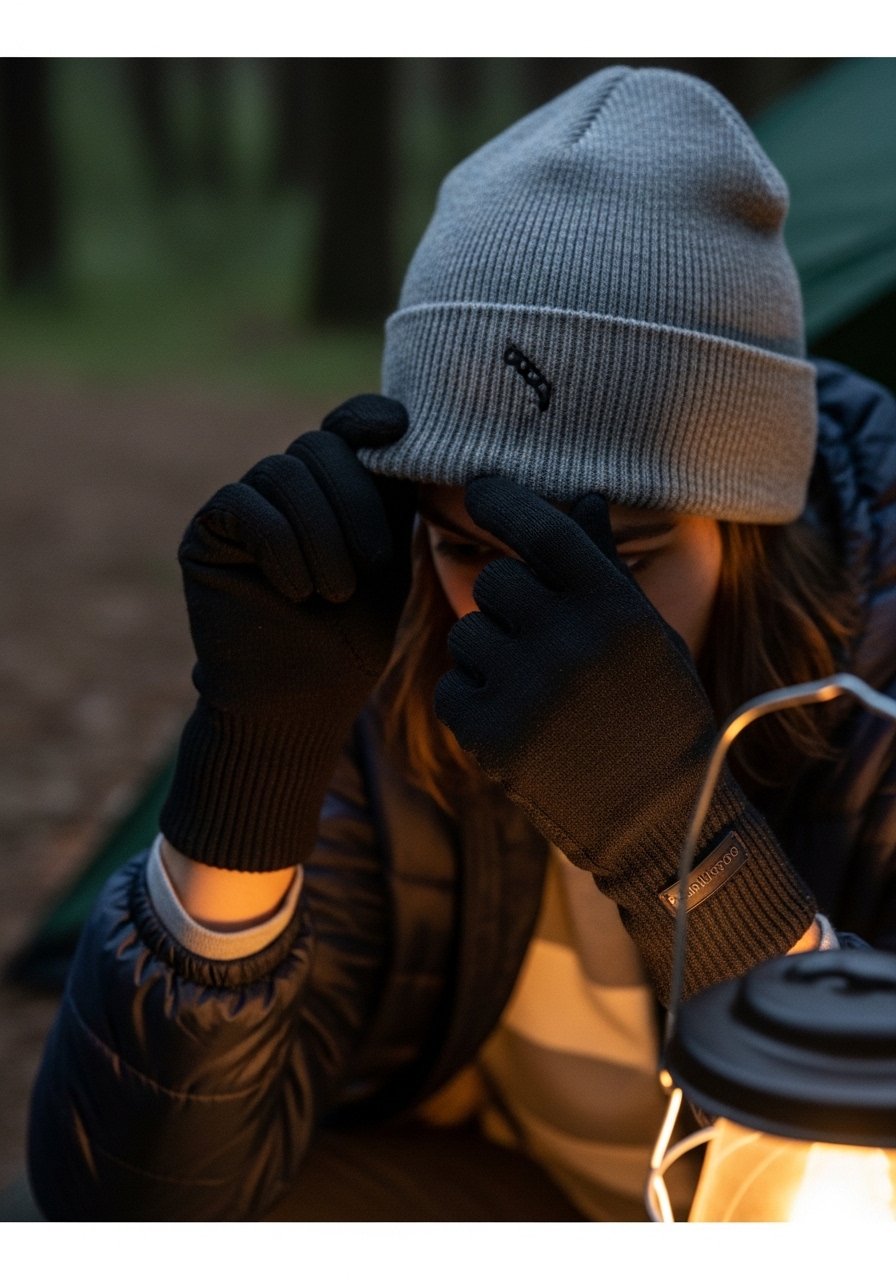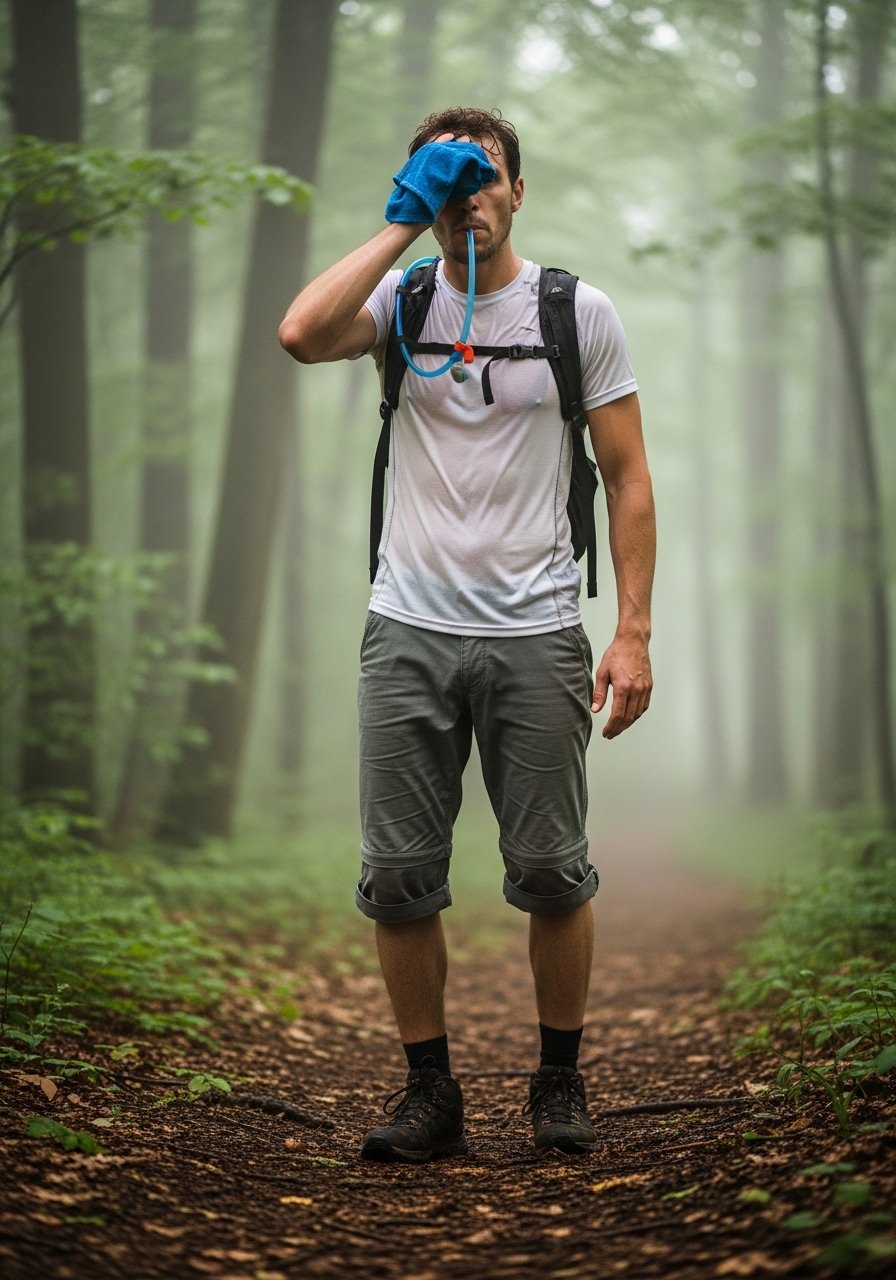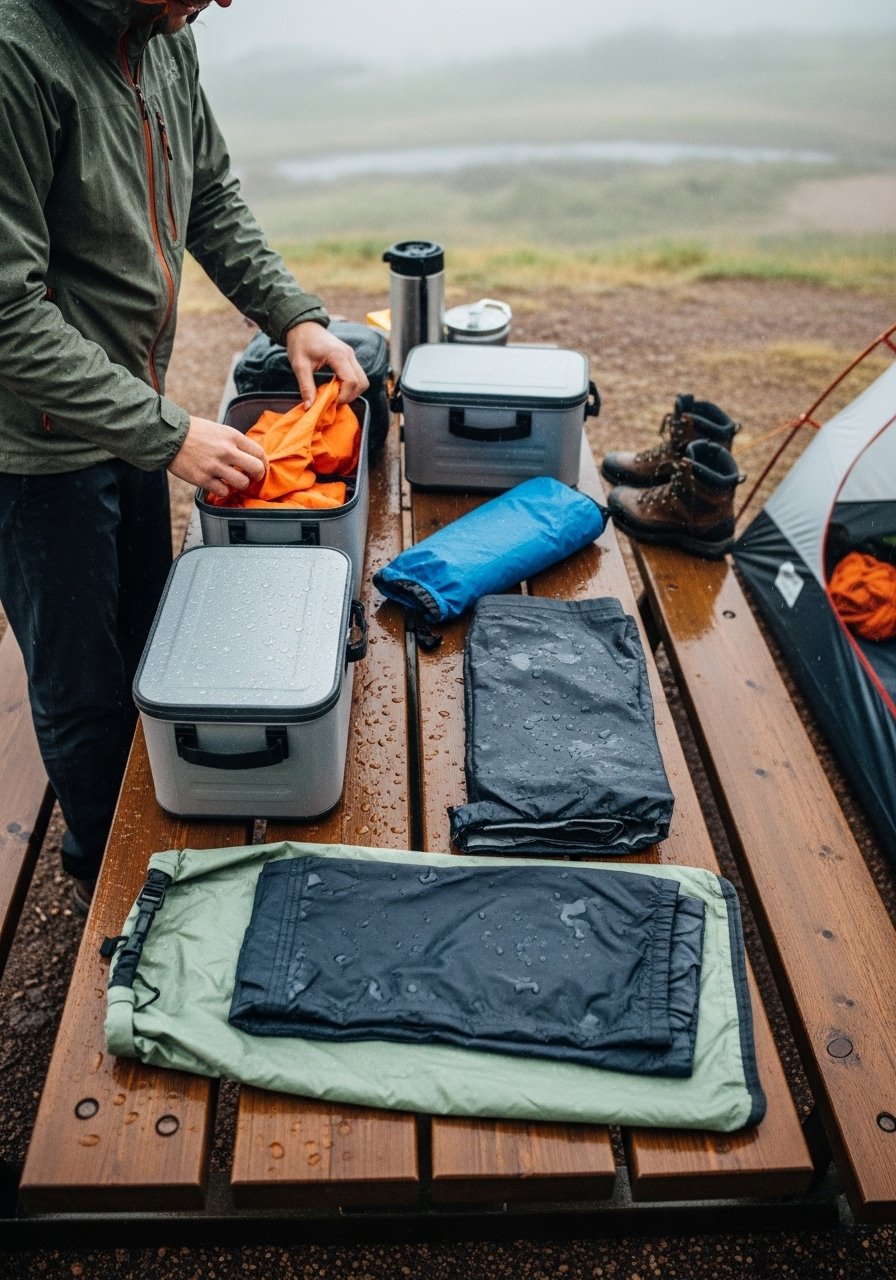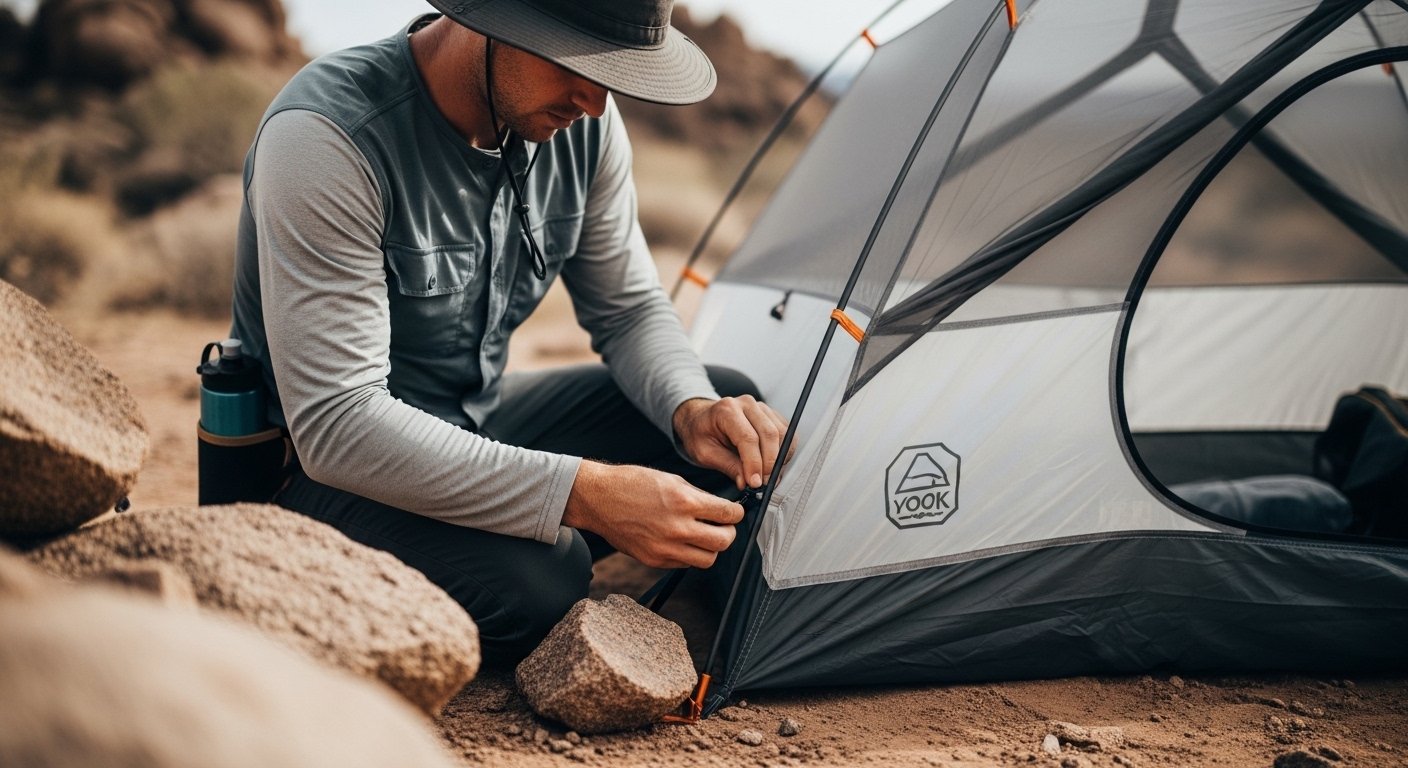
Sweat poured down my back that first hot night in Joshua Tree. My old cotton shirt clung like a wet rag.
I rummaged through my pack at dawn, swearing off heavy fabrics forever.
These outfits changed everything—kept me moving without chafing or overheating.
You can layer them right, feel the difference.
15 Summer Camping Outfits For Hot Weather
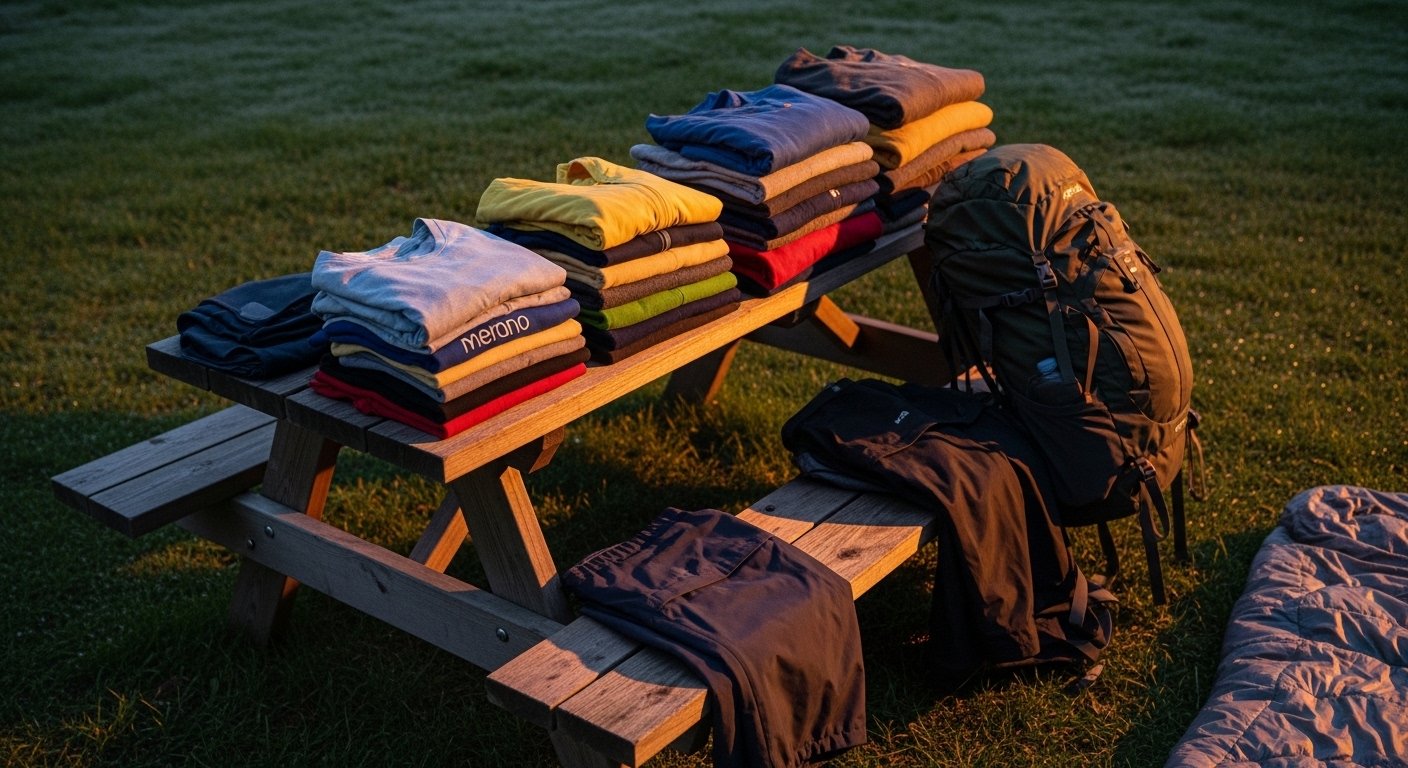
Here are 15 summer camping outfits for hot weather that actually worked on my sweaty trips. They're simple mixes I tested site after site. No guesswork—you'll stay cool, protected, and ready to hike or cook. Let's get into them.
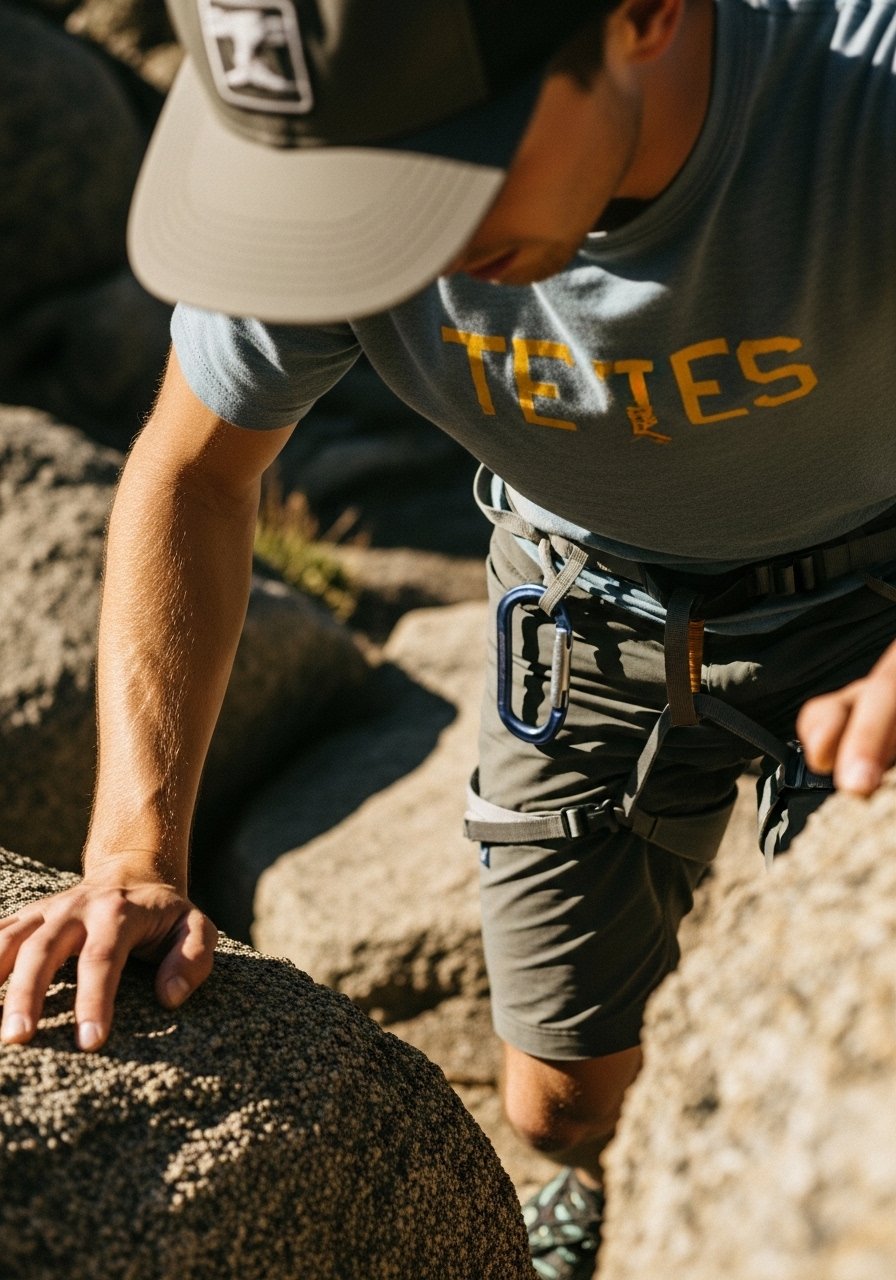
1. Ultralight Tee and Quick-Dry Shorts for Morning Tent Breakdowns
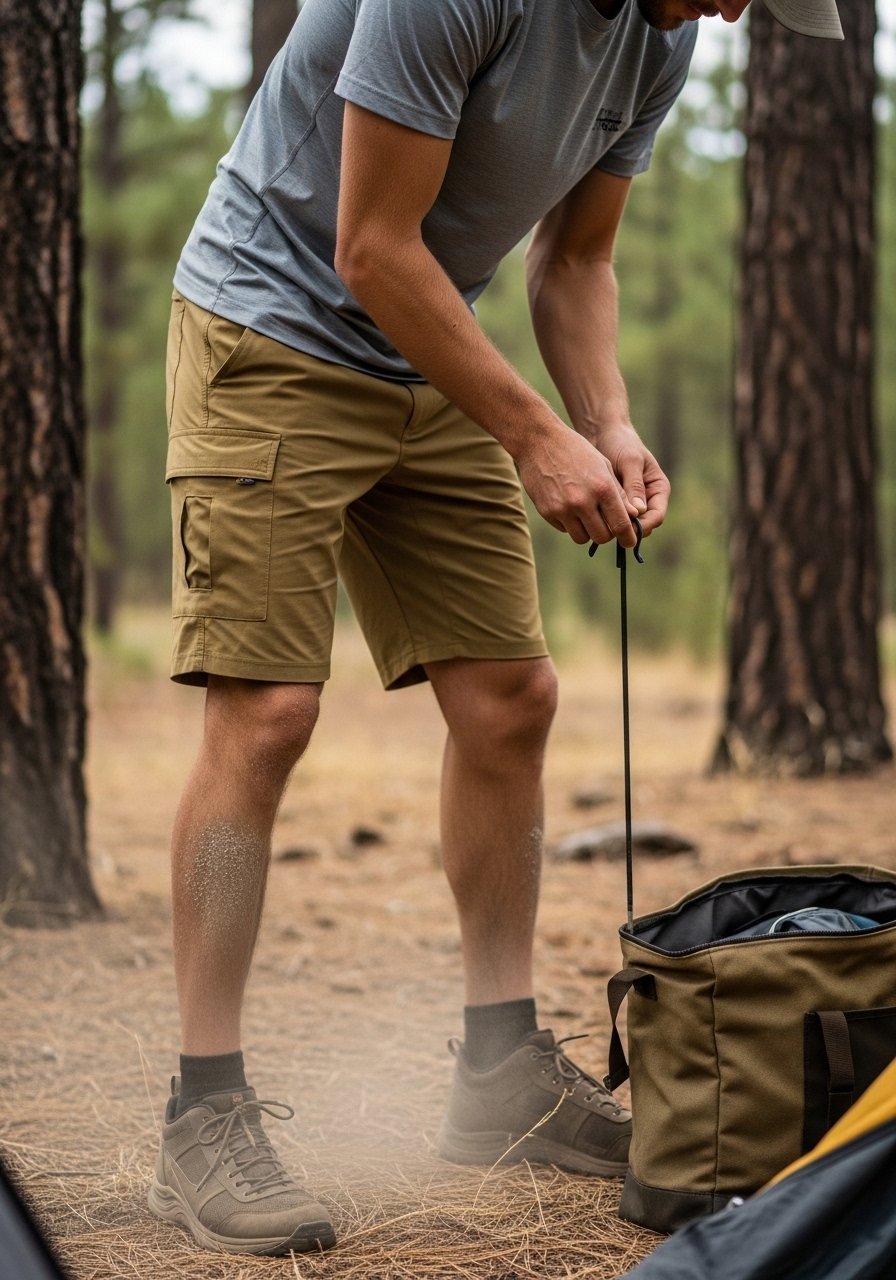
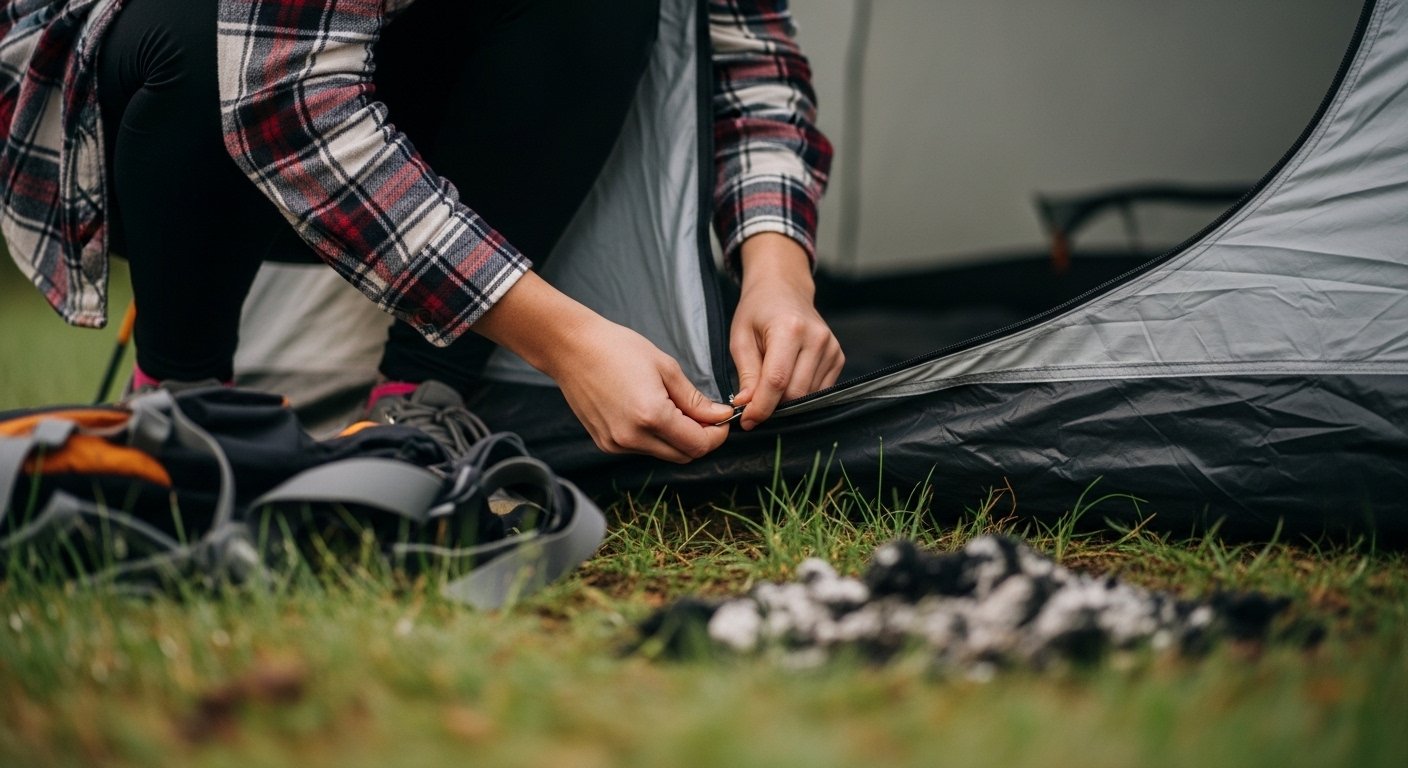
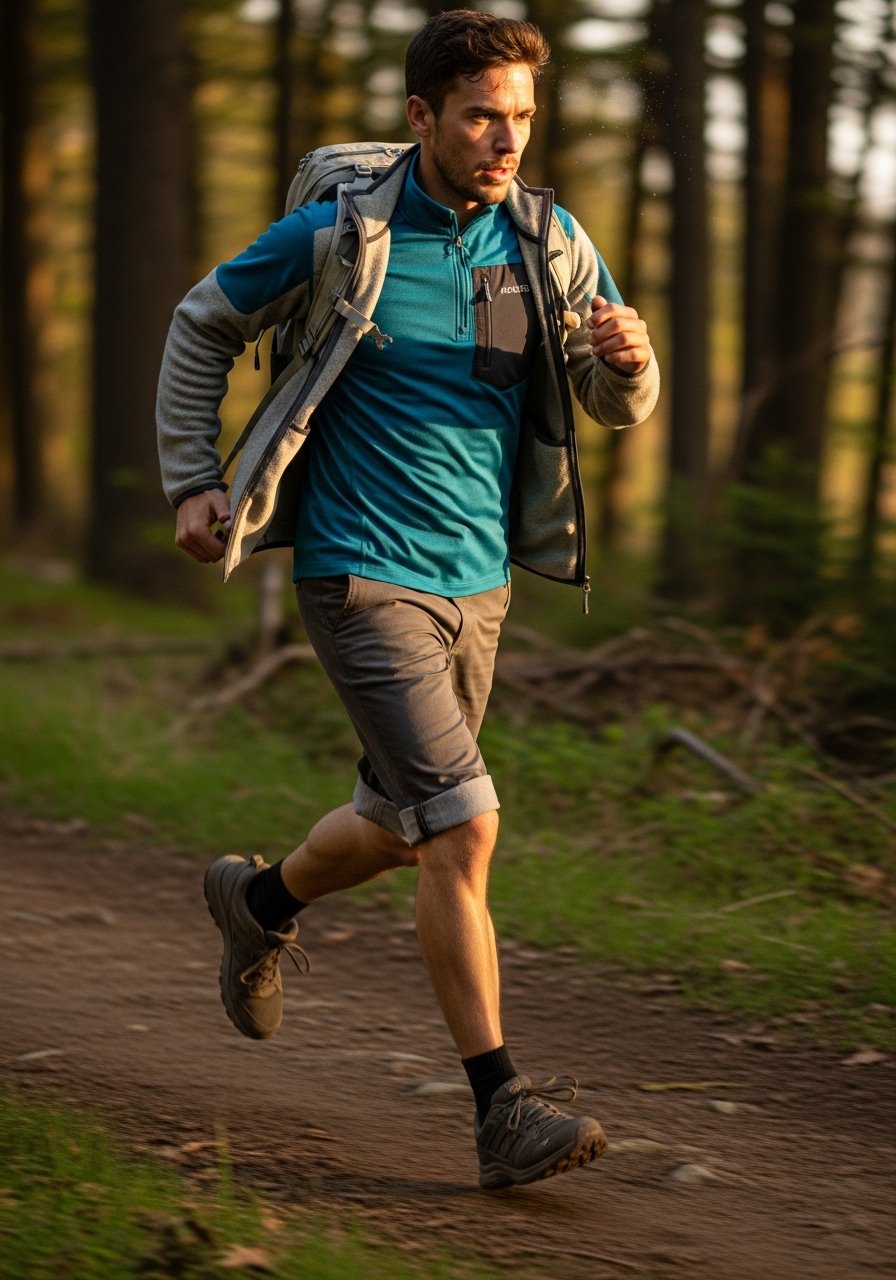
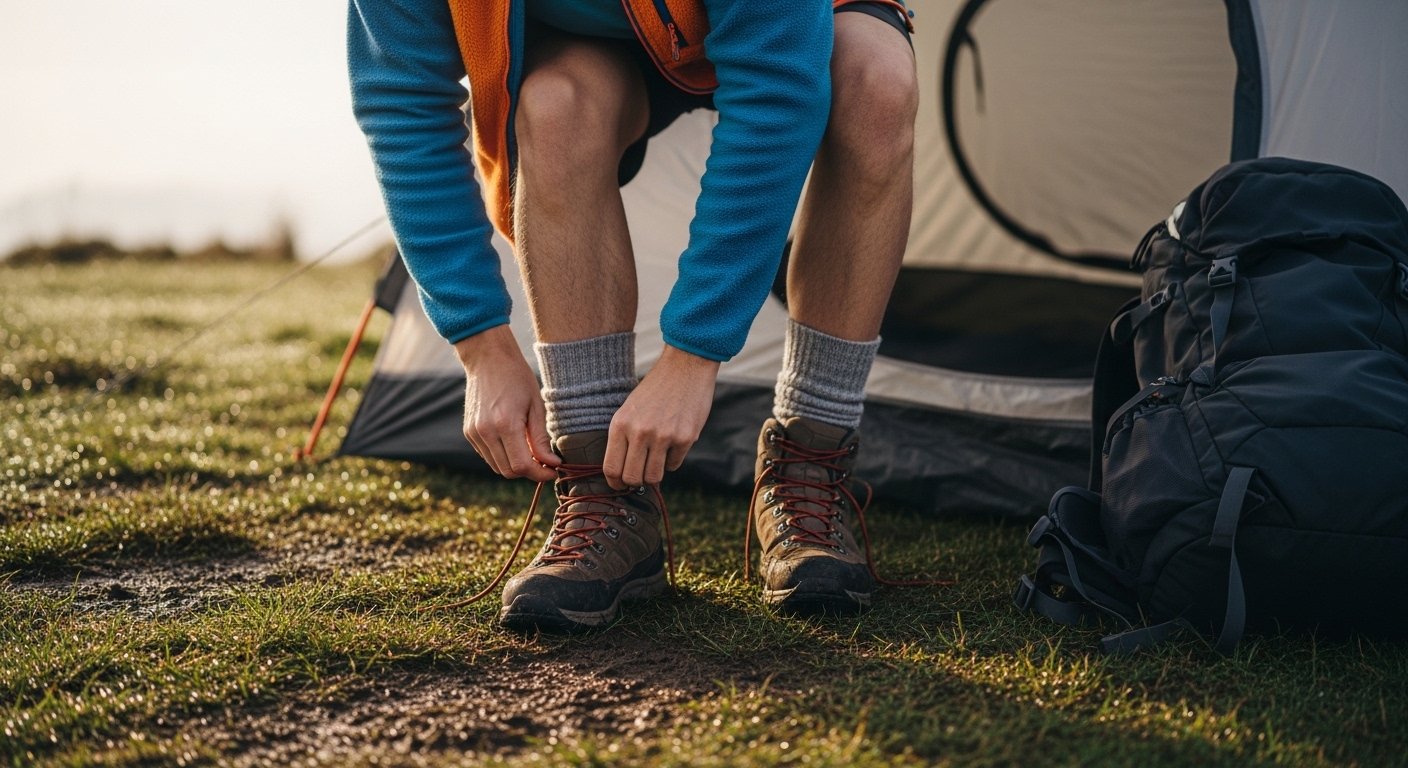
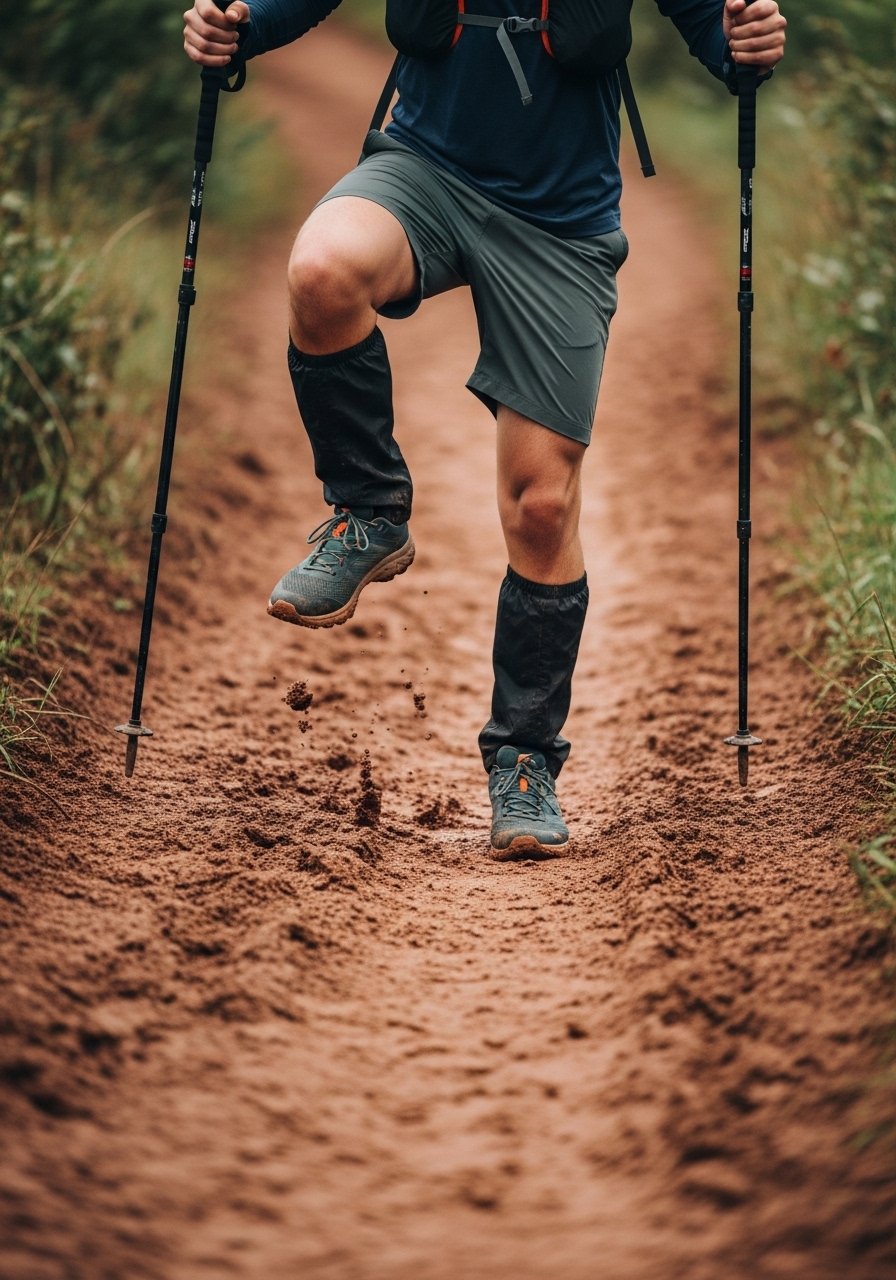
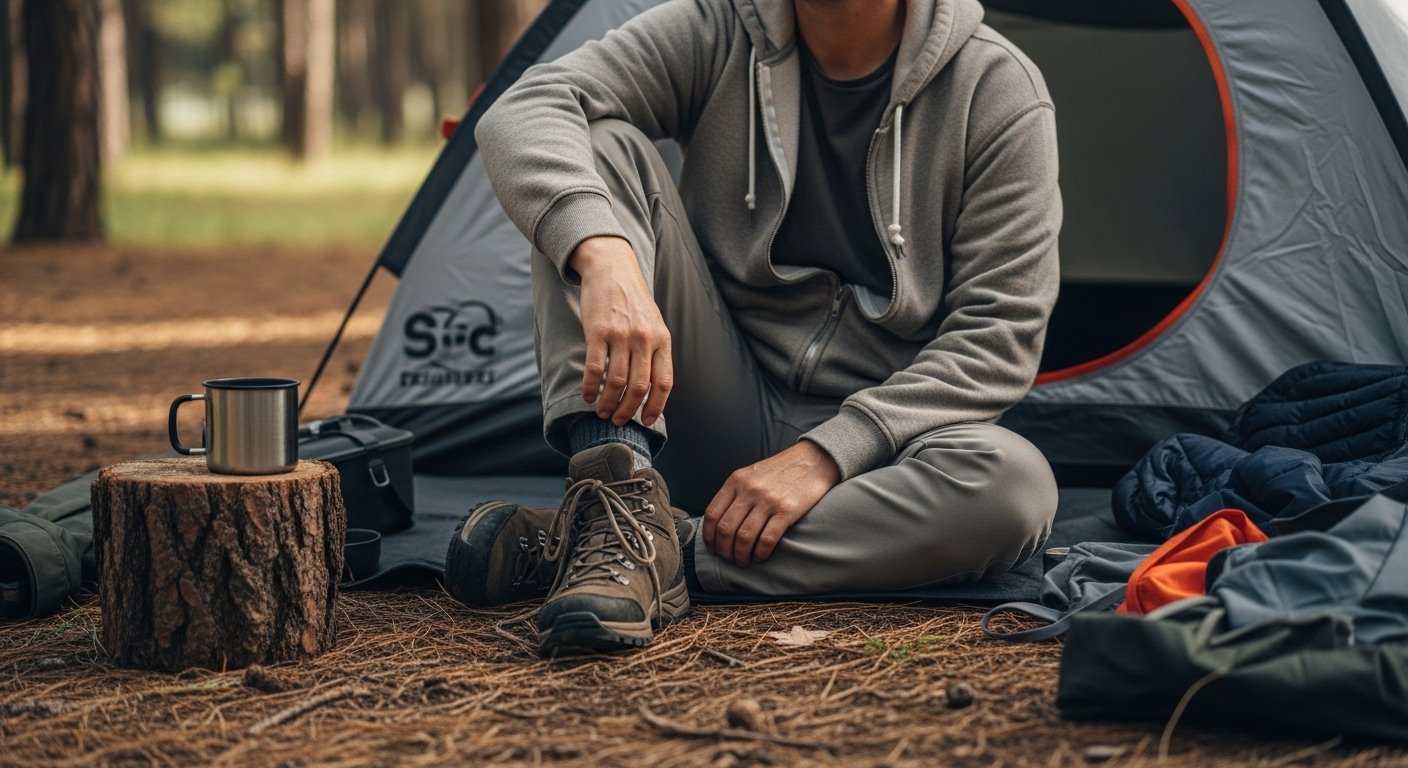
I broke camp at 7 a.m. in Big Bend, sun already blasting. My ultralight moisture-wicking tee let air flow while the quick-dry hiking shorts wicked sweat fast—no soggy hems dragging in dirt.
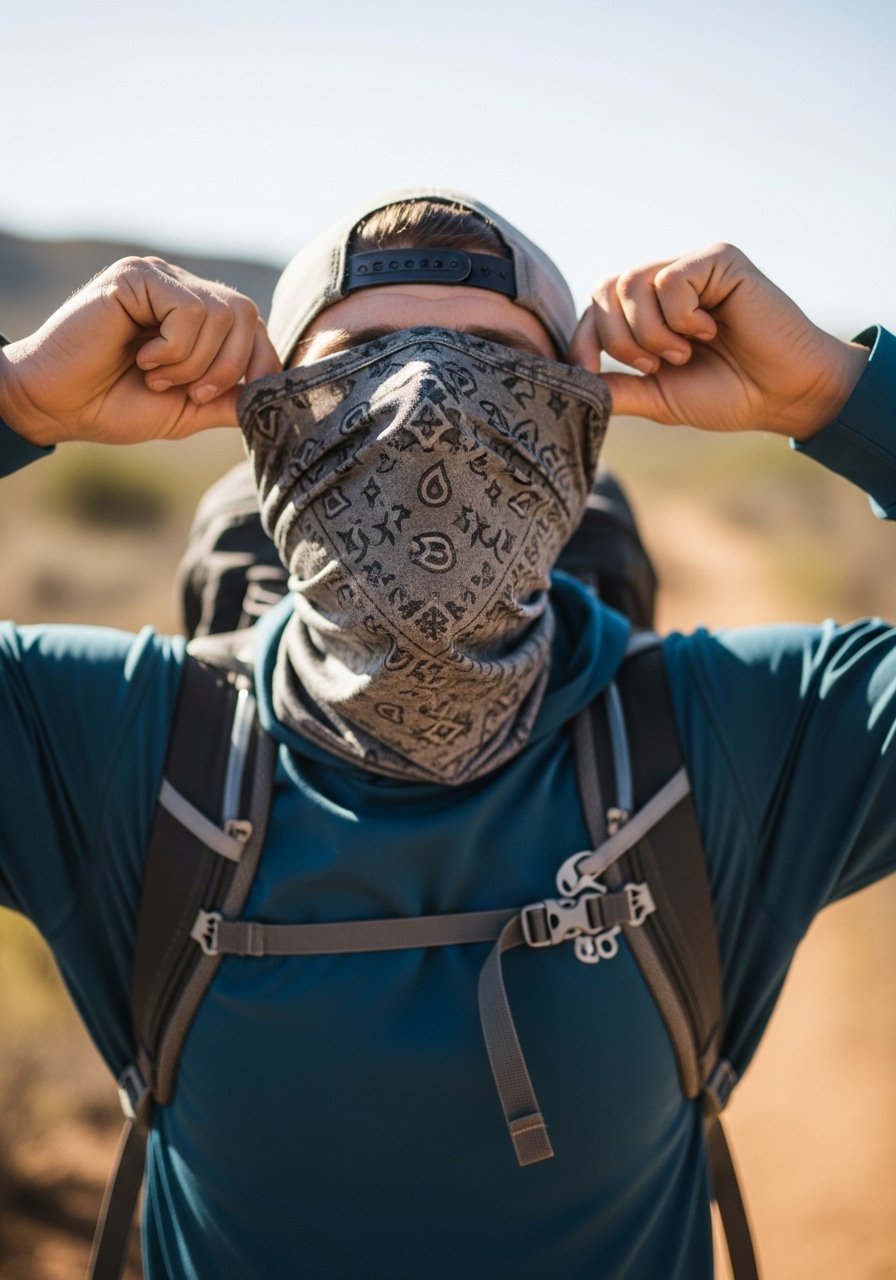
Forgot bug spray once; thighs itched all day. Lesson learned: tuck in a bandana.
Felt light, like I could run if needed. Hiked 5 miles after without freshening up.
Pockets held keys, phone, lip balm—no fumbling.
What You’ll Need for This Trip
Ultralight moisture-wicking tee, short sleeve
Quick-dry hiking shorts, 7-inch inseam
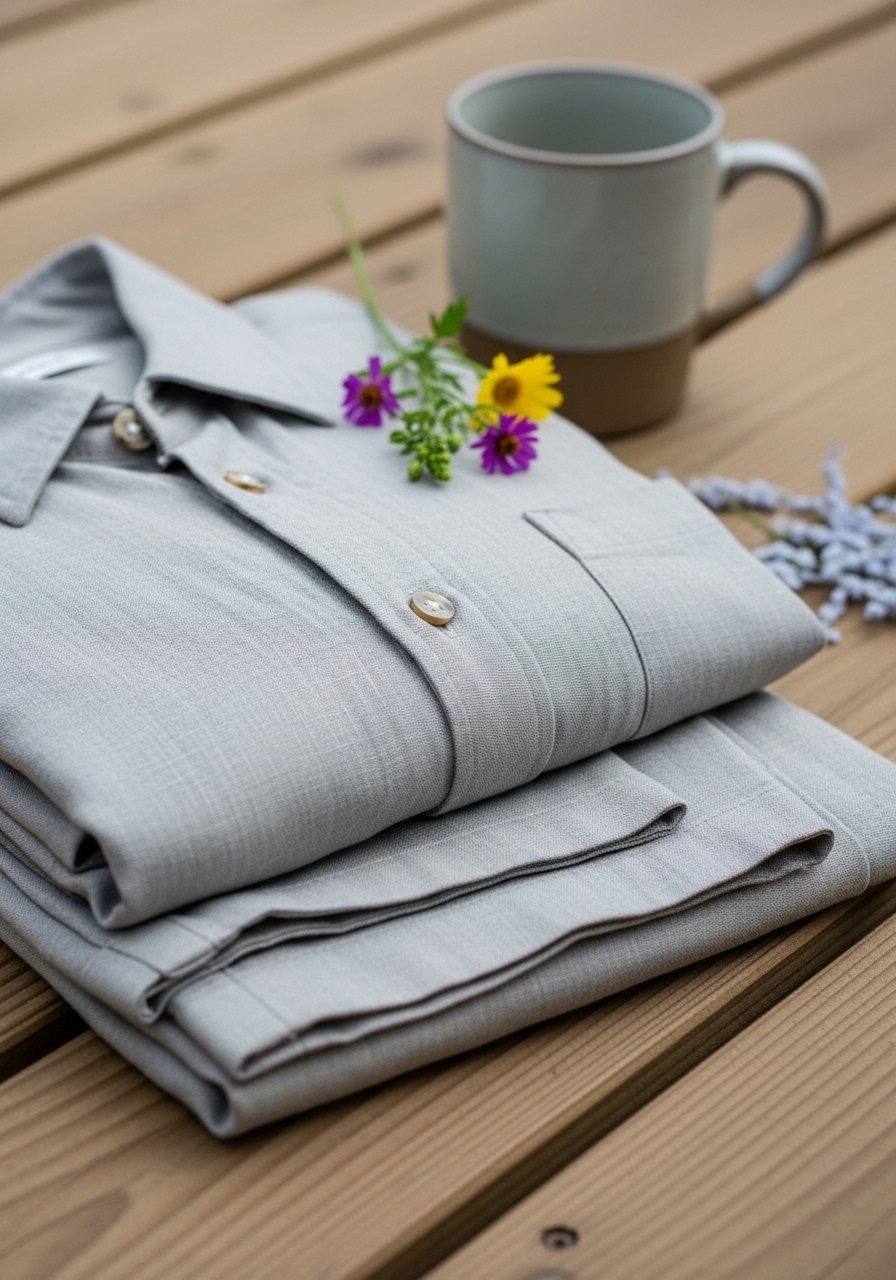
2. Linen Shirt and Lighter-Than-Air Pants for Midday Shade Naps
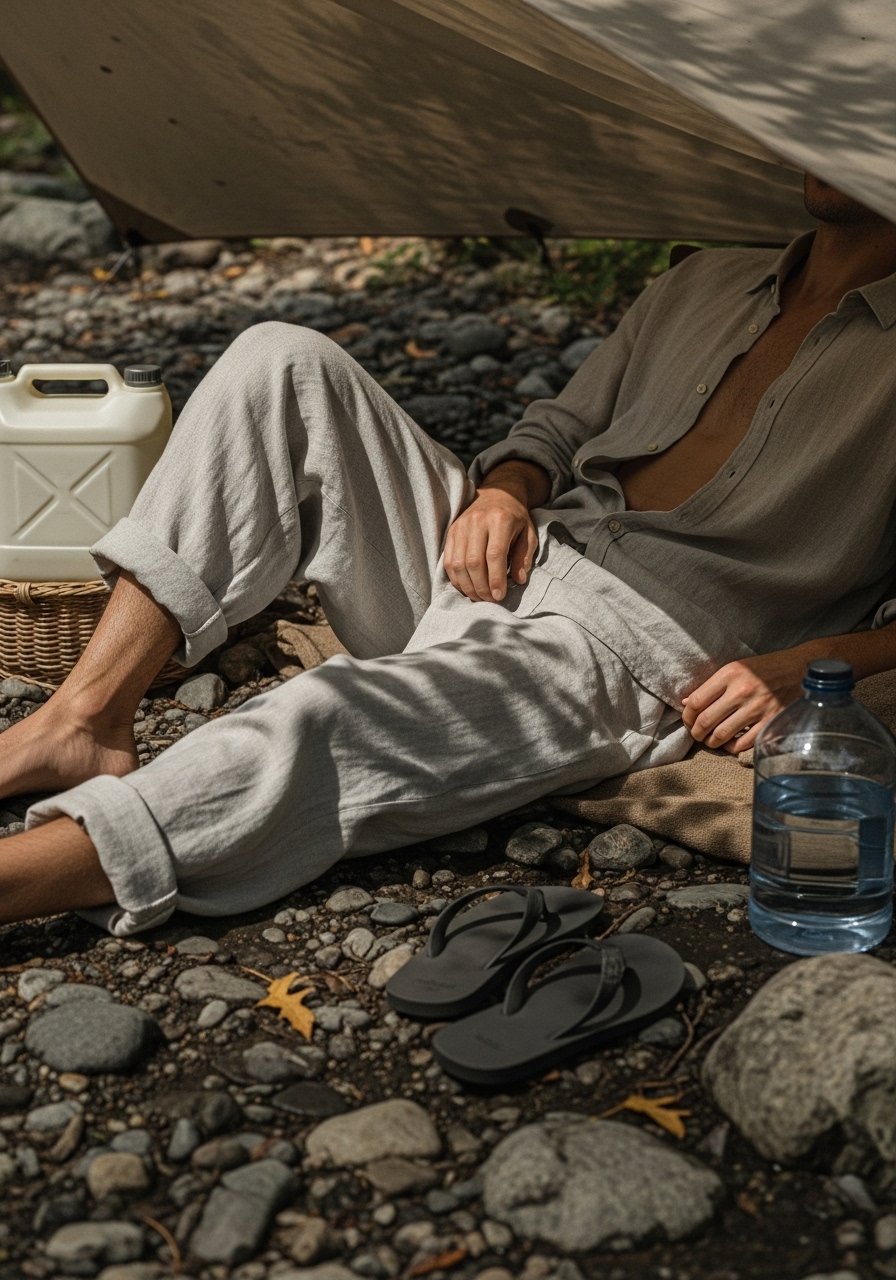
Zion's heat hit 105°F; I hid in shade, linen shirt billowing like a sail. Paired with lightweight linen pants, they dried in minutes after a splash.
Overpacked socks once—feet boiled. Ditched them for camp sandals.
Woke refreshed, no sticky skin. Perfect for reading or whittling.
Breathable weave blocked light sun without trapping heat.
What You’ll Need for This Trip
Breathable linen button-up shirt, relaxed fit
Lightweight linen pants, ankle length
Camp sandals, adjustable straps
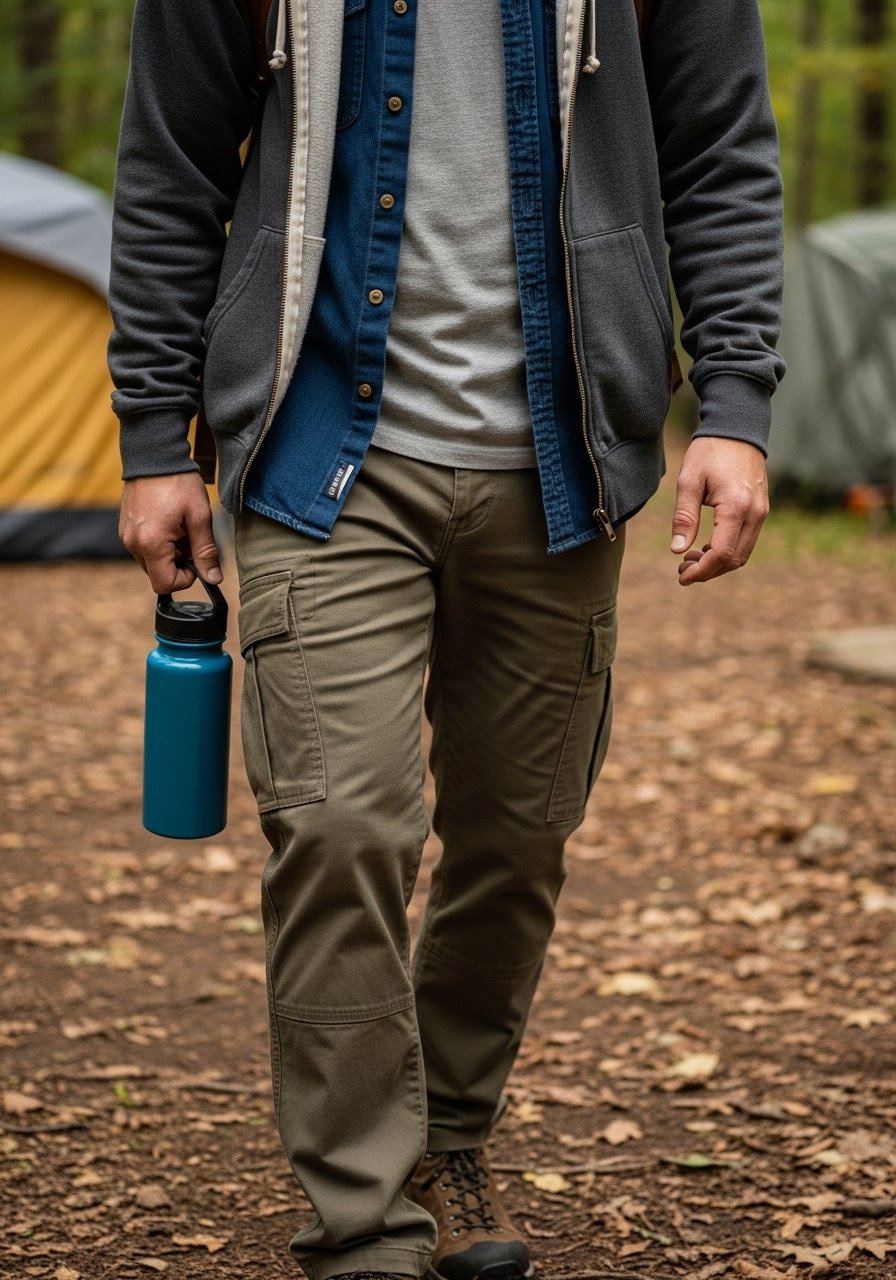
3. Long-Sleeve Sun Shirt and Convertible Zip-Off Pants for Buggy Trails
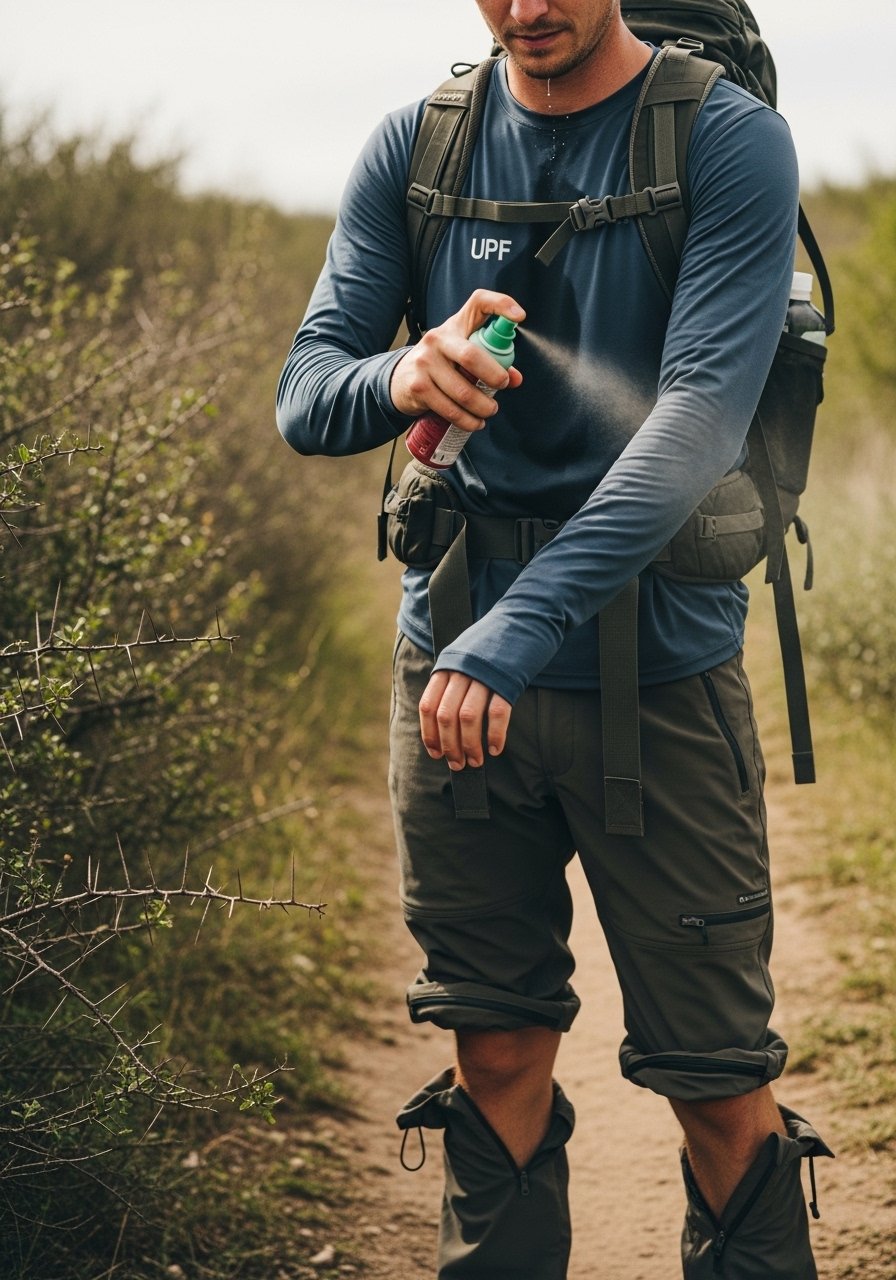
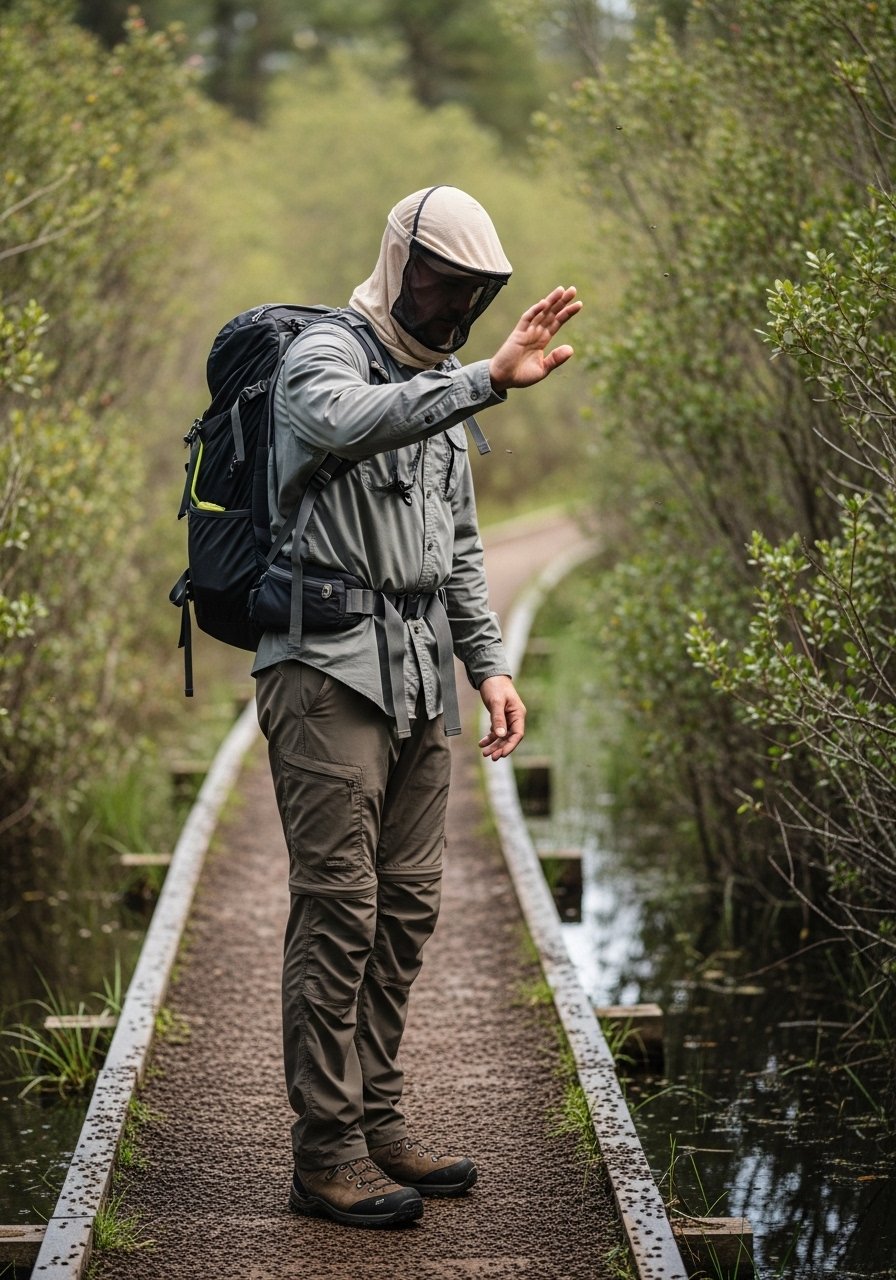
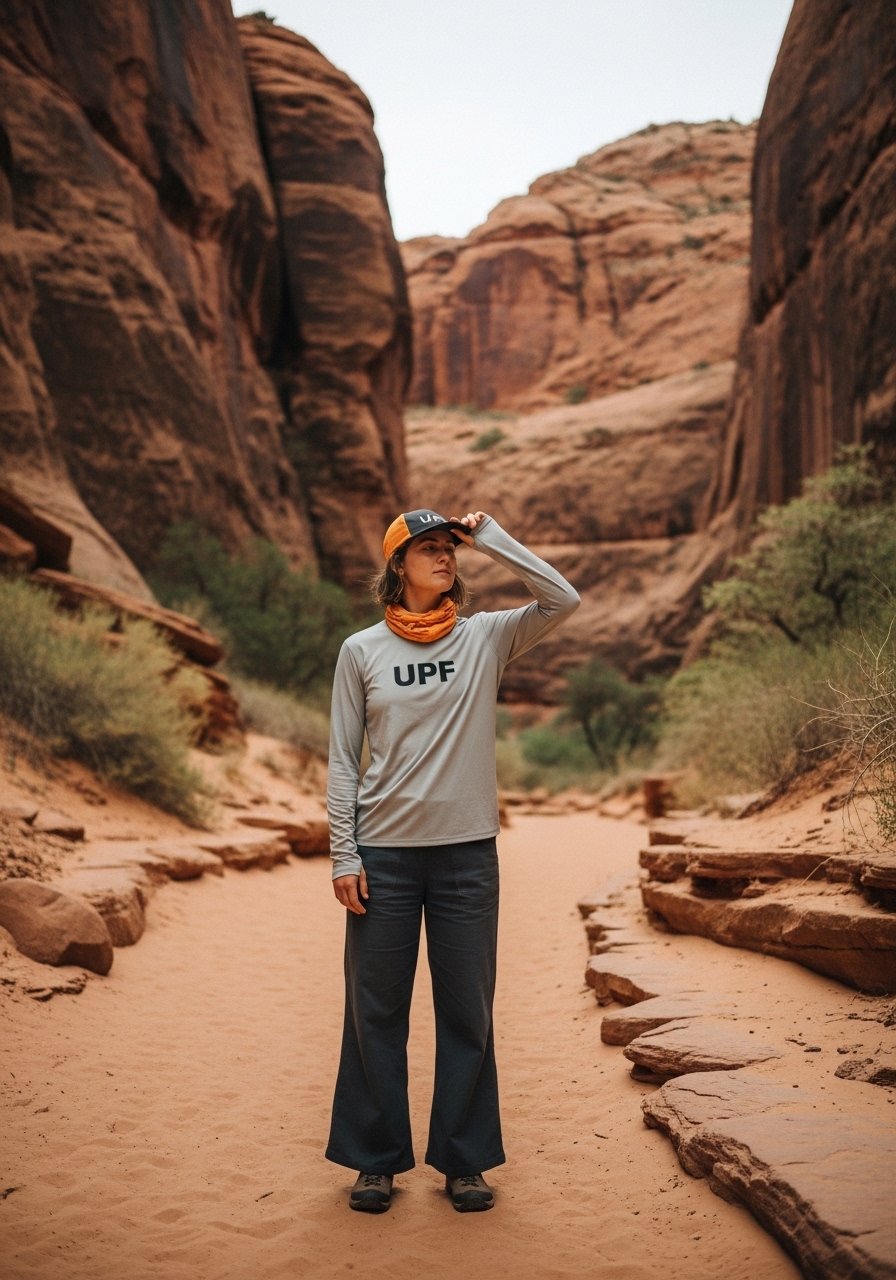
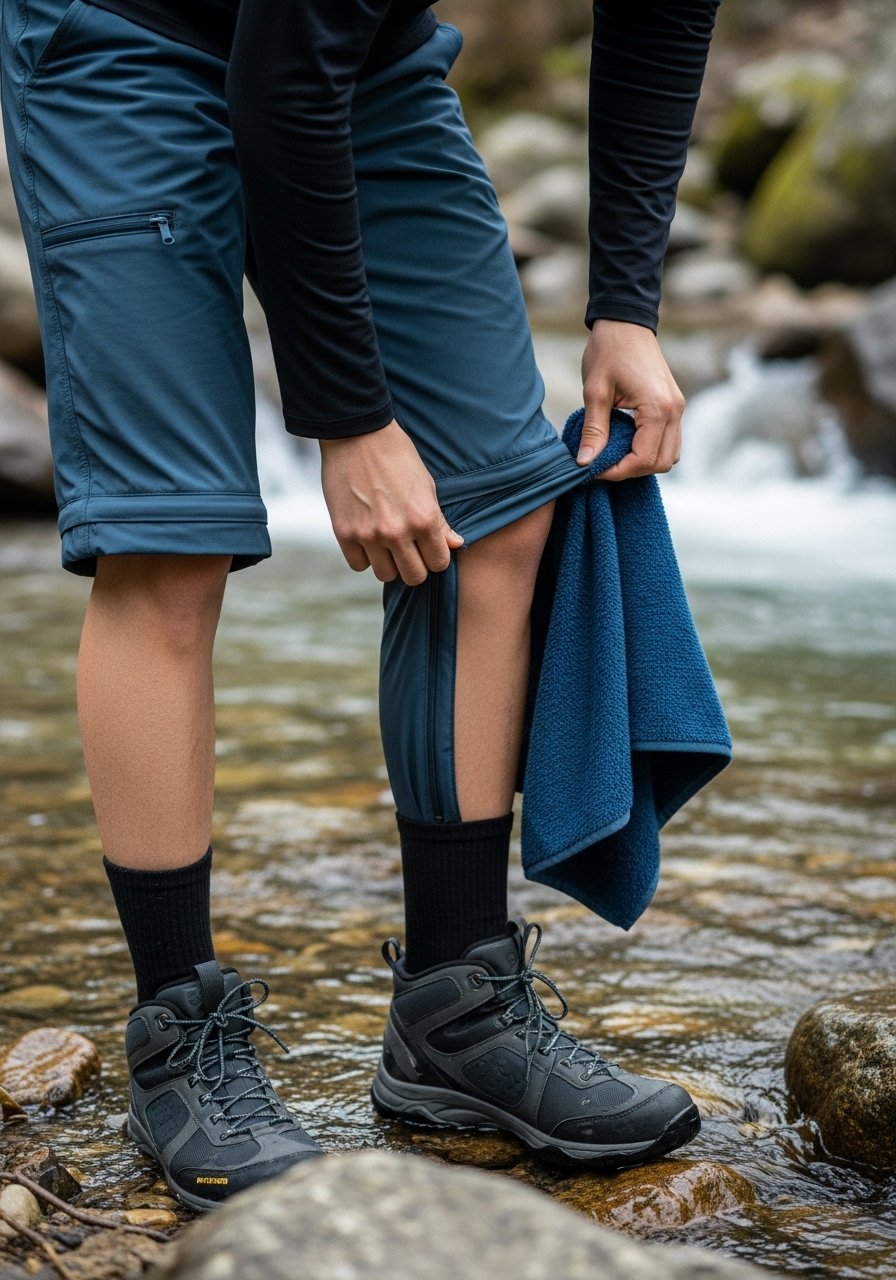
Yosemite bugs swarmed at dusk; my UPF 50 long-sleeve sun shirt covered arms without sweat buildup. Convertible hiking pants shortened to shorts instantly.
Zipped too high once—tripped on root. Adjust low.
Trails felt safer, skin intact. Ventilated back kept core cool.
Hiked till dark, no burns.
What You’ll Need for This Trip
UPF 50 long-sleeve sun shirt, thumb loops
Convertible zip-off hiking pants, quick-dry
Bug repellent wipes, DEET-free
4. Tank Top and Flowy Skort for Camp Yoga Flows
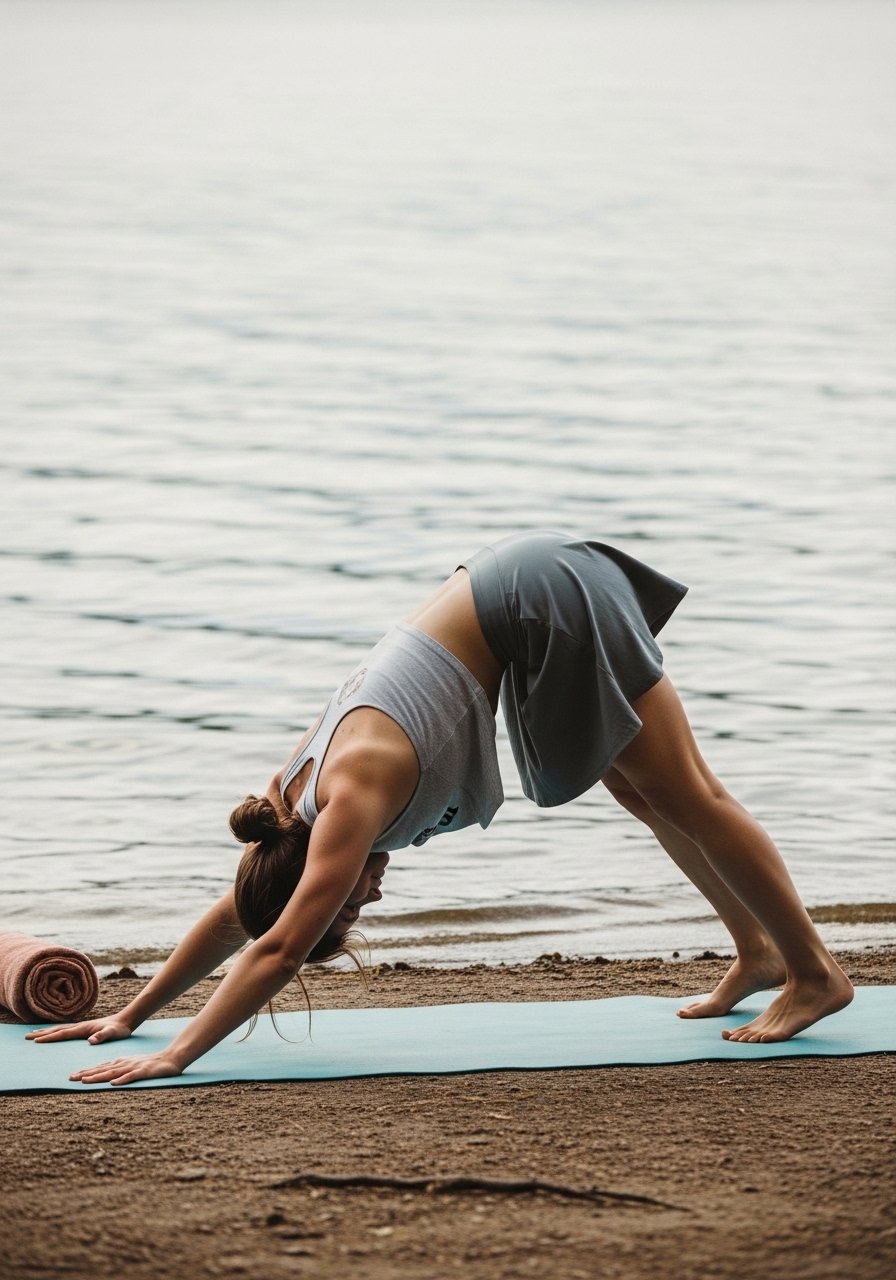
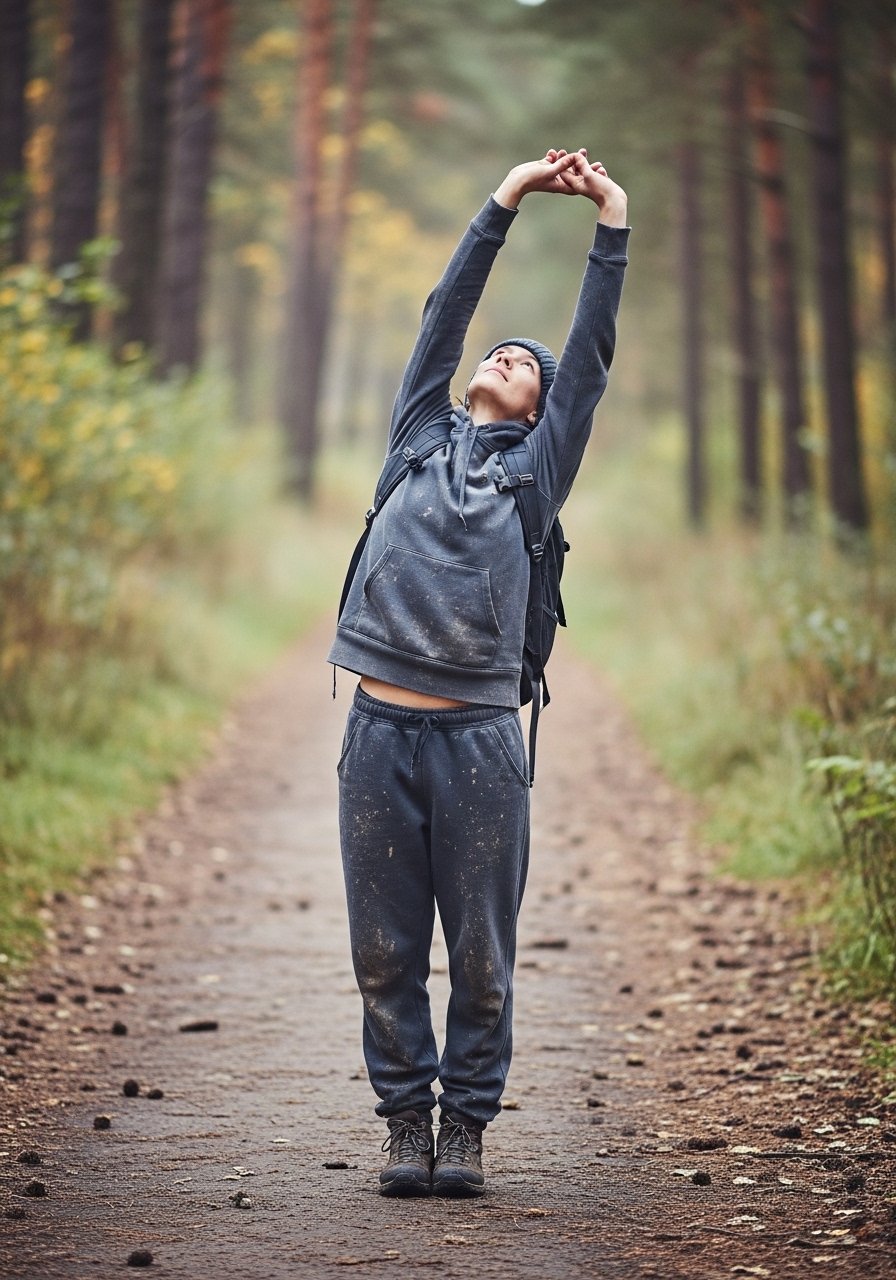
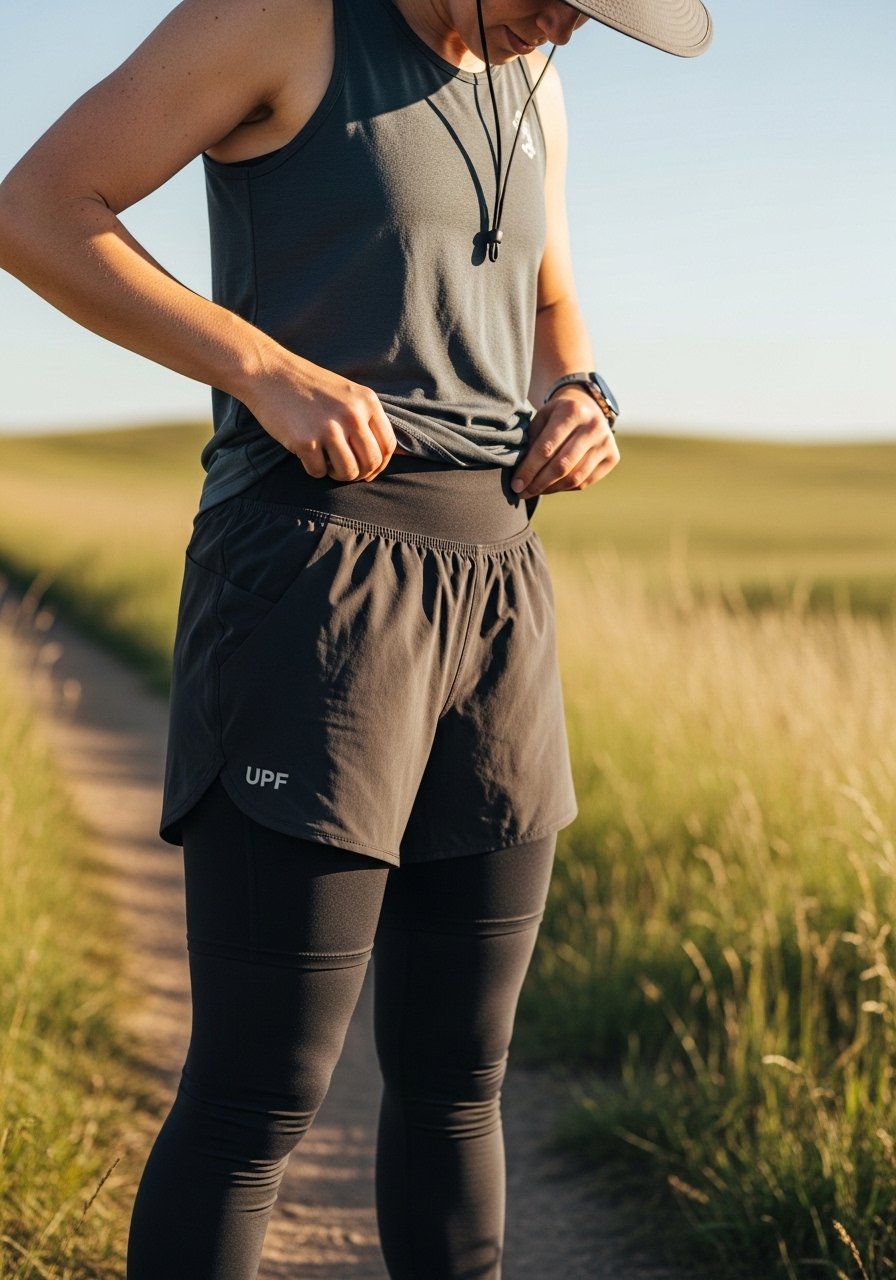
Ozark mornings steamy; racerback tank top stayed put during sun salutes, athletic skort let legs breathe.
Mat slipped on dew—added grip towel next time.
Felt free, stretched deep without chafing.
Energized for the day, no post-yoga swamp.
What You’ll Need for This Trip
Racerback moisture-wicking tank top, medium support
Athletic skort, built-in shorts
5. Bucket Hat, Neck Gaiter, and Tee for Fishing Hole Chills
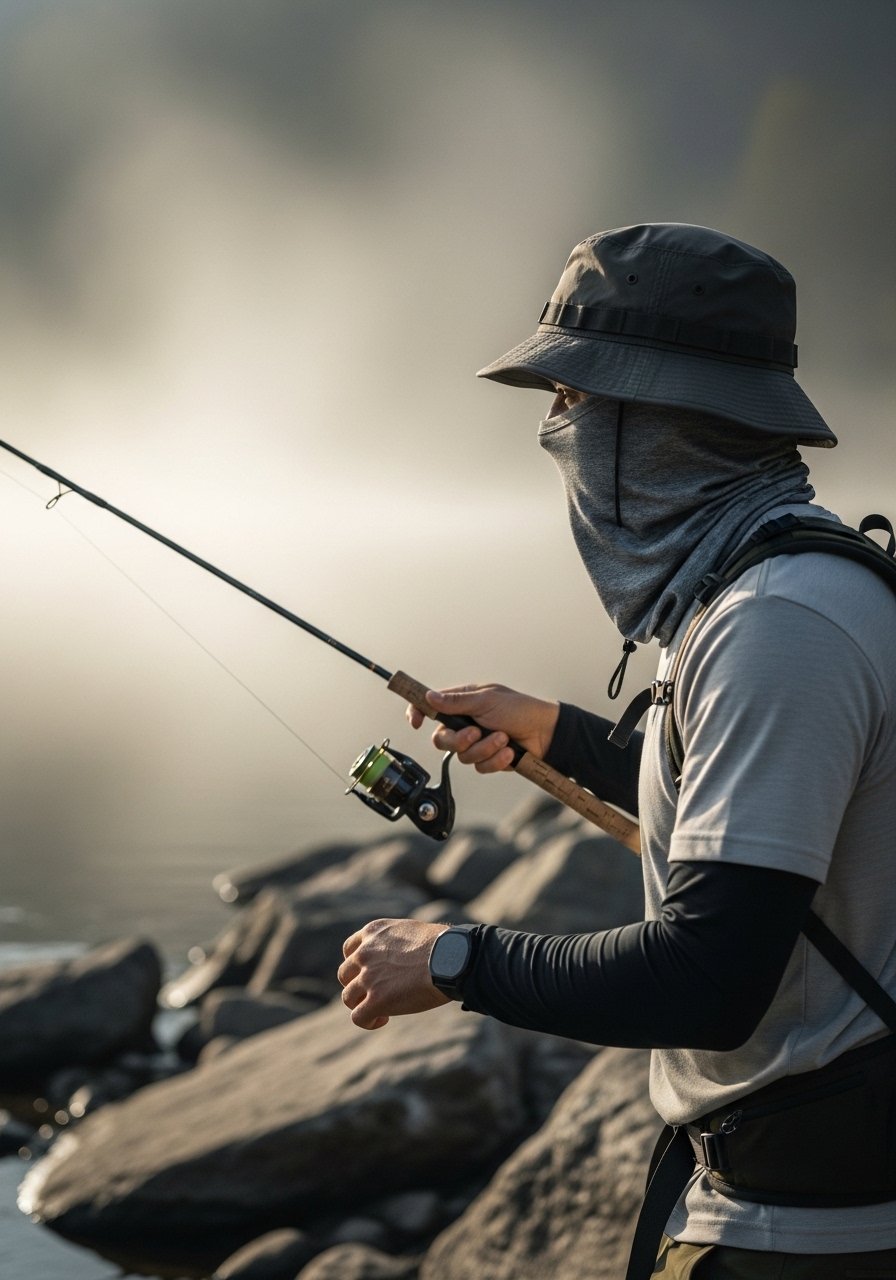
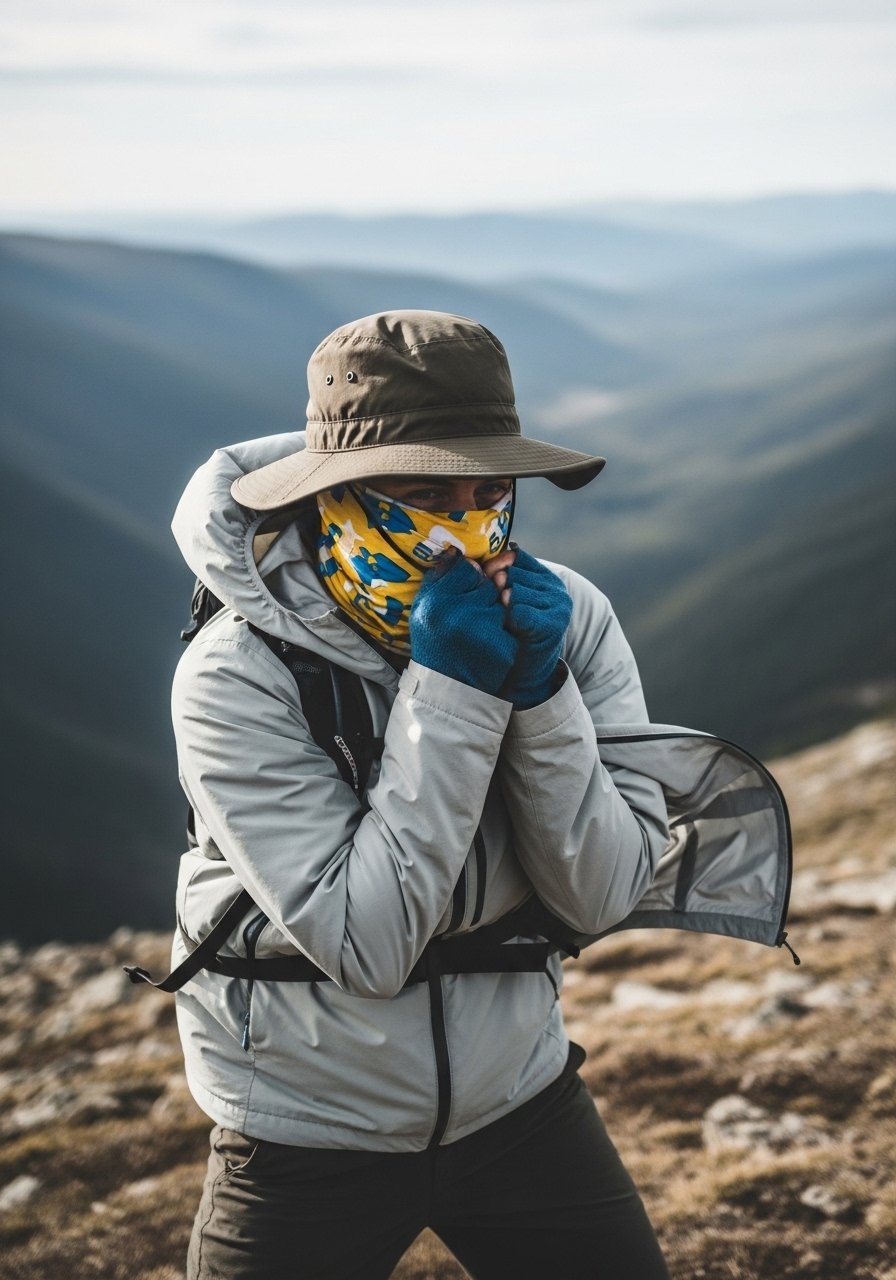
Maine coast fog mixed with heat; packable bucket hat and cooling neck gaiter over a basic tee blocked rays.
Hat blew off in wind—elastic chin strap fixed it.
Fished comfy hours, no pink nose.
Gaiter doubled as hair tie.
What You’ll Need for This Trip
Cooling neck gaiter, multi-use
Lightweight performance tee, V-neck
6. Sports Bra and Bike Shorts for Hot Site Scouting Rides
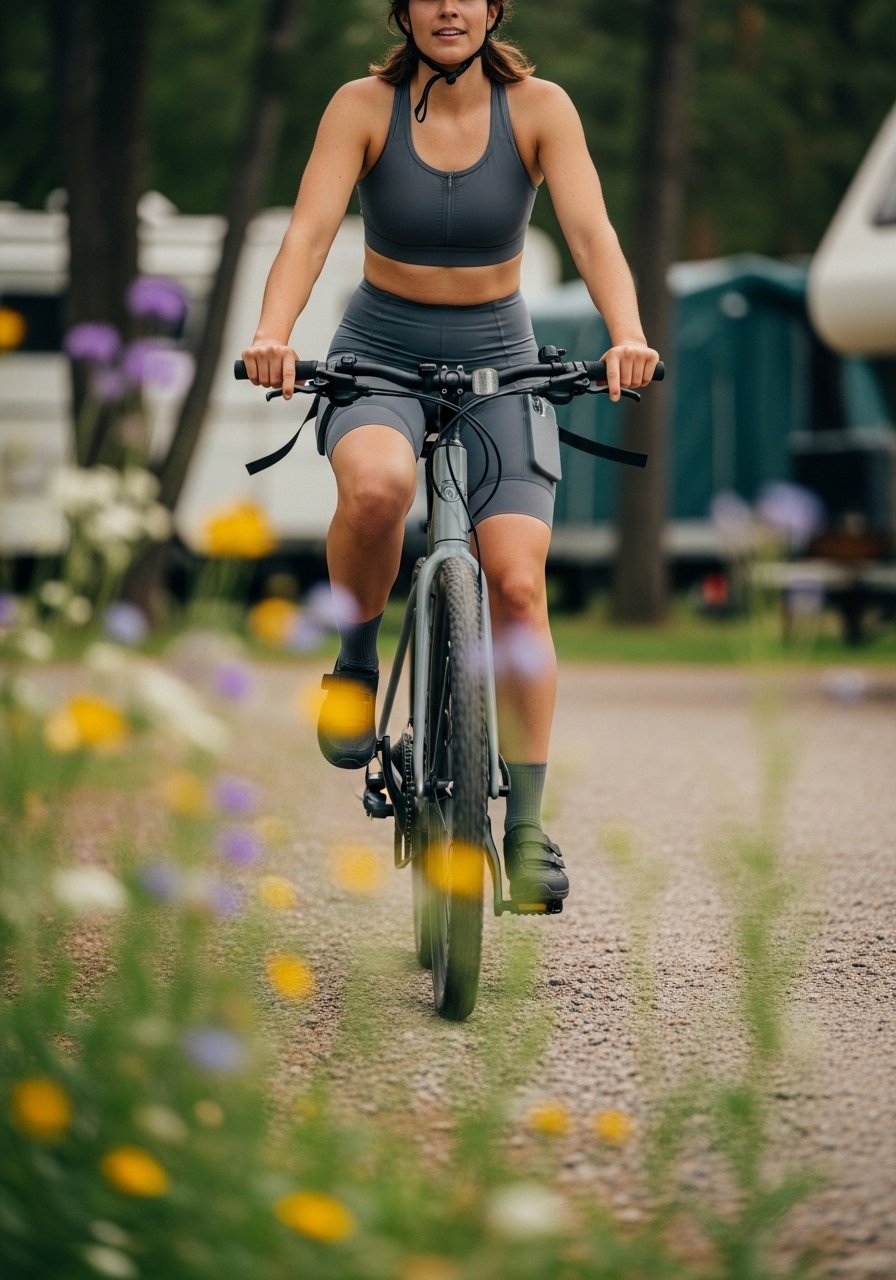
Scouted sites on bike in Utah heat; high-support sports bra and compression bike shorts prevented bounce and rub.
Chain grease stained once—dark colors hide it.
Rode miles, found prime spot.
Stayed dry pedaling back loaded.
What You’ll Need for This Trip
High-support sports bra, moisture-wicking
Compression bike shorts, thigh length
Portable bike seat cover, quick-dry
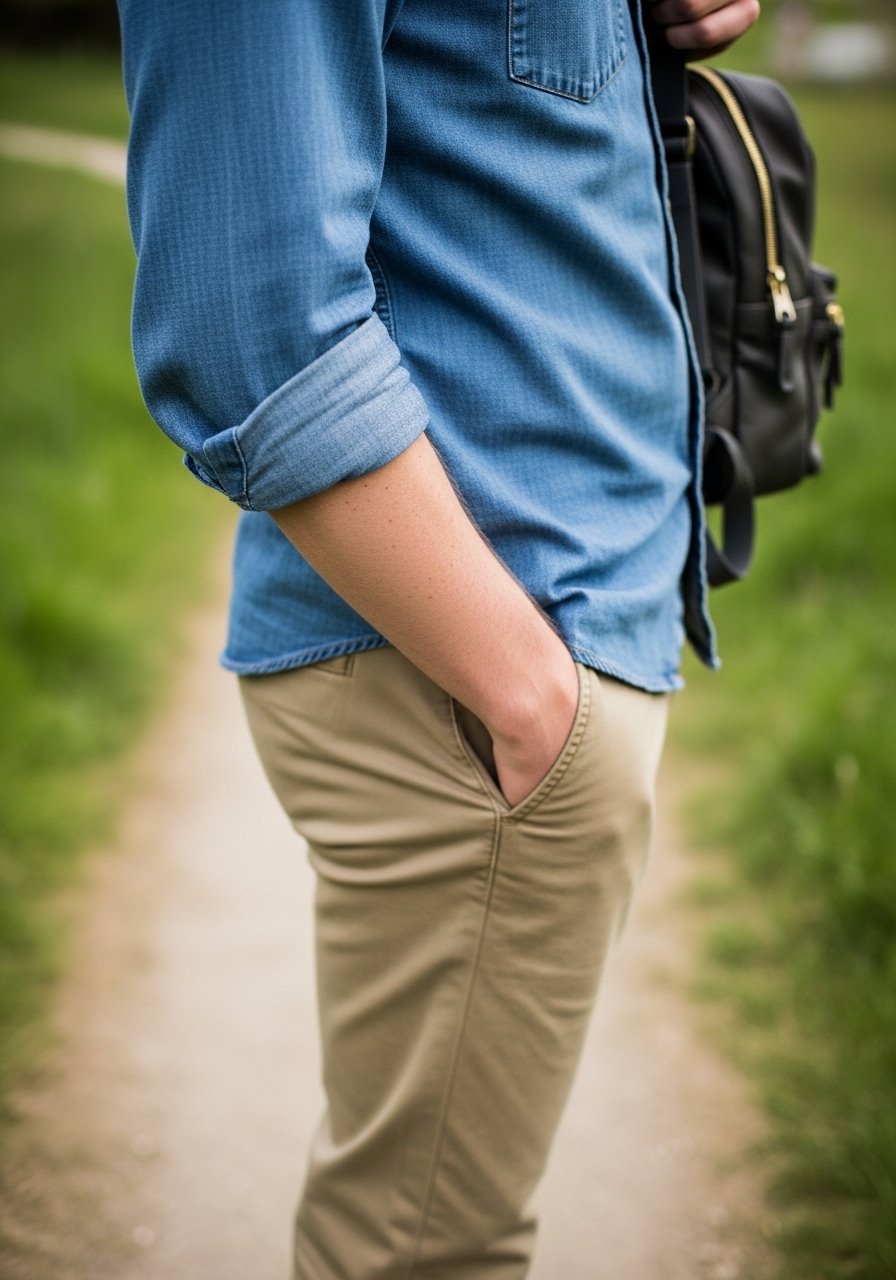
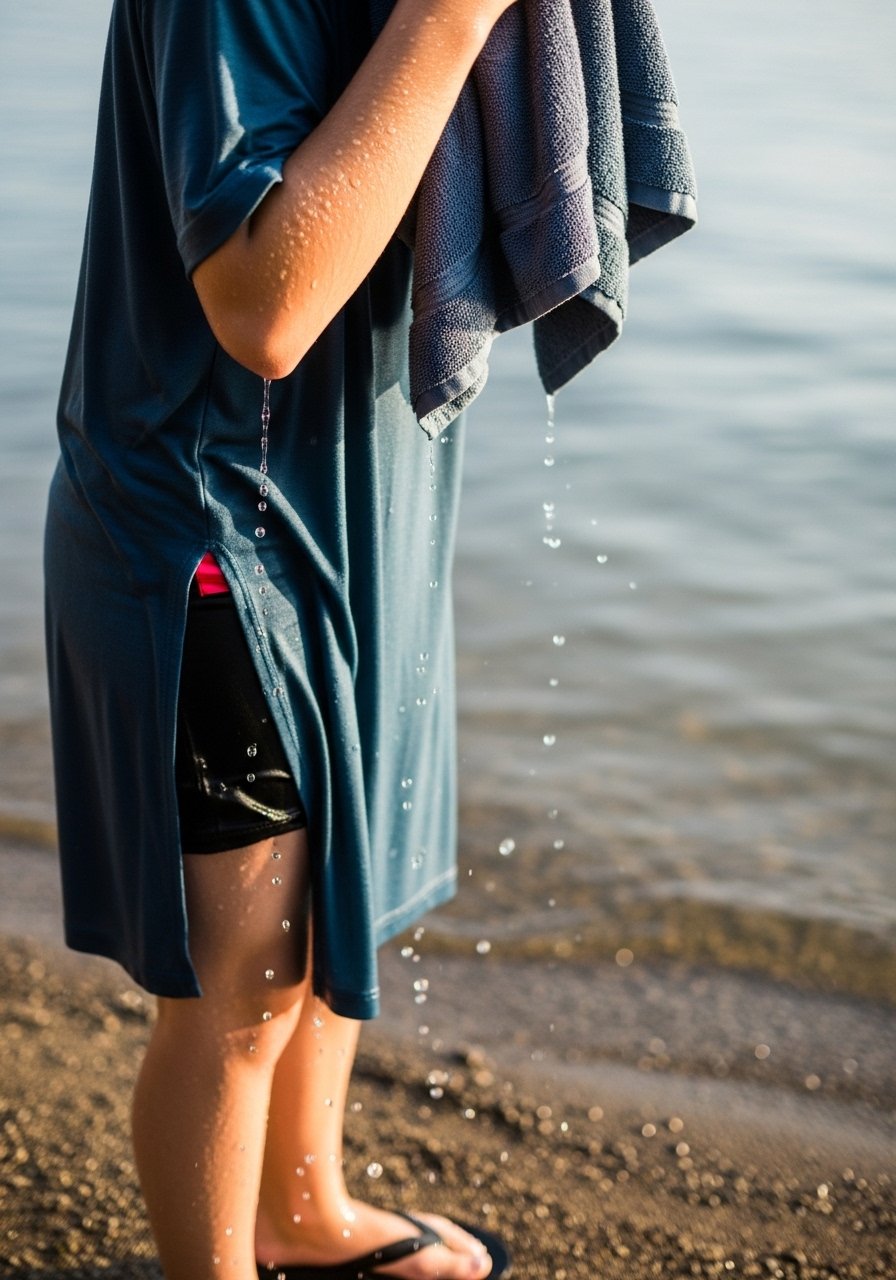
7. Chambray Overshirt over Swimsuit for Riverside Lounging
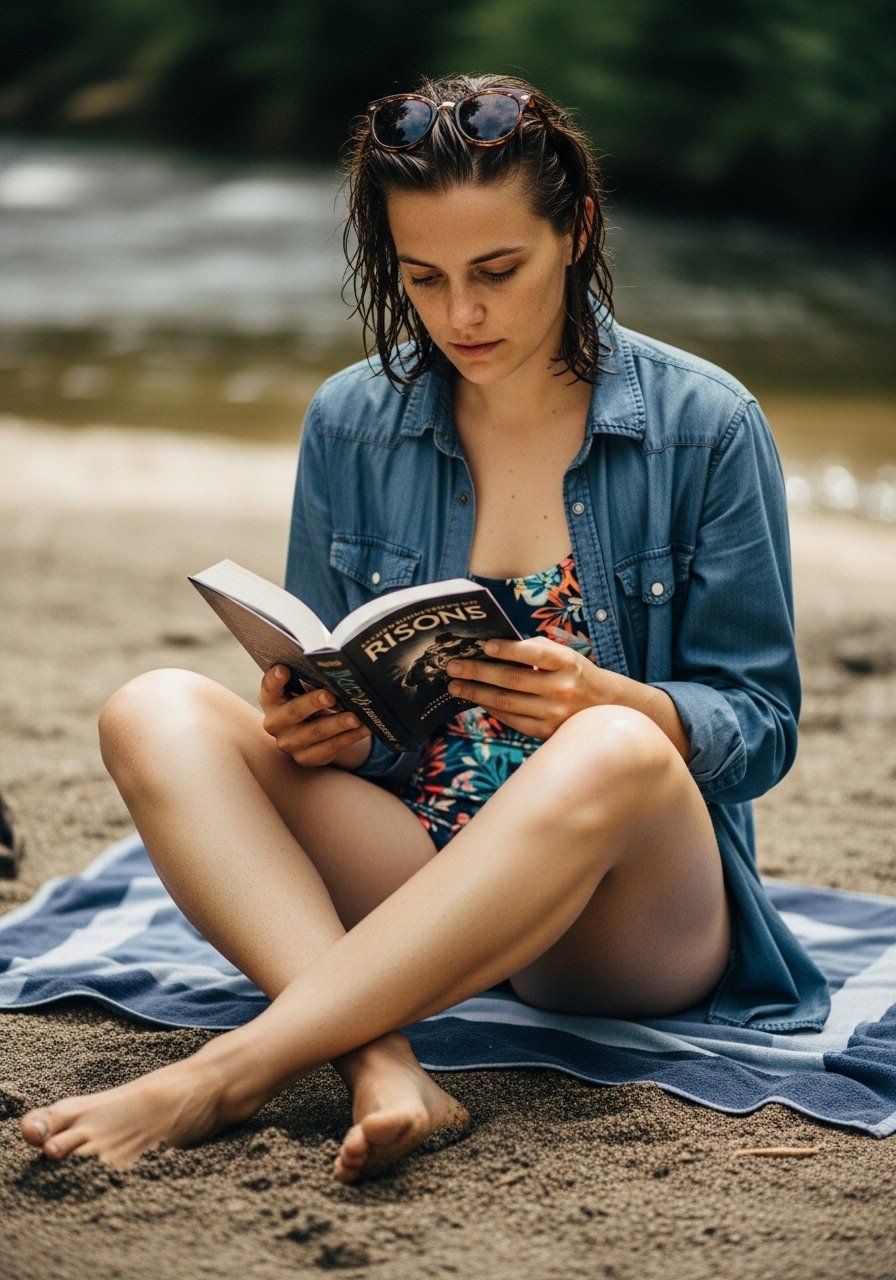
Adirondack swims cooled me; light chambray shirt over swimsuit went from water to fire ring seamless.
Swimsuit faded fast—UPF version next.
Dried quick, no sand stick.
Versatile for lunch or chats.
What You’ll Need for This Trip
Lightweight chambray overshirt, roll-up sleeves
Quick-dry microfiber towel, camp size
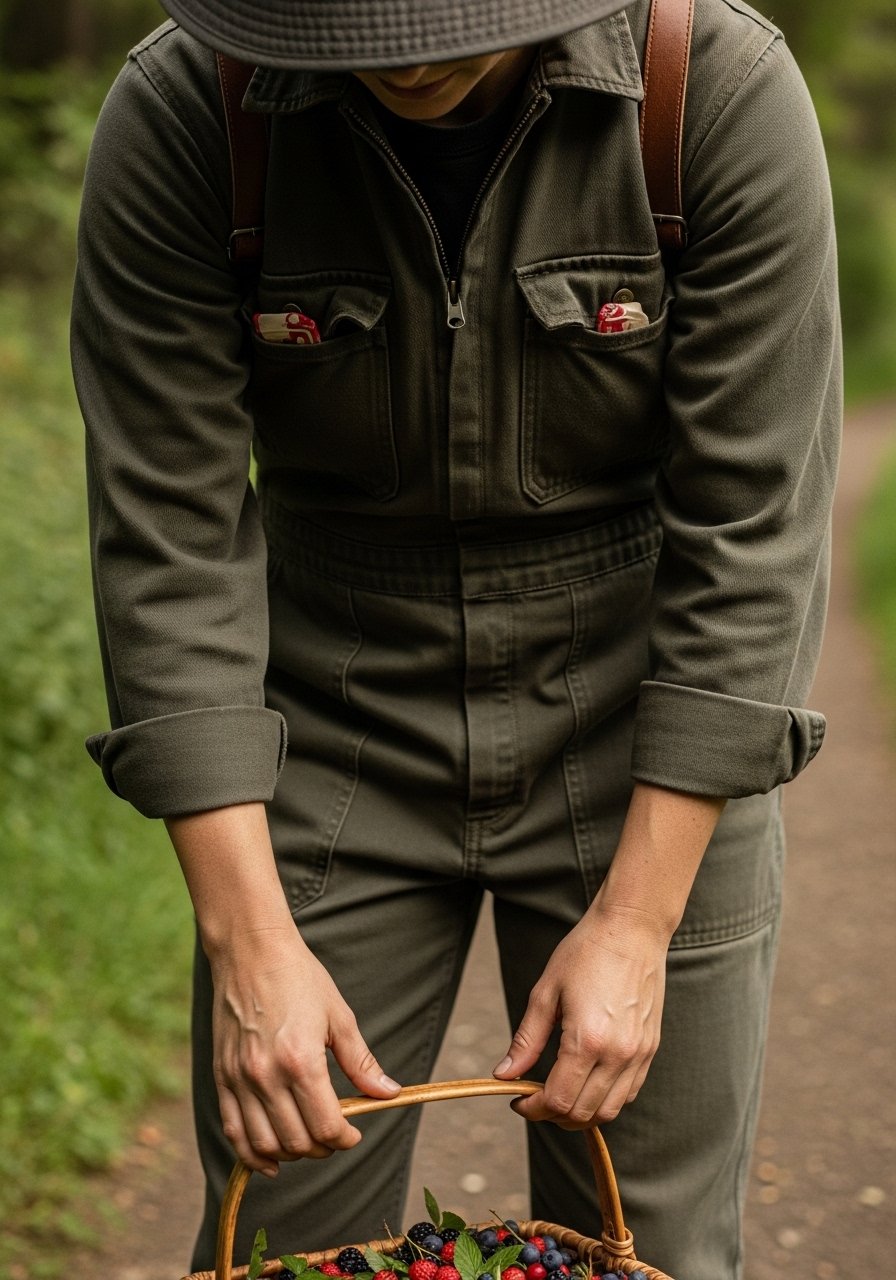
8. Cargo Vest, Tee, and Linen Shorts for Gear-Heavy Days
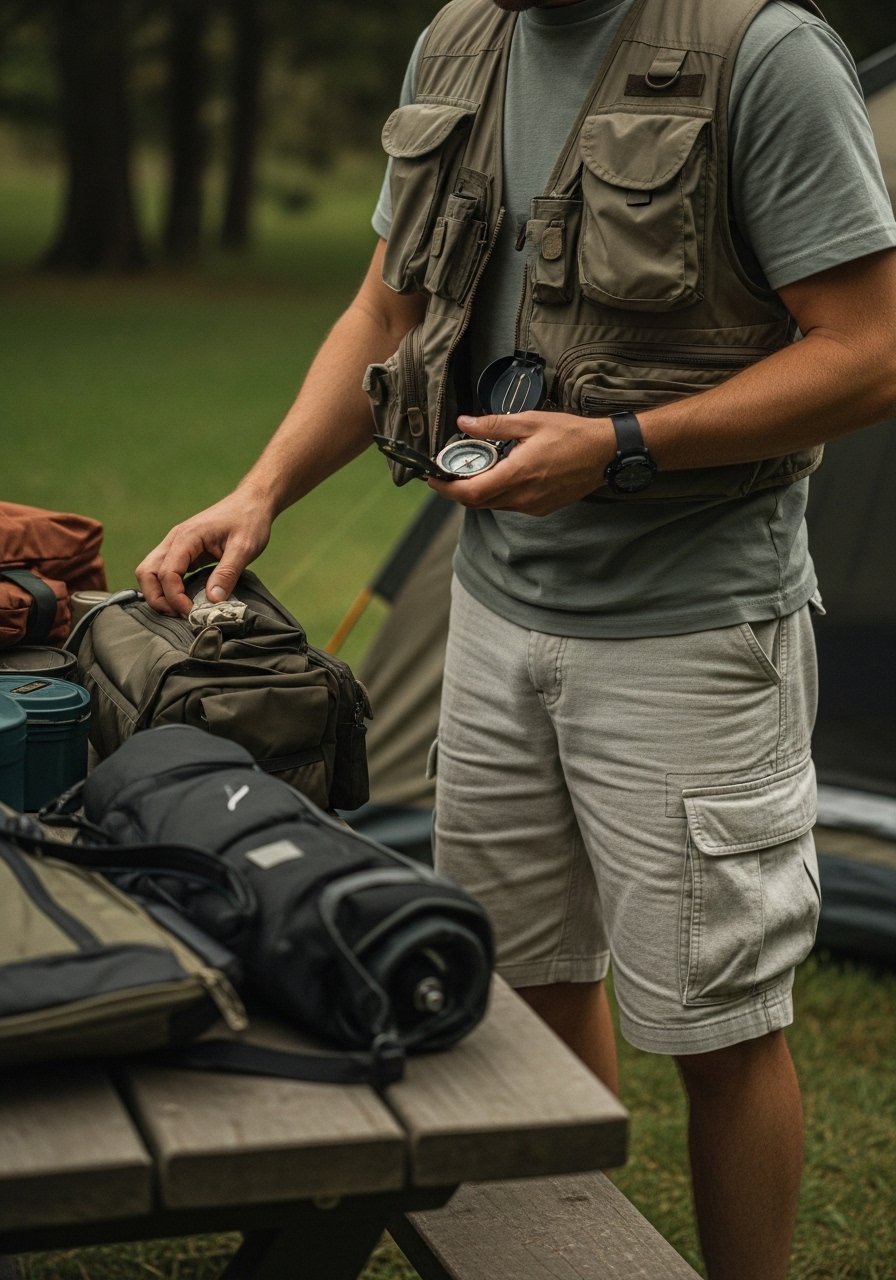
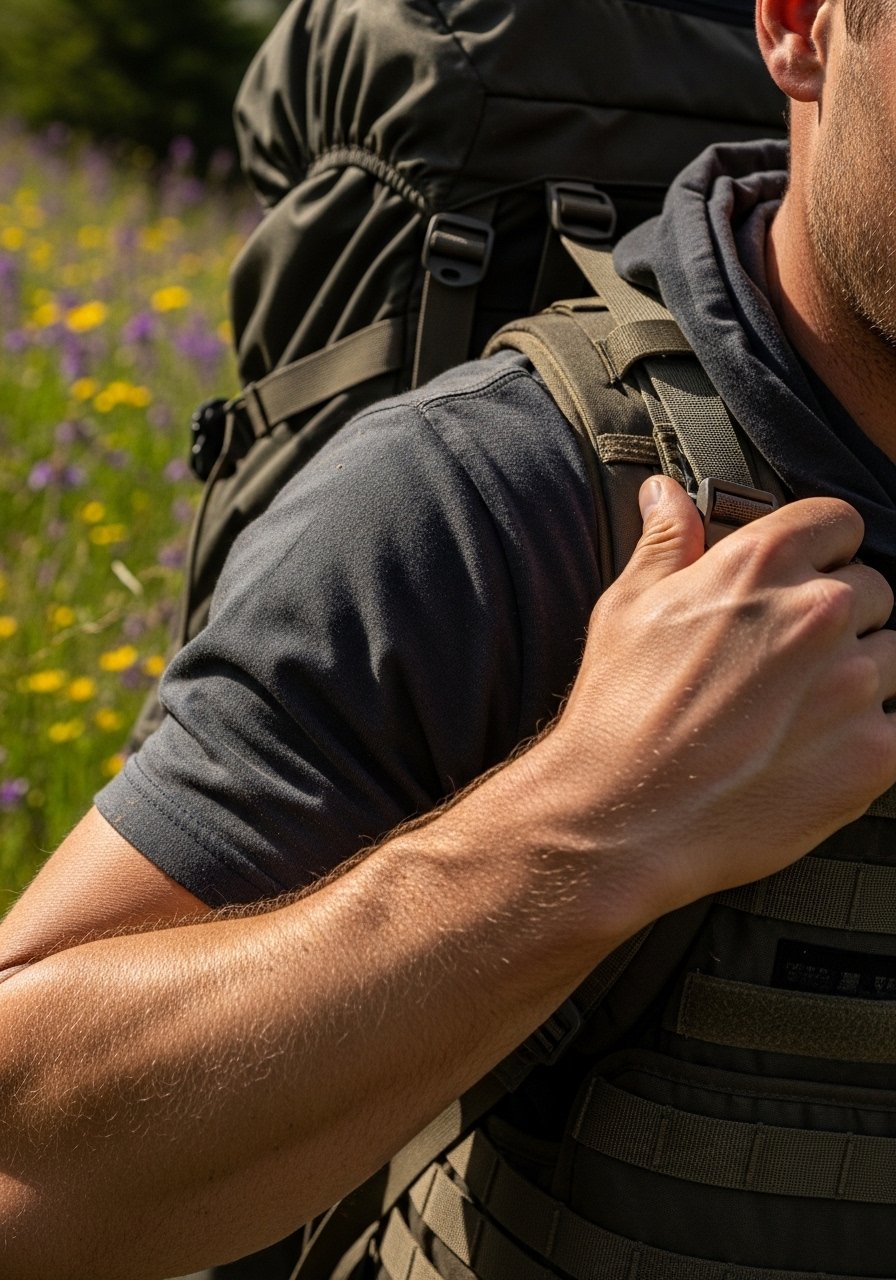
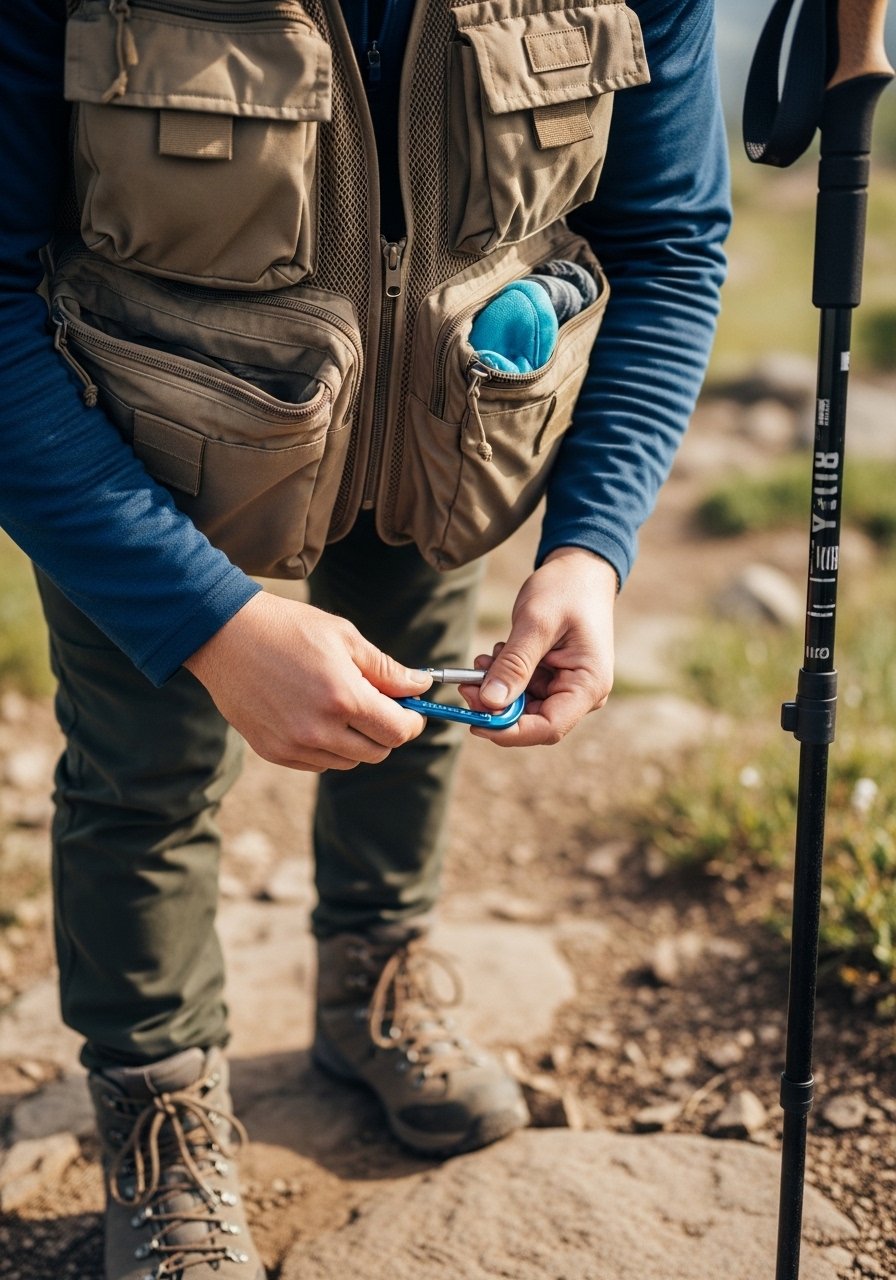
Black Hills packing chaos; lightweight cargo vest held tools over tee and shorts—no backpack hump.
Overloaded pockets sagged—distribute even.
Accessed snacks fast on trail.
Felt prepared, not burdened.
What You’ll Need for This Trip
Lightweight cargo vest, multiple pockets
Linen cargo shorts, elastic waist
Basic moisture-wicking tee, crewneck
9. Crop Hoodie and Leggings for Cooling Evening Walks
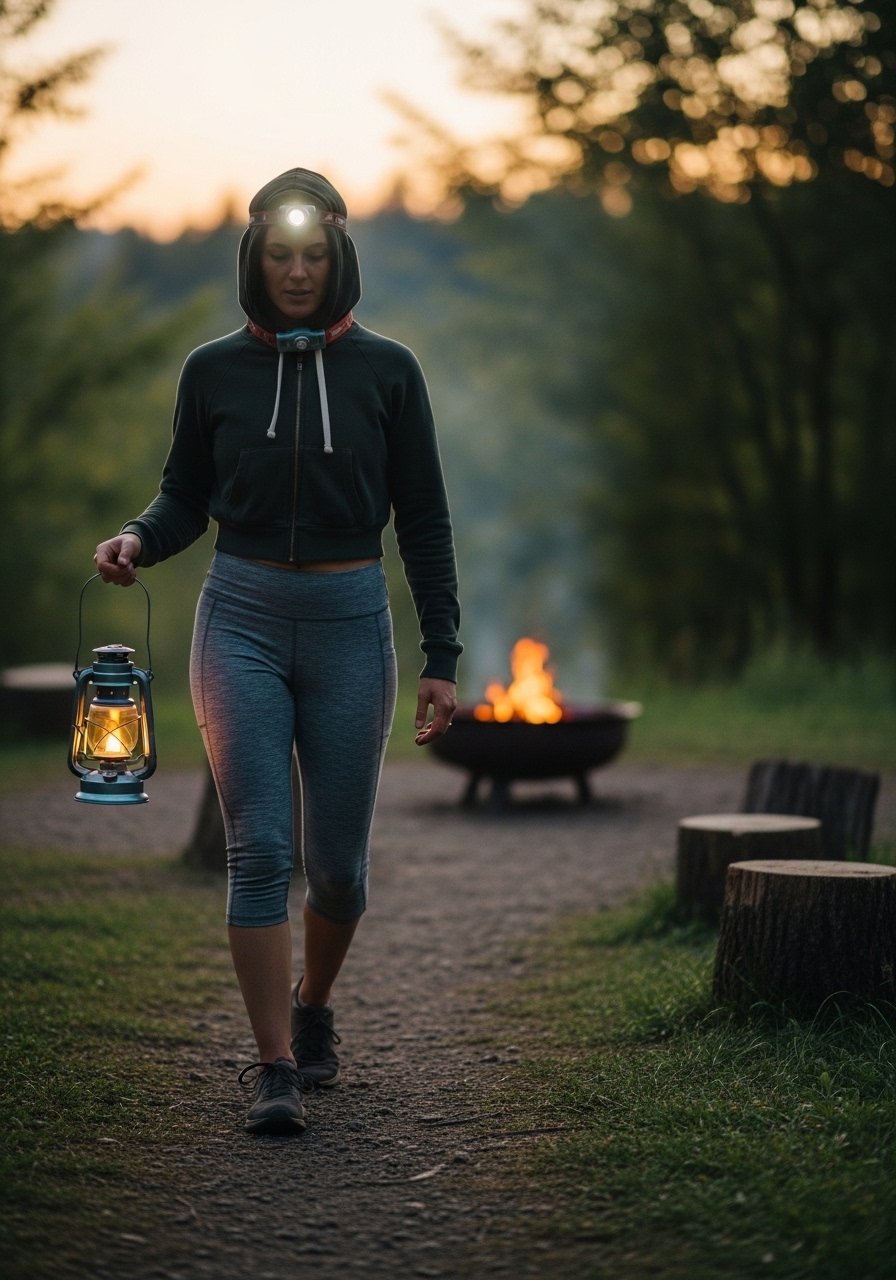
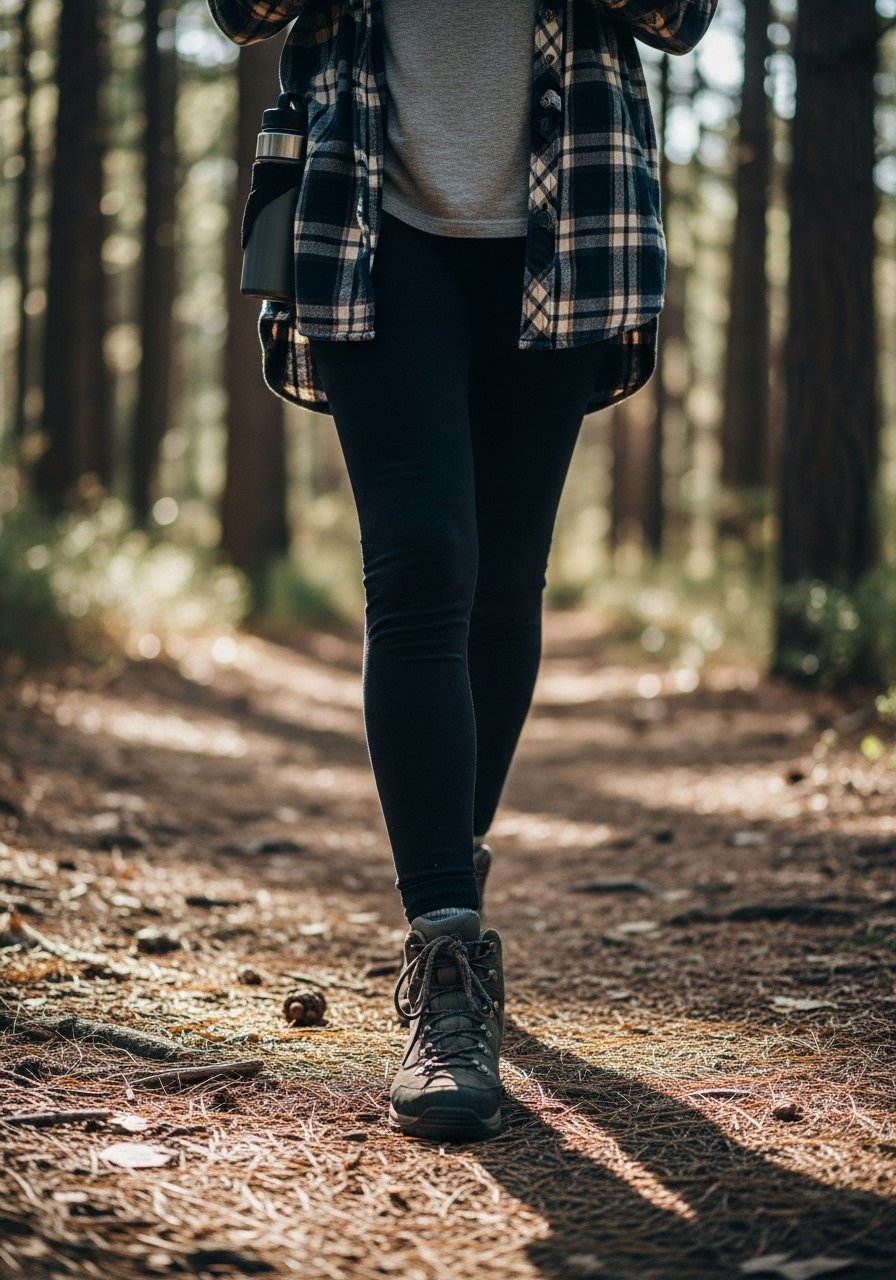
Smoky Mountains cooled slightly; cropped hoodie layered light over capri leggings.
Hoodie too bulky once—choose thin.
Walked off dinner, stayed comfy.
Mesh panels breathed.
What You’ll Need for This Trip
Cropped lightweight hoodie, thumb holes
Quick-dry capri leggings, high waist
10. Hawaiian Print Shirt and Board Shorts for Beach Camp Vibes
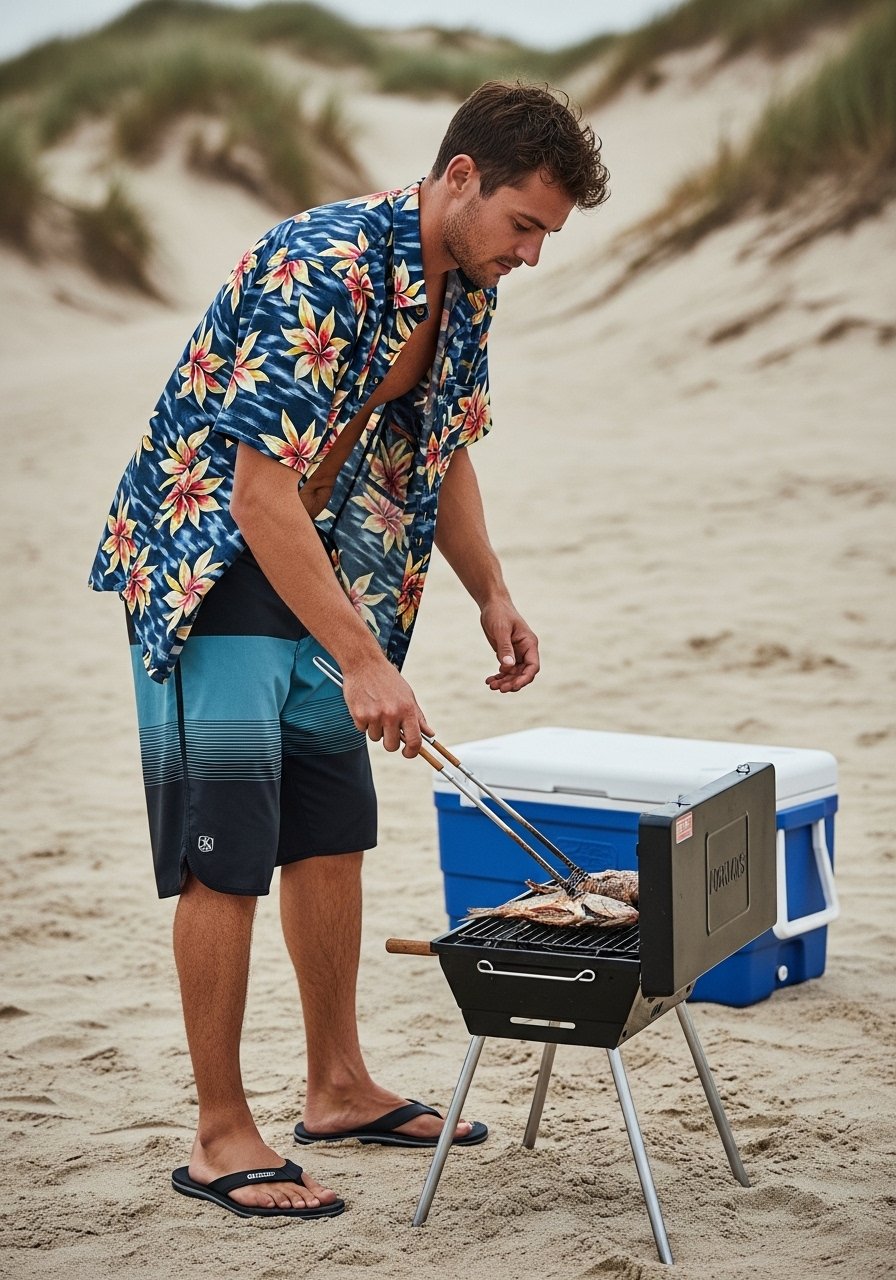
Florida Keys breeze helped; Hawaiian print shirt and board shorts transitioned swim to cook.
Print faded in salt—rinse nightly.
Fun feel, practical pockets.
Dried beach-fast.
What You’ll Need for This Trip
Breathable Hawaiian print shirt, camp collar
Quick-dry board shorts, drawstring
Collapsible camp chair, portable
11. Sundress and Trail Runners for Light Camp Chores
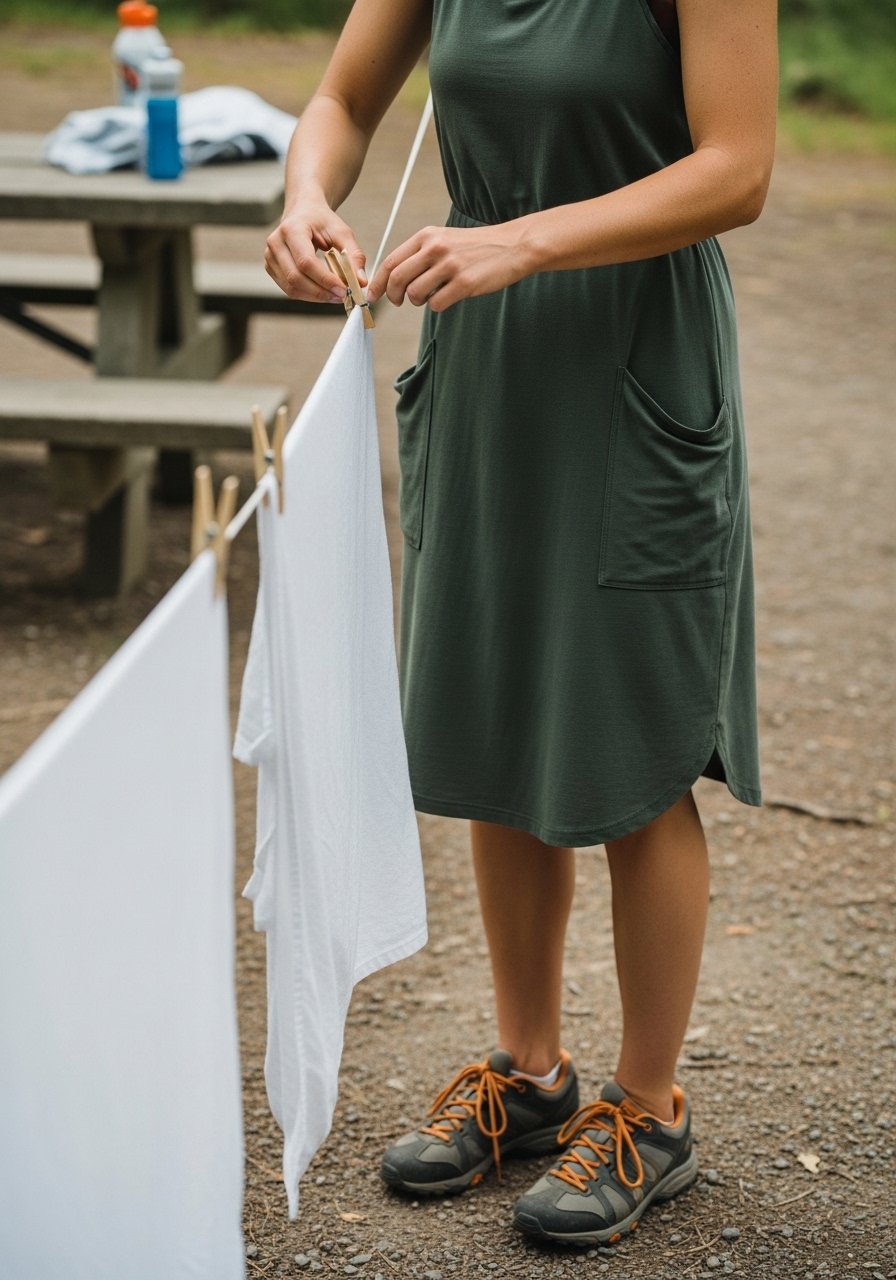
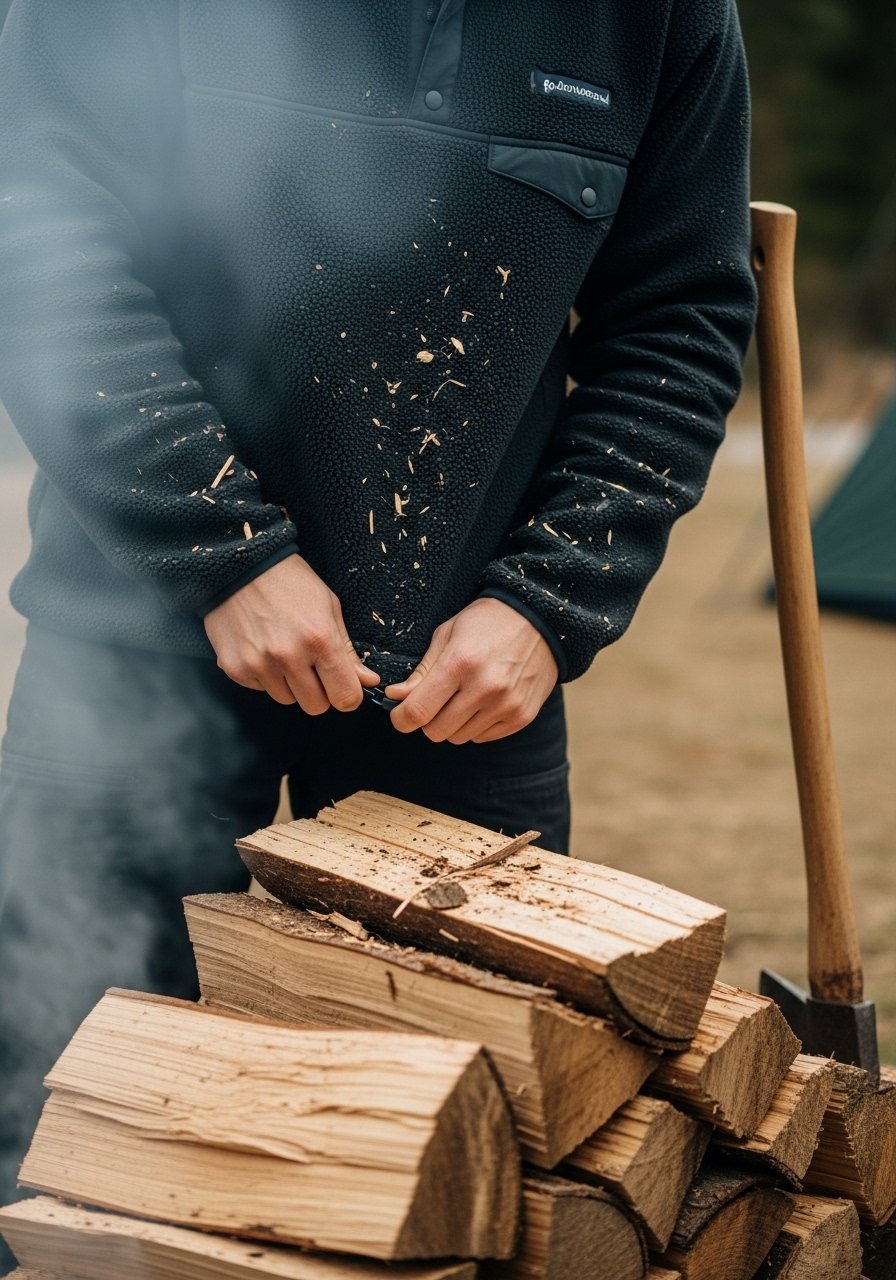
Appalachian humidity; sundress with pockets let me chop wood easy, trail runners gripped dirt.
Snagged on branch—tougher fabric next.
Feminine but functional.
Chores done quick.
What You’ll Need for This Trip
Lightweight sundress, built-in shorts
Breathable trail running shoes, low profile
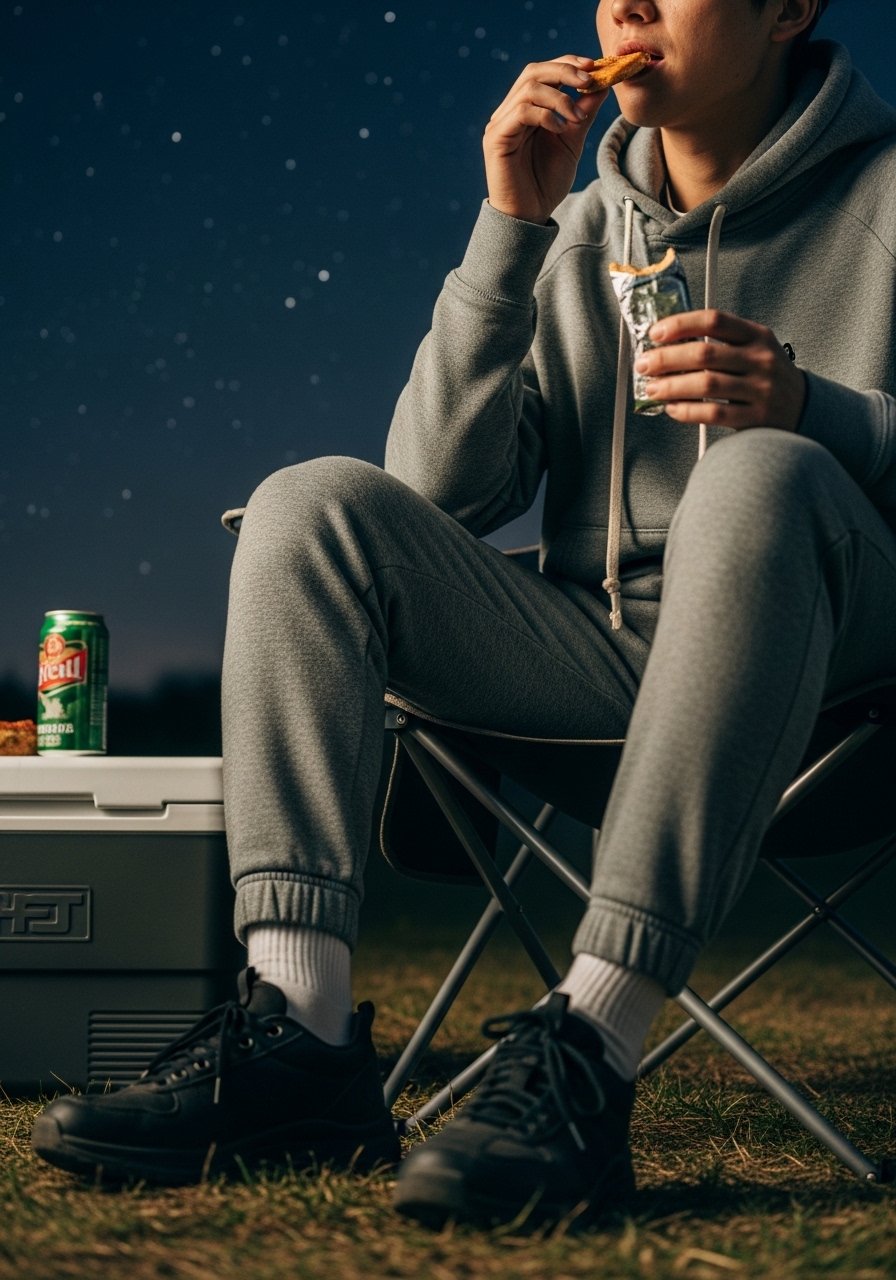
12. Mesh Jersey and Joggers for Star-Gazing Nights
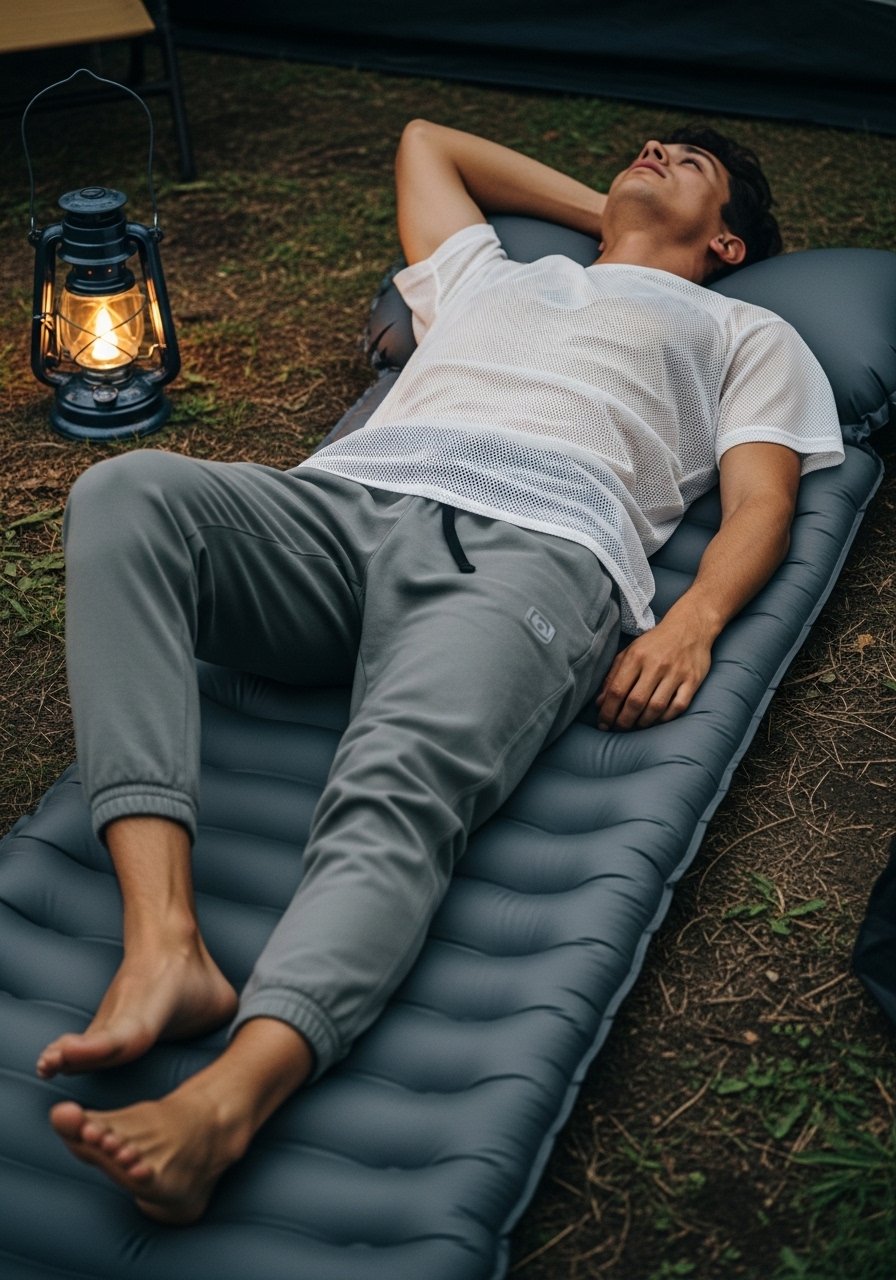
Death Valley stars popped; mesh athletic jersey and tapered joggers let breeze through.
Forgot mat—ground cold. Pad always now.
Relaxed deep, slept sound.
Ventilation key.
What You’ll Need for This Trip
Mesh breathable jersey, short sleeve
Lightweight tapered joggers, zip pockets
Inflatable sleeping pad, compact
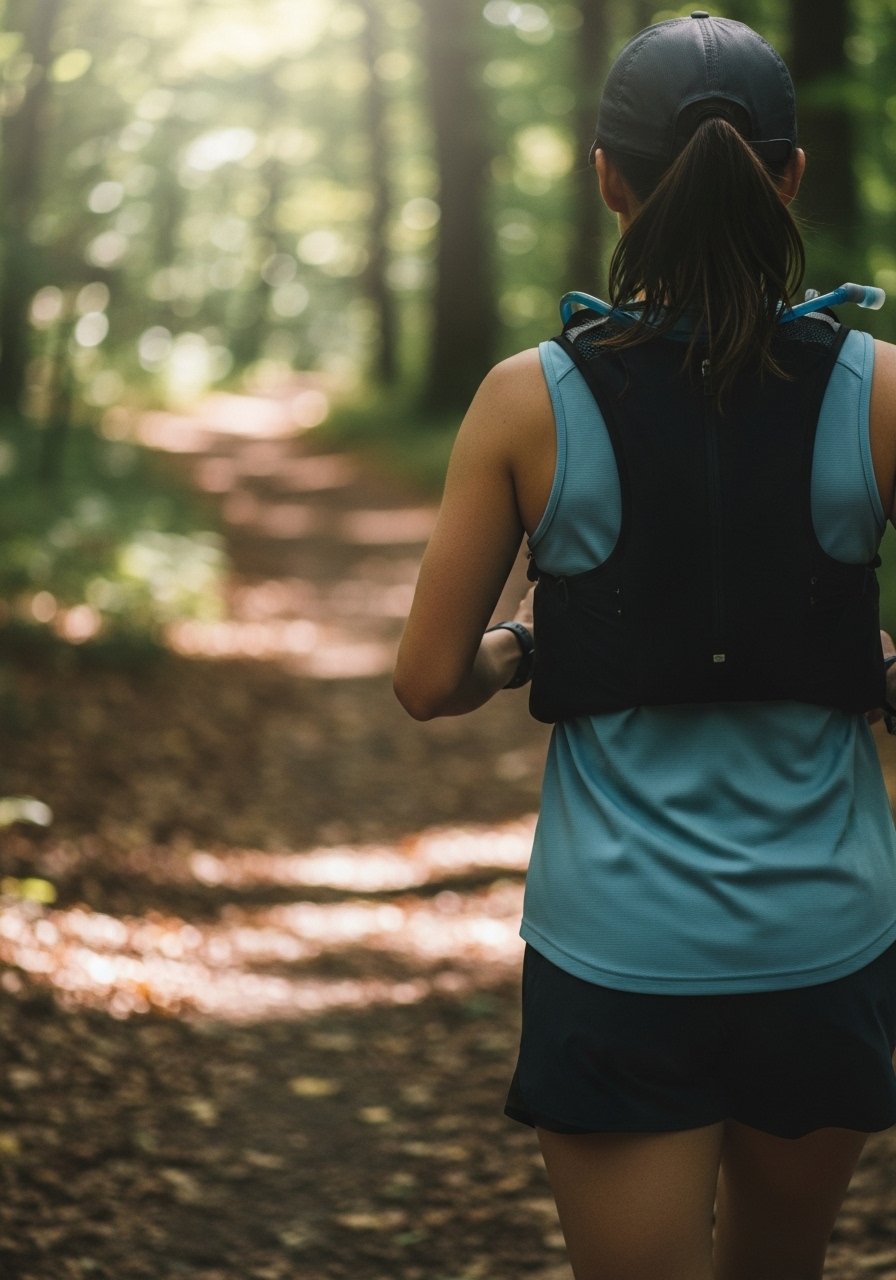
13. Bandolier Vest and Tanks for Water Haul Runs
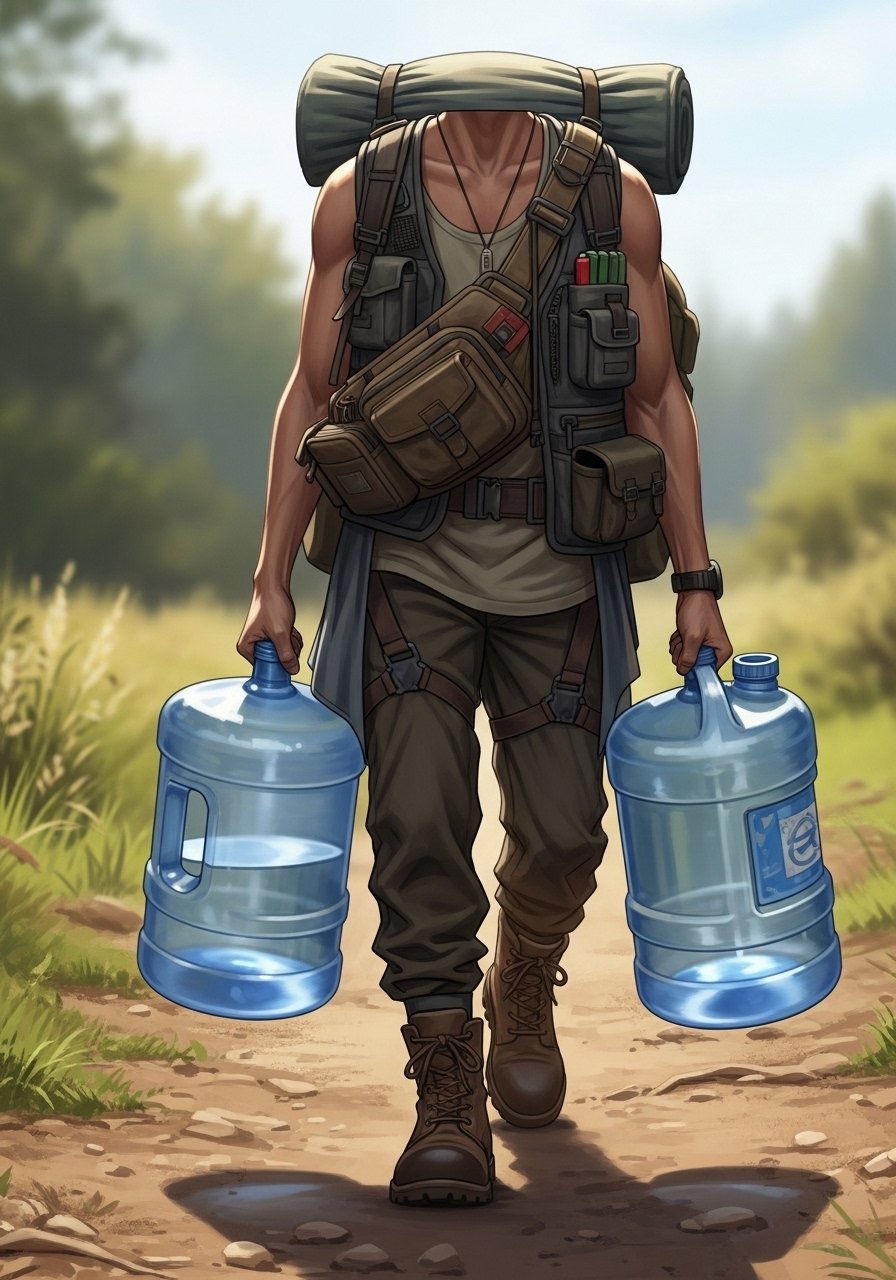
Remote Arizona site; bandolier vest over tank held essentials hauling water—no drops.
Jug straps cut shoulders—padded next.
Efficient trips, hands free otherwise.
Stayed organized.
What You’ll Need for This Trip
Bandolier crossbody vest, multiple compartments
Sleeveless tank top, UPF protection
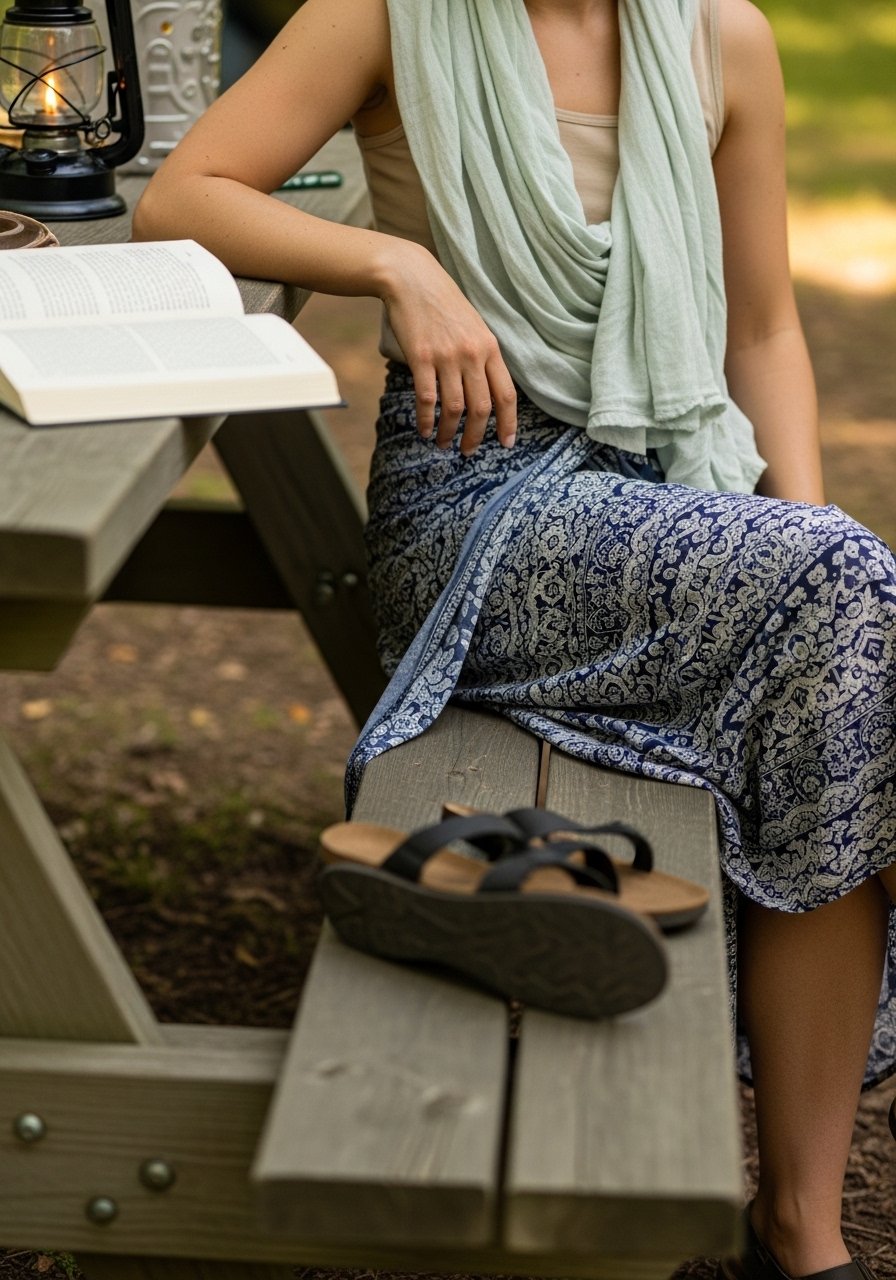
14. Sarong Wrap and Teva Sandals for Shower Treks
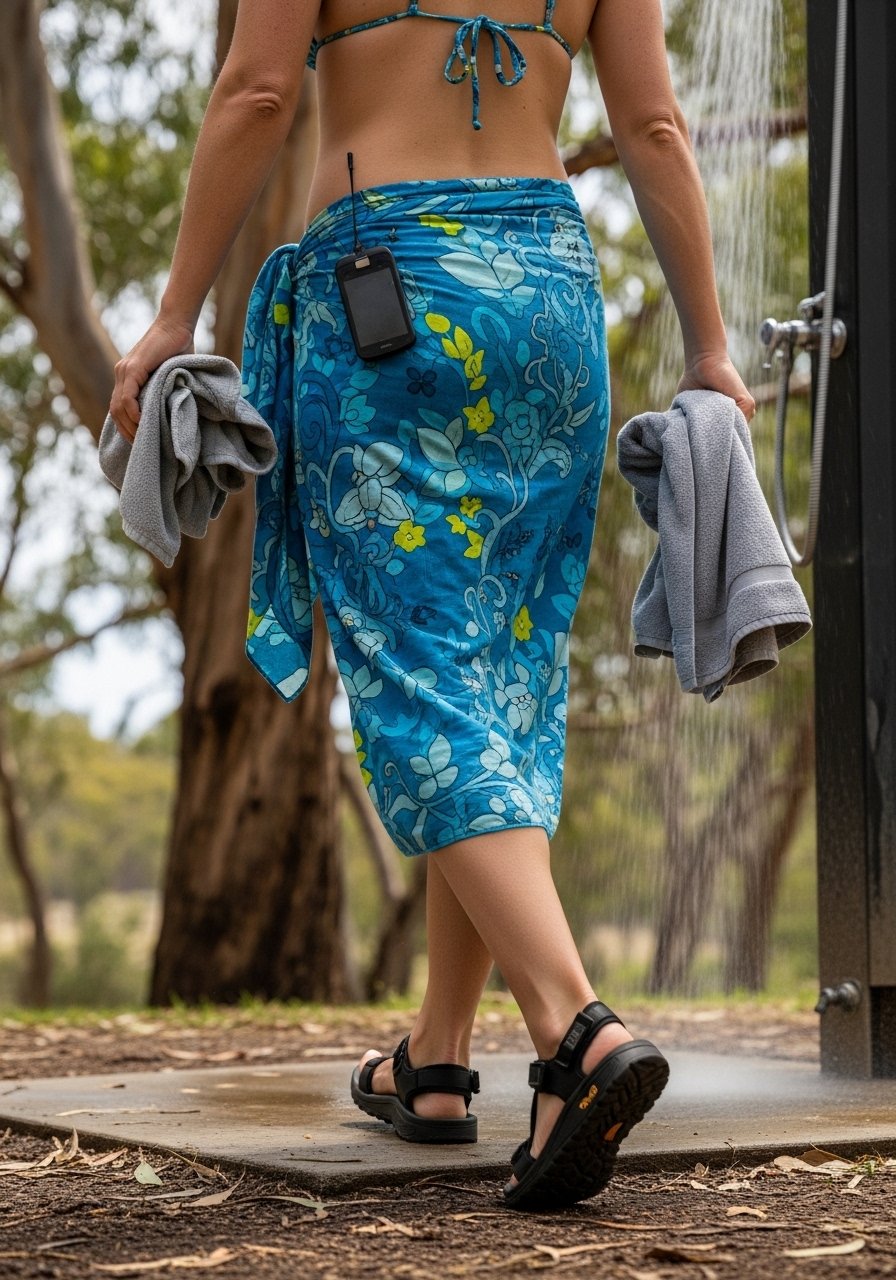
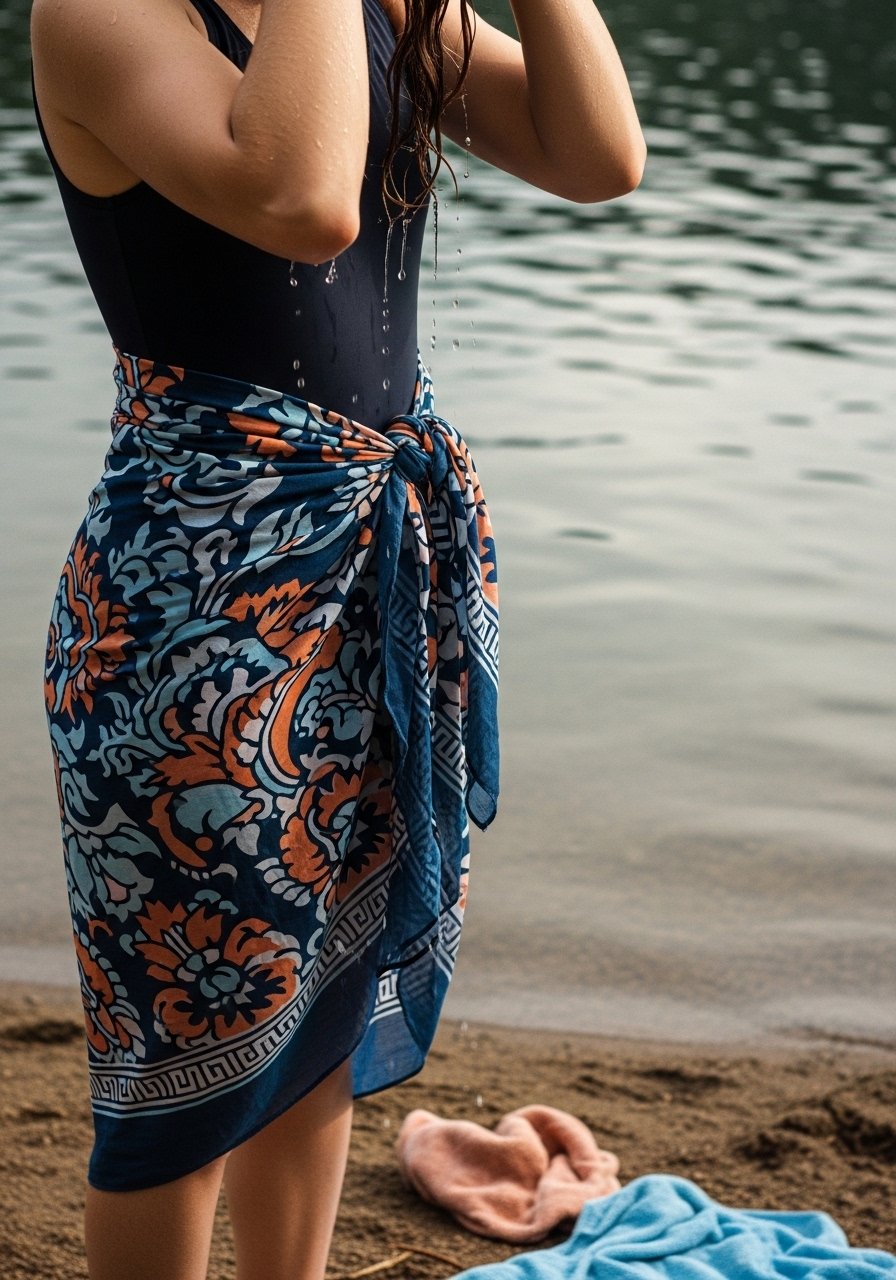
Pacific Northwest damp heat; versatile sarong wrapped post-shower with Teva sandals—modest, dry fast.
Slipped muddy—rubber soles grip.
Shower felt luxurious.
Multi-use winner.
What You’ll Need for This Trip
Quick-dry sarong wrap, large size
Teva-style strappy sandals, adjustable
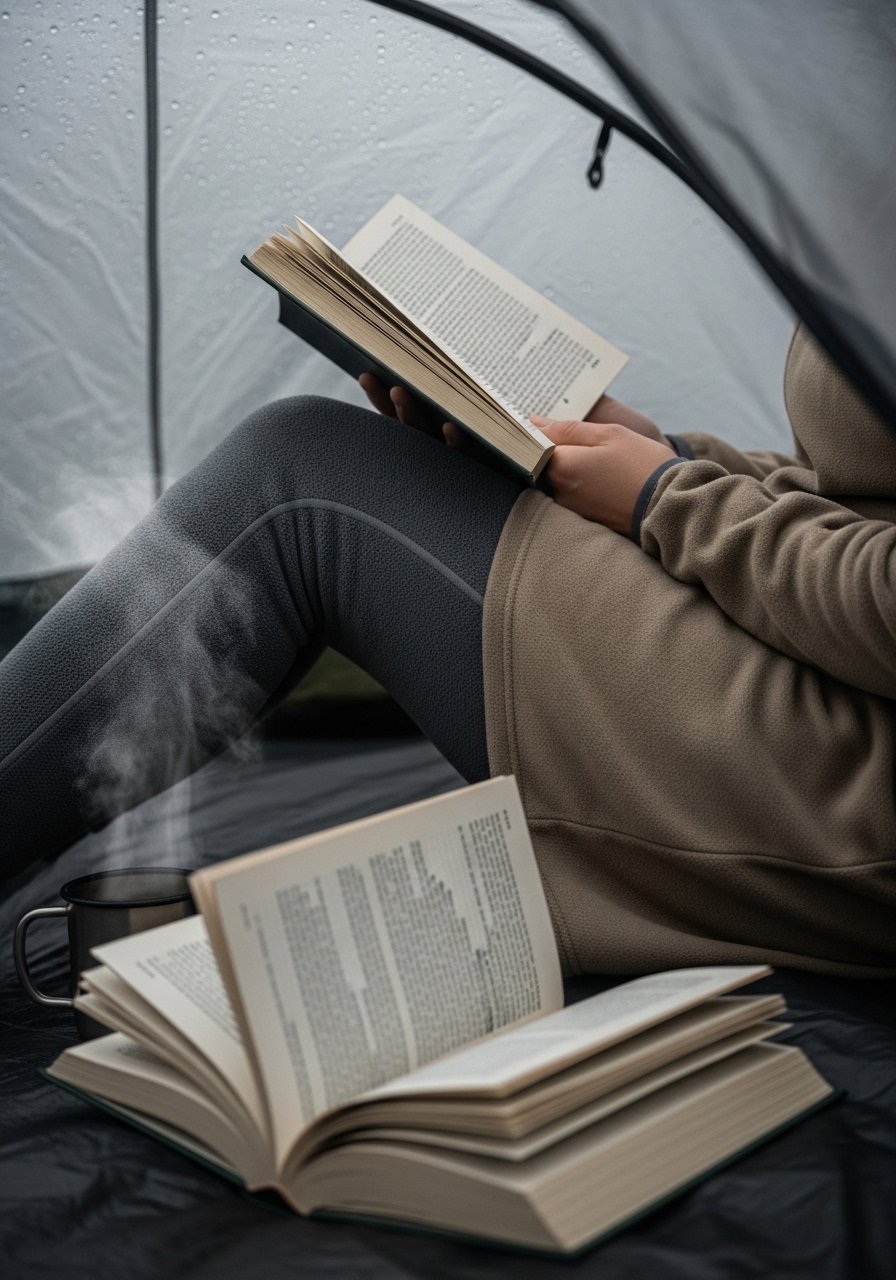
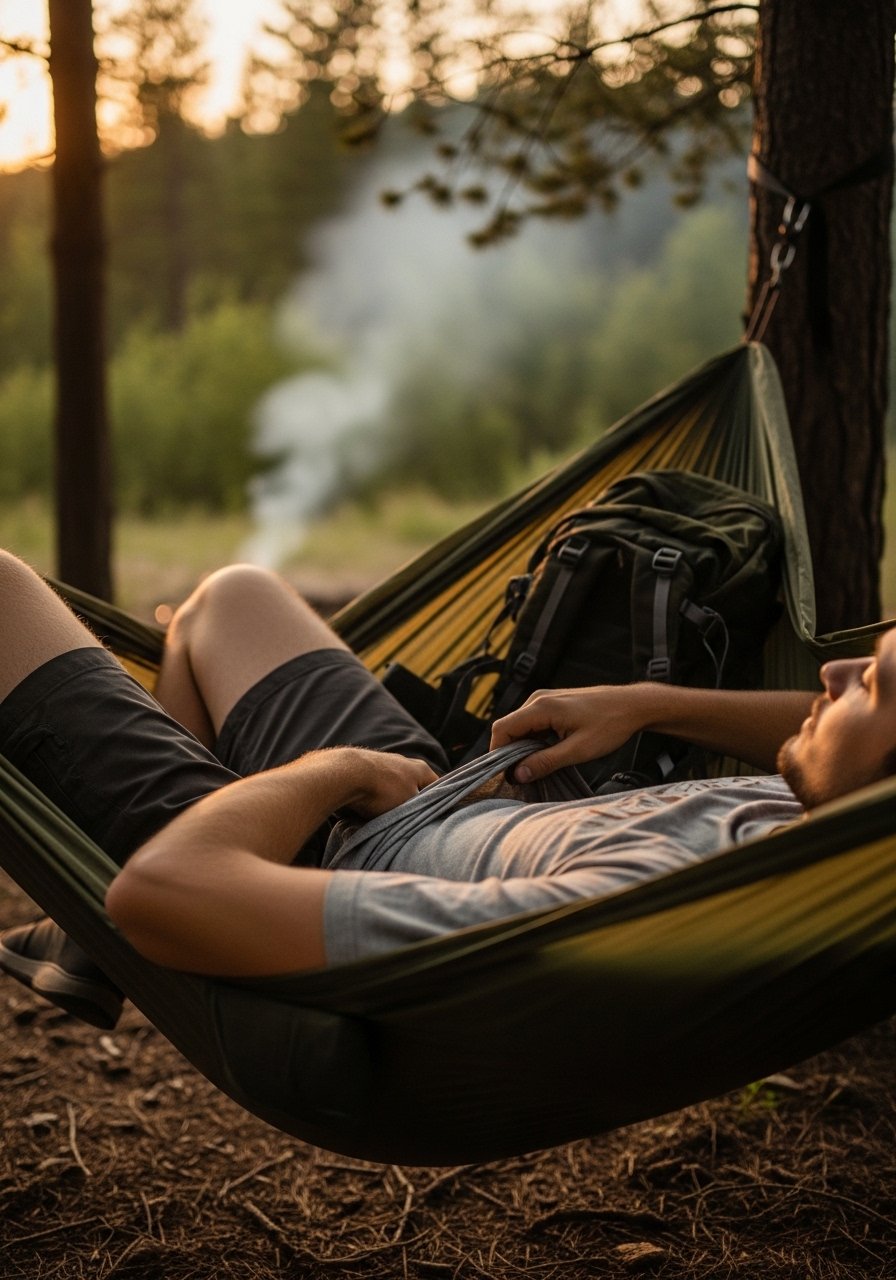
15. Bamboo Sleep Shirt and Shorts for Tent Lounging
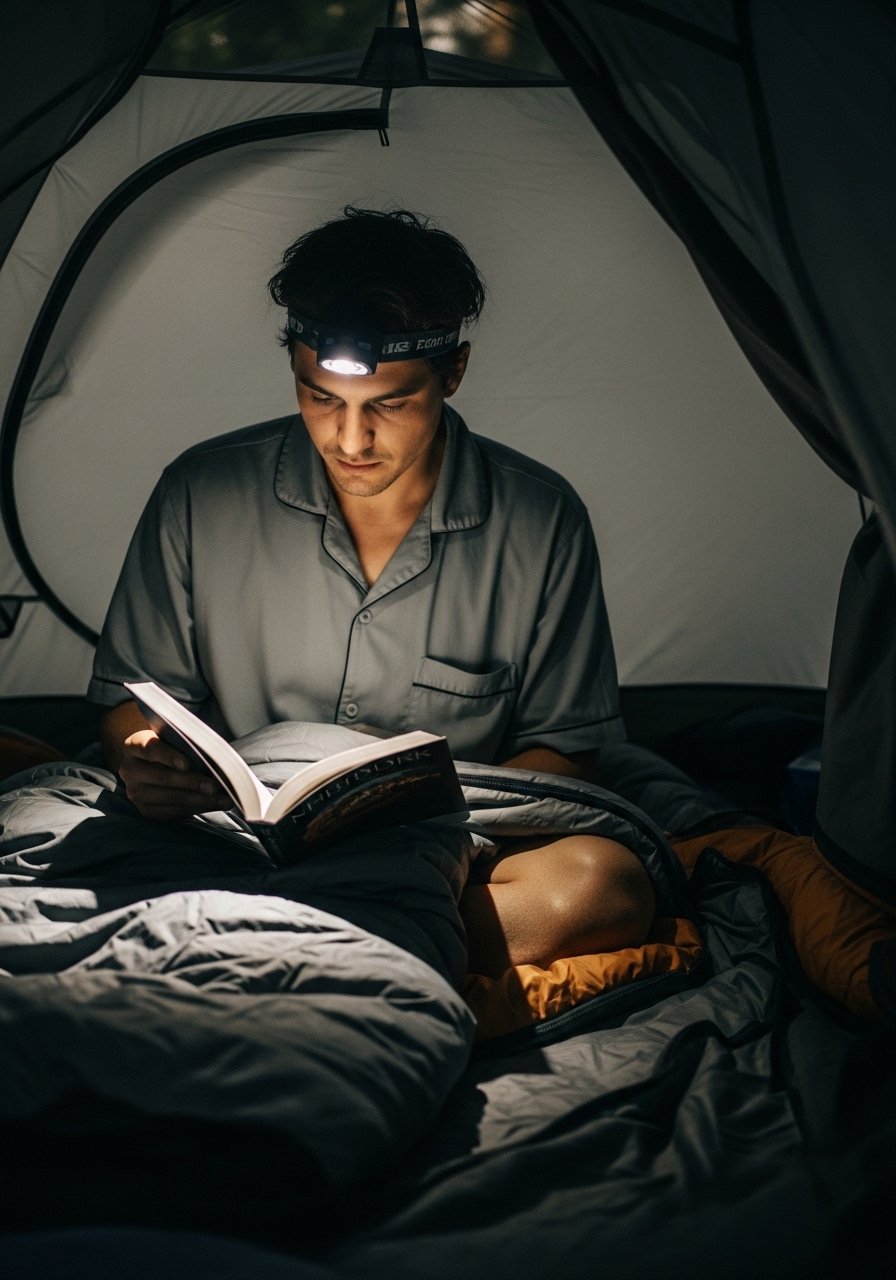
Saguaro heat lingered in tent; bamboo sleep shirt set wicked night sweat, soft on skin.
Pilled after washes—air dry.
Slept cooler, woke rested.
Ideal downtime layer.
What You’ll Need for This Trip
Bamboo sleep shirt, button front
Bamboo sleep shorts, elastic waist
Final Thoughts
Pick 3-4 outfits that fit your sites—they mix and match anyway.
I've sweated through worse; these kept trips going.
Book light, pack smart. You'll handle the heat.