Category: Essentials

  • 24 Genius Travel Bag Essentials For Stress-Free Trips

    24 Genius Travel Bag Essentials For Stress-Free Trips

    I’ve learned the hard way that a trip goes sideways long before flight delays or bad weather — it’s in what I packed and where I put it. Overstuffed bags, leaky bottles, and tangled cables multiply small annoyances into a miserable travel day.

    This list is what I actually reach for when I’m rushing to pack. These travel bag essentials saved me time at checkpoints, headaches in hostels, and the scramble for replacement gear in foreign pharmacies.

    Use this as a practical checklist, not aspirational gear envy. It covers organization, comfort, security, and the small tools I always regret leaving behind.

    24 Genius Travel Bag Essentials For Stress-Free Trips

    These 24 practical travel bag essentials are the exact items I pack for carry-on or checked luggage trips. I focused on things that cut real friction: saving space, handling peeves, and keeping you moving when plans change. Expect 24 clear, usable ideas — each with what to buy and why it matters.

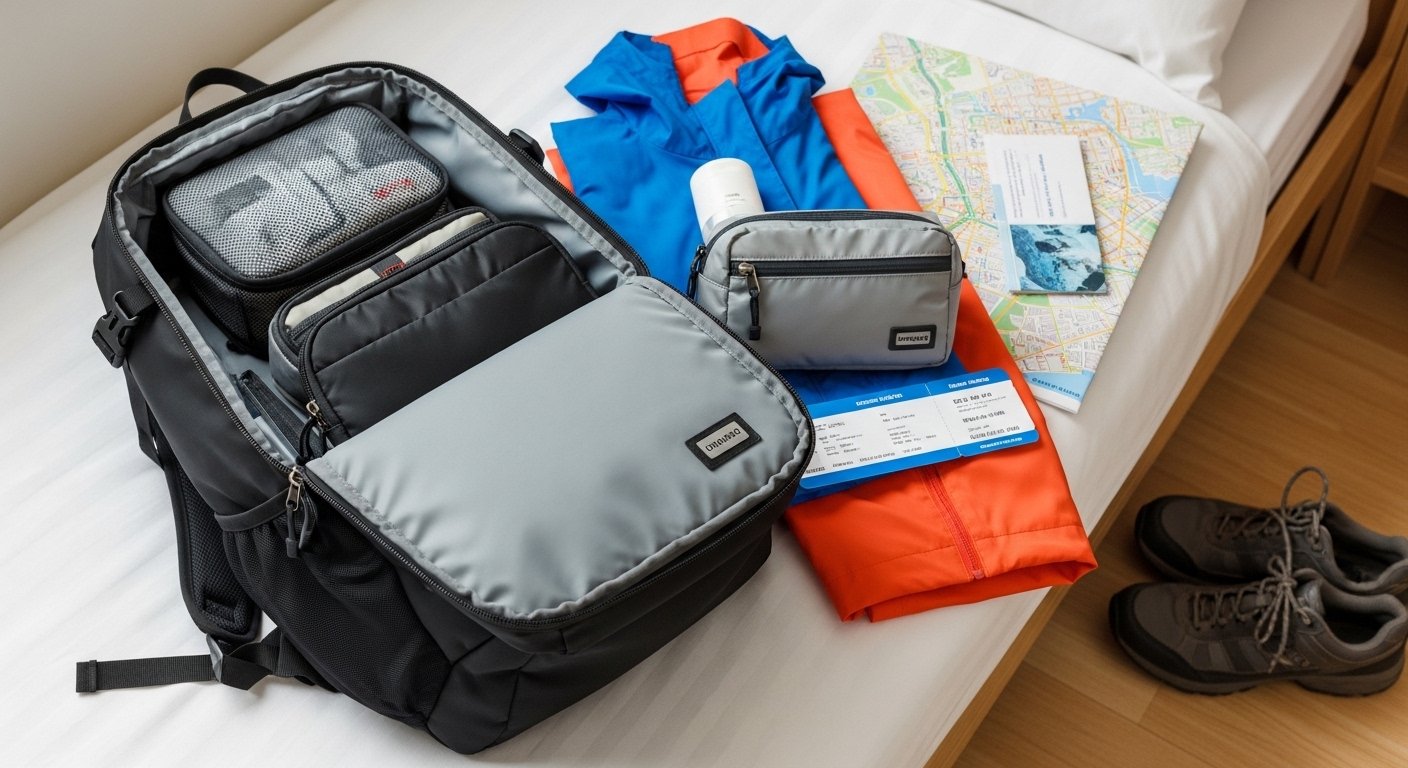
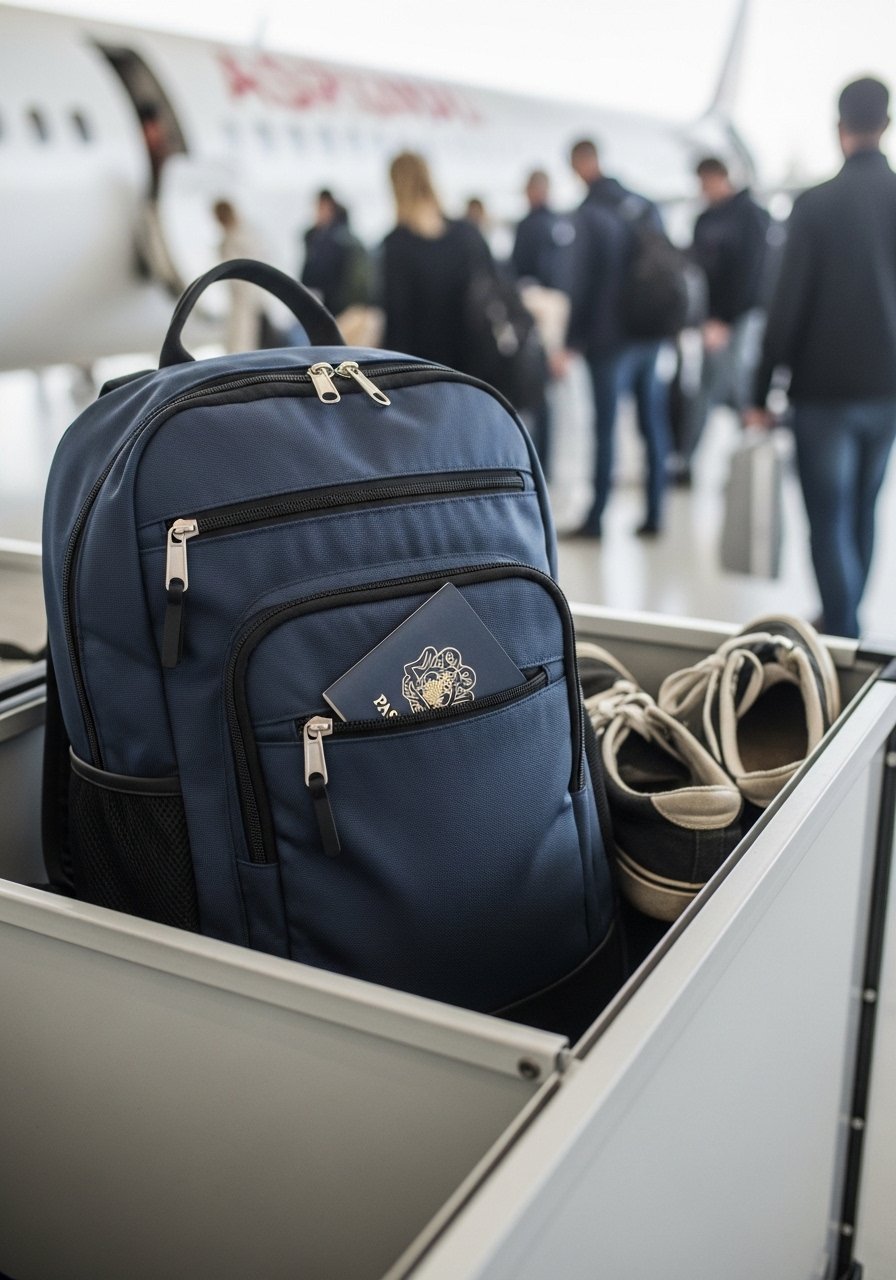
    Carry-On Backpack That Actually Meets Airline Rules (a core travel bag essential)

    I always start with a carry-on that truly fits airline limits. I’ve learned to measure and test it at home — not trust “personal item” claims. A good pack has a clamshell opening, a laptop sleeve, and external pockets for quick access.

    Pick one with durable zippers and a pass-through strap for the rolling case. I avoid compression-only bags that hide fragile contents. The right bag removes decision fatigue at check-in and keeps essentials reachable when plans change.

    Why It Makes the List

    • Keeps essentials organized and accessible.
    • Prevents last-minute gate-checking.
    • Useful for both short trips and long-term travel.

    What You’ll Want for This

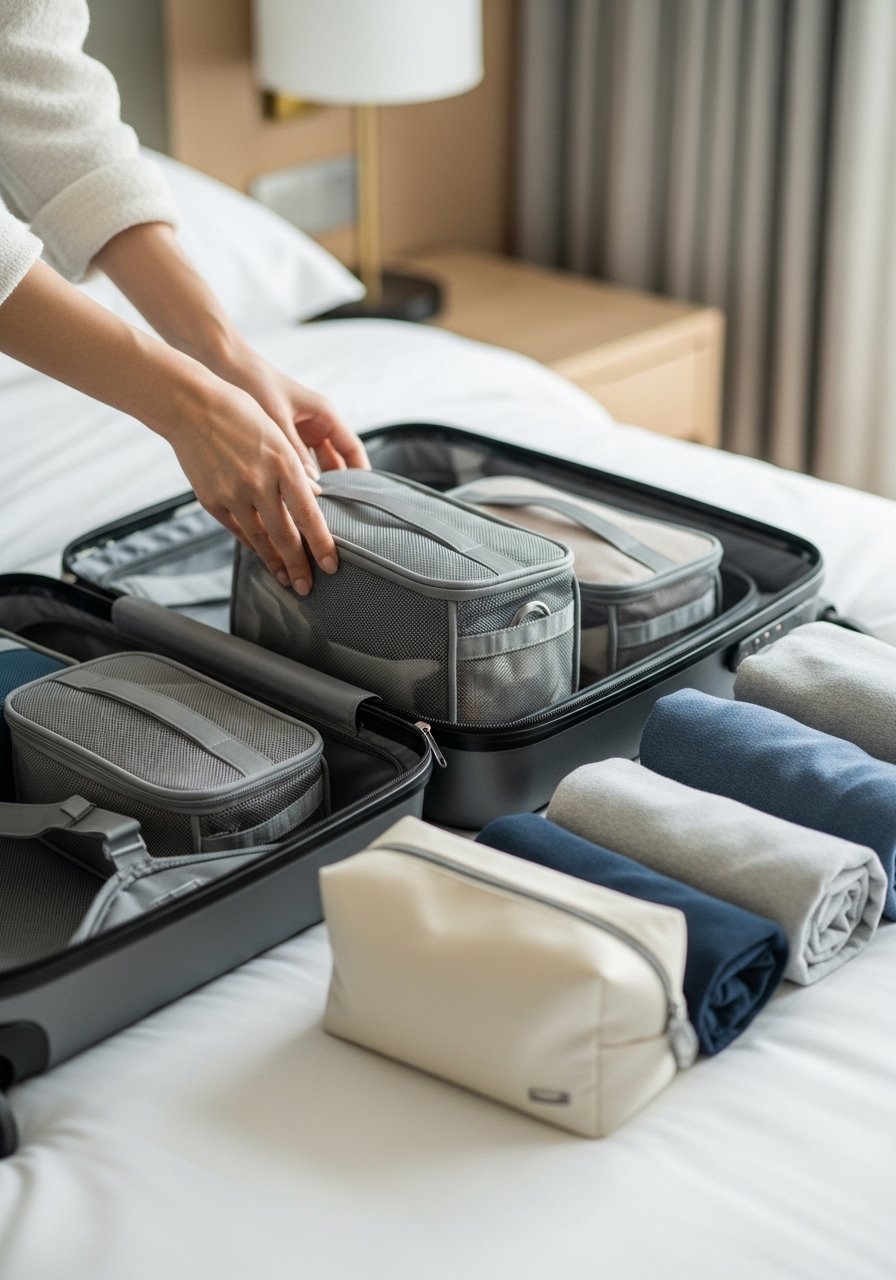
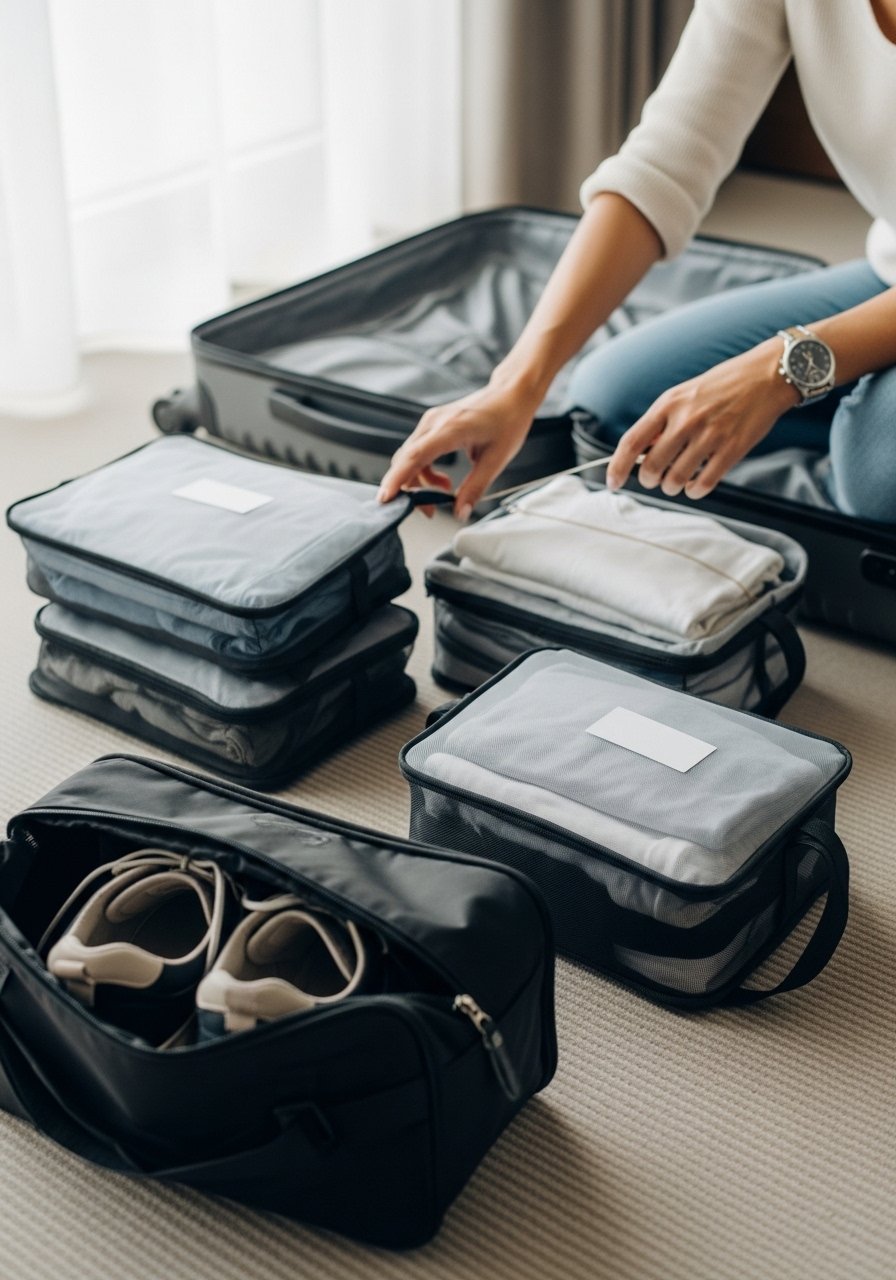
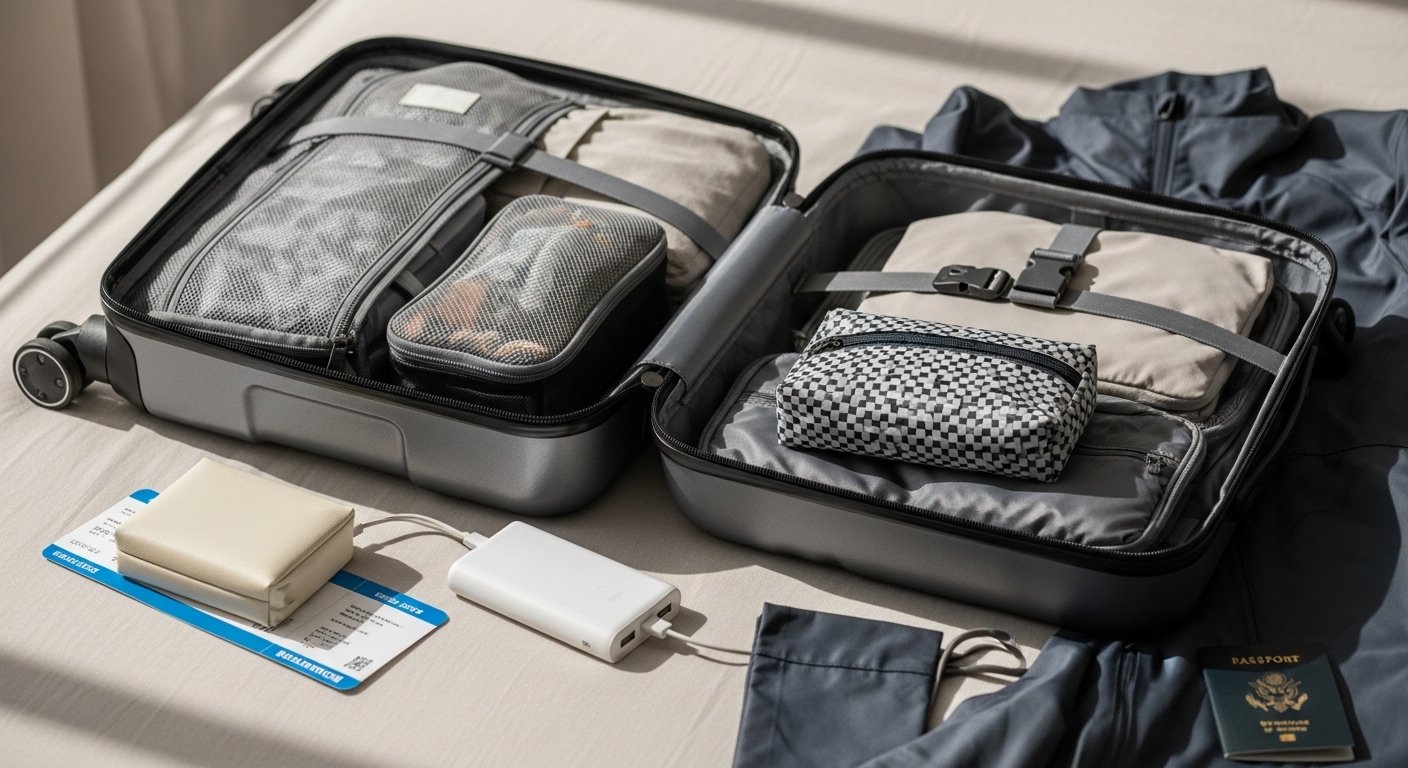
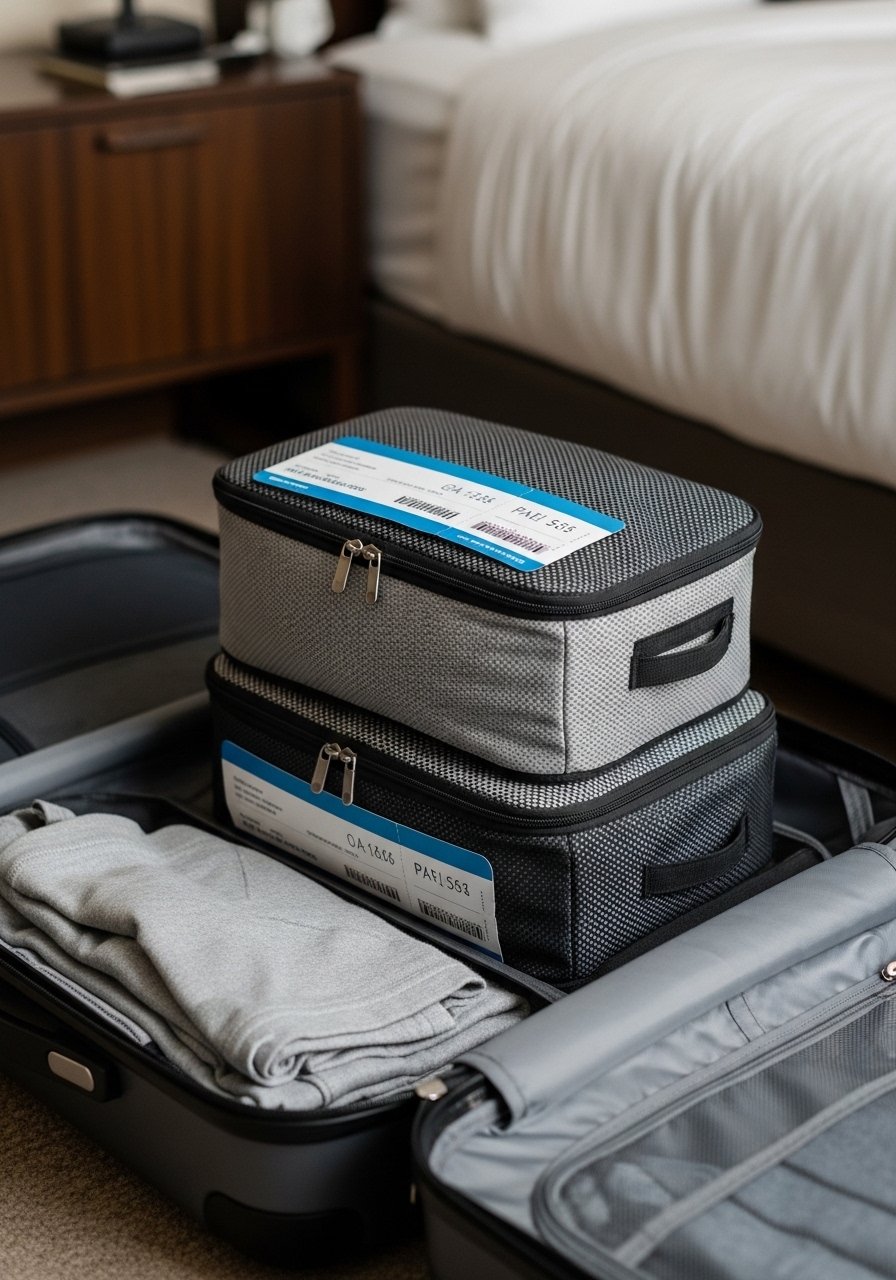
    Compression Packing Cubes That Keep Everything From Becoming a Mess

    Packing cubes changed how I travel. I stop digging for a clean shirt at 7 a.m. and start pulling the right cube instead. Use different cube sizes and colors for underwear, shirts, and dirty clothes.

    Compression cubes help when you need to squeeze extra souvenirs into the bag. But don’t over-compress delicate items. The main mistake is folding everything flat; roll t-shirts and fold knits to avoid creases.

    Why It Makes the List

    • Keeps items visible and separated.
    • Saves space and reduces anxiety when unpacking.
    • Speeds up security checks if you remove toiletries cube by cube.

    What You’ll Want for This

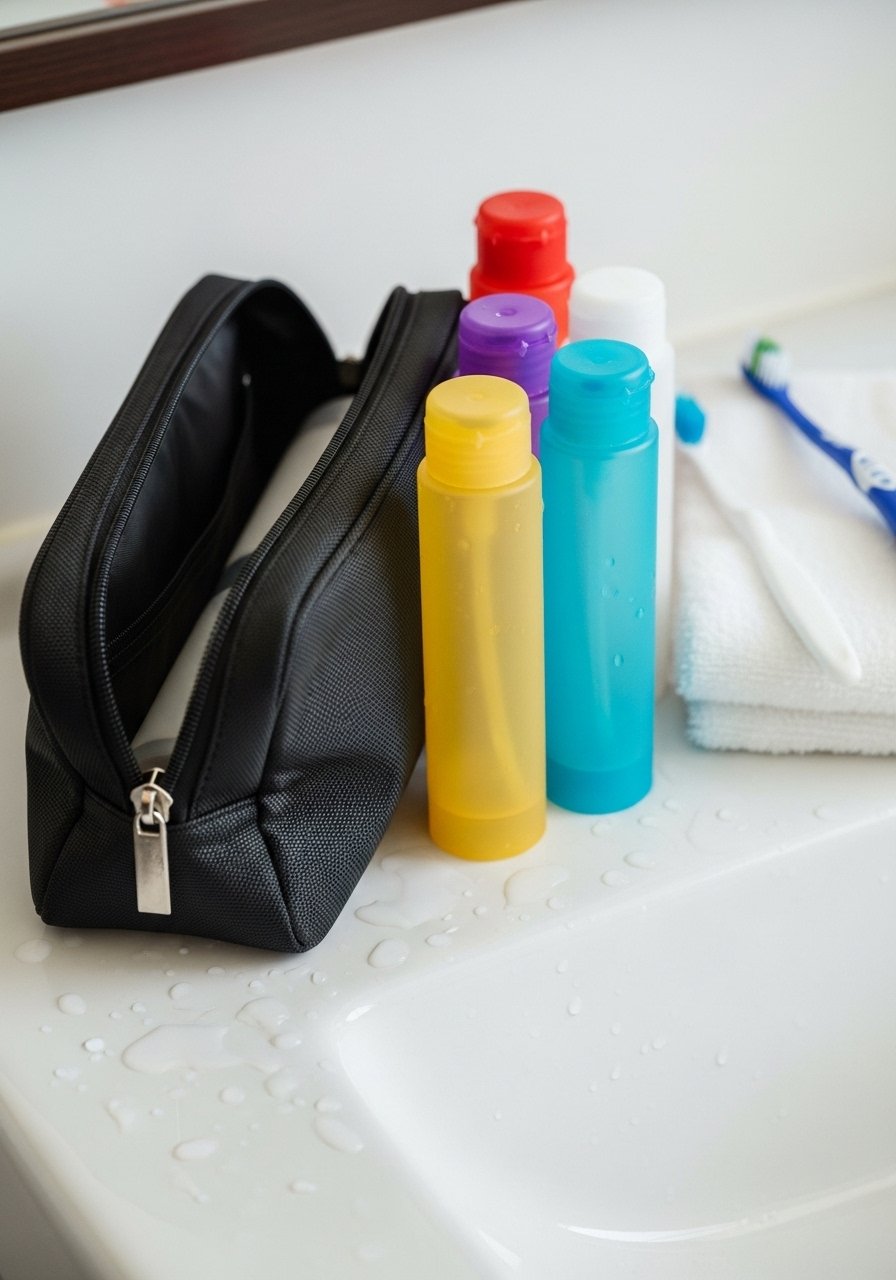
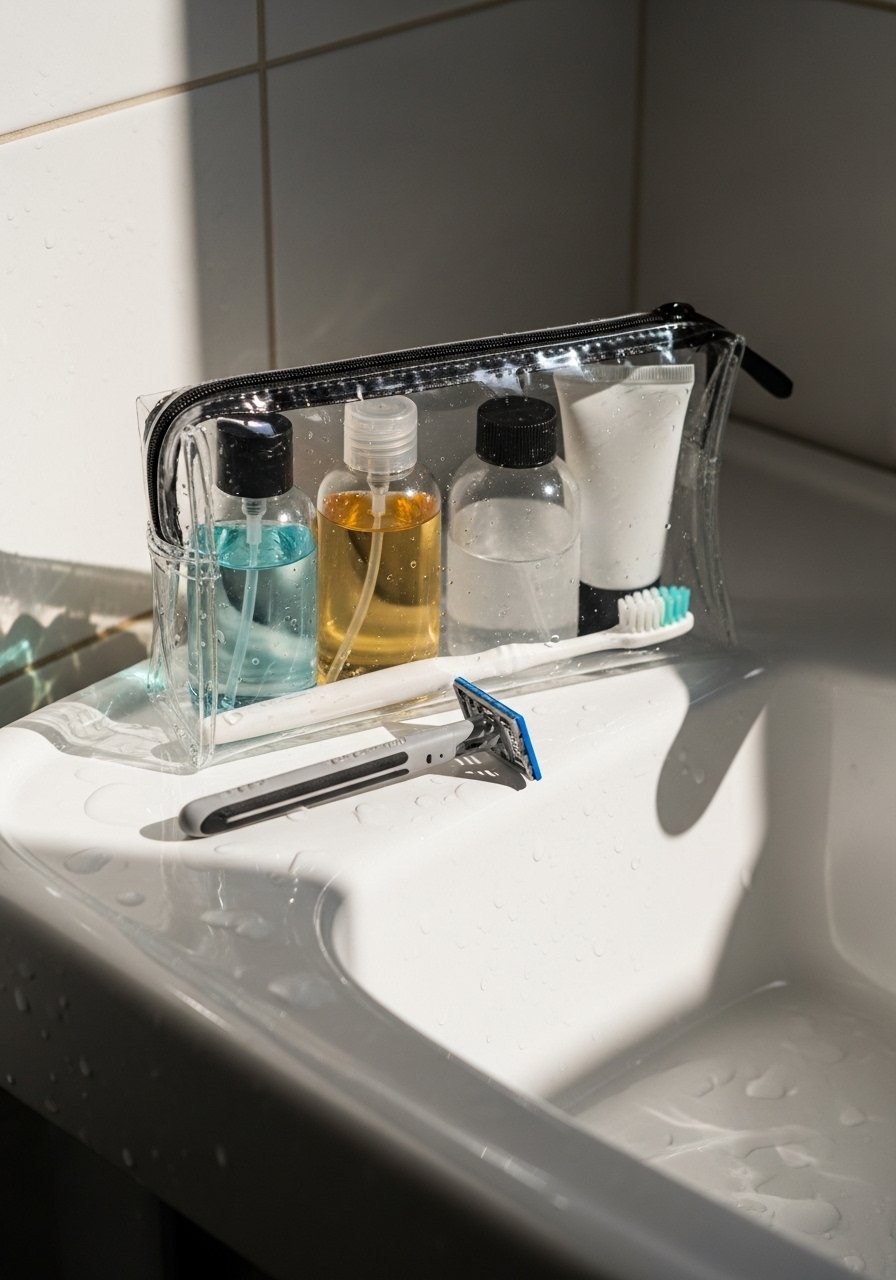
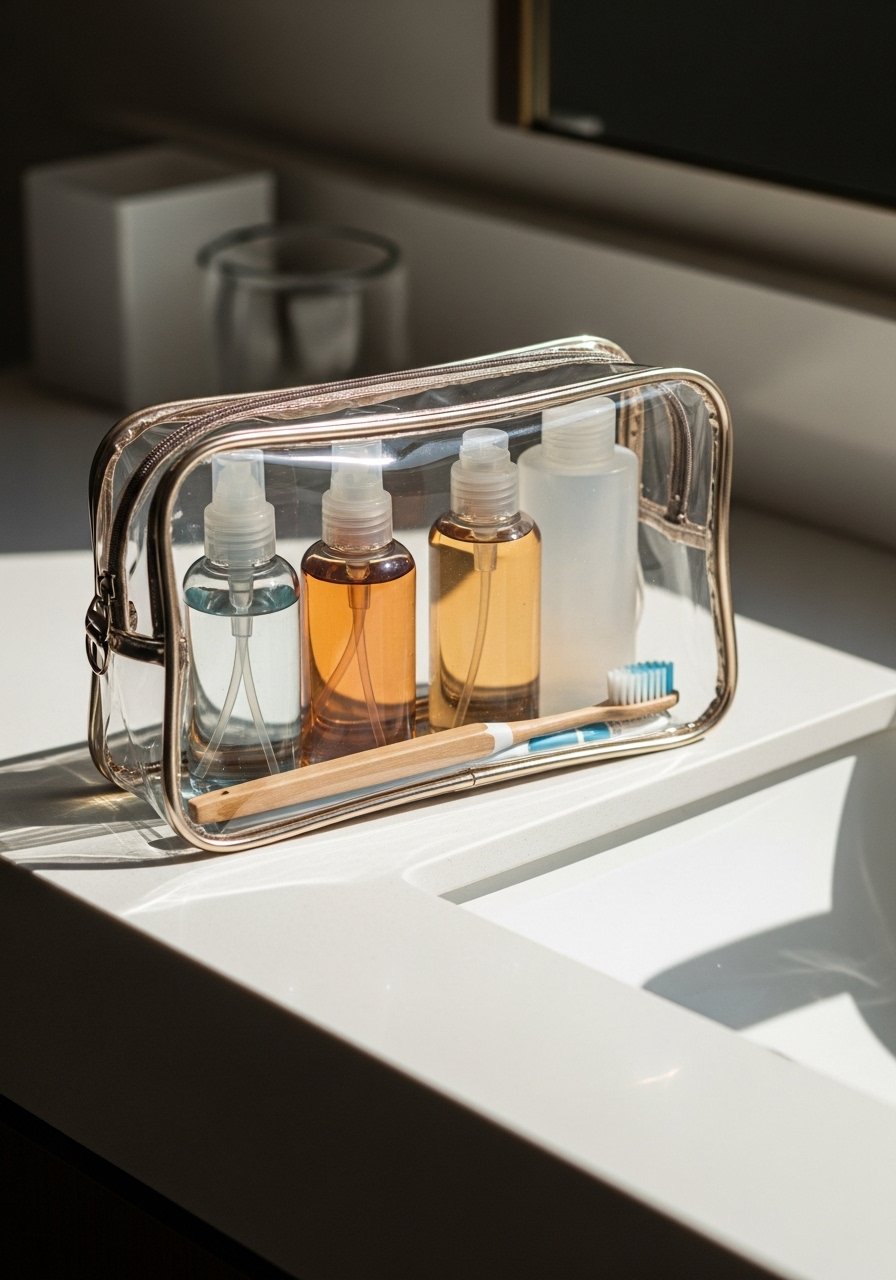
    Leakproof Toiletry Kit With Refillable Bottles

    I once had a shirt ruined by shampoo leaking deep in my checked bag. Now I use a dedicated, leakproof toiletry kit and refillable bottles labeled with a sharpie. Keep liquids under 100 ml if you’re carry-on only.

    Choose a bag with a waterproof lining and an external pocket for wet swimwear or receipts. The underrated move: pack a small roll of plumber’s tape for leaky caps; it saved me in Morocco.

    Why It Makes the List

    • Stops leaks from ruining clothes.
    • Lets you breeze through TSA with pre-measured liquids.
    • Keeps daily items consolidated for quick hotel stays.

    What You’ll Want for This

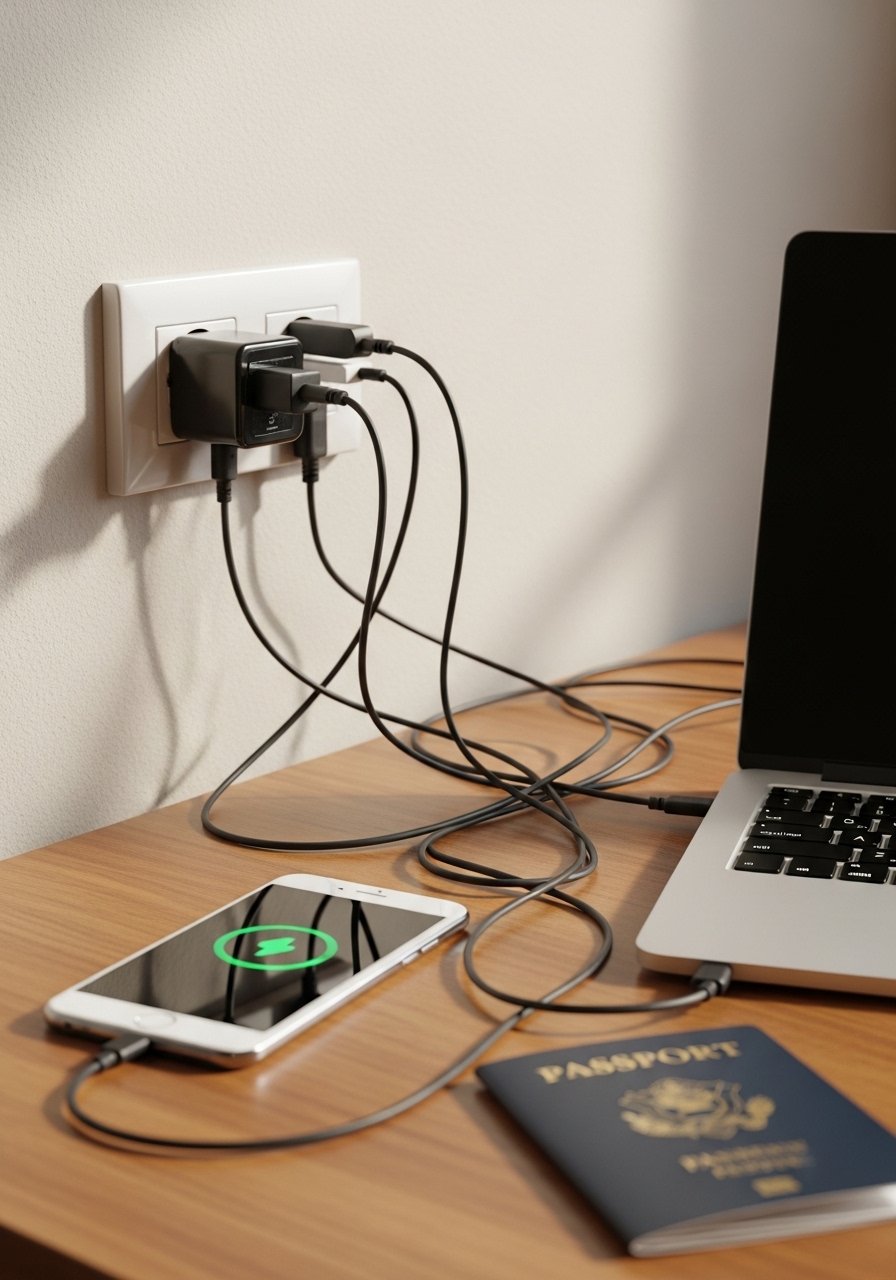
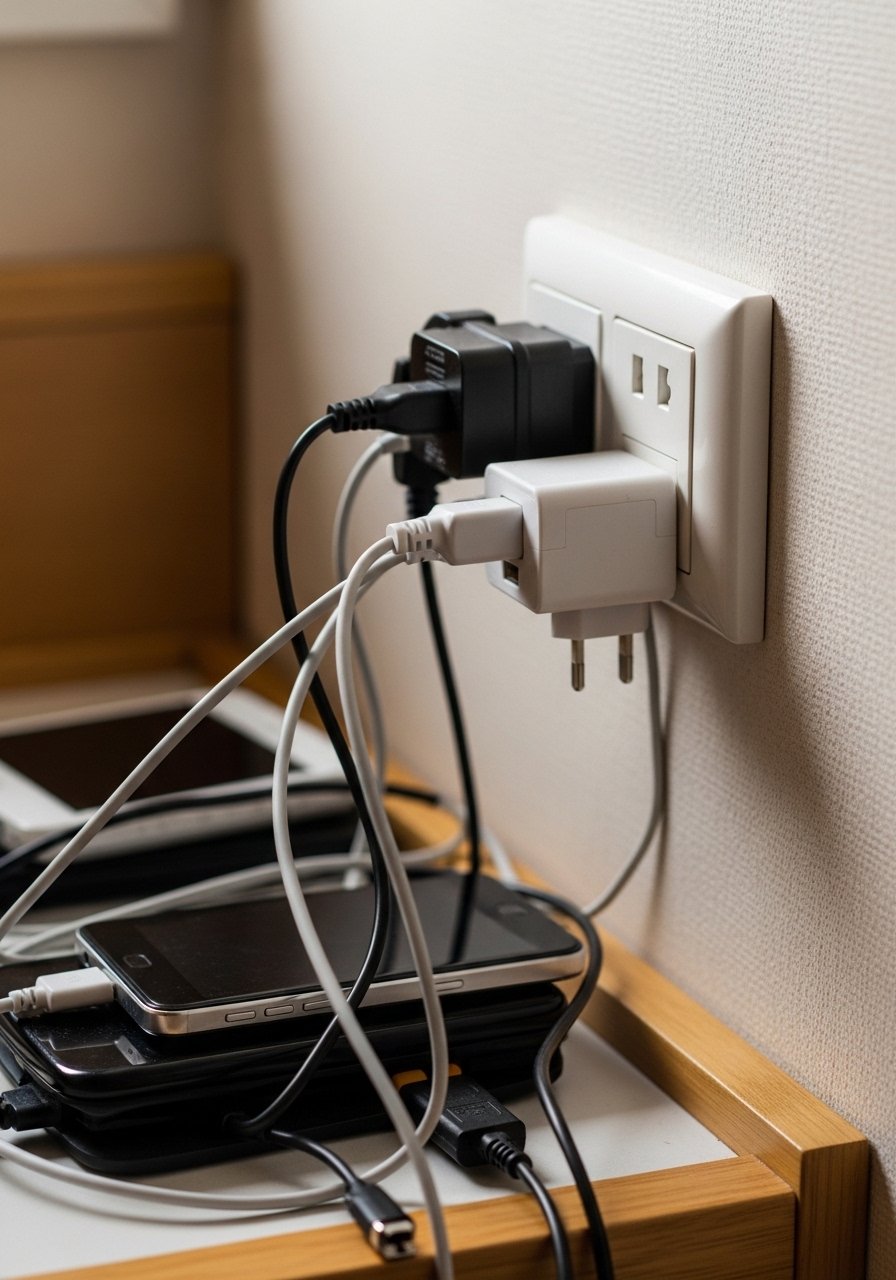
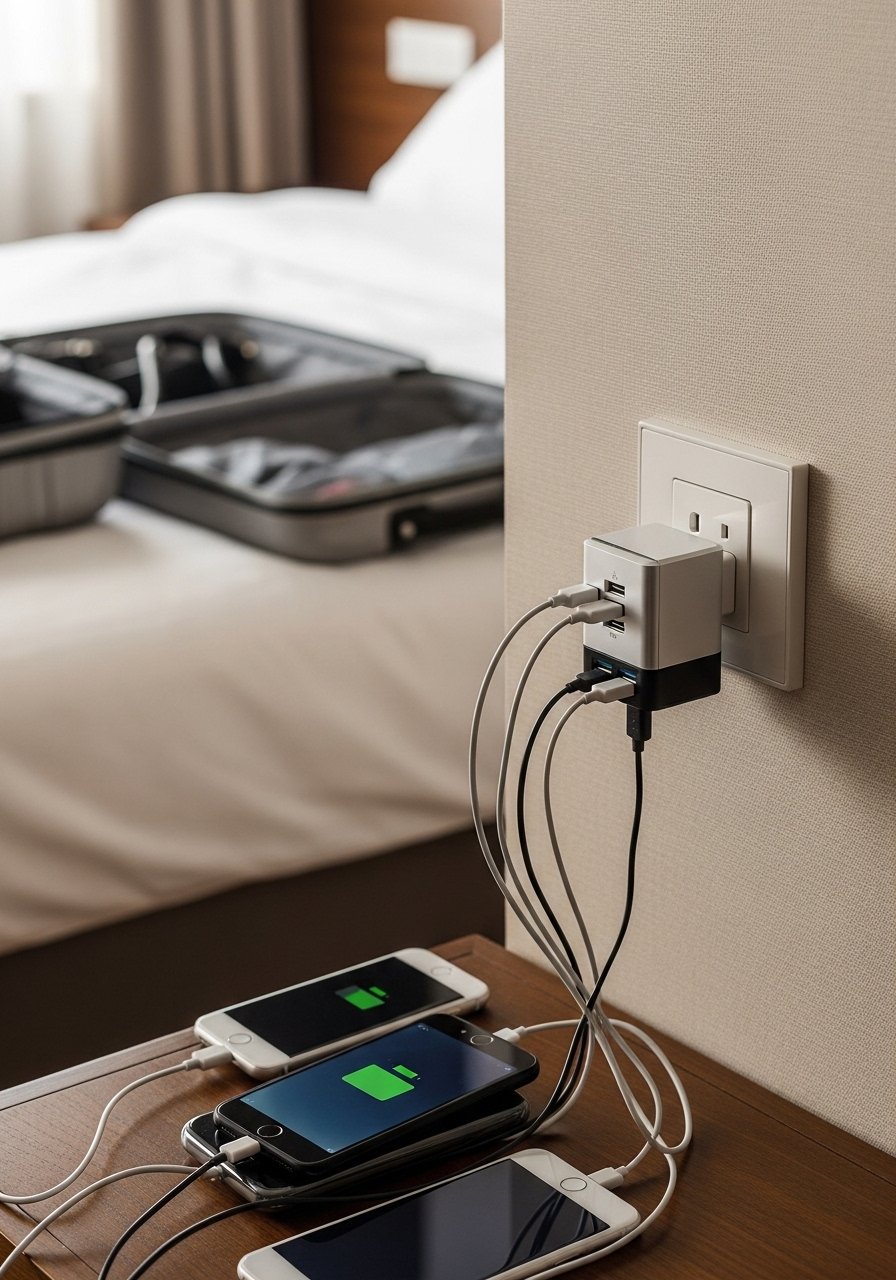
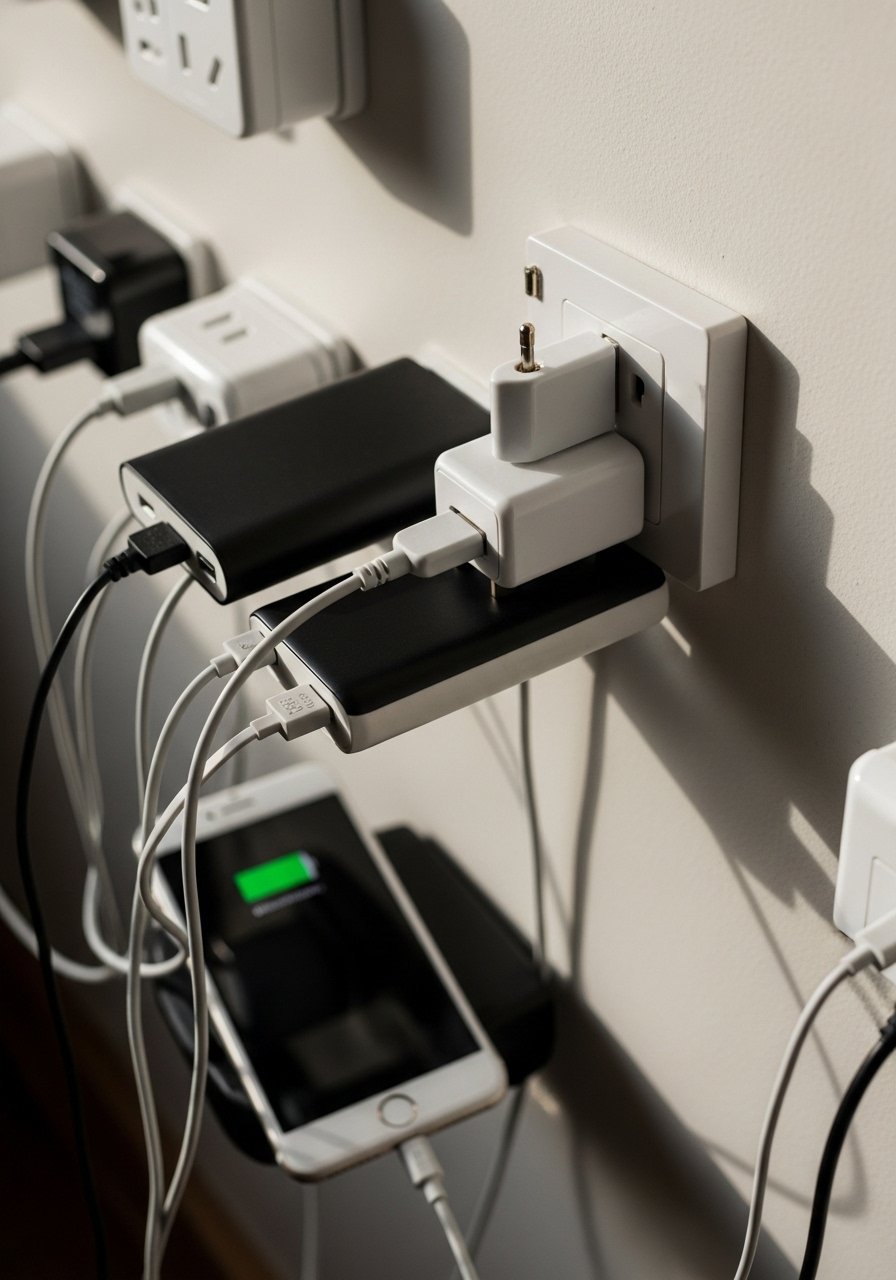
    Universal Travel Adapter With USB Ports

    A universal adapter is the only thing I buy once and then rely on for years. Don’t buy cheap knockoffs; get one with fused protection and at least two USB ports. If it supports USB-C PD, you can charge laptops faster.

    I keep the adapter in the top pocket for quick coffee-shop charging. The common mistake is assuming hotels will have the right plug; they rarely do, even in supposedly modern places.

    Why It Makes the List

    • Lets you charge multiple devices safely.
    • Reduces the need for local buys.
    • Easier than hunting for compatible plugs at 2 a.m.

    What You’ll Want for This

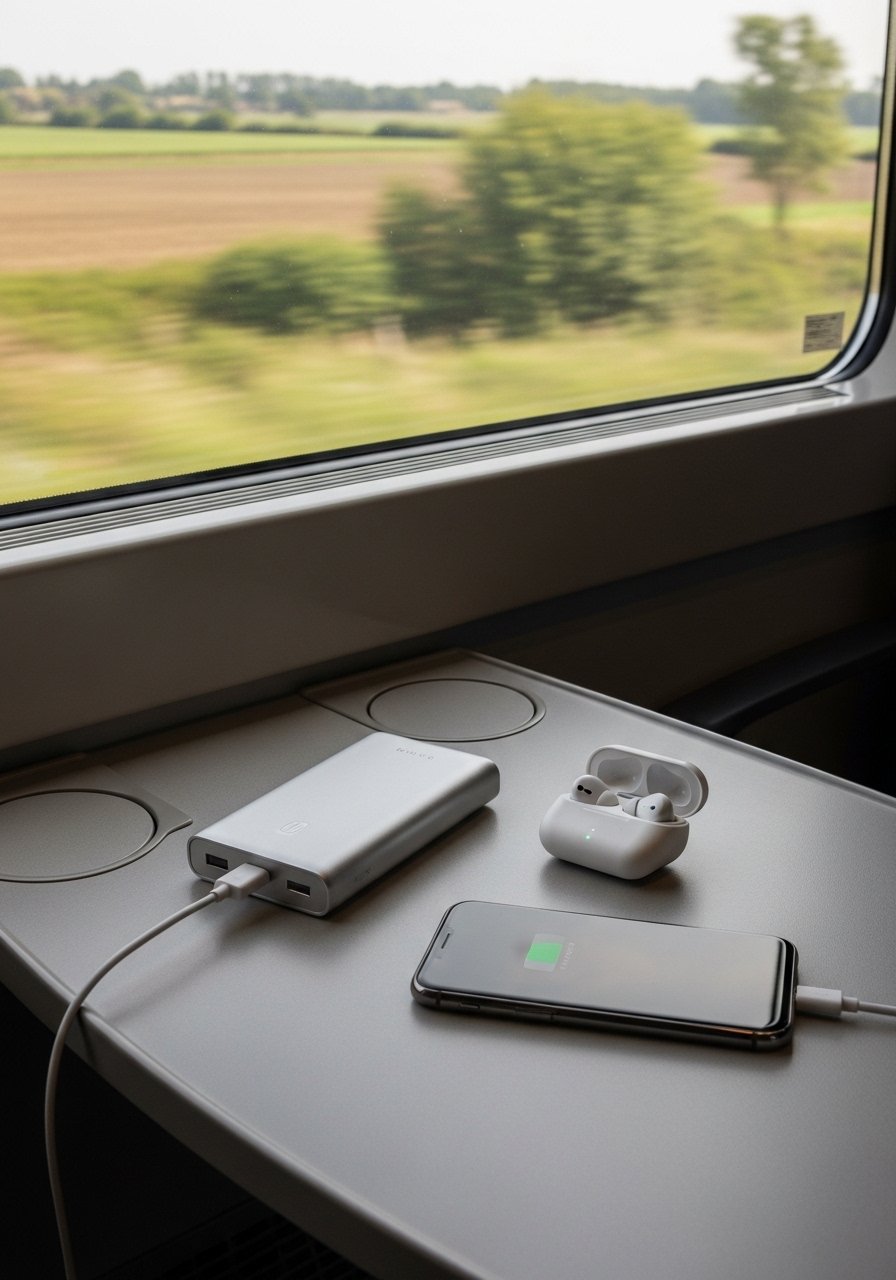
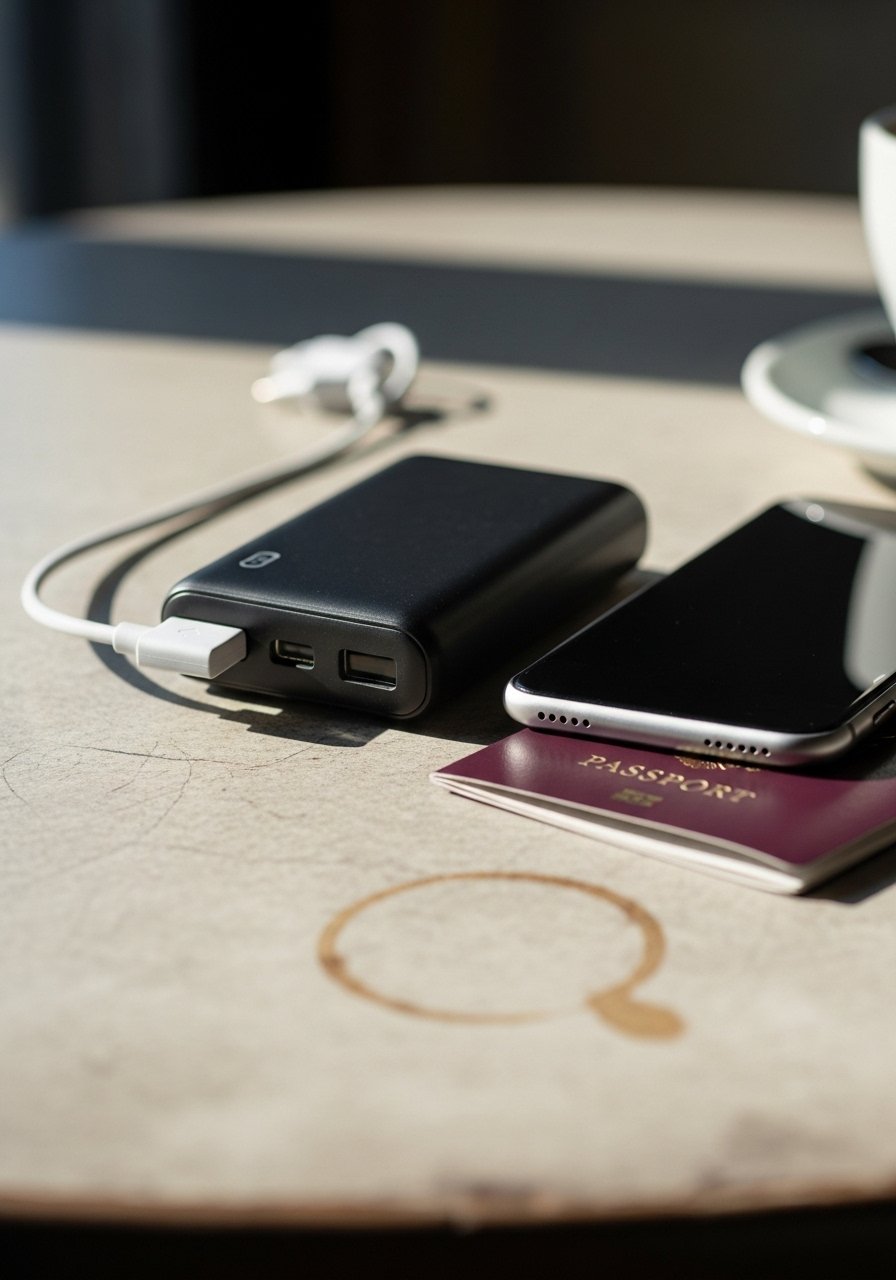
    Compact High-Capacity Power Bank

    Dead phones ruin spontaneous plans. I carry a compact power bank with 20,000 mAh: enough for multiple charges without being a brick. Pick one that supports fast charging and USB-C in/out.

    I charge it nightly in hostels or during long travel days. I avoid cheap batteries that die fast or get flagged at airports. Keep the power bank in your carry-on — airlines prohibit these in checked luggage.

    Why It Makes the List

    • Keeps devices powered during long transit.
    • Avoids emergency charger hunts.
    • Useful for maps, translation, and boarding passes.

    What You’ll Want for This

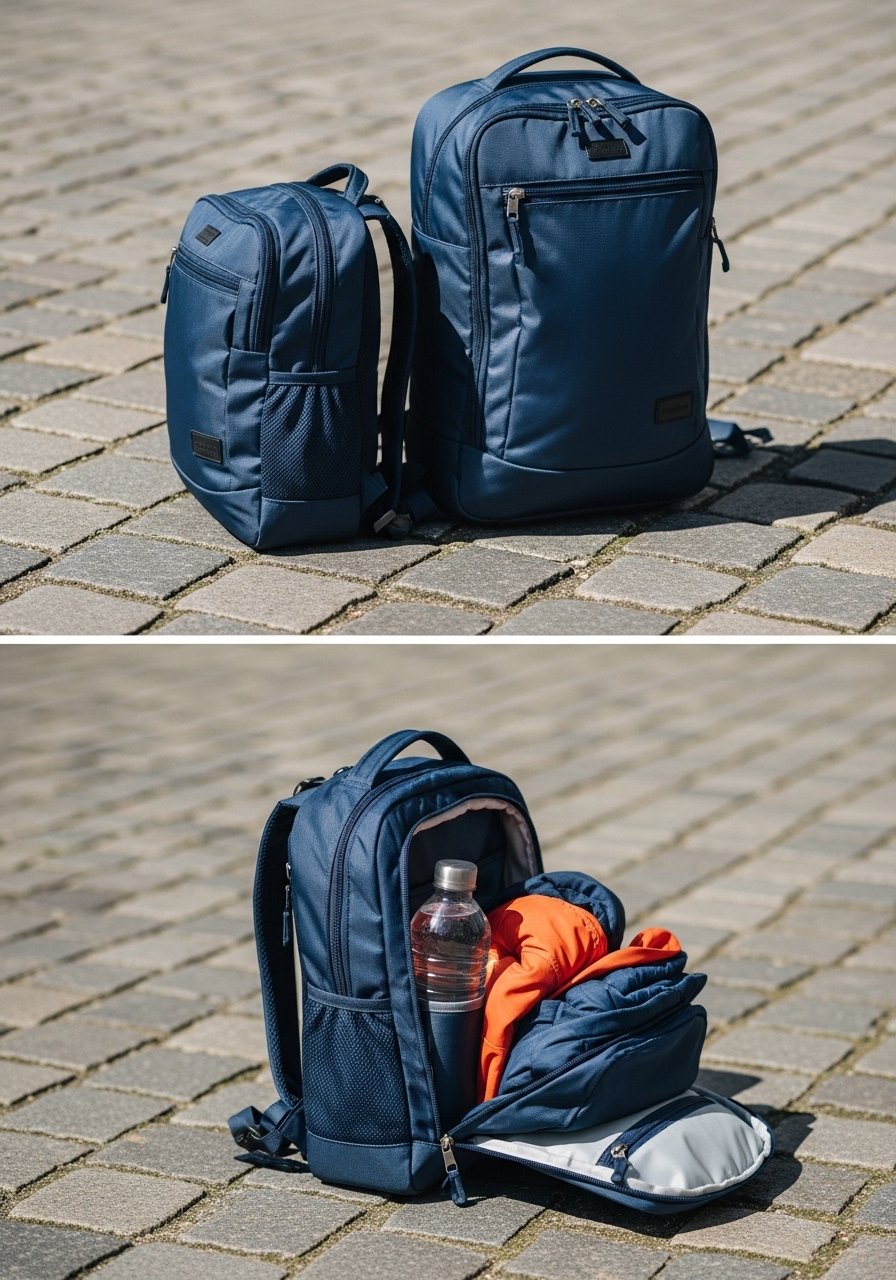
    Lightweight Foldable Daypack for Daily Runs

    I don’t want my main bag everywhere. A foldable daypack fits inside and becomes my daily carry for markets, museums, and hikes. Look for water-resistant fabric and a zippered pocket for valuables.

    If you’ll be on guided tours or day trips, having a separate bag avoids dragging your full pack. Don’t underestimate padding — thin straps can hurt on long days.

    Why It Makes the List

    • Keeps daily essentials contained and light.
    • Saves your main bag from extra wear.
    • Handy for unexpected detours or last-minute purchases.

    What You’ll Want for This

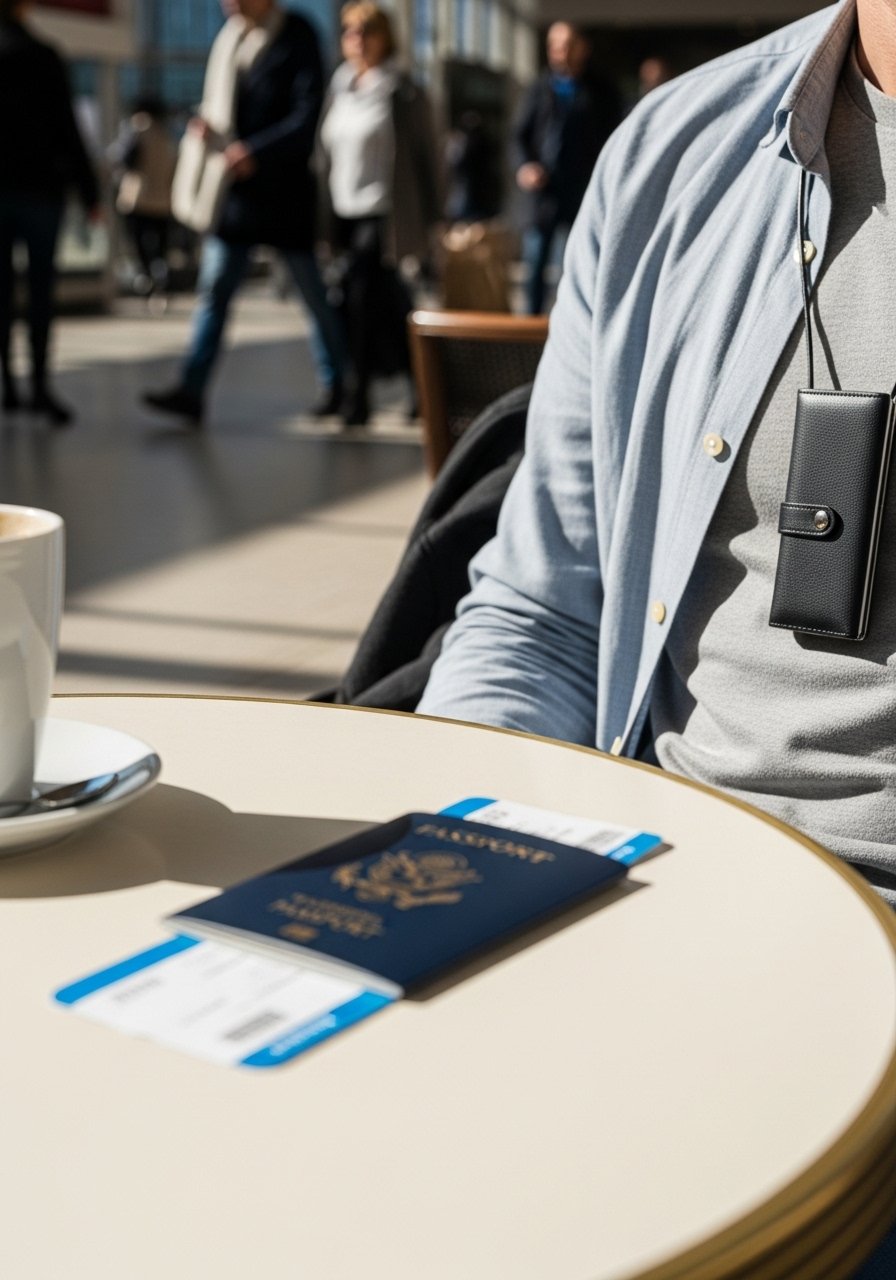
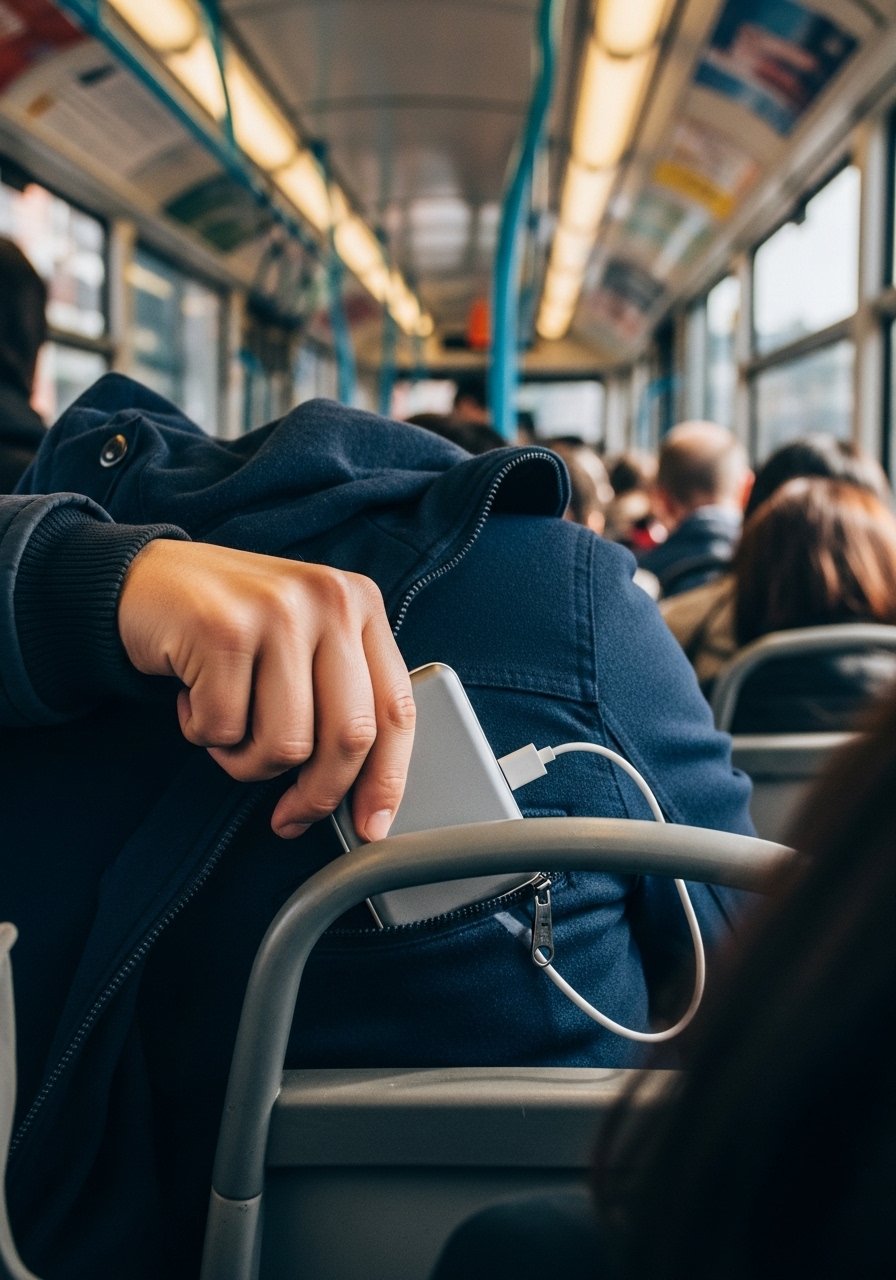
    RFID-Blocking Neck Wallet or Slim Money Belt

    Pickpockets love crowds and open bags. I use a slim RFID-blocking neck wallet when I’m in busy transit hubs. It’s subtle and keeps my passport, cards, and emergency cash safe.

    Wear it under a shirt or jacket. The common mistake is storing everything in a back pocket or outer bag. If you have to use a hotel safe, still keep a photocopy of your passport elsewhere.

    Why It Makes the List

    • Protects documents and cards in crowded places.
    • Lowers stress on trains and markets.
    • Easy to stow under clothing and forget about.

    What You’ll Want for This

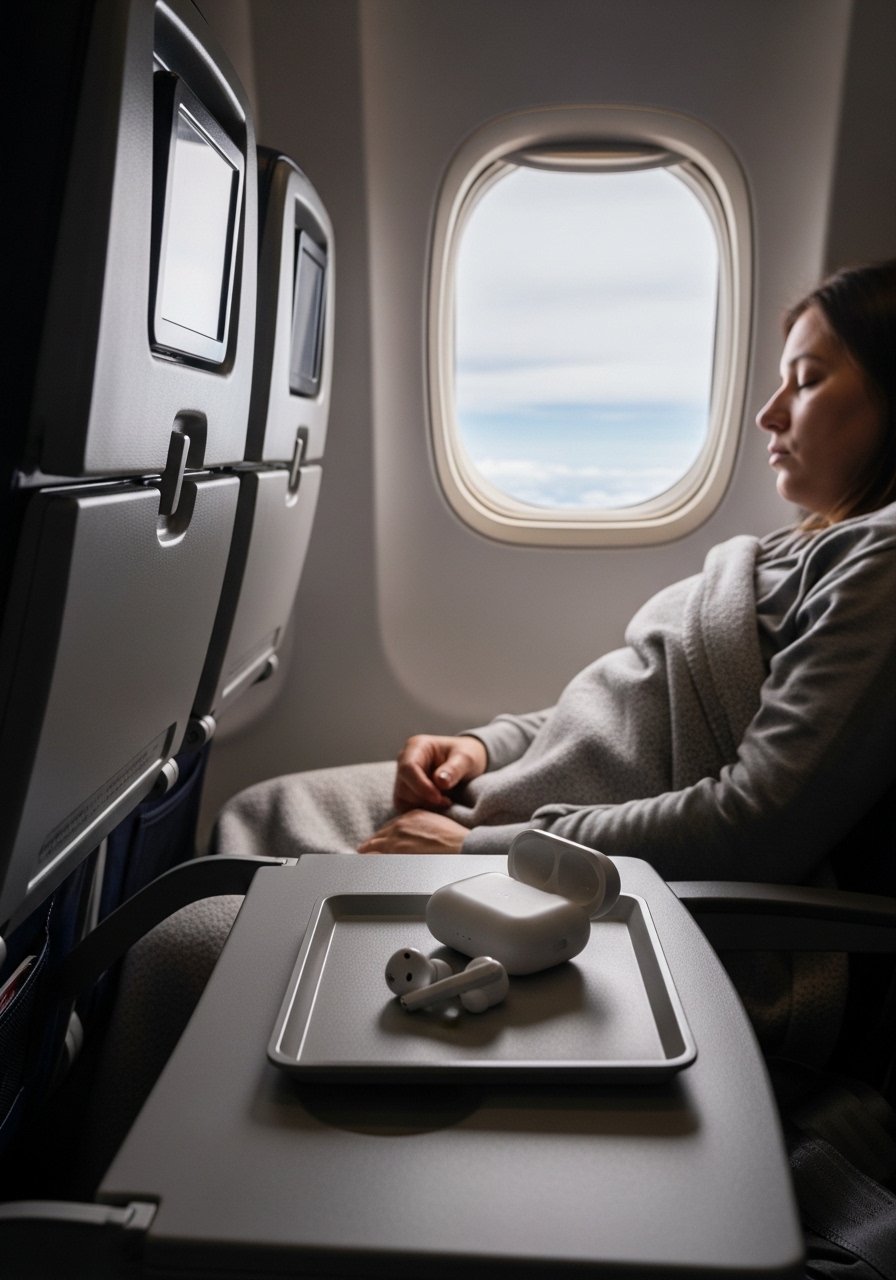
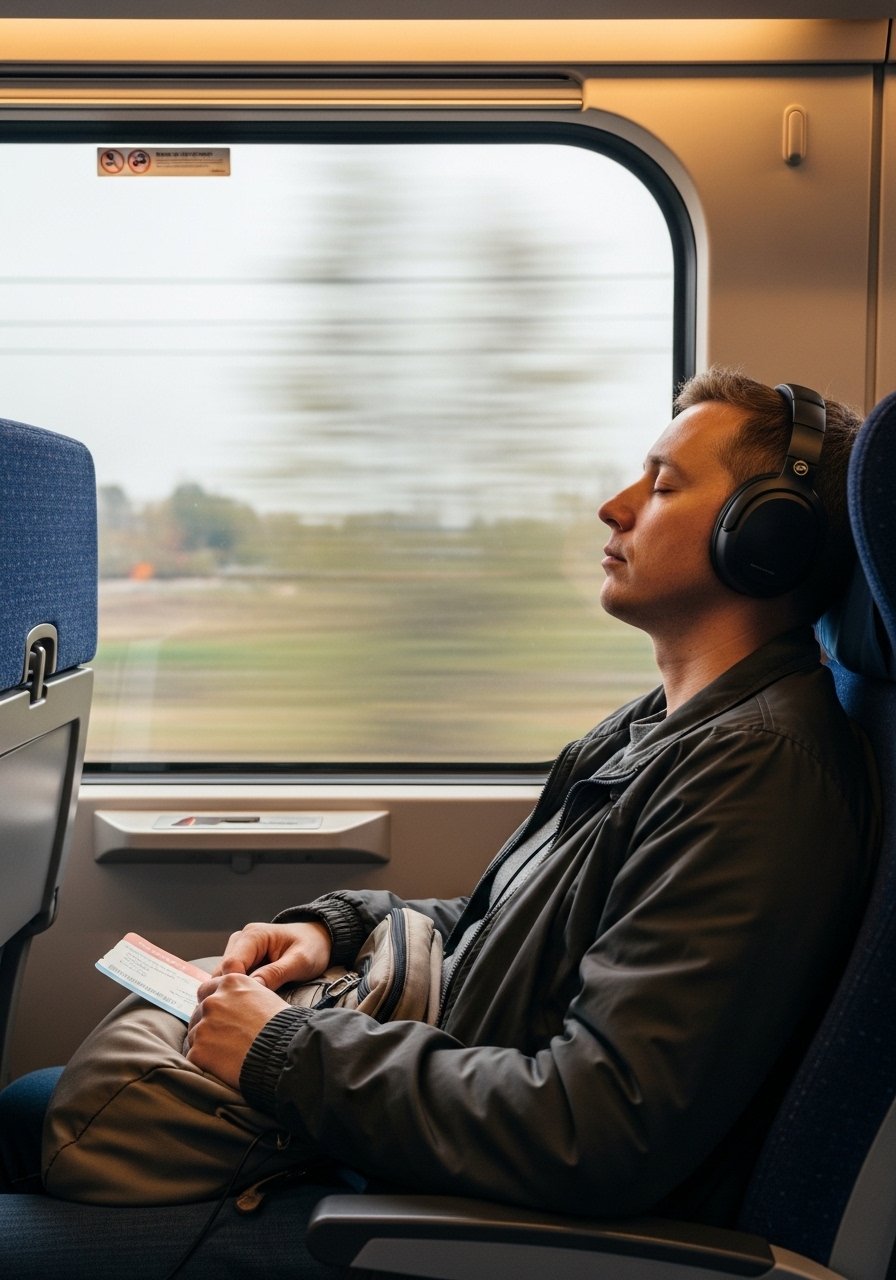
    Noise-Cancelling Earbuds or Headphones

    Sleepless flights and noisy hostels test patience. I carry compact noise-cancelling earbuds for flights and shared rooms. They make naps possible and block out snoring or train noise.

    Battery life matters — ensure the case charges quickly and carries extra charges. Cheap earbuds often lose connection during transit and are more stress than help.

    Why It Makes the List

    • Helps sleep and focus in noisy environments.
    • Reduces travel fatigue.
    • Useful for audio guides and calls.

    What You’ll Want for This

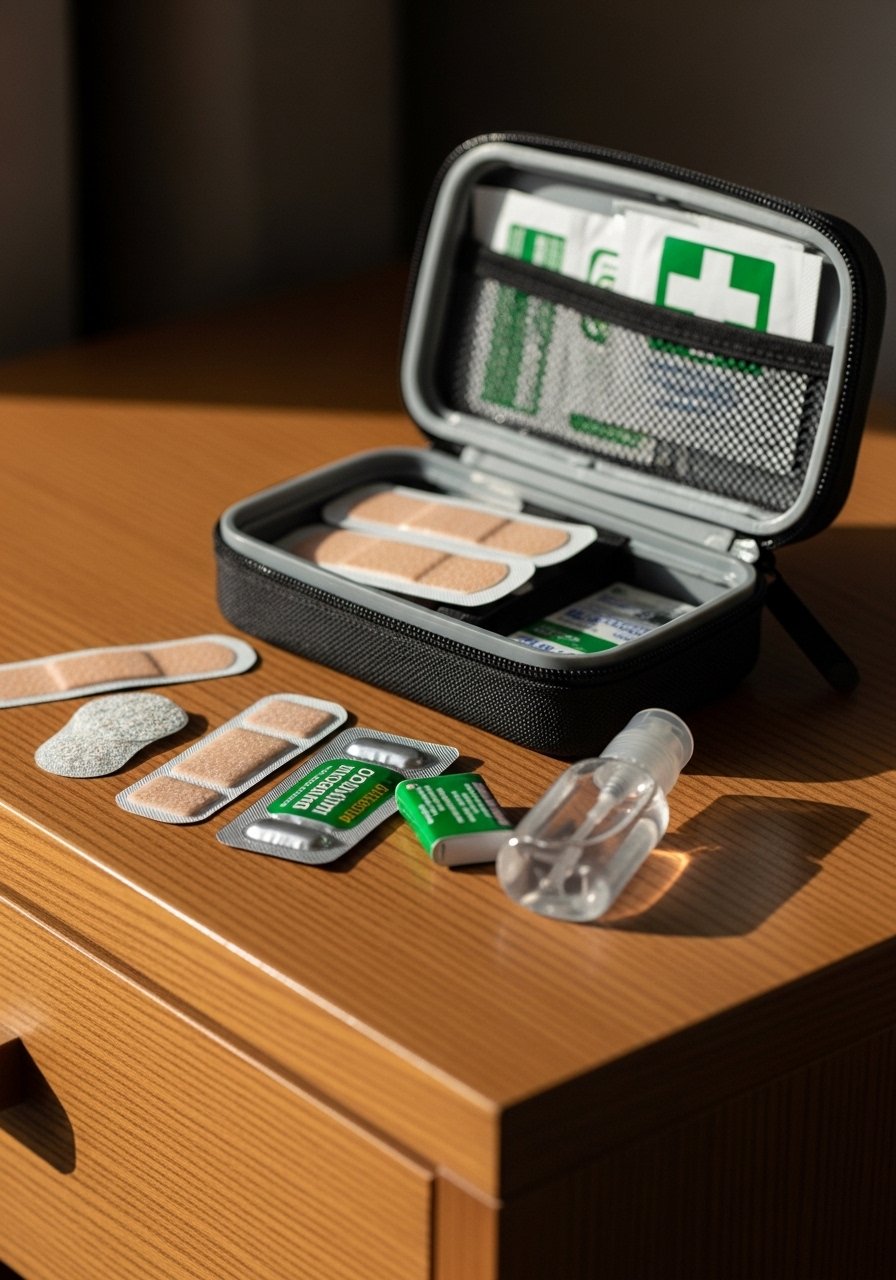
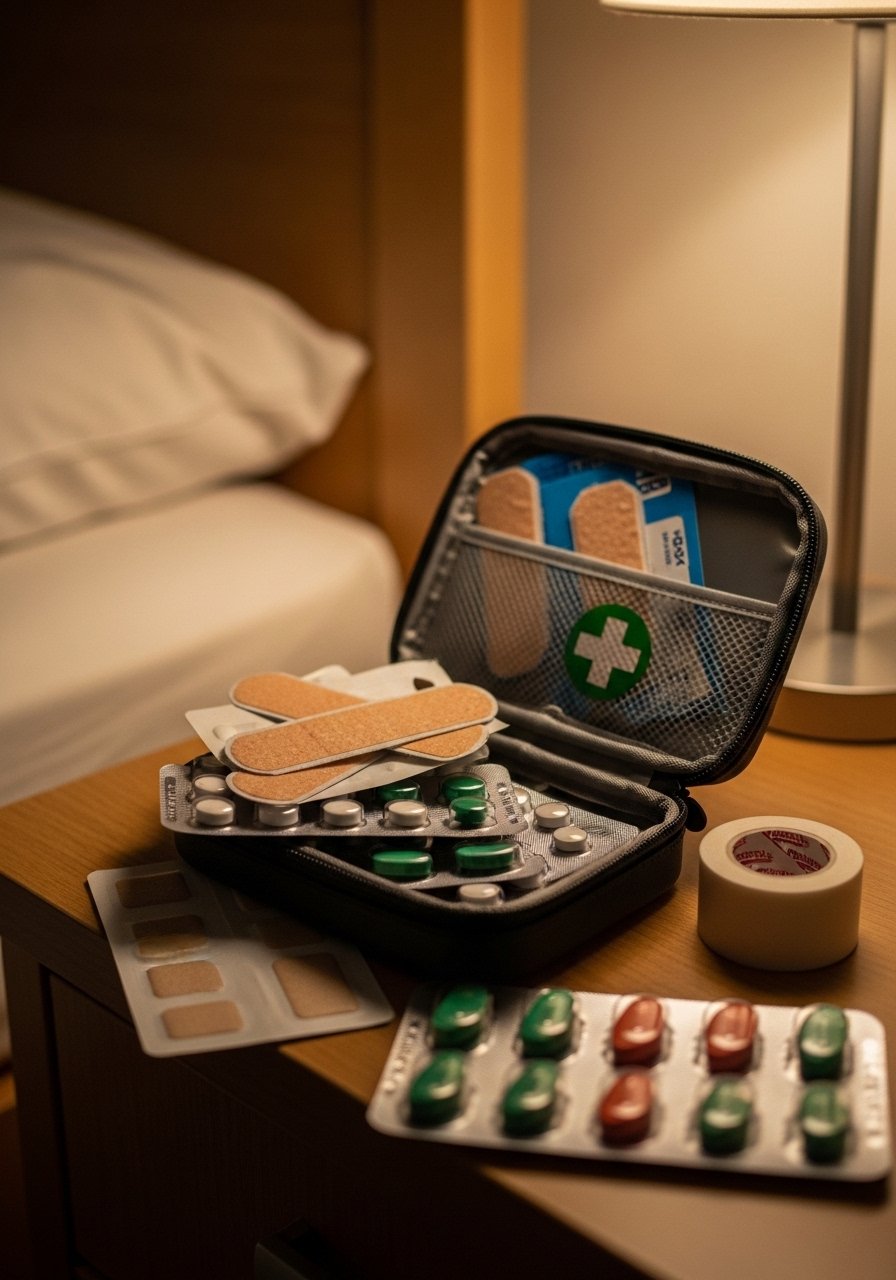
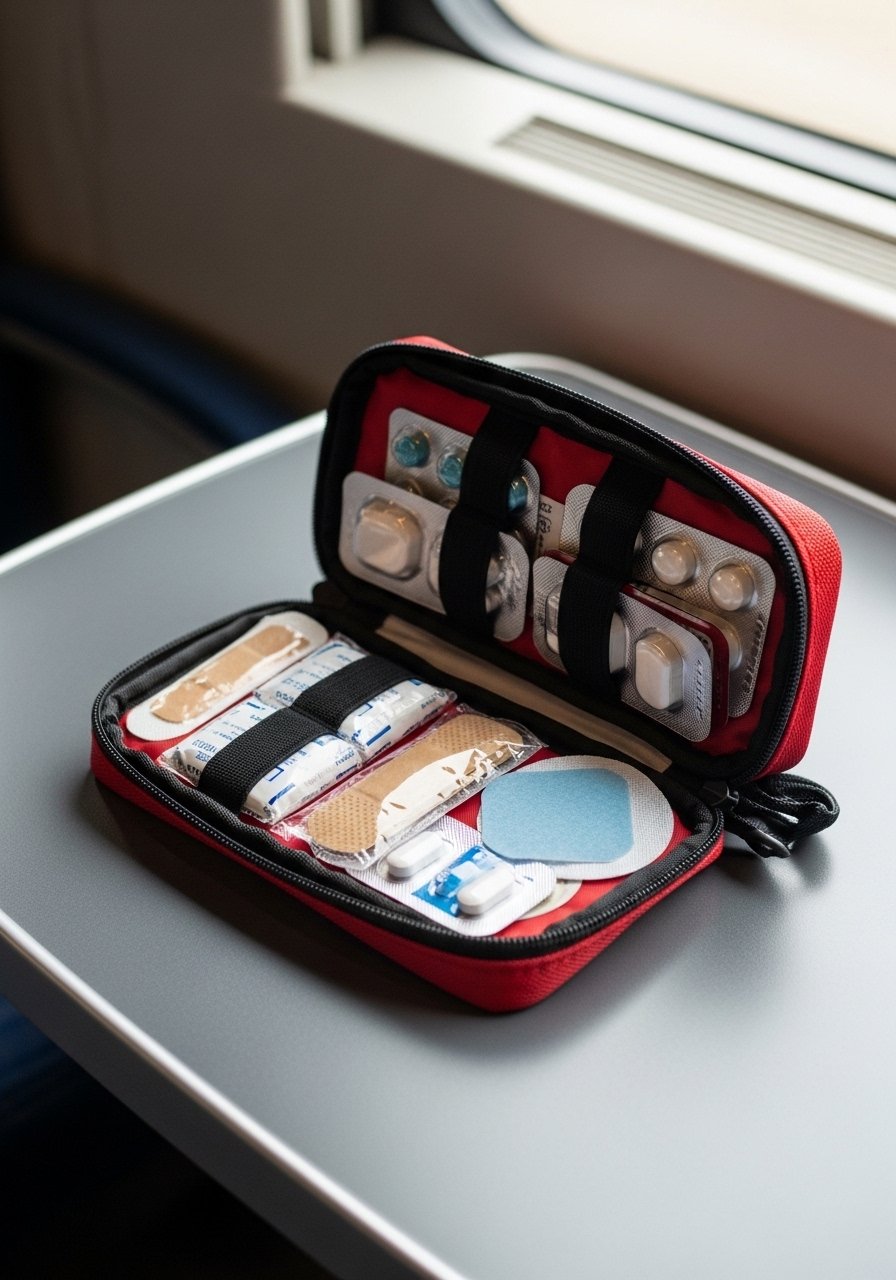
    Basic First-Aid Kit and Common Meds

    I learned that a blister kills a walking day. A tiny first-aid kit with plasters, blister pads, antihistamine, and painkillers lives in my bag. Include any prescription meds with copies of prescriptions.

    Pack items in a waterproof pouch and refresh after each trip. The mistake is assuming you can buy these easily abroad — you can, but not always in rural areas or on holiday weekends.

    Why It Makes the List

    • Keeps minor medical issues from derailing plans.
    • Saves time and money in places with limited pharmacy hours.
    • Compact and often lighter than buying replacements.

    What You’ll Want for This

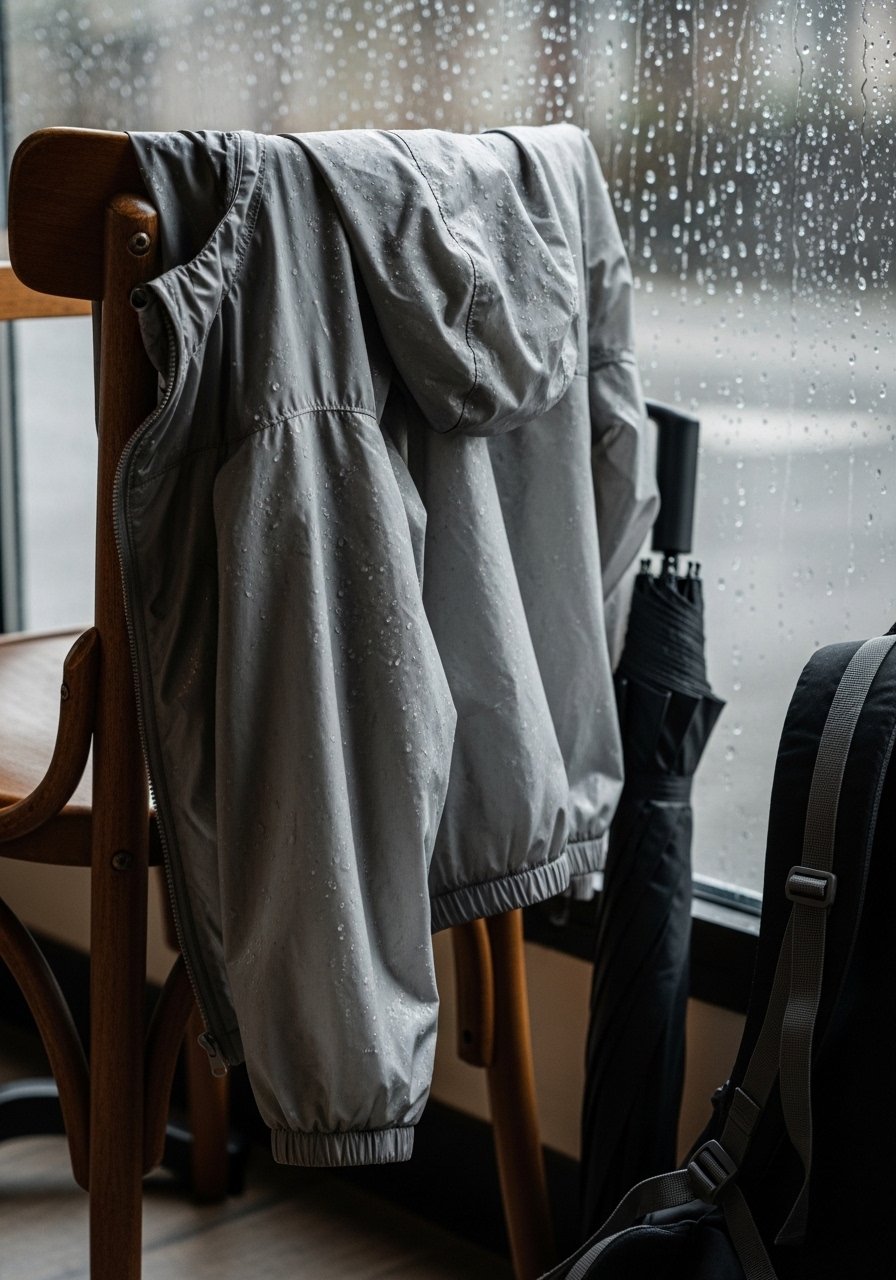
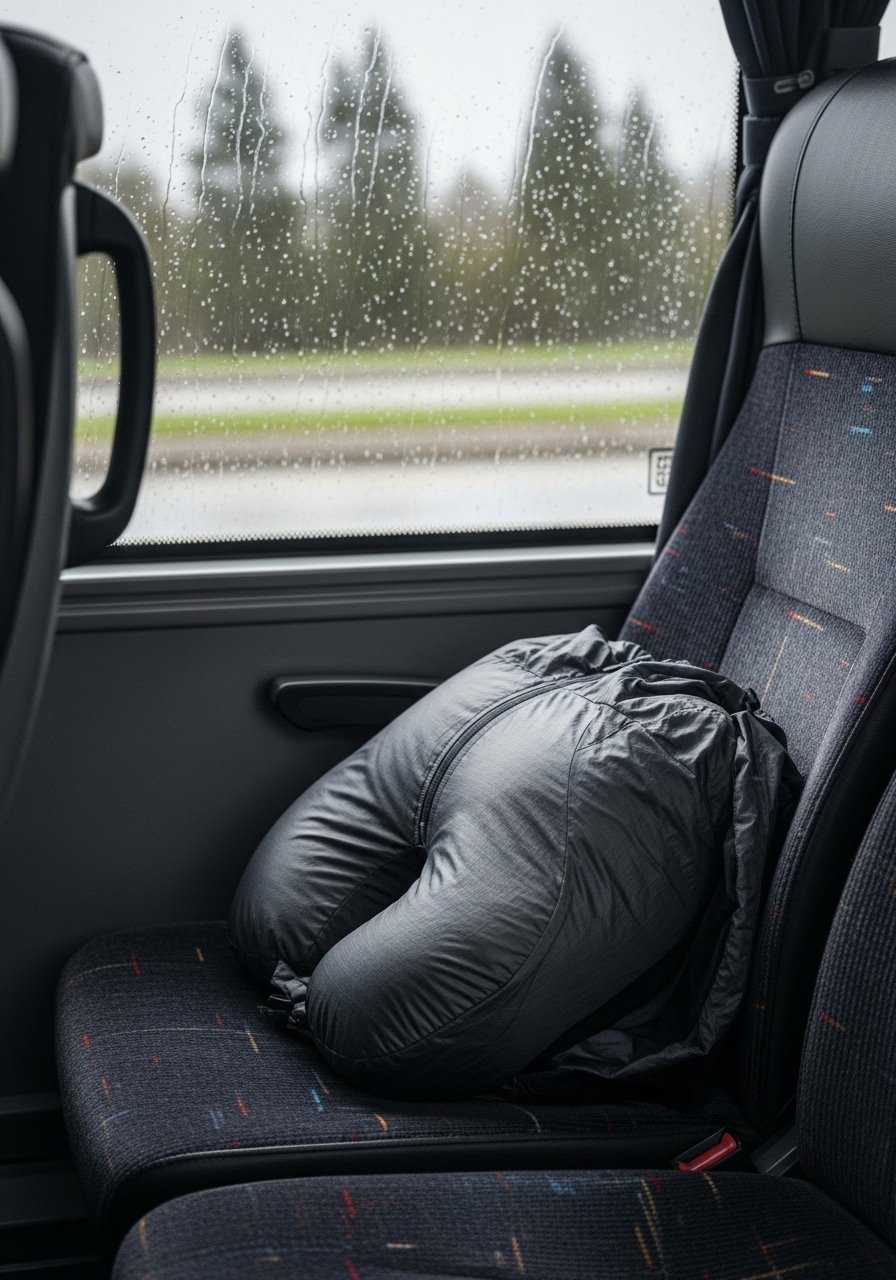
    Packable Waterproof Rain Jacket With Hood

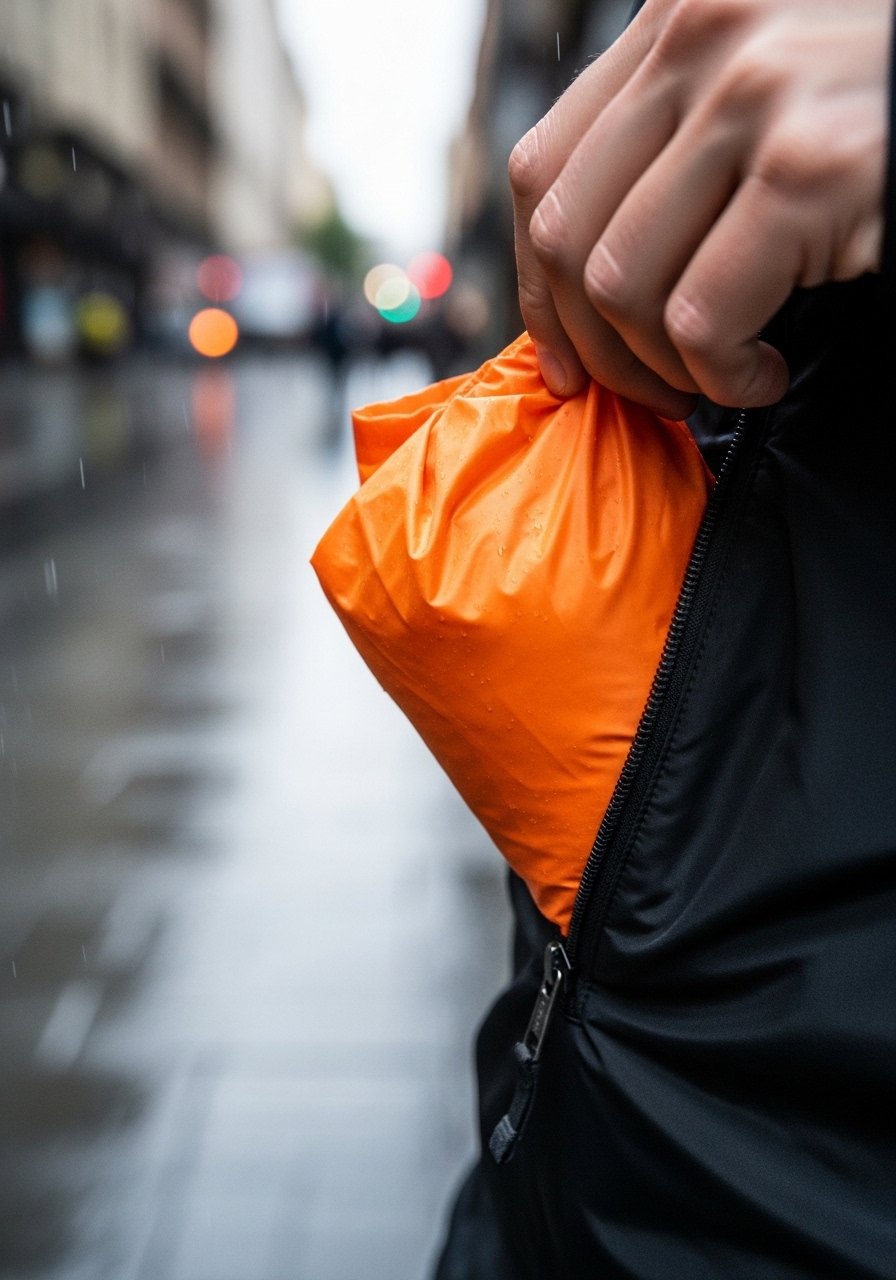
    Rain always arrives when plans are tight. I pack a lightweight, packable rain jacket with a hood that fits over a sweater. It’s lighter than an umbrella and won’t blow inside out.

    Make sure it’s breathable — otherwise you sweat and then shiver. The mistake is bringing bulky outerwear that you don’t end up using. A compressible jacket slips into a packing cube.

    Why It Makes the List

    • Keeps you dry without adding much weight.
    • Useful for sudden downpours and windy city days.
    • Packs small into outer pockets for easy access.

    What You’ll Want for This

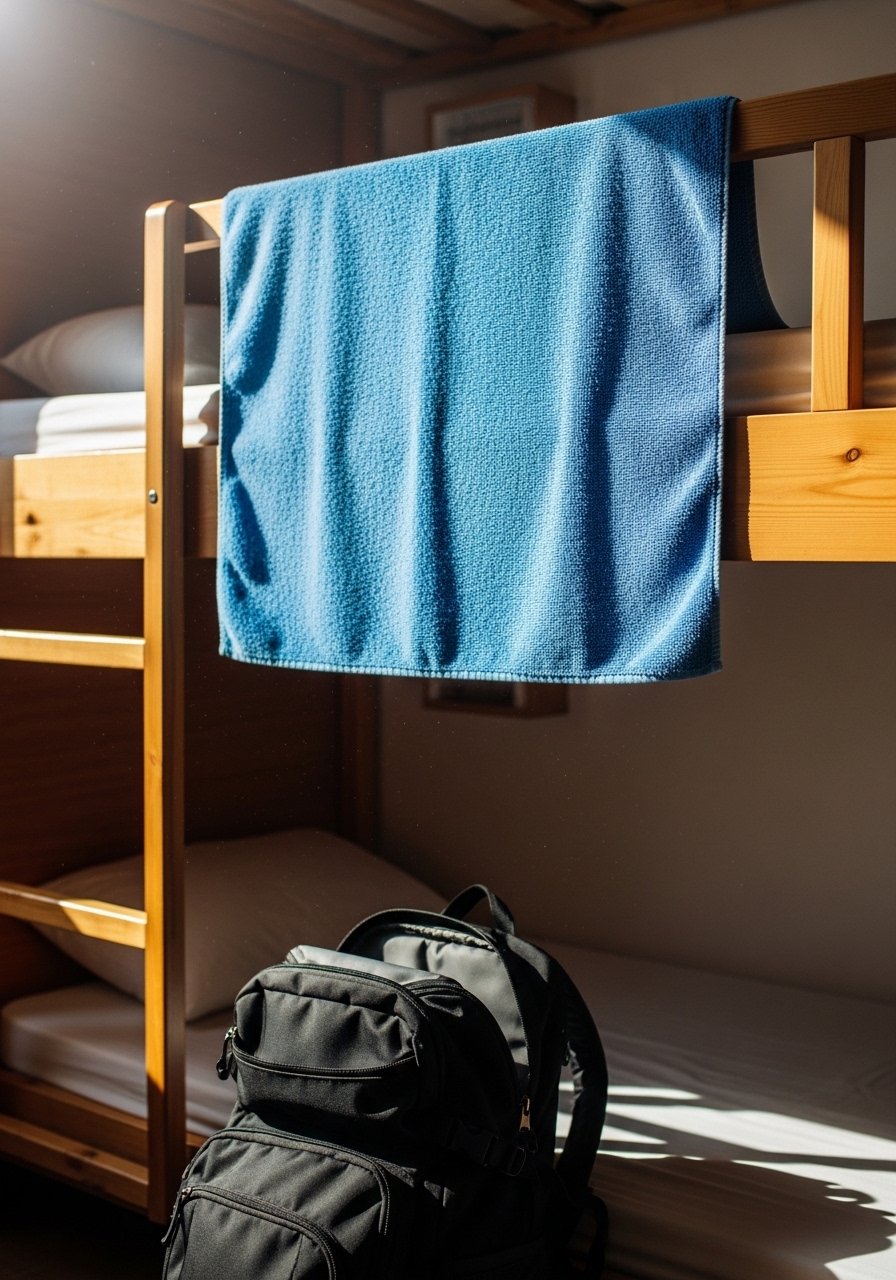
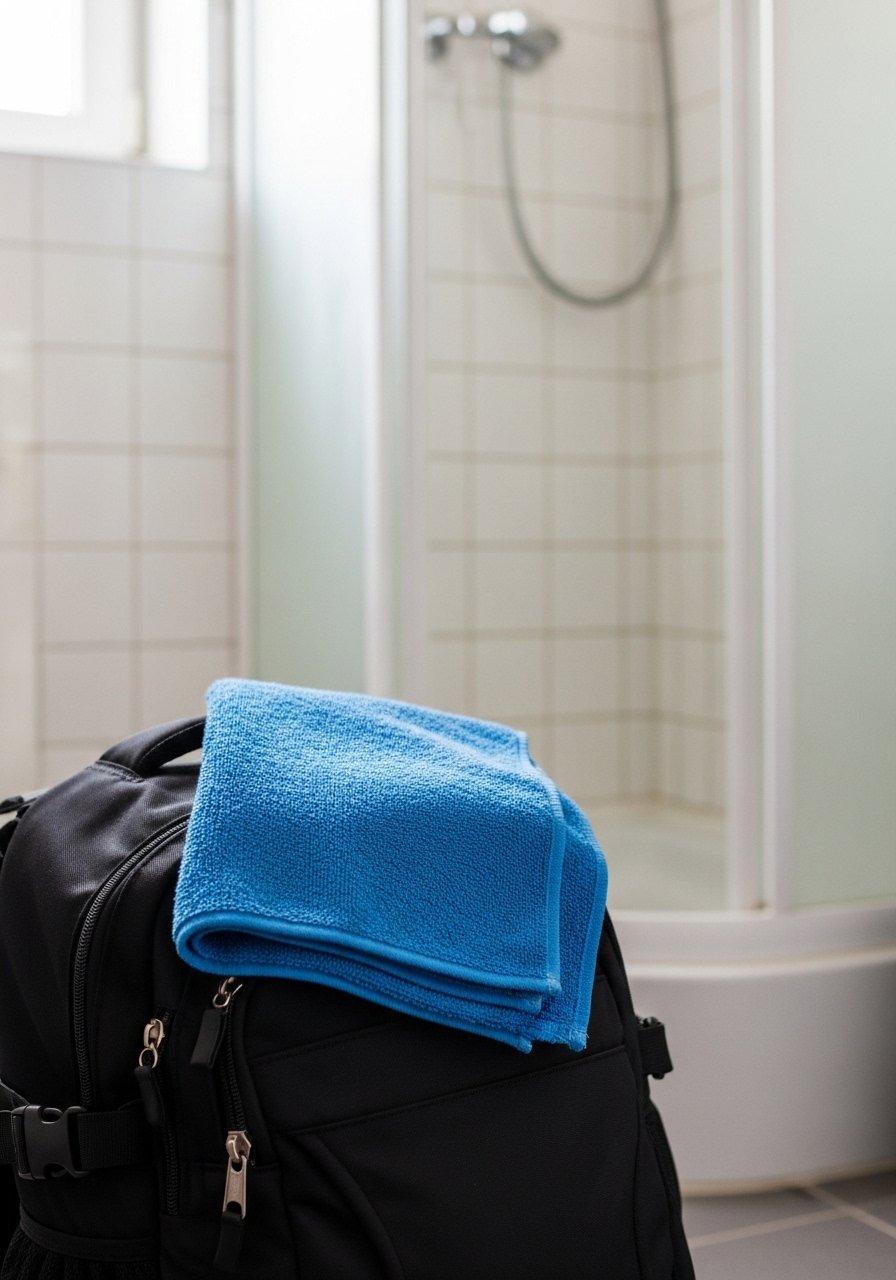
    Quick-Dry Microfiber Towel

    Hostels and spontaneous swims require a towel that dries fast. Microfiber towels pack small and dry overnight. I keep a medium-size one in my daypack for beaches or sweaty hikes.

    Avoid giant hotel towels; they’re heavy and slow to dry. The common mistake is assuming laundry will be frequent — I wash small items by hand, and a good towel is essential.

    Why It Makes the List

    • Dries quickly and takes little space.
    • Doubles as a picnic blanket or scarf in a pinch.
    • Cuts laundry time on long trips.

    What You’ll Want for This

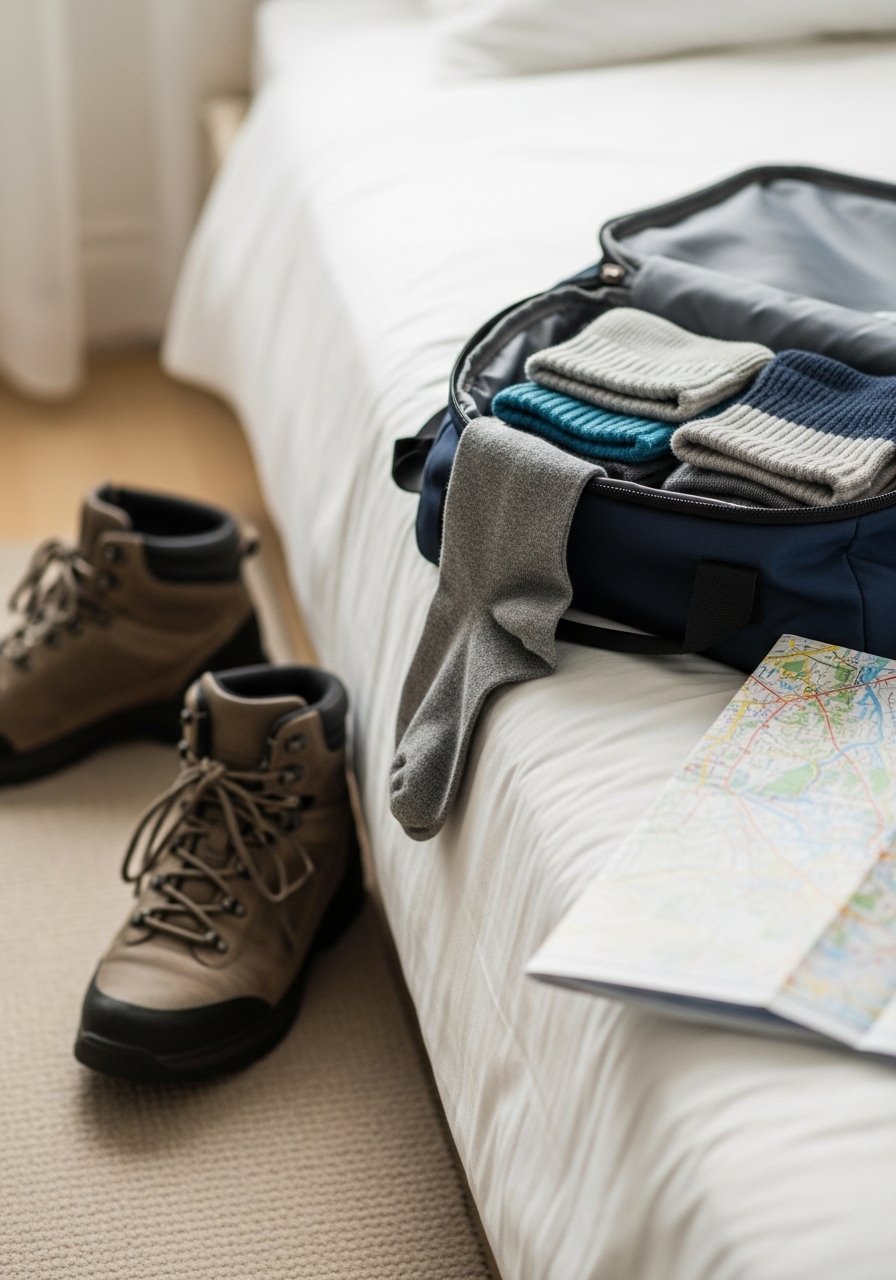
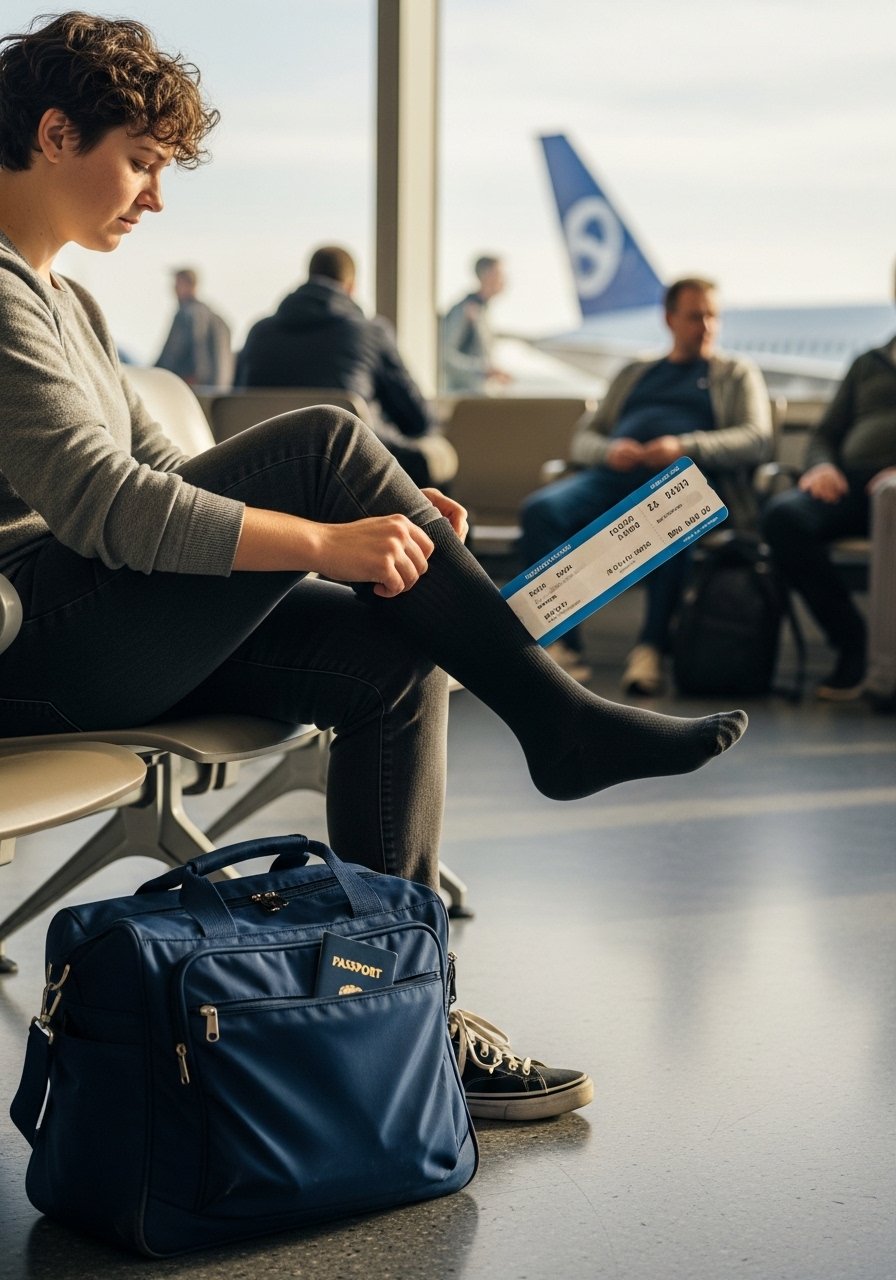
    Comfortable, Breathable Travel Socks (and a Spare Pair)

    Your feet set the day’s tone. I always pack two pairs of high-quality socks for walking days. Pick breathable, quick-drying blends with arch support to avoid blisters.

    A thin liner plus cushioned sock works well in varying temperatures. People underestimate how much foot discomfort ruins plans — and how quickly a bad pair of socks can cause blisters.

    Why It Makes the List

    • Keeps feet comfortable on long walking days.
    • Reduces blisters and foot fatigue.
    • Easy to wash and dry overnight.

    What You’ll Want for This

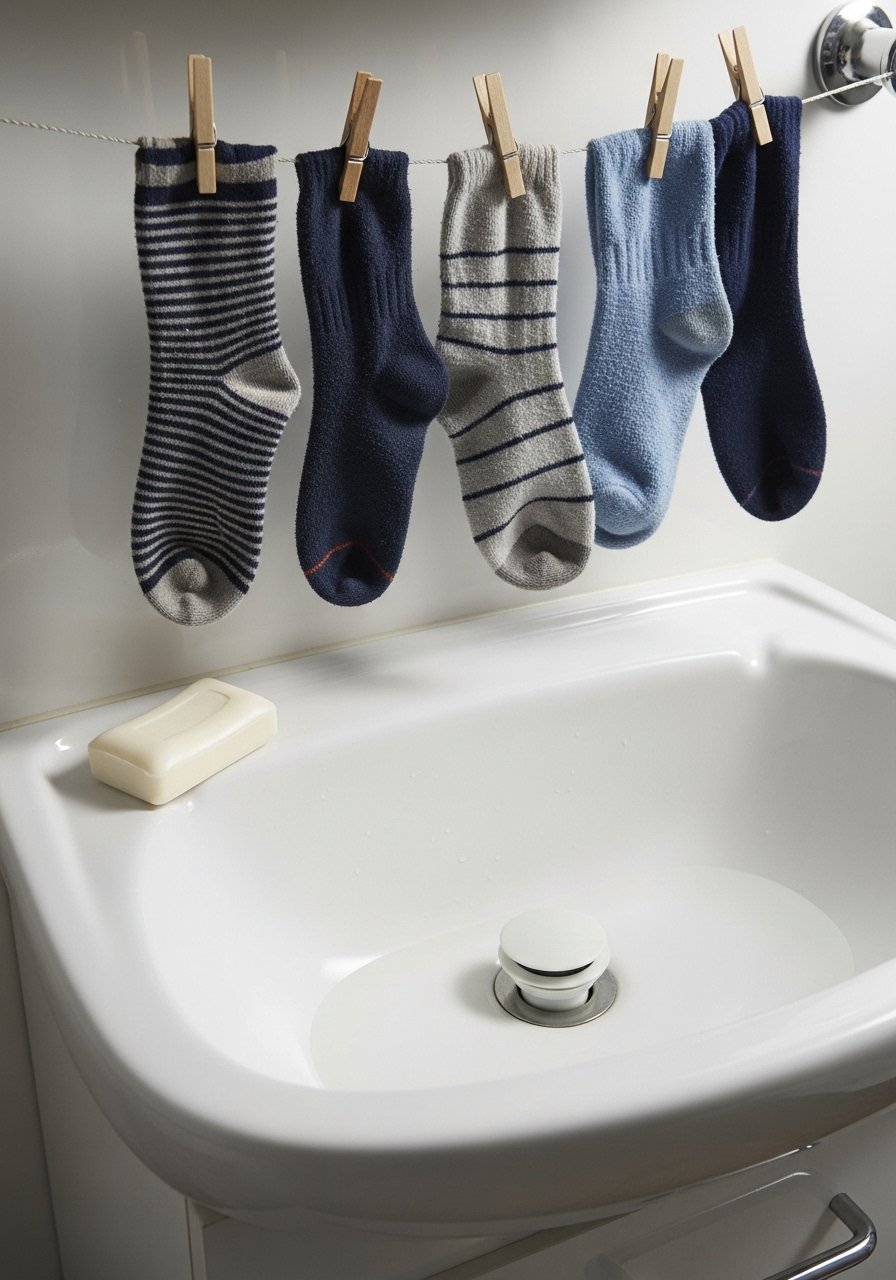
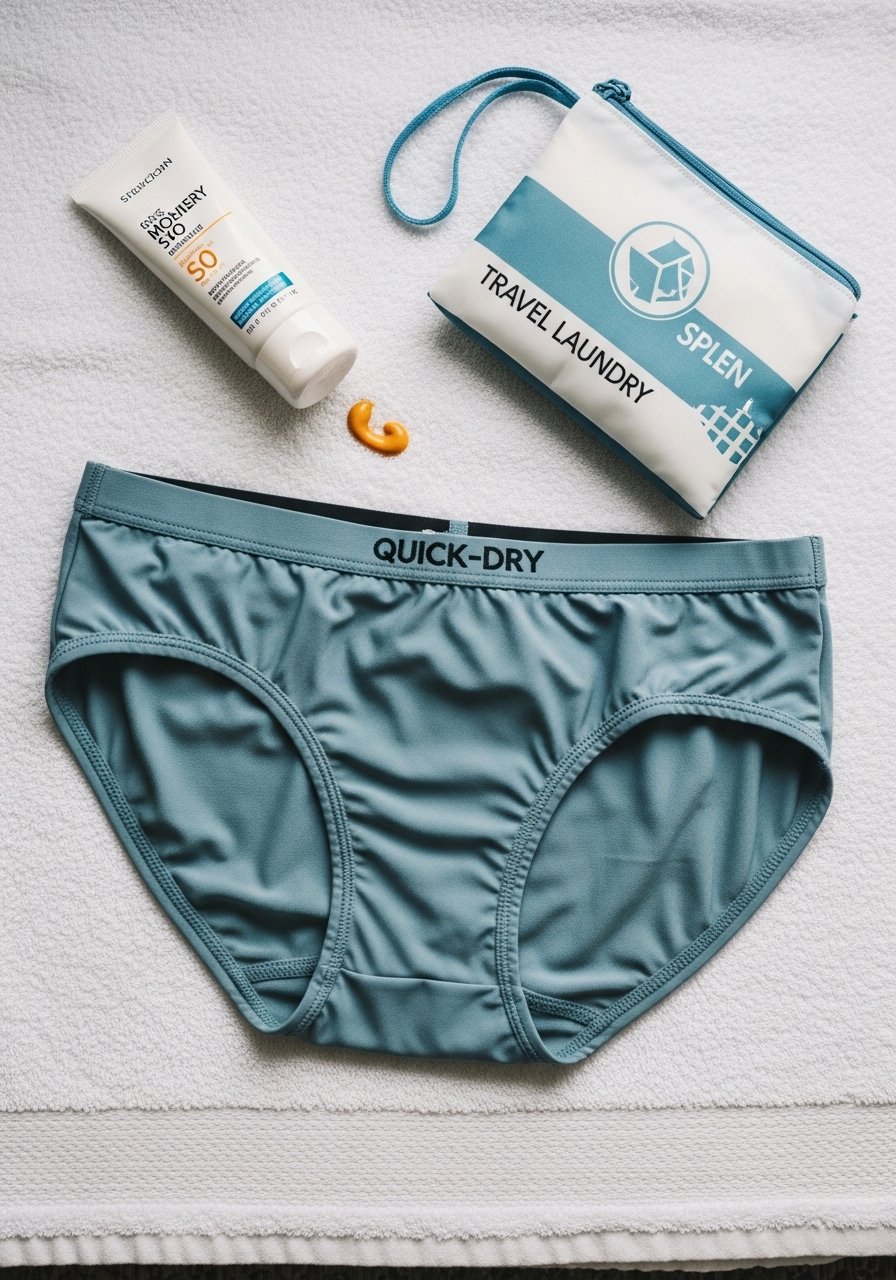
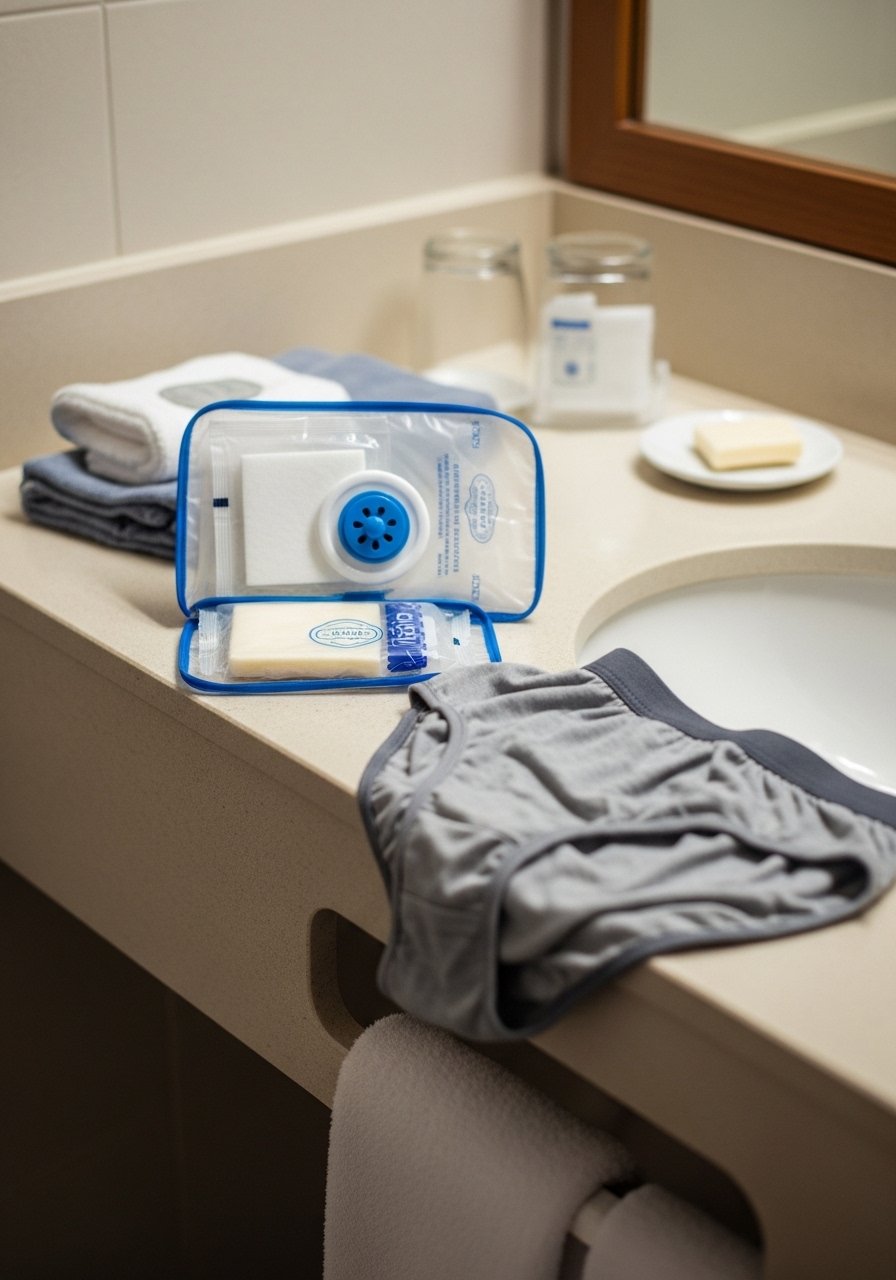
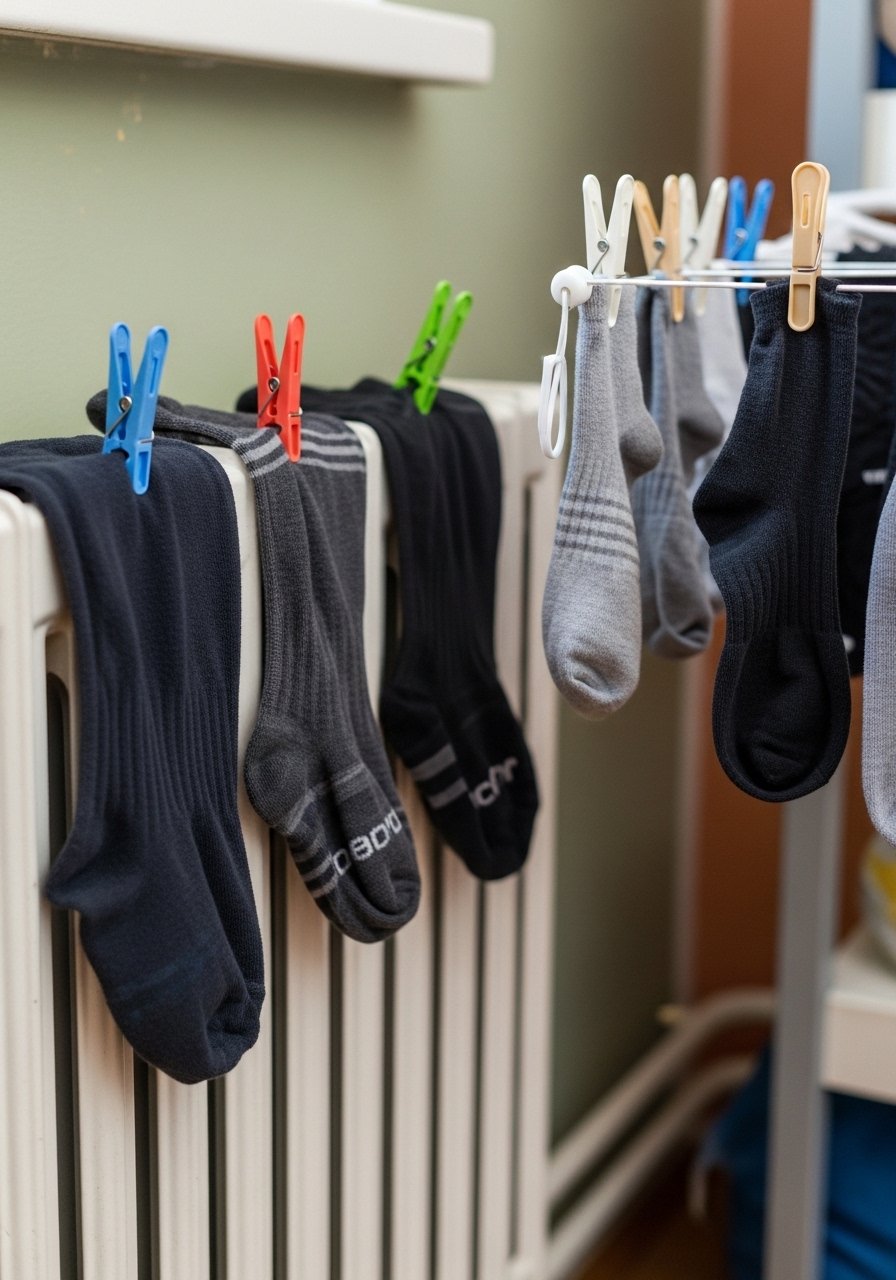
    Travel Laundry Kit: Sink Soap, Line, and a Travel Sink Stopper

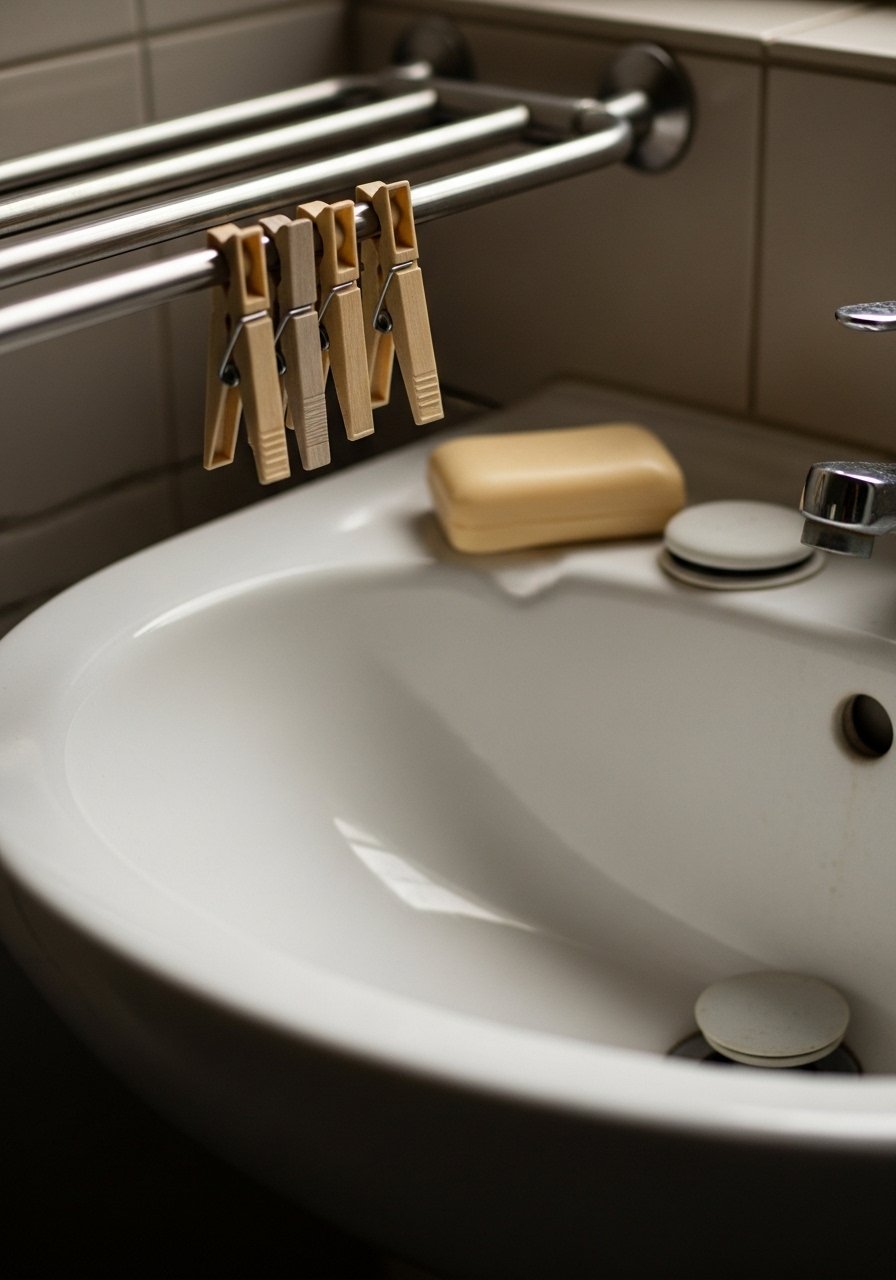
    I avoid extra baggage weight by washing essentials on the go. A small laundry kit with a travel soap bar, sink stopper, and retractable clothesline keeps shirts and underwear usable for days.

    Pack this kit in a waterproof pouch. The mistake is underestimating drying time; hang items where a fan or sun reaches them.

    Why It Makes the List

    • Saves space and money on long trips.
    • Prevents overpacking.
    • Lets you extend outfits without laundry services.

    What You’ll Want for This

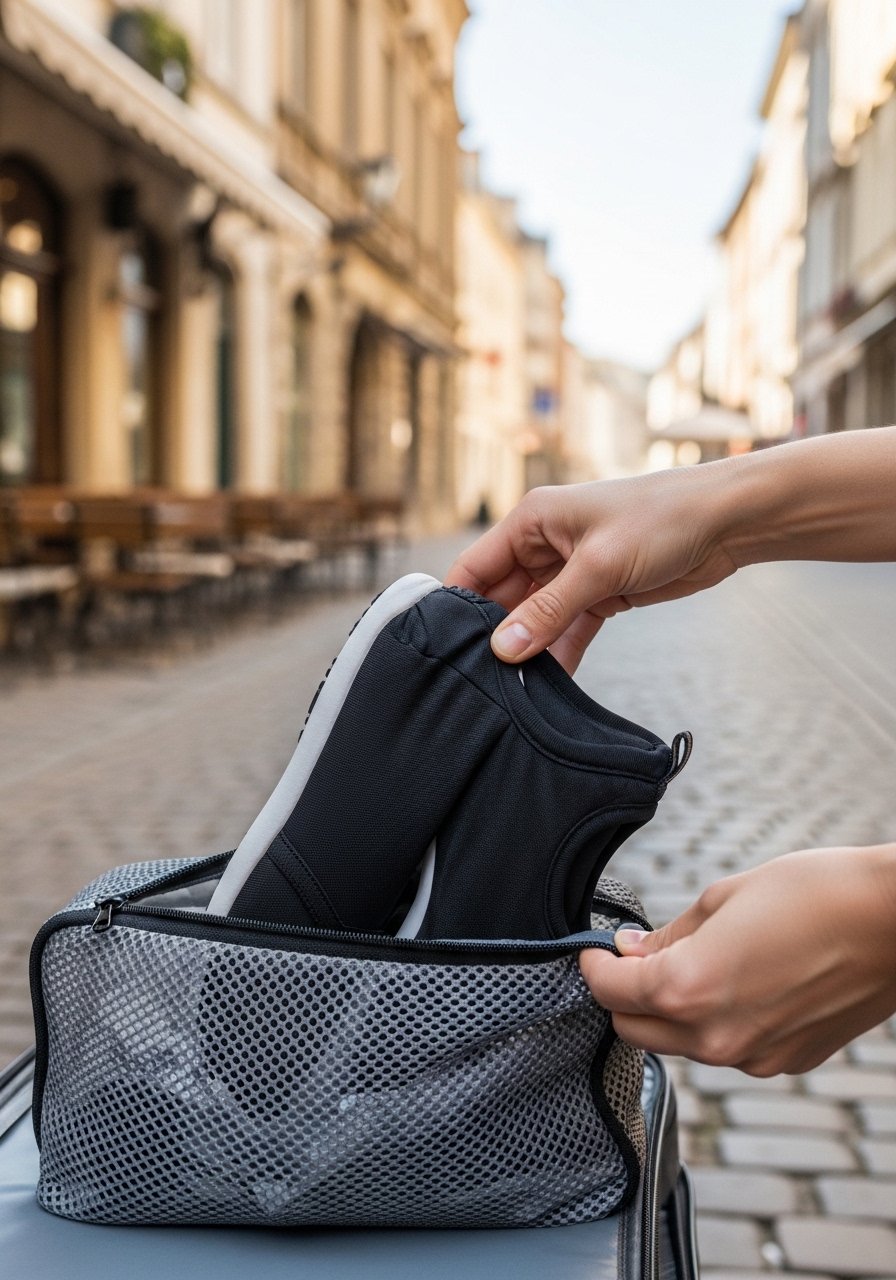
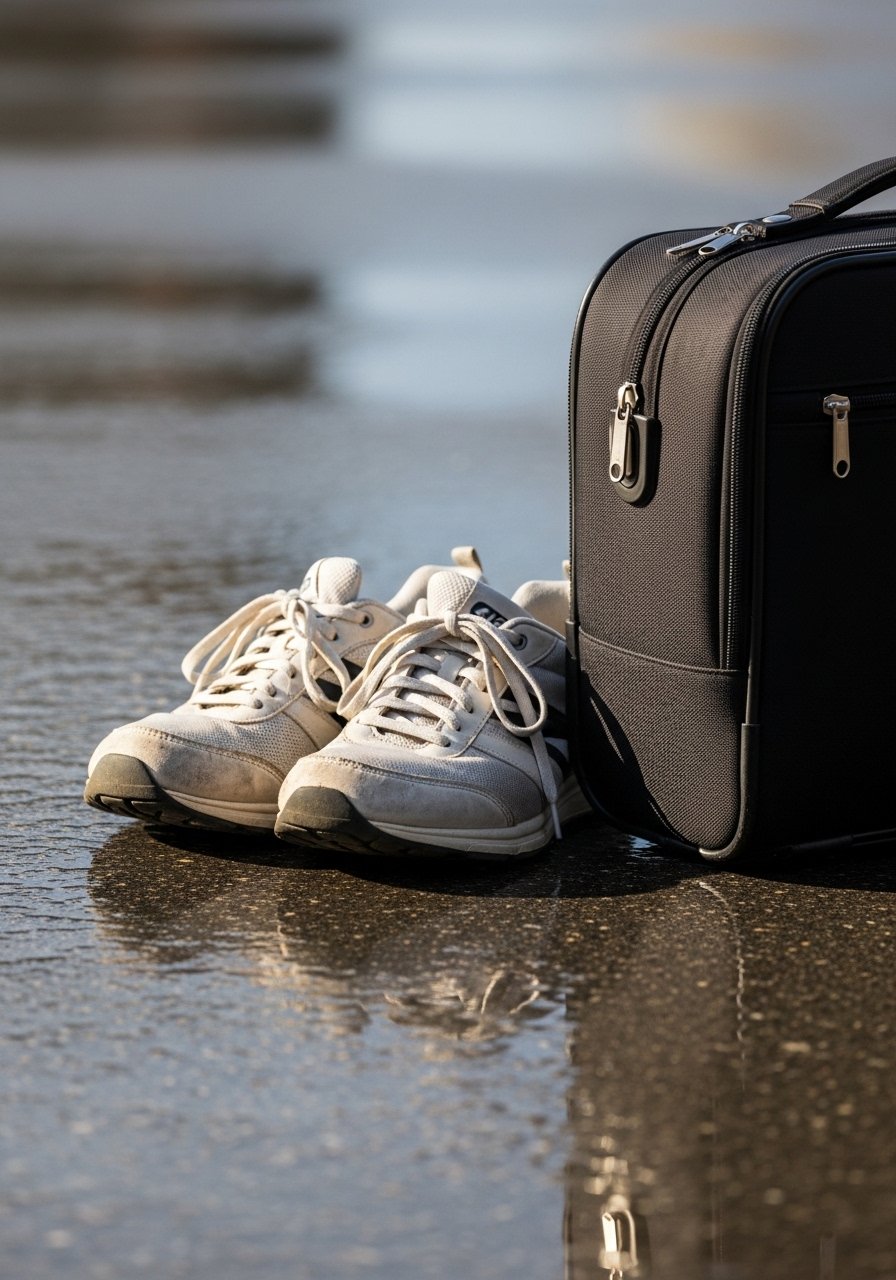
    Shoe Bag or Compression Shoe Sack

    Dirty shoes are a suitcase nightmare. A simple shoe bag separates mud and smells from clothes. I use one for daily trainers and a second for dress shoes.

    Look for bags with a ventilated panel. The mistake is stuffing shoes into corners of the main bag — they crush socks and spread grime.

    Why It Makes the List

    • Protects clean clothes from dirt.
    • Keeps footwear organized and accessible.
    • Small investment, big cleanliness payoff.

    What You’ll Want for This

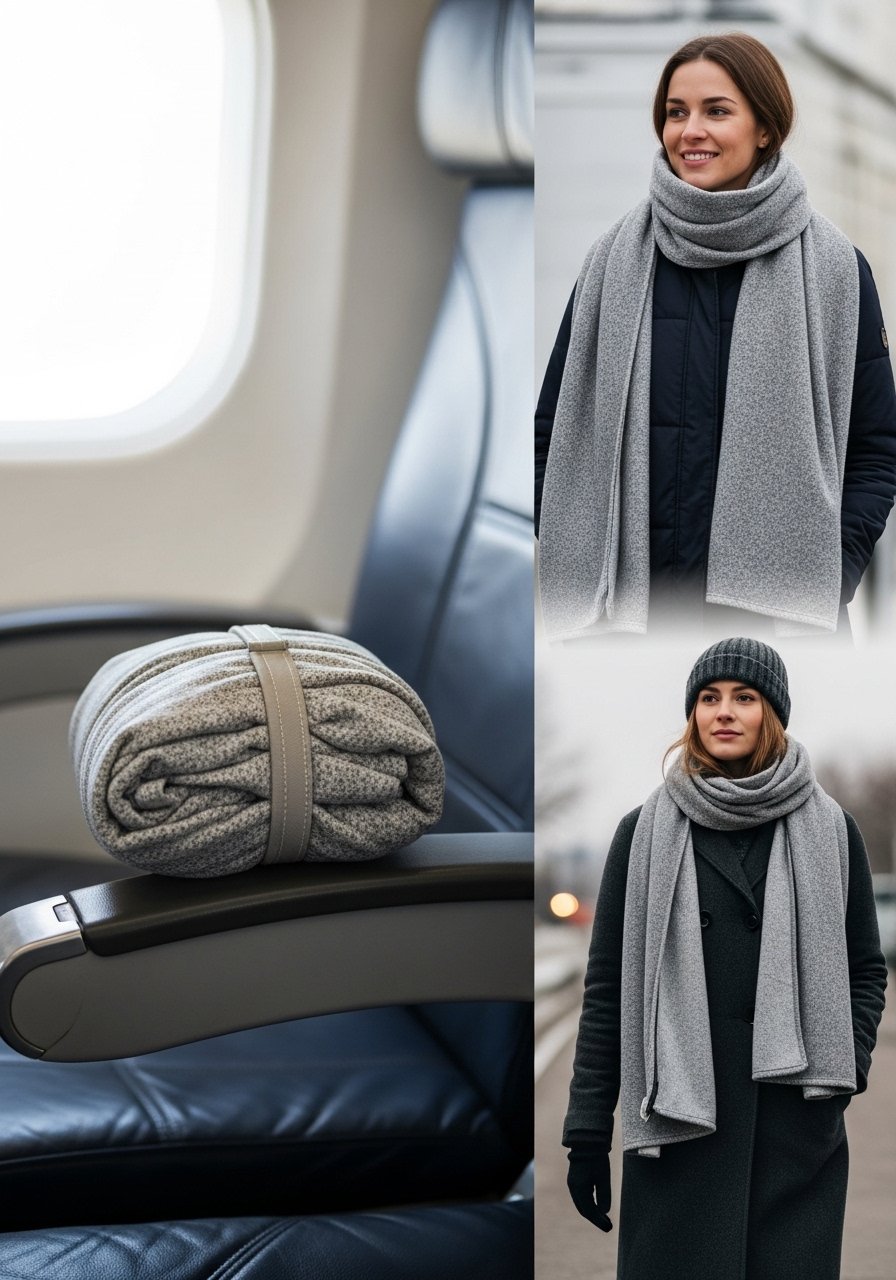
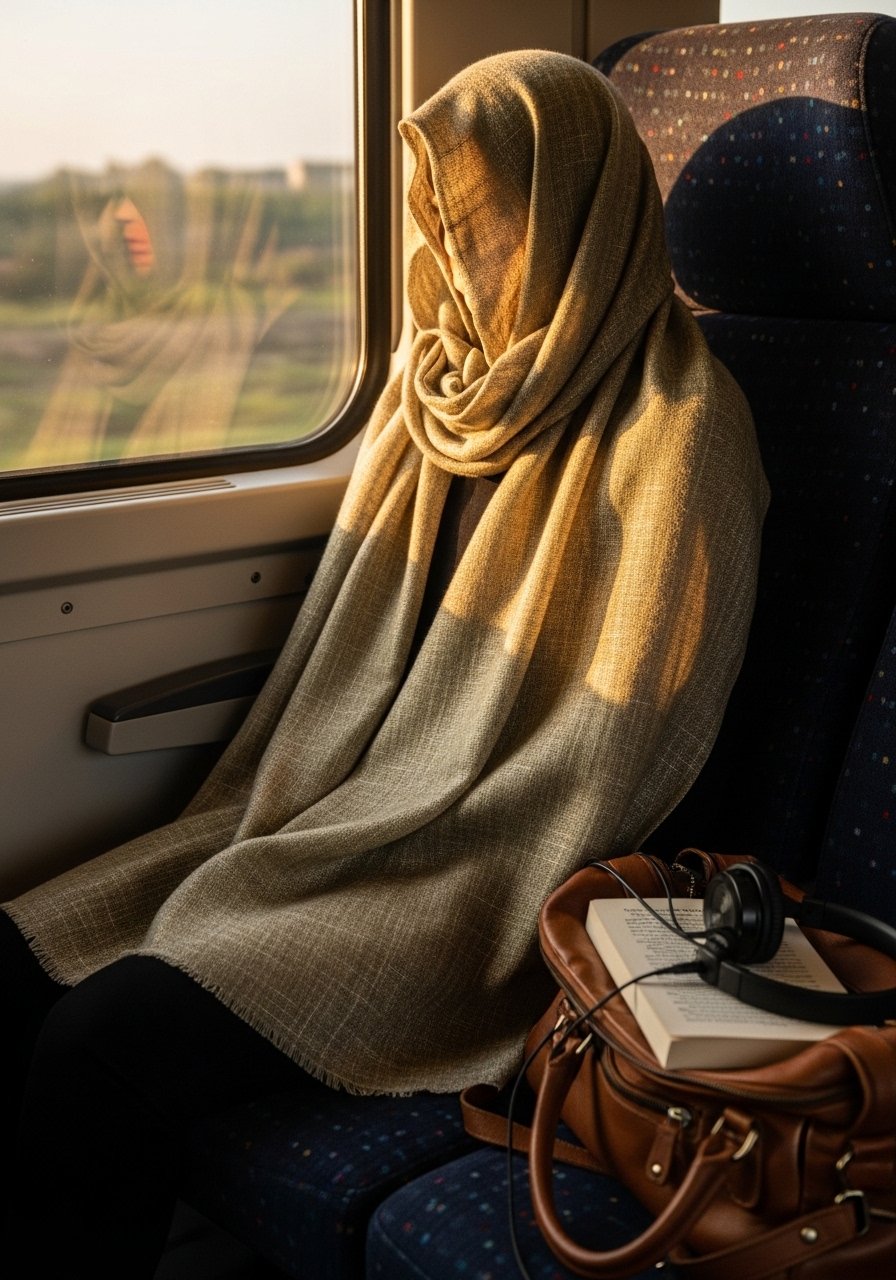
    Lightweight Travel Blanket or Large Multipurpose Scarf

    Flights and cool evenings call for an extra layer. A thin travel blanket or large scarf packs small, doubles as a pillow, and covers shoulders in conservative sites.

    Choose materials that don’t smell after a day in a bag. I always pack one and have used it for warmth, privacy on overnight buses, and as a beach wrap.

    Why It Makes the List

    • Adds comfort without much weight.
    • Multi-use for warmth, privacy, or shade.
    • Small, easy to store in your bag.

    What You’ll Want for This

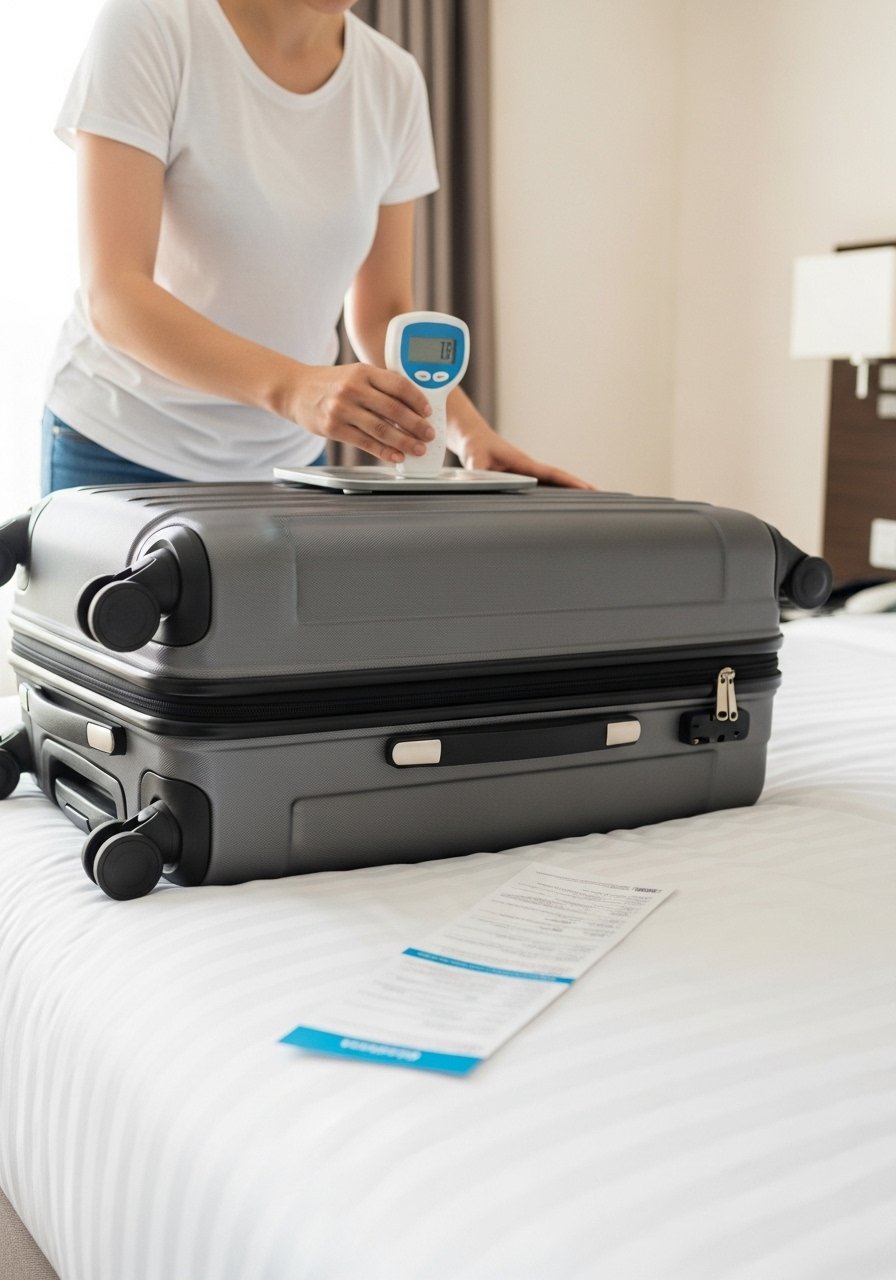
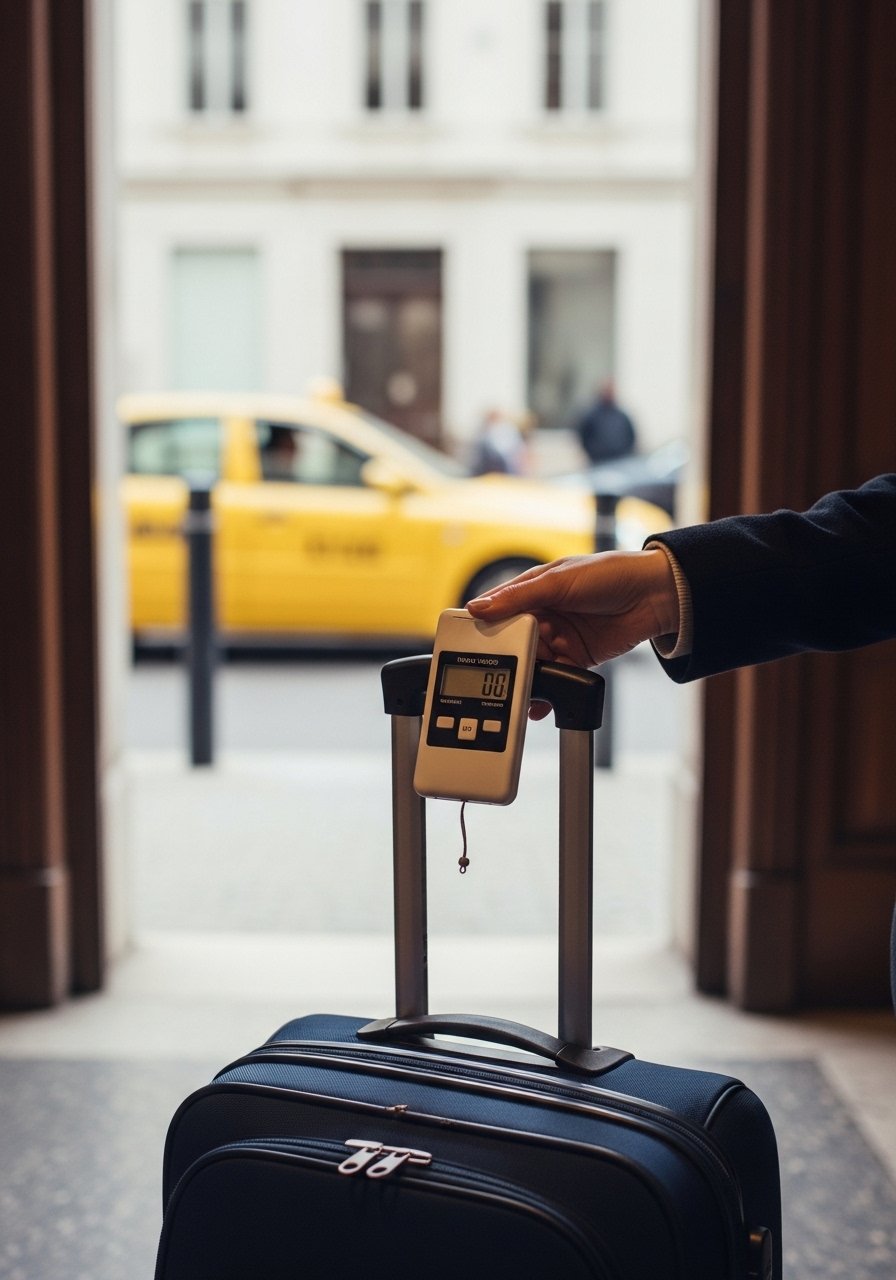
    Portable Luggage Scale So You Don’t Pay Surprise Fees

    I always weigh checked bags before leaving. Portable scales are cheap and spare you airport fines. Keep it in your pouch and weigh after packing gifts or new purchases.

    The common mistake is guessing weight — most suitcases hide pounds. A digital scale with a sturdy strap is more reliable than spring models.

    Why It Makes the List

    • Avoids surprise overweight fees.
    • Saves time repacking at the airport.
    • Gives confidence when buying gifts abroad.

    What You’ll Want for This

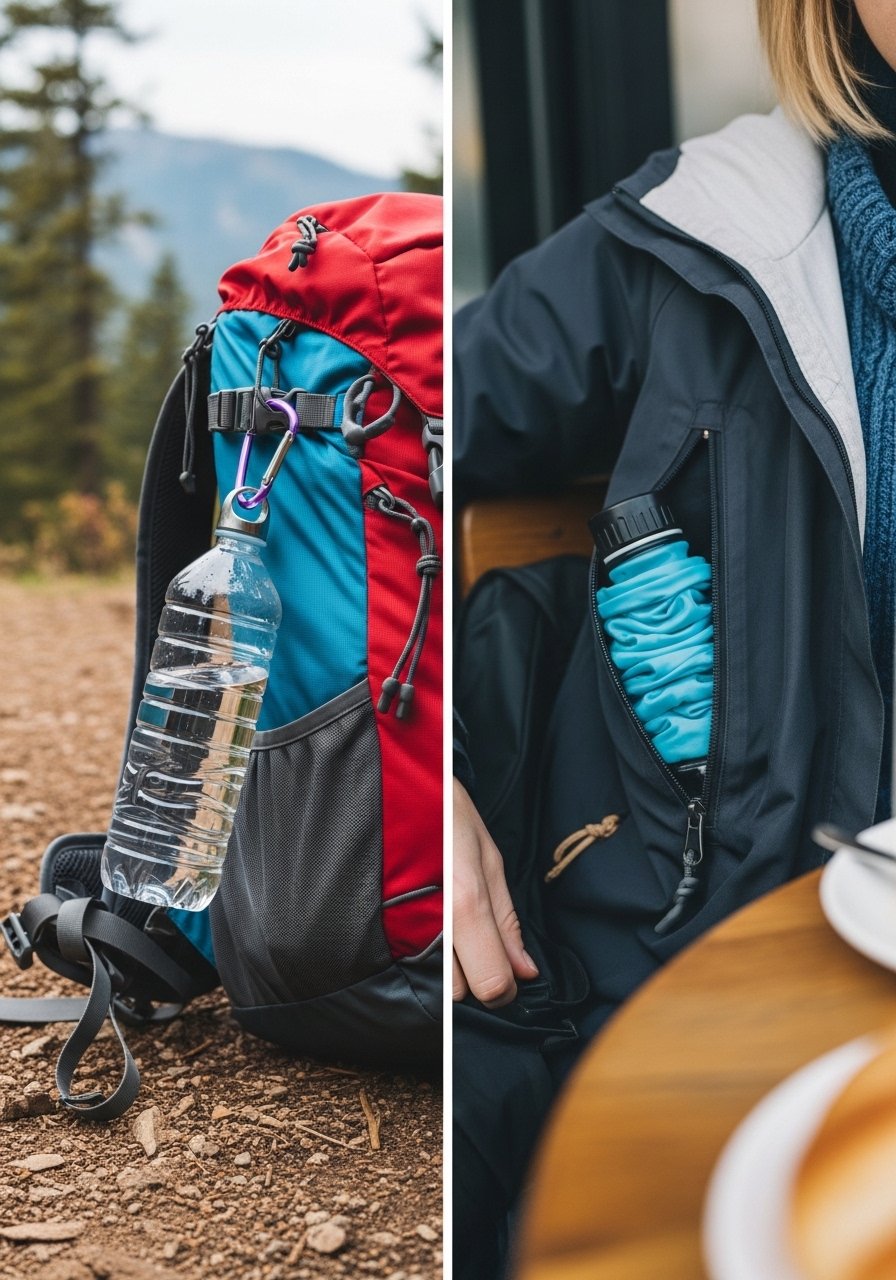
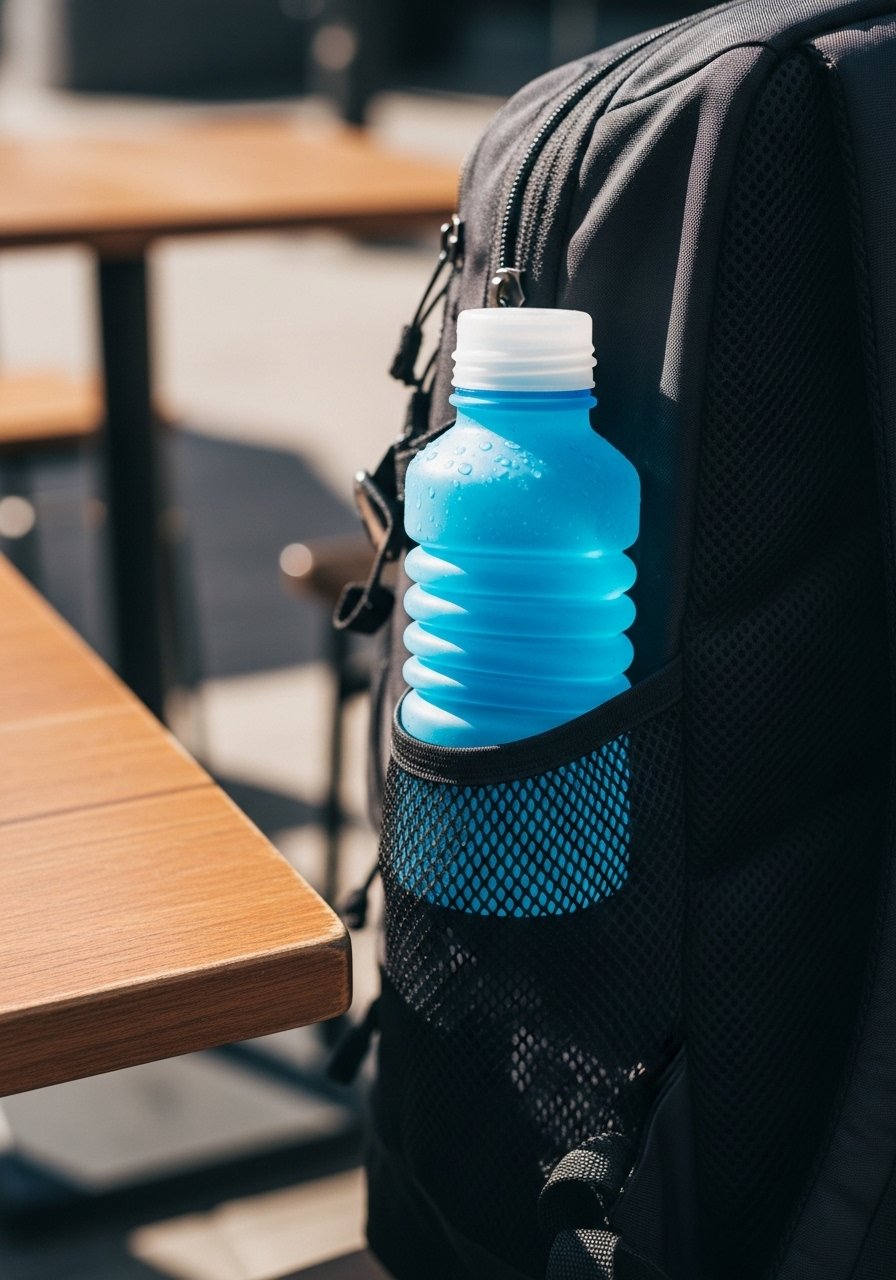
    Reusable Water Bottle (Collapsible or Insulated)

    Staying hydrated saves energy and prevents headaches. I carry an insulated bottle in cold climates and a collapsible one for city days when space matters. Fill at water stations to avoid buying single-use plastic.

    Note local water safety — bring a small filter bottle if you’re unsure about tap water. The mistake is relying on bottled water everywhere; it adds cost and waste.

    Why It Makes the List

    • Keeps hydration cheap and accessible.
    • Collapsible options save space.
    • Filters help in uncertain water conditions.

    What You’ll Want for This

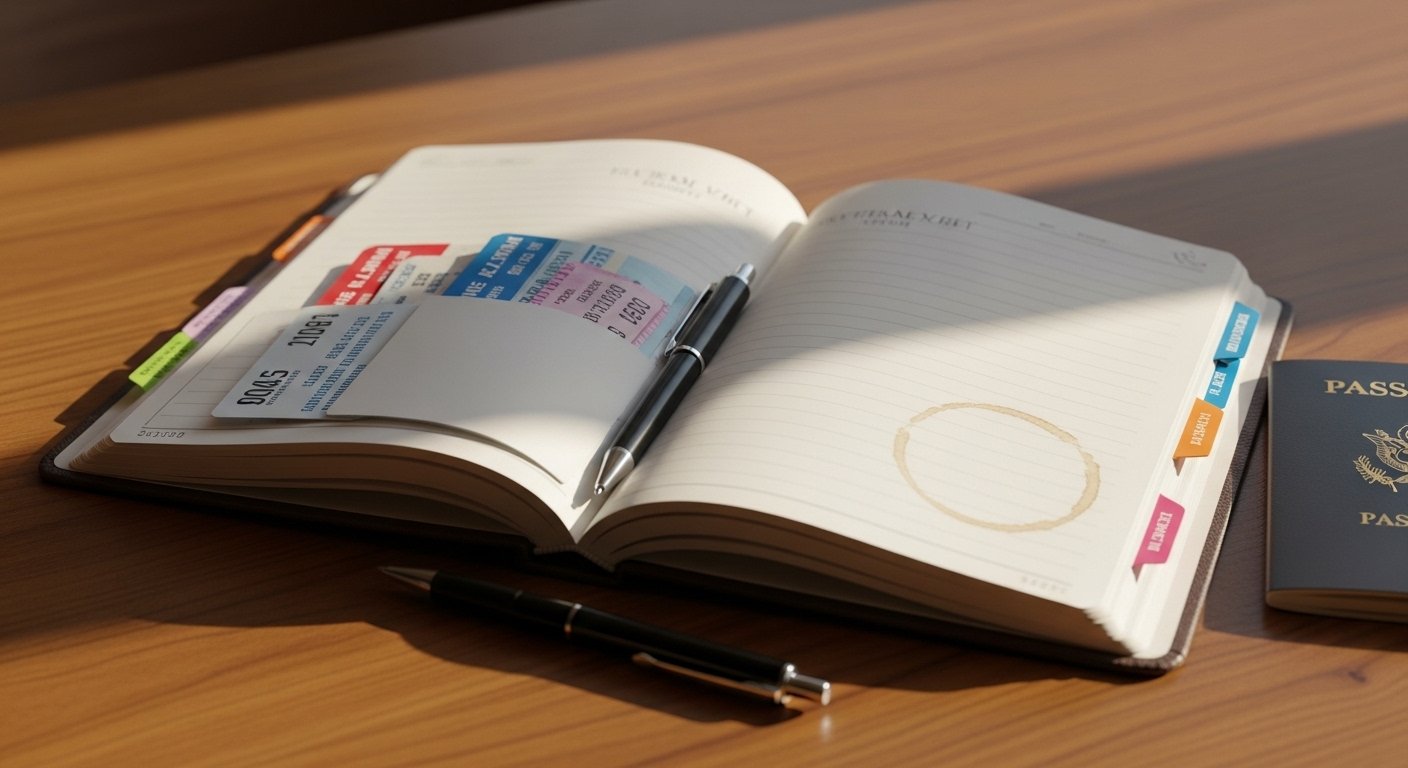
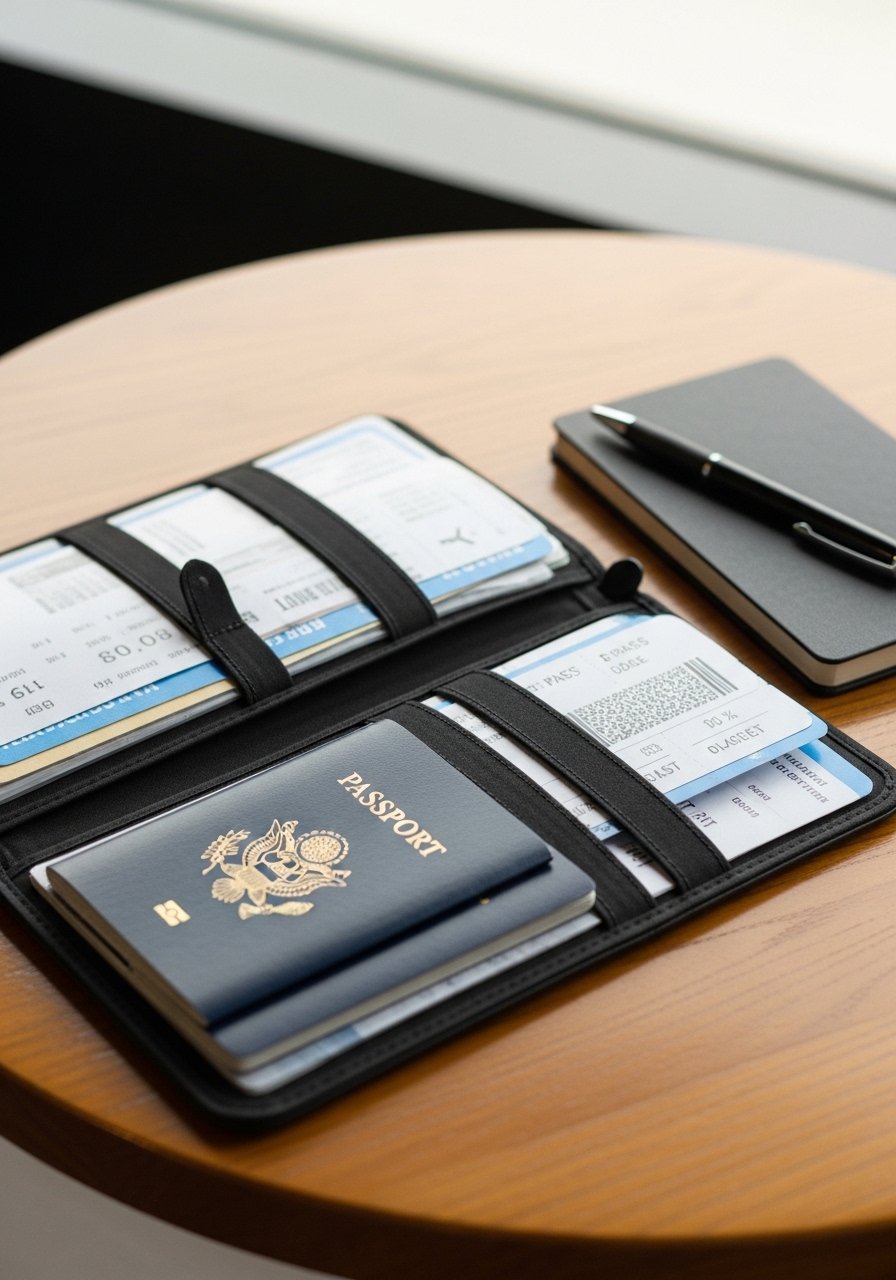
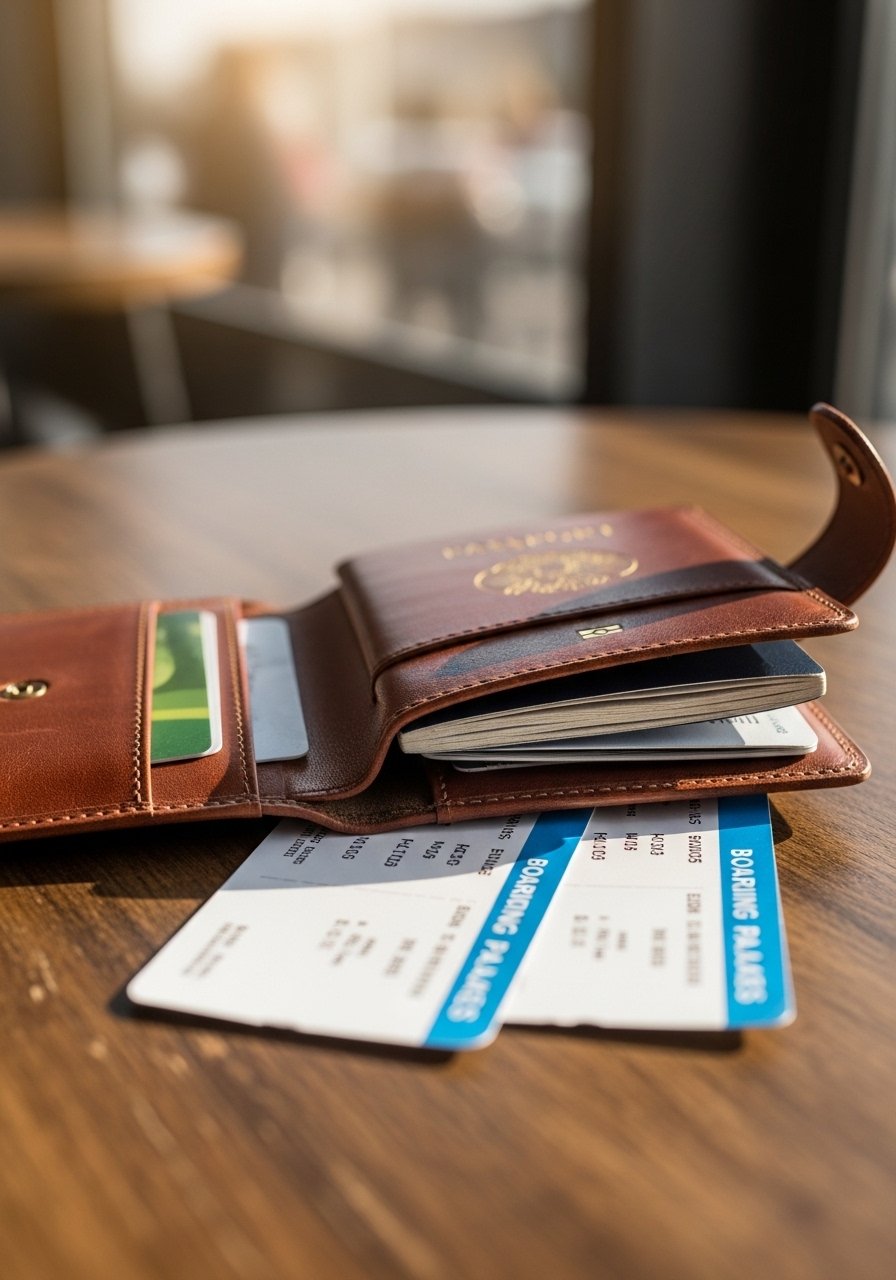
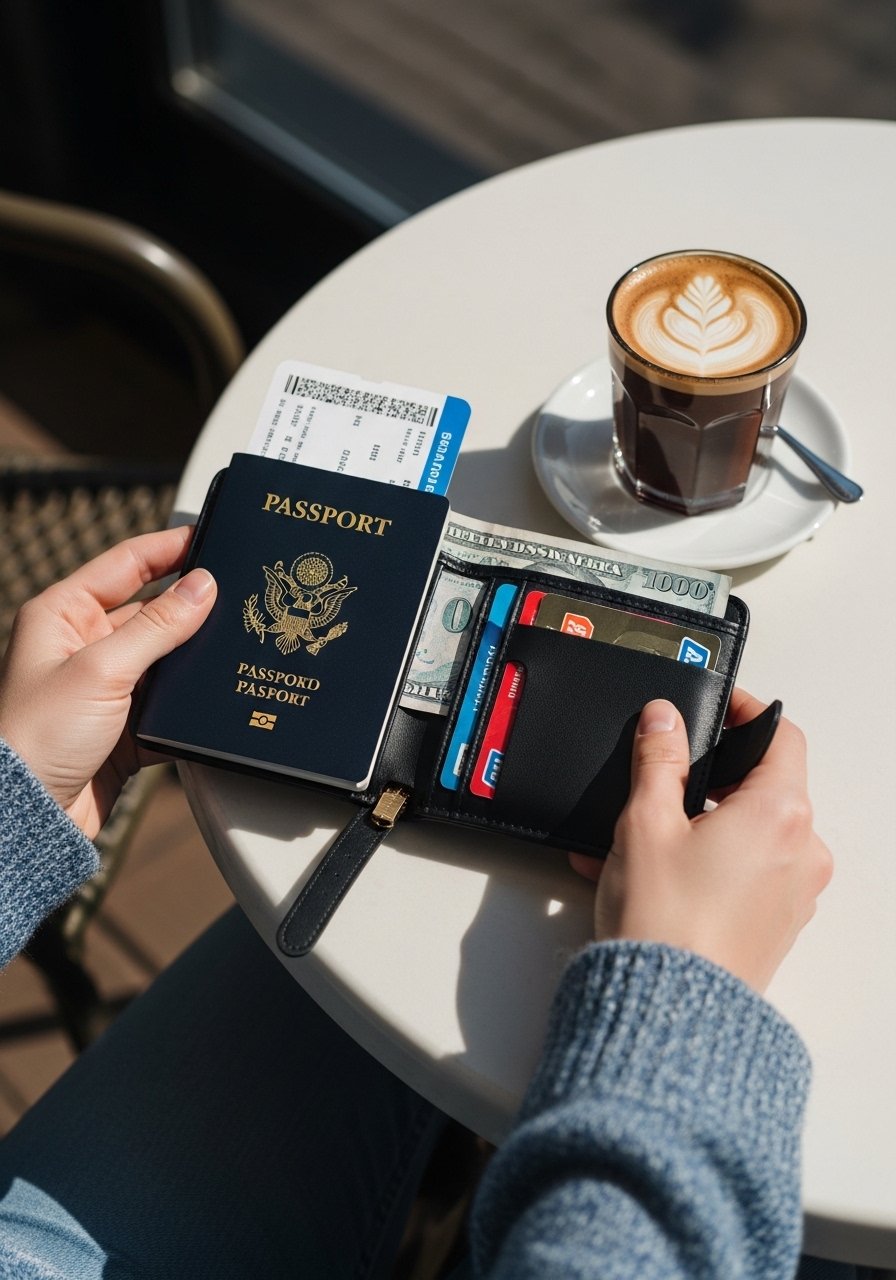
    Travel Document Organizer — Not a Scrappy Plastic Folder

    Juggling boarding passes, confirmations, and tickets is easier with a slim document organizer. I keep passports, copies, and printed reservations in one zipped wallet. It sits by my hip in airports so I can access things without emptying the bag.

    Don’t cram every receipt — keep only what matters for the day. The mistake is trusting phone-only storage; battery failures happen.

    Why It Makes the List

    • Speeds up check-ins and border crossings.
    • Keeps documents secure and visible.
    • Reduces stress when you need quick access.

    What You’ll Want for This

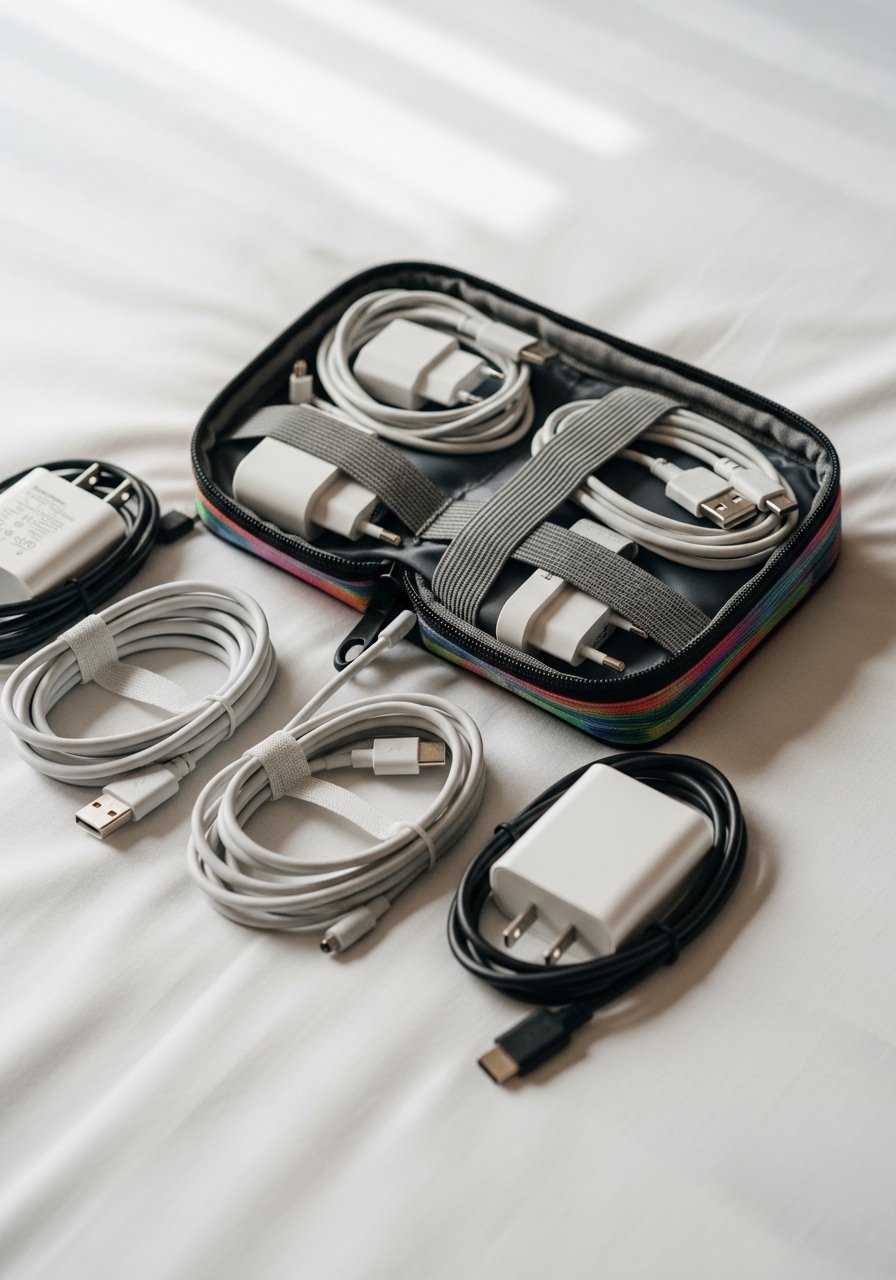
    Compact Cable Organizer and Spare Cables

    I stopped frantically untangling cables with a small organizer. Include spare charging cables and a short USB-C cable for power banks. Label cables with tape if you share a bag.

    The real pain is lost cables at the last minute. Keep one in your daypack for coffee shops and one in checked luggage for backup.

    Why It Makes the List

    • Prevents cable chaos and lost cords.
    • Keeps chargers ready for transit days.
    • Small cost for huge convenience.

    What You’ll Want for This

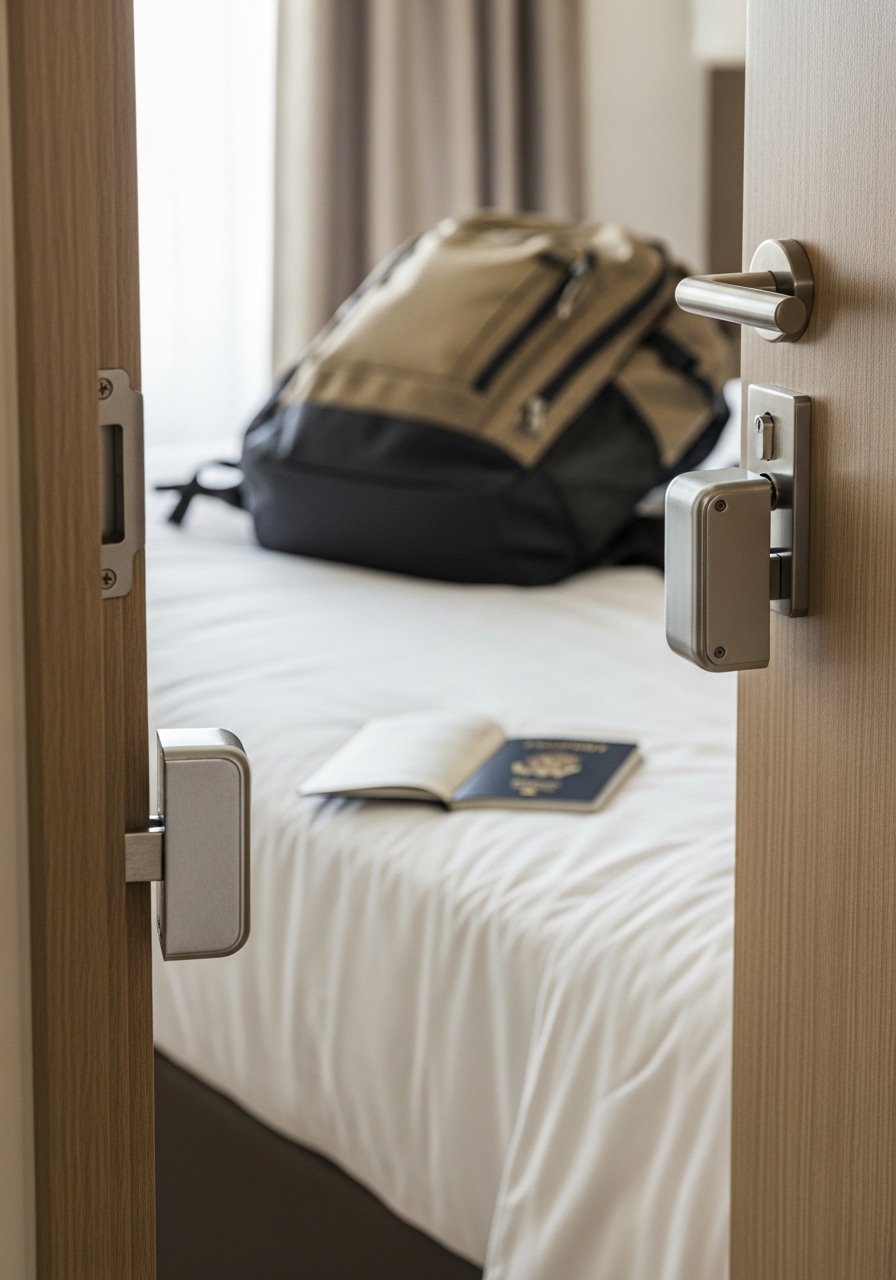
    Portable Door Lock or Travel Security Device

    I once felt uneasy in a cheap guesthouse; a portable door lock gave me real peace. These devices add an extra barrier on inward-opening doors. They’re lightweight and work in rentals or dorms.

    They don’t replace common-sense security, but they make solo travel nights calmer. The mistake is assuming hotel locks are always solid.

    Why It Makes the List

    • Adds security in questionable accommodations.
    • Small, portable, and unobtrusive.
    • Gives psychological relief during solo travel.

    What You’ll Want for This

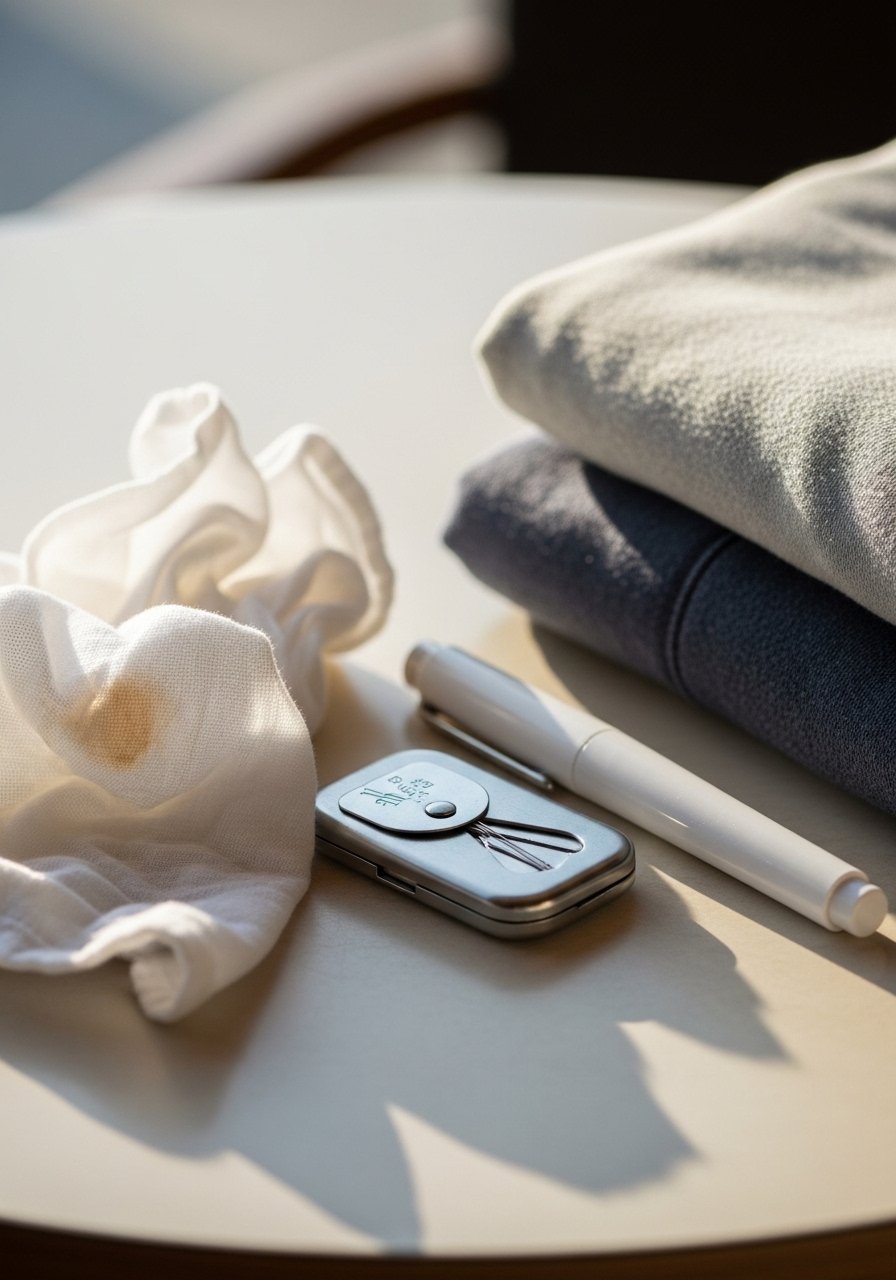
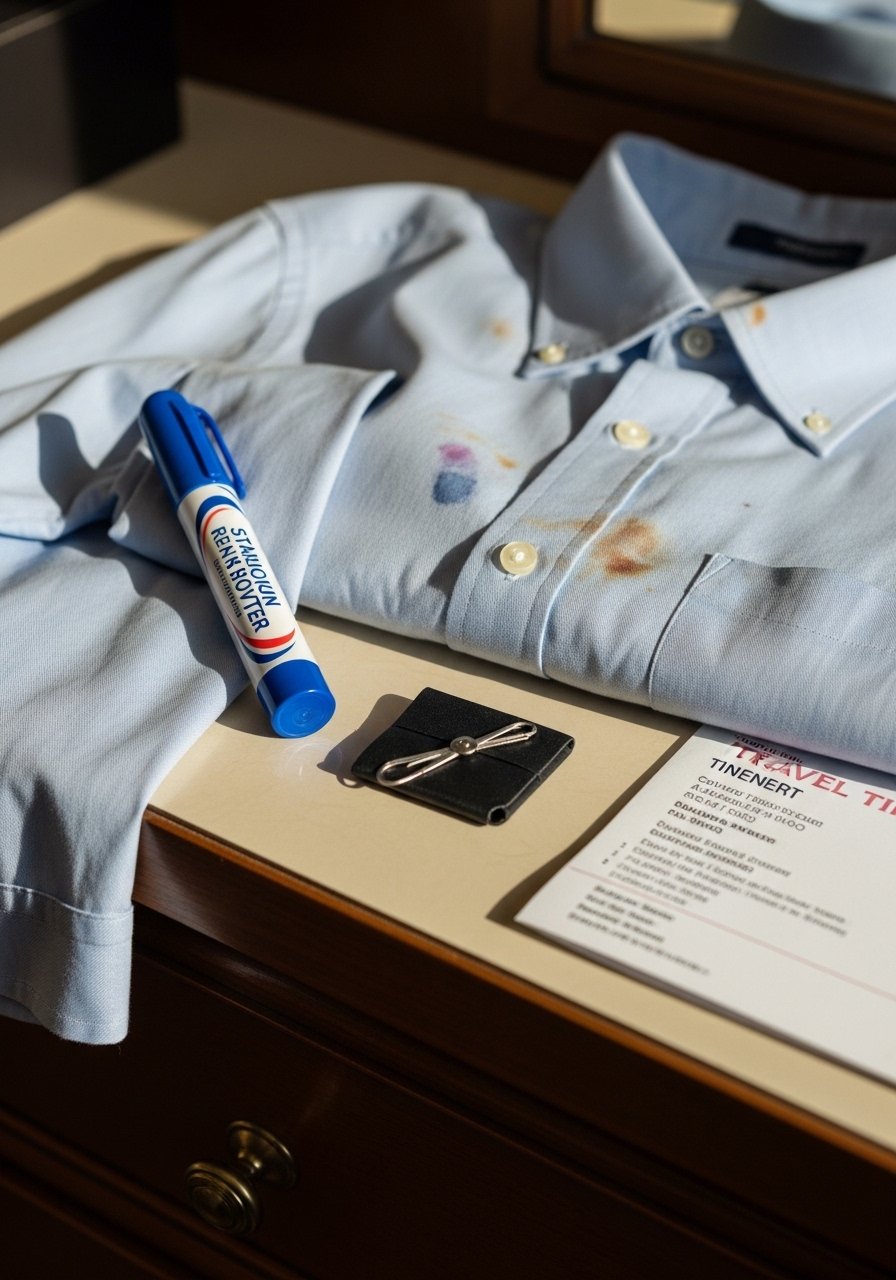
    Mini Sewing Kit and Travel Stain Pen

    Loose seams and coffee spills happen. A tiny sewing kit and stain pen buy you hours and avoid a ruined outfit. I stitch buttons back on in minutes and tackle spots before they set.

    Keep these in an easy-to-reach pocket. The mistake is leaving them behind and paying for expensive laundry or replacement clothes.

    Why It Makes the List

    • Fixes small clothing issues on the fly.
    • Saves outfits from being tossed.
    • Inexpensive and tiny.

    What You’ll Want for This

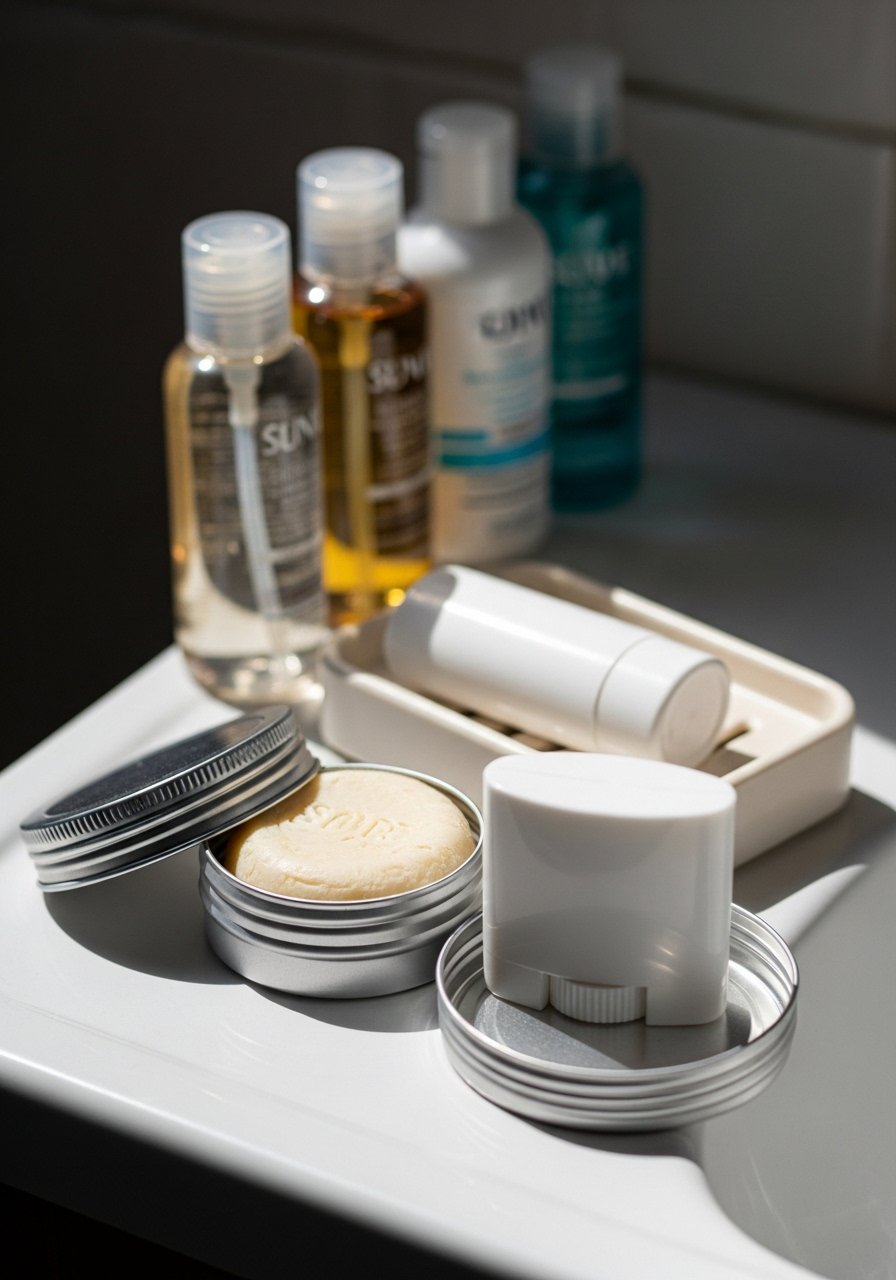
    Solid Toiletries: Shampoo Bars and Solid Sunscreen

    Solid toiletries save space and avoid liquid limits. I switched to a shampoo bar and a sunscreen stick for sunny days. They’re TSA-friendly and don’t leak.

    The only caveat: store bars dry between uses to avoid a soggy mess. The mistake is assuming solids aren’t as effective — good ones work just fine.

    Why It Makes the List

    • Reduces liquid weight and leaks.
    • Easier for carry-on travel.
    • Environmentally friendlier and durable.

    What You’ll Want for This

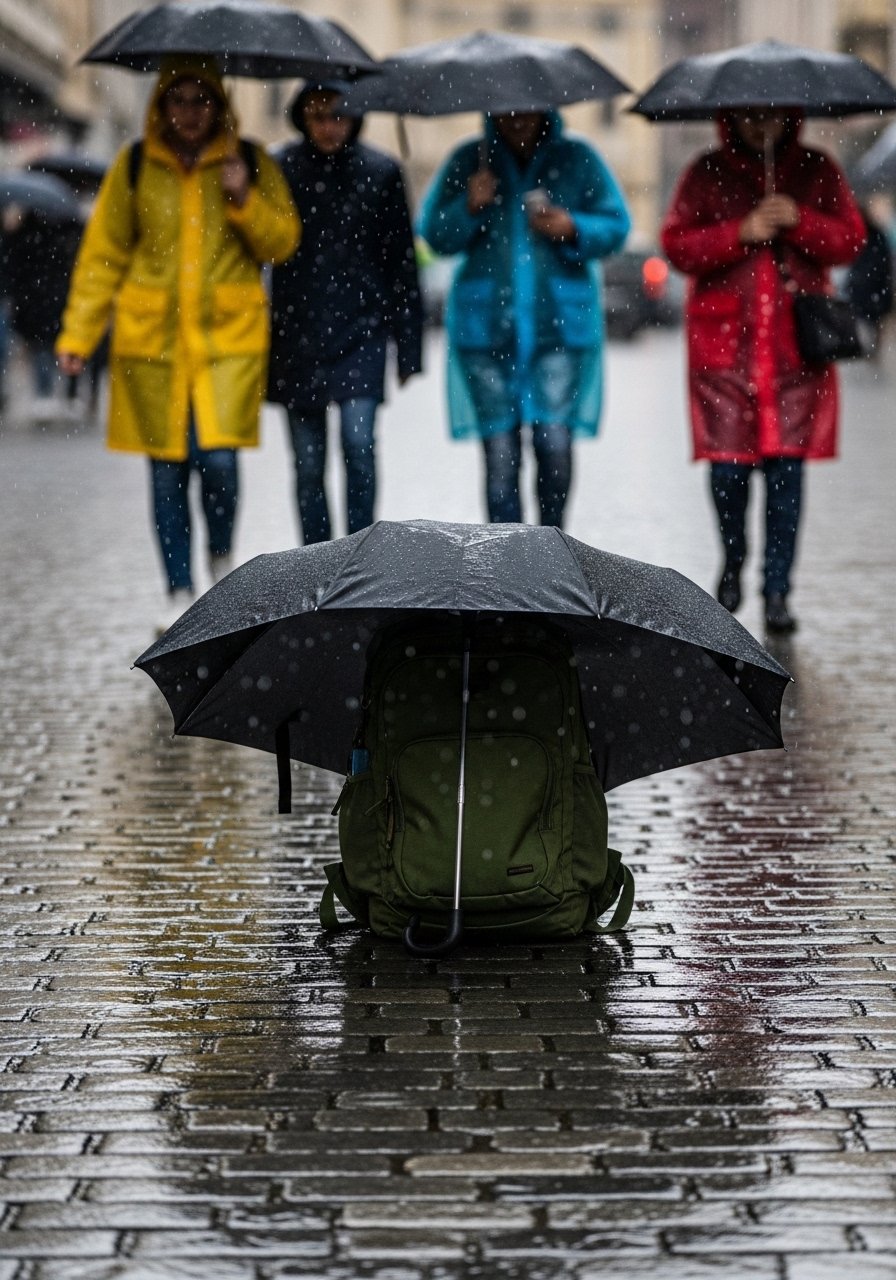
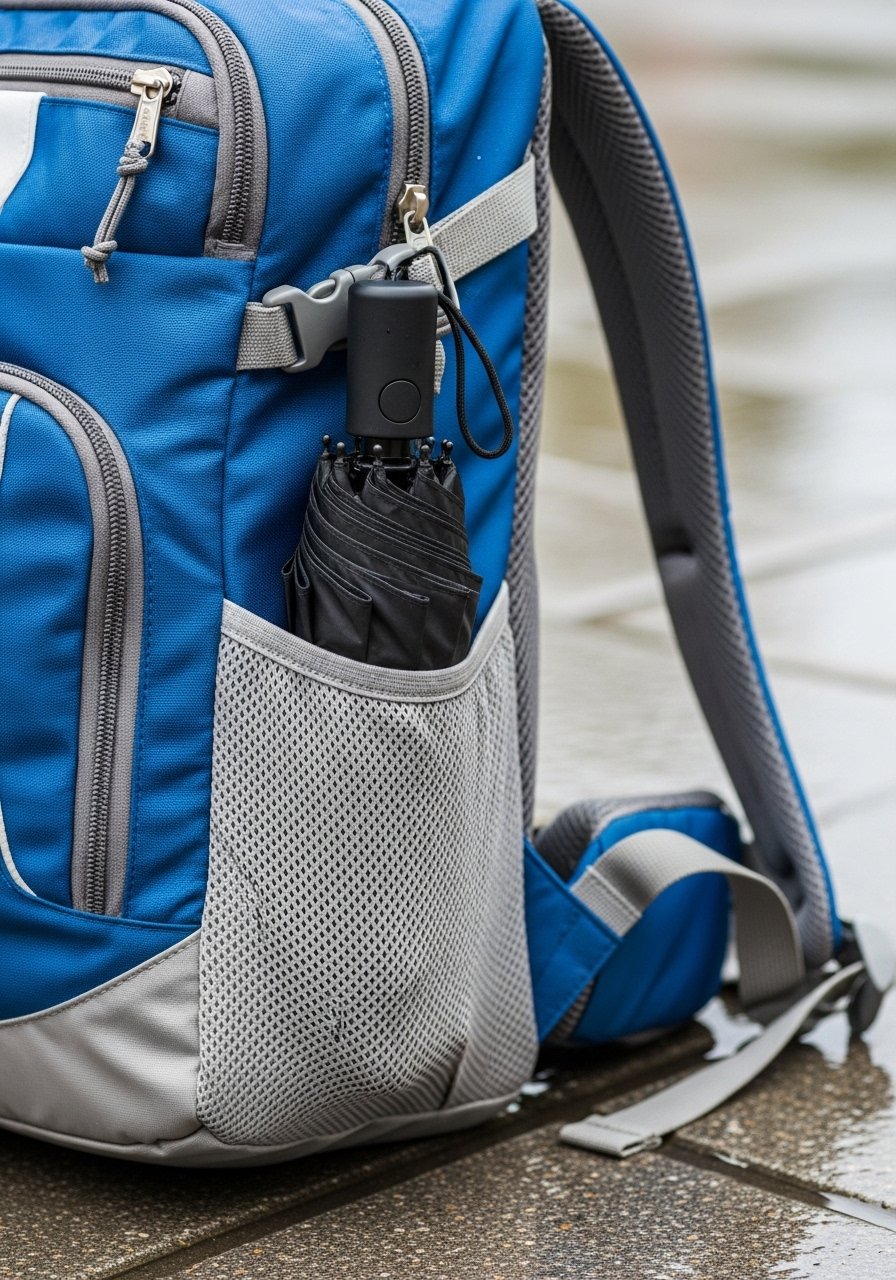
    Compact Travel Umbrella That Doesn’t Flip Inside Out

    Cheap umbrellas collapse in wind. I use a compact, windproof model that stands up to gusts in coastal cities. It’s heavier than the flimsies, but worth it for comfort.

    Store it in an outer pocket for sudden storms. The common error is relying on hotel umbrellas, which are rarely available.

    Why It Makes the List

    • Keeps you dry and mobile in bad weather.
    • More reliable than cheap models.
    • Packs small but saves a day.

    What You’ll Want for This

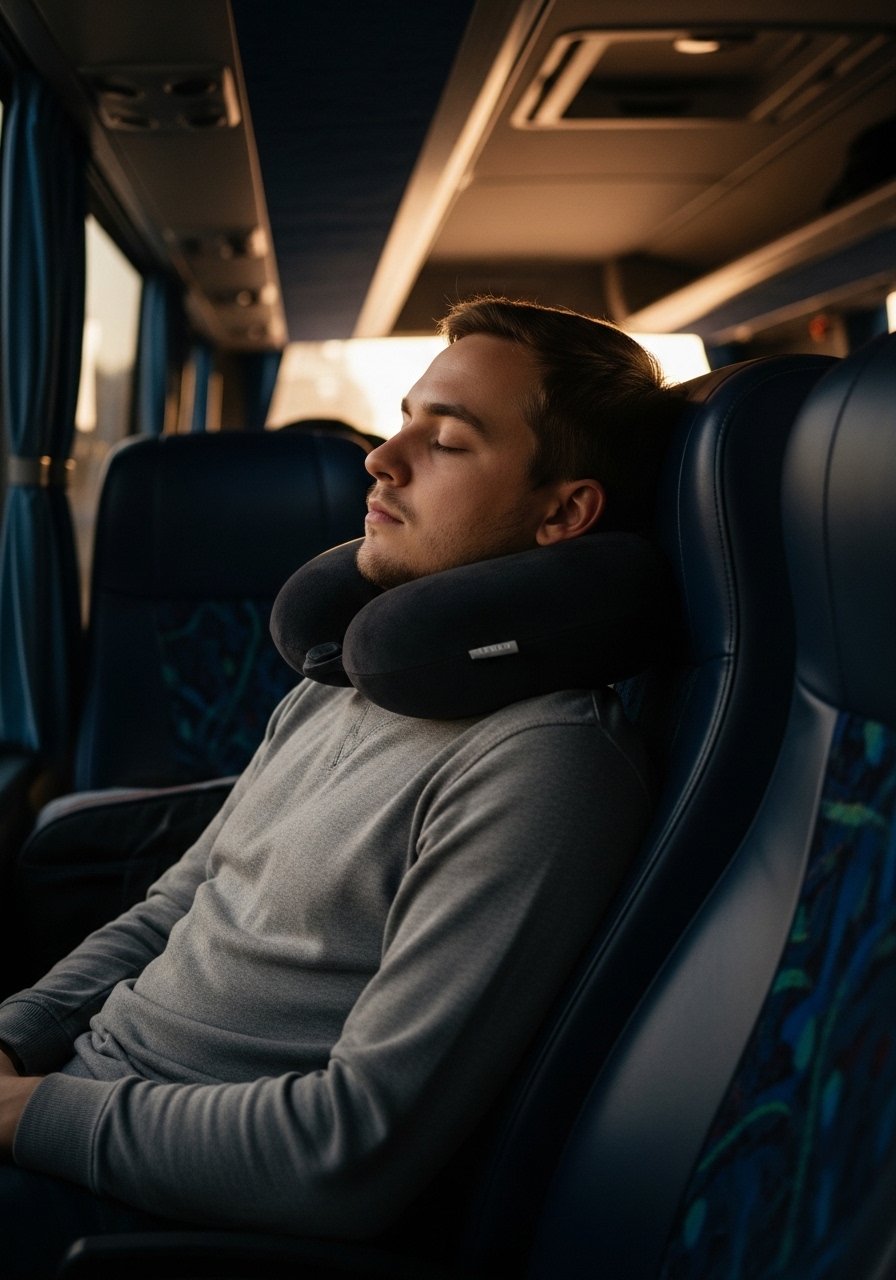
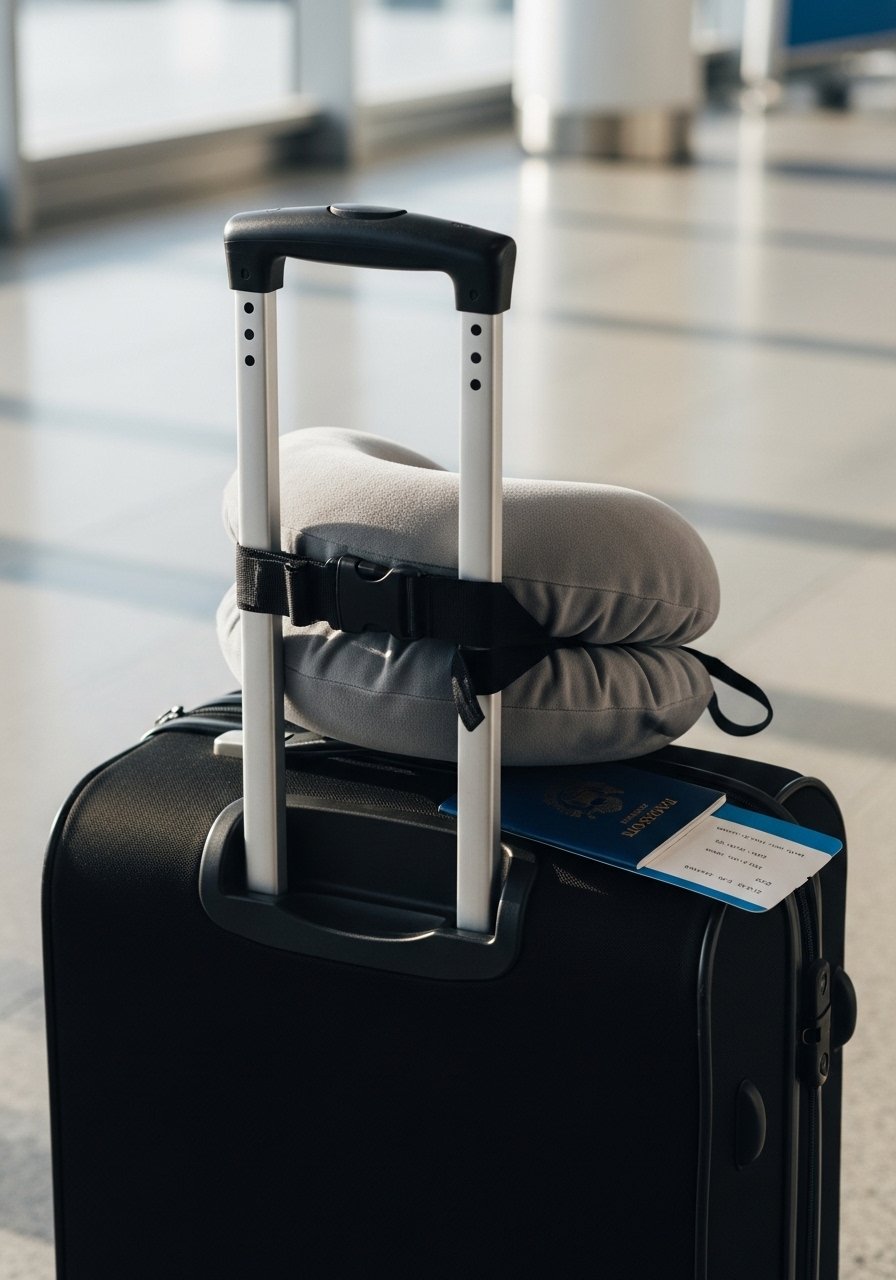
    Compact Travel Pillow That Actually Works

    A good travel pillow makes naps comfortable. I use a compressible memory-foam pillow that packs down small. Avoid inflatable versions that deflate mid-sleep.

    Pick one with a washable cover. I’ve endured neck aches from cheap pillows; investing in one prevents stiff mornings.

    Why It Makes the List

    • Improves rest on planes and buses.
    • Packs small and cleans easily.
    • Reduces neck strain during long transit.

    What You’ll Want for This

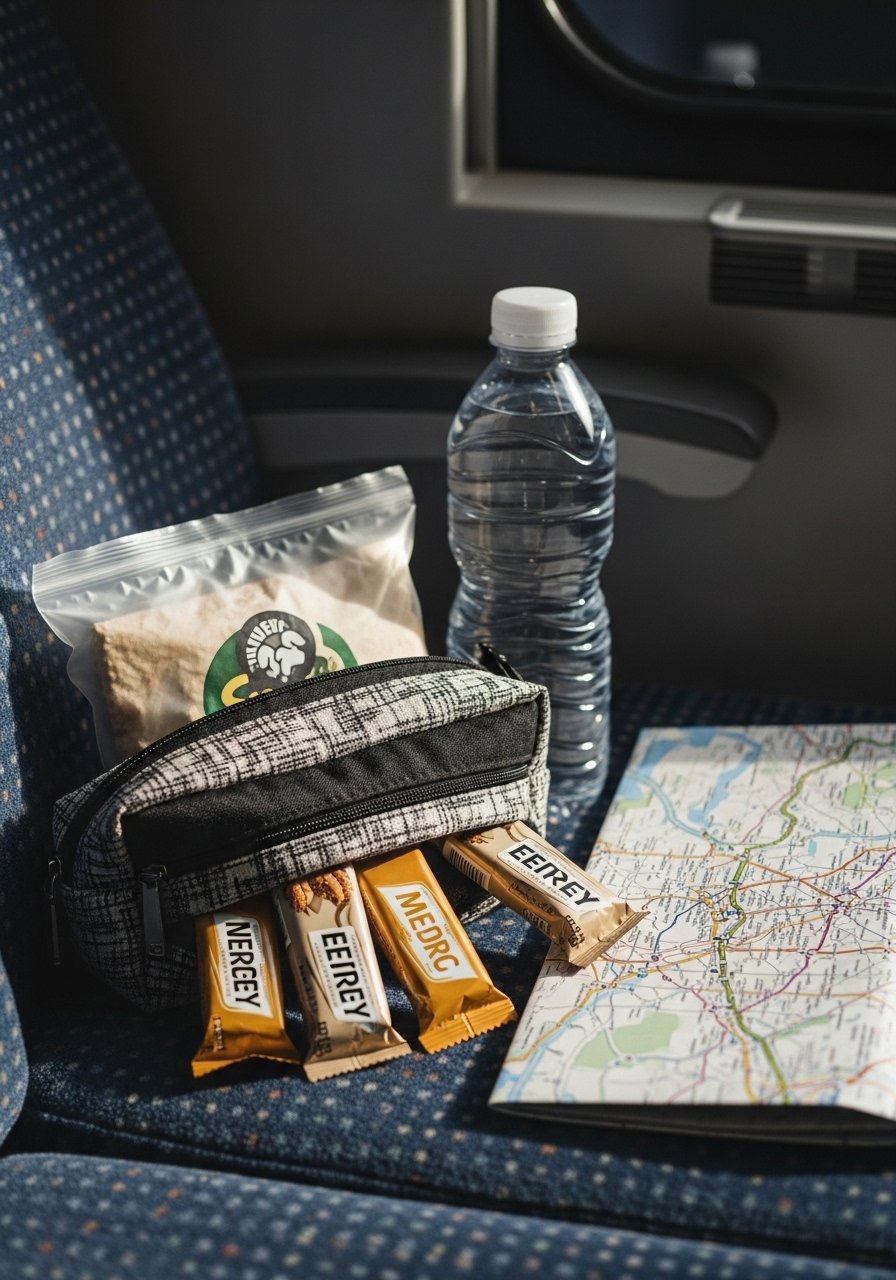
    Emergency Snack Kit and Reusable Snack Bags

    Flights and ferries often have no decent food. I carry compact, high-calorie snacks and reusable snack bags for fruit or sandwiches bought on the go. They save you from overpriced airport food and hunger meltdowns.

    Rotate snacks so they don’t expire. The mistake is assuming food is easy to find in remote stops; it’s not.

    Why It Makes the List

    • Keeps energy up during long travel stretches.
    • Avoids overpriced or unavailable food options.
    • Reusable bags reduce waste and fit small spaces.

    What You’ll Want for This

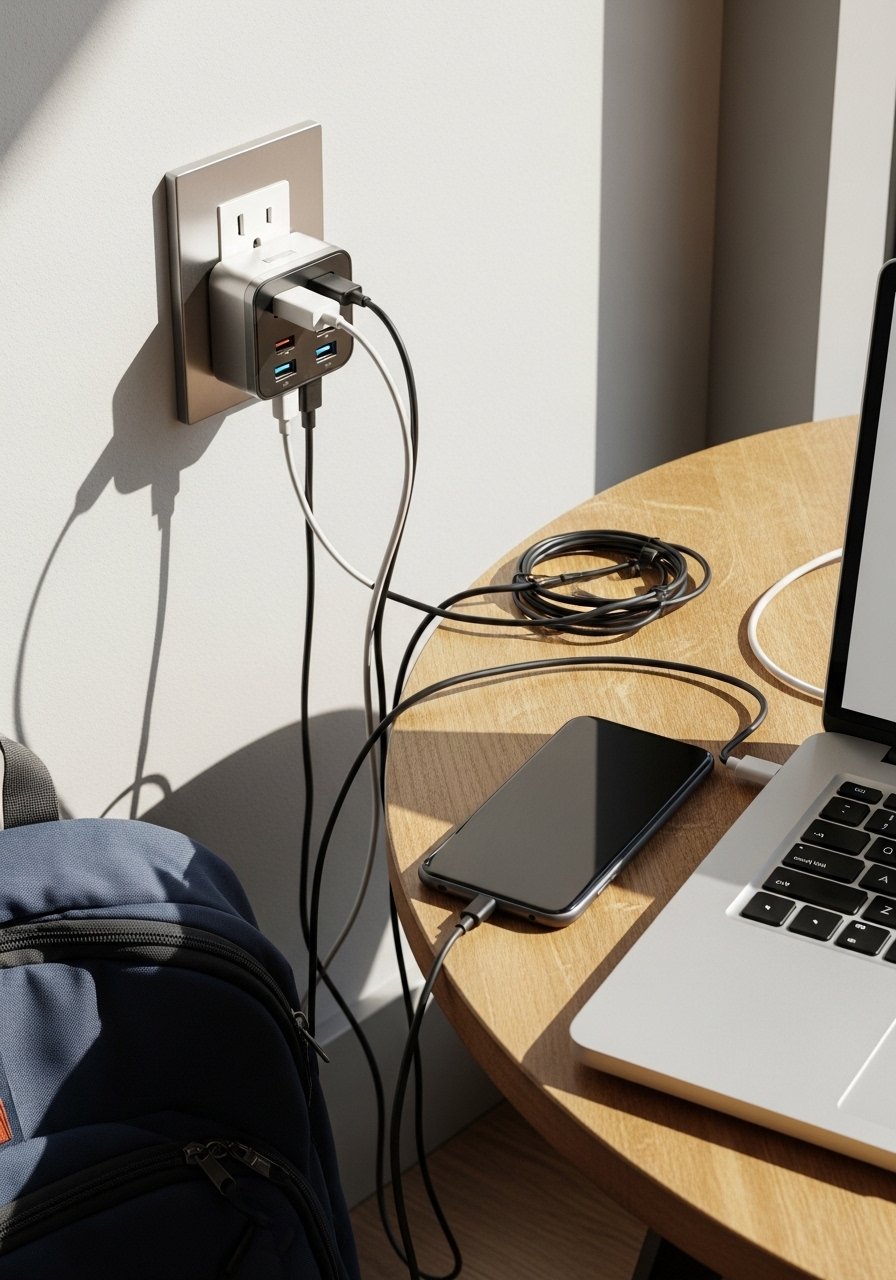
    Lightweight Multi-Port Travel Charger (USB-C PD)

    I replaced multiple chargers with a single multi-port USB-C PD charger. It charges laptop and phone faster and clears outlets. Look for at least one USB-C PD port and a couple of USB-A ports.

    Keep short cables handy for a tidy setup. The mistake is packing multiple bulky chargers that crowd outlets and weight.

    Why It Makes the List

    • Charges multiple devices faster and cleaner.
    • Reduces cable clutter.
    • Saves space and outlet fights.

    What You’ll Want for This

    Lightweight Day Shoes That Pack Small

    Shoes take up too much space. I carry one versatile pair of lightweight walking shoes that pack small and handle city miles. They should be break-in ready before travel.

    Avoid brand-new shoes on long walking days. The mistake is bringing multiple heavy pairs and then not wearing half of them.

    Why It Makes the List

    • Saves space and reduces weight.
    • Keeps you comfortable during long walks.
    • One good pair covers most trip needs.

    What You’ll Want for This

    Final Thoughts

    These travel bag essentials reflect what I actually pack on repeat trips. They solve small, repeat problems: leaks, lost chargers, tired feet, and slow security lines.

    You don’t need every item here for every trip. Pick the ones that match your style, climate, and luggage limits. Pack smart, leave room for souvenirs, and travel with fewer surprises.

  • 27 Must-Try Carry On Bag Essentials List For Easy Packing

    27 Must-Try Carry On Bag Essentials List For Easy Packing

    I always overpacked until one delayed train and a tiny overhead bin taught me discipline. This carry on bag essentials list is what I wish I’d had on that trip.

    I write from trips where bags were opened mid-commute, hotel AC failed, and I needed a charger and a plan. These are practical items I actually reach for.

    Use this list to decide what to buy, what to skip, and how to fit it into one carry-on without getting stressed.

    27 Must-Try Carry On Bag Essentials List For Easy Packing

    These 27 items are the exact carry-on essentials I test on city trips, family weekends, and long flights. I include small product suggestions and packing notes so you can pick what matters. This is practical, not a random shopping spree. There are 27 clear items to help you pack smarter.


    1. carry on bag essentials list — Slim Packing Cubes That Keep a Carry-On From Becoming a Mess

    I stopped digging for socks when I started using slim packing cubes. I keep shirts, underwear, and tech cables in separate cubes. They compress enough that I can fit one more layer without overstuffing.

    Look for lightweight nylon with a firm zipper and a slim profile that matches carry-on dimensions. I avoid huge bulky cubes that waste space.

    Most people underestimate how much a few cubes speed up hotel mornings. They also make security checks faster when I need to pull out toiletries or electronics.

    Why It Makes the List

    • Keeps clothing organized and easy to refresh mid-trip.
    • Saves time when repacking or grabbing an outfit.
    • Prevents full-bag spills when I’m in a rush.

    What You’ll Want for This


    2. TSA-Friendly Toiletry Kit with Leakproof Bottles

    I learned the hard way after a shampoo exploded in my bag. A clear, TSA-friendly pouch and solid leakproof bottles saved two trips since. I decant my daily liquids into 3–4 oz bottles and label them with masking tape.

    Pick bottles with tight twist caps and a silicone seal. Test them at home by shaking and tossing in a laundry basket.

    People often forget to put this pouch near the top of their carry-on. I find it again and again when I’m changing planes or heading straight to the hotel sink.

    Why It Makes the List

    • Prevents ruined clothes and electronics.
    • Speeds up security checks.
    • Keeps daily grooming simple on the road.

    What You’ll Want for This


    3. Lightweight High-Capacity Power Bank That Actually Charges a Full Day

    On long travel days I run maps, podcasts, and photo backups. A slim 20,000 mAh power bank keeps my phone and tablet topped up. I stash it in a small external pocket for easy access during delays.

    Check airline rules for mAh limits. I choose a power bank that supports fast charging and has at least two outputs. That way a friend and I can share.

    Underestimating battery needs is common. I used to rely on one charge and then scramble for outlets in transit hubs.

    Why It Makes the List

    • Keeps devices alive during long legs and layovers.
    • lets you avoid hunting crowded charging stations.
    • Useful for sharing power with travel companions.

    What You’ll Want for This


    4. Compact Universal Travel Adapter (With USB Ports)

    I learned to carry one universal adapter after arriving in a country with only two-prong sockets. Pick a compact adapter that includes USB-A and USB-C ports. It saves space and reduces the number of chargers I carry.

    Avoid models without surge protection if you’ll charge cameras or laptops. I also look for models with a fuse or safety shutter.

    Many travelers bring adapters but not one with enough USB ports. I wish I’d known that hotels rarely have more than one outlet per room.

    Why It Makes the List

    • One tool works in multiple countries.
    • Reduces clutter of separate chargers.
    • Useful for charging phones and smaller devices simultaneously.

    What You’ll Want for This


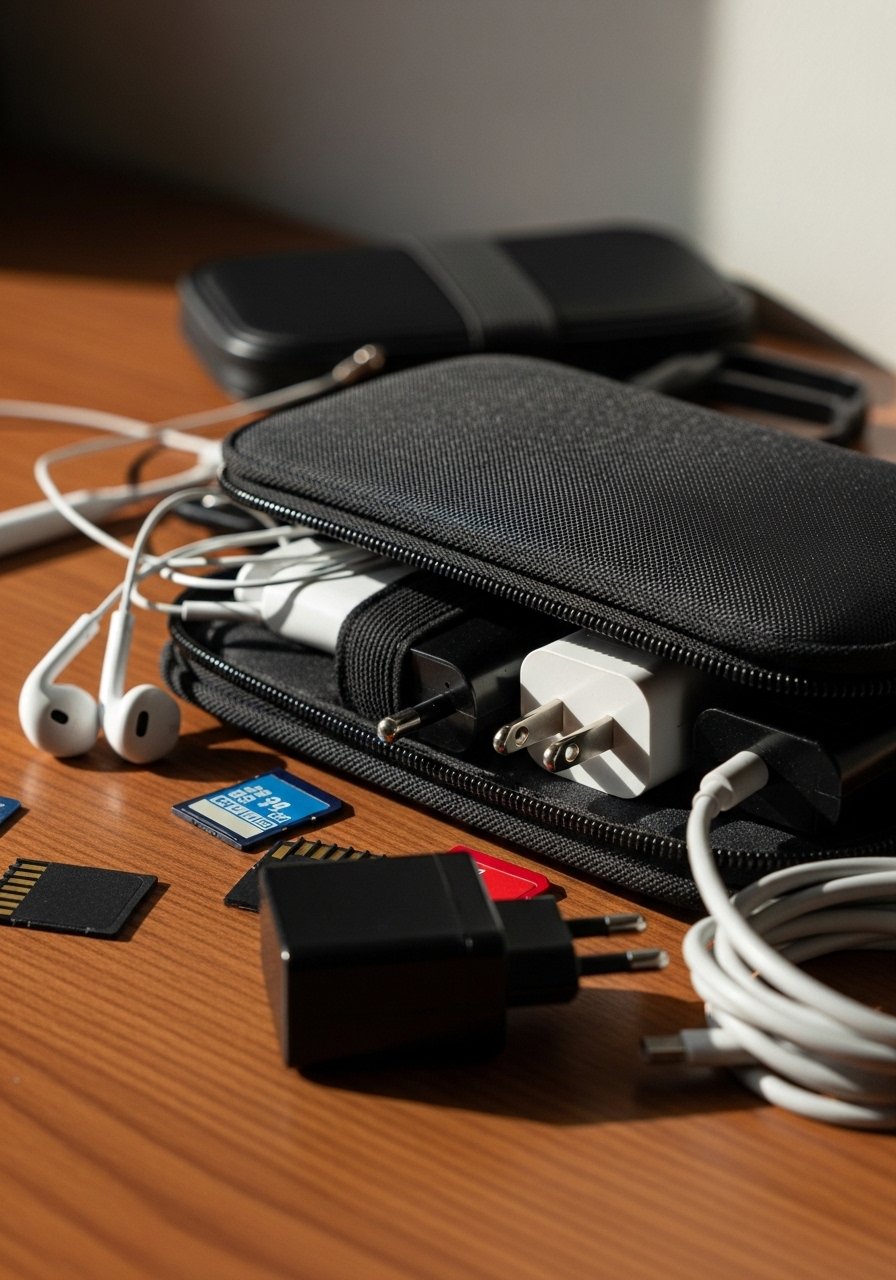
    5. Electronics Organizer Pouch for Cables and Small Gear

    I used to toss cables loose and spend ten minutes untangling them after every transit. An organizer with elastic loops and mesh pockets keeps chargers, spare batteries, and SD cards easy to find.

    I separate essential cables from extras. The essentials go in the top pocket so I can pull them out mid-flight. The rest stays packed.

    People often think a small ziplock will do. It won’t. A purpose-built pouch prevents crushed USB plugs and lost memory cards.

    Why It Makes the List

    • Saves time and reduces stress at security checks.
    • Protects fragile small electronics.
    • Keeps backup items accessible during travel.

    What You’ll Want for This


    6. Foldable Daypack That Fits Inside Your Carry-On

    When I arrive at a new city, I prefer a light daypack instead of my larger bag. A foldable daypack takes up minimal room and is perfect for museums, markets, or beach days.

    Look for water-resistant fabric and a padded back. A little zip pocket for your passport and phone is worth it.

    Many travelers forget to bring a small bag and end up carrying a heavy tote. A collapsible pack makes walking days far easier.

    Why It Makes the List

    • Provides flexible storage for daily outings.
    • Folds down to save space in the carry-on.
    • Useful for shopping and rainy days.

    What You’ll Want for This


    7. Comfortable Slip-On Shoes You Can Wear Through Security

    I always wear slip-on shoes on travel days. They speed up security and are kinder to tired feet after long walks. I choose breathable, supportive slip-ons that also pass for casual dinners.

    If you plan to pack light, wear your bulkiest shoes on the plane. That saves carry-on space and keeps your footgear ready.

    People underestimate how much time lost in shoe removal adds to transfers. I stopped wearing laces on multi-leg journeys for this reason.

    Why It Makes the List

    • Speeds up security lines.
    • Doubles as walking shoes for arrival.
    • Saves carry-on space by wearing heavier footwear.

    What You’ll Want for This


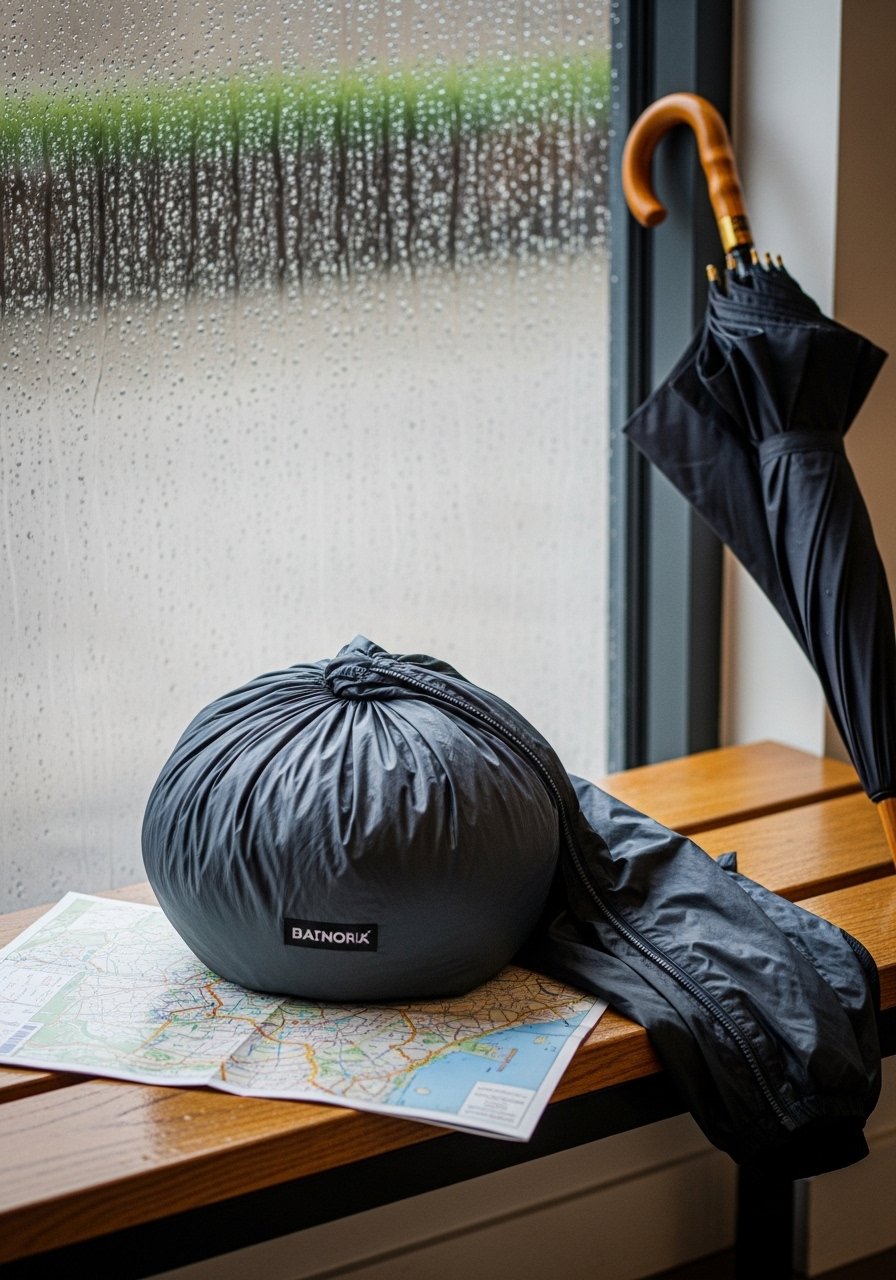
    8. Lightweight Packable Rain Jacket with Hood

    I always pack a thin rain jacket that fits into its own pocket. Weather changes fast in many cities. It’s better than buying a plastic poncho at a tourist stall.

    Choose a breathable, seam-sealed jacket with a hood and pit zips. It should compress small and still block wind.

    Most travelers overpack heavy coats for unpredictable weather. A packable shell is lighter and more versatile.

    Why It Makes the List

    • Protects against sudden showers and wind.
    • Packs down small and weighs little.
    • Useful layered over sweaters or tees.

    What You’ll Want for This


    9. Noise-Canceling Headphones or Comfortable Earbuds

    I used cheap earbuds until a six-hour delay convinced me otherwise. Noise-canceling headphones turn a loud cabin into a quiet place to rest or work. They make flights and trains bearable.

    Pick a model that folds flat and has an aux option. Battery life is important—aim for 20+ hours if you can.

    Many people forget to pack a small case. A loose pair gets crushed in carry-on pockets.

    Why It Makes the List

    • Lets you sleep or focus in noisy environments.
    • Improves audio for movies or calls.
    • Reduces travel stress on long legs.

    What You’ll Want for This


    10. Compressible Neck Pillow That Stuffs Flat

    I once carried a bulky foam neck pillow and regretted it. A compressible or inflatable neck pillow gives support but fits inside a cube or clips to the bag.

    Look for one with a soft cover and easy valve. I prefer pillows that offer modest support without pushing my head forward.

    Travelers often try to sleep without head support and wake stiff. A small pillow makes a big difference on red-eyes.

    Why It Makes the List

    • Improves rest on long trips.
    • Packs flat or clips externally to save space.
    • Reduces neck soreness after flights.

    What You’ll Want for This


    11. Collapsible Reusable Water Bottle to Save Money and Reduce Waste

    I used to buy bottled water constantly. A collapsible bottle fills at airport fountains and stores flat when empty. It’s great for long walks or hikes from town centers.

    Pick BPA-free silicone and a bottle that fits airline cabin rules for liquids when empty. Some have built-in filters which are handy where water quality is iffy.

    People forget cleanliness—wash it often. I rinse mine nightly to avoid smells.

    Why It Makes the List

    • Cuts costs and plastic use.
    • Packs small when not in use.
    • Useful for hydration on the move.

    What You’ll Want for This


    12. Quick-Dry Travel Underwear (Pack 3–5 Pairs)

    I carry three pairs of quick-dry underwear for every three travel days. They dry overnight in a sink. That means I can pack far less.

    Choose blends with breathable fabric and a snug fit. I avoid cotton for underwear on multi-day trips.

    Many travelers misjudge drying time. I test a pair at home before traveling to make sure they actually dry in 8–10 hours.

    Why It Makes the List

    • Lets you pack fewer items and do light laundry.
    • Dries fast in small hotel rooms.
    • Keeps you comfortable during long travel days.

    What You’ll Want for This


    13. Compact Travel Laundry Kit and Universal Sink Plug

    I wash socks and underwear in hotel sinks several times a trip. A travel laundry kit with detergent strips and a sink plug saves money and reduces packing.

    The sink plug is small but essential for hotels without one. I bring a few detergent strips that are light and mess-free.

    People often forget that not every sink drains slowly. Test the plug first to avoid a flooded bathroom.

    Why It Makes the List

    • Lets you refresh essentials quickly.
    • Reduces packing weight for longer trips.
    • Works in most hotel sinks and tubs.

    What You’ll Want for This


    14. Small First-Aid Kit and Personal Meds Organizer

    I keep a compact first-aid kit in my carry-on for blisters, headaches, and cut fingers. Personal meds go in a labeled pill organizer so I never scramble to find them.

    Include blister bandages, antiseptic wipes, and a small roll of tape. I also pack motion-sickness tablets if trips involve ferries or winding roads.

    Most people forget a small supply of painkillers. I always pack them for long travel days.

    Why It Makes the List

    • Handles small medical issues without a pharmacy trip.
    • Keeps prescriptions accessible during travel.
    • Reduces stress when traveling with kids or older relatives.

    What You’ll Want for This


    15. Travel Document Organizer or Passport Wallet

    I used to jam documents into random pockets until a passport wallet fixed the chaos. Keep passport, boarding passes, cards, and a printed itinerary together. It speeds border crossings and hotel check-in.

    Look for RFID protection and multiple slots for cards and receipts. Thin leather or nylon models are best for weight.

    People often leave loose receipts and lose track of reservations. A dedicated organizer cuts that problem.

    Why It Makes the List

    • Keeps critical documents handy and secure.
    • Avoids frantic searches during check-in.
    • Protects passport and cards from wear.

    What You’ll Want for This


    16. Compression Socks for Long Flights or Long Walking Days

    I started wearing compression socks on flights longer than three hours. They reduce swelling and keep my legs feeling fresher after walking all day.

    Choose moderate compression (15–20 mmHg) for travel unless a doctor recommends otherwise. Breathable fabric matters for long days.

    People often ignore foot care until the flight ends. I slip them on before takeoff and notice less stiffness.

    Why It Makes the List

    • Reduces leg swelling and fatigue.
    • Helps you feel more comfortable after long sits.
    • Easy to pack and quick to put on.

    What You’ll Want for This


    17. Lightweight Scarf or Travel Blanket Wrap

    Planes and trains can be chilly. I carry a lightweight scarf that doubles as a blanket, neck pillow cover, or impromptu sunshade.

    Pick a fabric that’s soft and thin but warm—merino blends work well. It should fold slim and still feel cozy.

    Many people pack bulky throws that don’t get used. A scarf is more versatile and fits in a daypack.

    Why It Makes the List

    • Multipurpose: warmth, privacy, sun protection.
    • Compresses small and adds comfort.
    • Useful in unpredictable cabin temps.

    What You’ll Want for This


    18. Portable Luggage Scale to Avoid Surprise Fees

    I once paid an extra fee because my bag was overweight on a short trip. A pocket luggage scale prevents that mistake. I weigh my bag after repacking and remove items if needed.

    Pick a scale with a clear backlit display and reliable accuracy to 0.1 kg or 0.2 lb. Small magnets or fold-away handles help.

    People assume they can eyeball weight. Don’t. Airports are precise.

    Why It Makes the List

    • Prevents overweight baggage fees.
    • Helps plan what to remove before leaving.
    • Compact and cheap insurance against surprises.

    What You’ll Want for This


    19. Multi-Port USB Wall Charger for Crowded Outlets

    Outlets are scarce in hotel rooms. A multi-port USB charger lets me charge a phone, tablet, and headphones from one spot. It also replaces multiple bulky chargers.

    I choose chargers with at least two USB-C ports and one USB-A. A compact brick with foldable prongs fits easily.

    Most people bring separate chargers for each device. Consolidating saves space and outlet real estate.

    Why It Makes the List

    • Charges multiple devices at once.
    • Keeps cables organized and reduces clutter.
    • Ideal for small hotel rooms and airport lounges.

    What You’ll Want for This


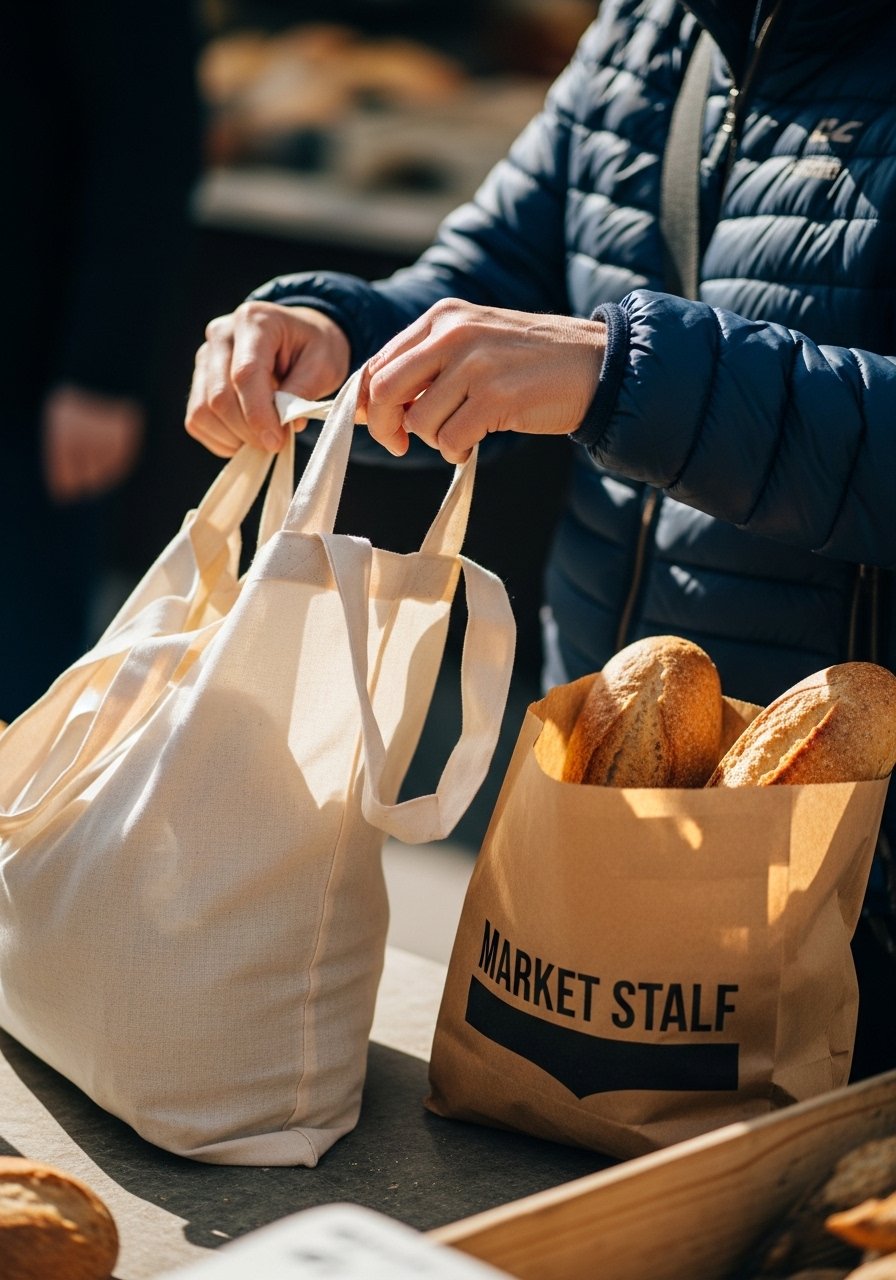
    20. Packable Reusable Tote for Extra Shopping or Laundry

    Markets and souvenir shops fill quickly. A lightweight reusable tote handles groceries, laundry, or extra purchases on the last day. It folds down to nothing in my pocket.

    Choose a durable but thin fabric with a small zip pouch. It should hold 20+ liters without bulking up.

    People often buy plastic bags when they could’ve used a small foldable tote. Mine has saved me multiple times.

    Why It Makes the List

    • Adds flexible cargo capacity for day trips.
    • Saves money and reduces waste.
    • Packs into its own tiny pocket.

    What You’ll Want for This


    21. Small Travel Umbrella That Folds Flat

    I’ve been caught in rain without a shelter more than once. A compact umbrella takes little room and keeps you dry during sudden showers. I prefer models with a vented canopy to handle wind.

    Check weight; some umbrellas are heavier than they look. A 9–11 inch folded length fits easily in a carry-on pocket.

    Many travelers omit an umbrella because they “won’t need it.” I learned that weather changes fast in coastal cities.

    Why It Makes the List

    • Protects you in unexpected rain.
    • Folds small and fits in a daypack or carry-on.
    • More reliable than buying emergency plastic ponchos.

    What You’ll Want for This


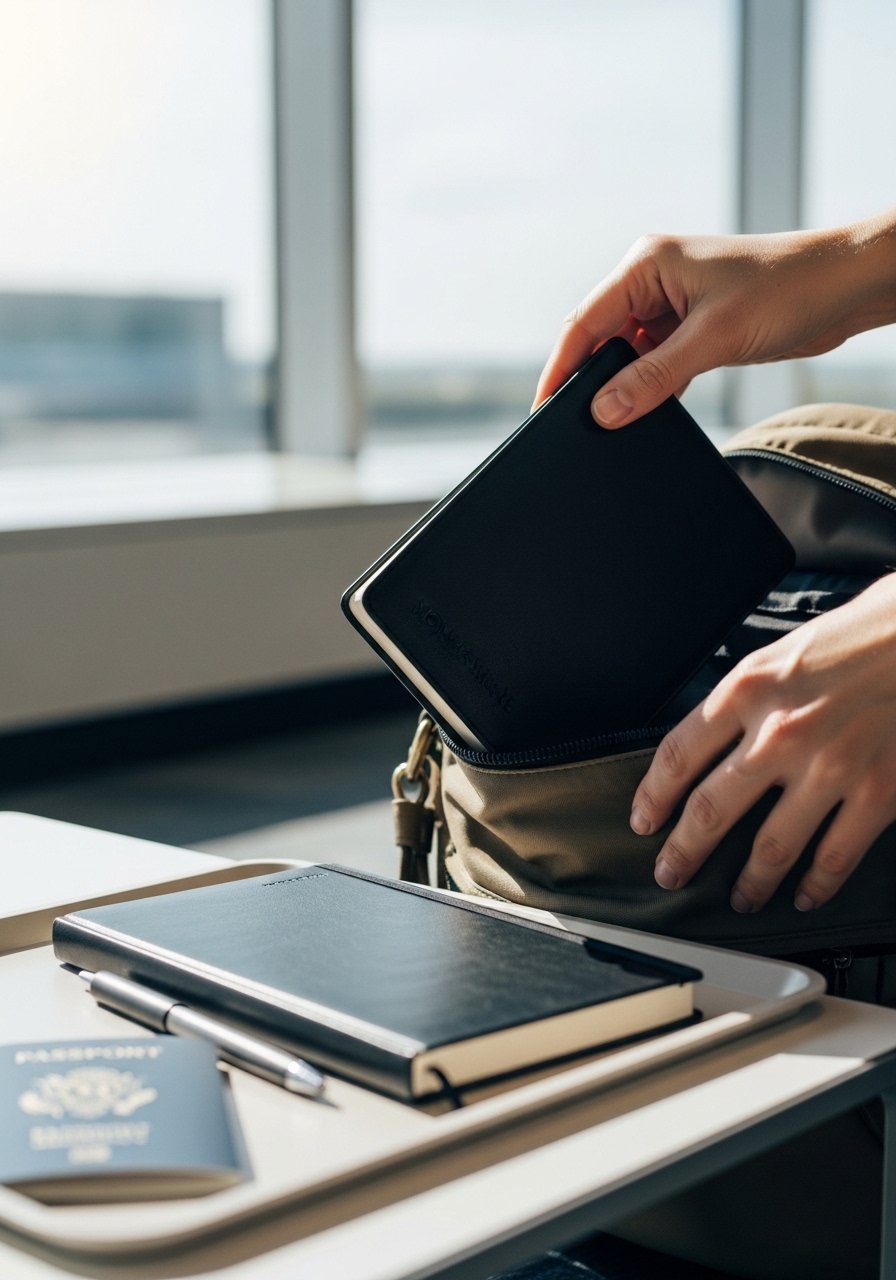
    22. Pen, Small Notebook, and Printouts of Key Info

    I always carry a pen and a small notebook for quick notes, contact numbers, or filling customs forms. Digital notes are great, but a pen helps with sign-ins and scribbled directions.

    I keep printed copies of reservations and an emergency contact sheet. Screens die; paper doesn’t.

    People often forget a pen when a queue needs documentation. You’ll be grateful you brought one.

    Why It Makes the List

    • Useful for forms, contact details, and quick notes.
    • Doesn’t rely on battery power.
    • Helps when you need to show written details fast.

    What You’ll Want for This


    23. Travel Stain Remover Pen and Small Sewing Kit

    A stain remover pen has saved outfits after spills at street food stalls. I carry a tiny sewing kit with a couple of needles, thread, and safety pins for quick repairs.

    Choose a compact kit with a simple pair of scissors or snips that comply with airline rules when checked—keep scissors out of carry-on.

    Many travelers panic over small tears. Quick fixes get you through a multi-day trip without a laundry trip.

    Why It Makes the List

    • Fixes stains and small clothing damage quickly.
    • Keeps outfits wearable without a tailor.
    • Small, inexpensive, and effective.

    What You’ll Want for This


    24. Microfiber Quick-Dry Towel (Small) for Unexpected Needs

    I added a small microfiber towel to my carry-on after a hostel shower went sideways. It’s useful for drying off after unexpected rain, beach stops, or quick picnics.

    Pick a towel that’s compact, fast-drying, and lint-free. A corner loop to hang it helps a lot.

    People usually think towels are for overnight trips only. A small towel is surprisingly handy on day trips.

    Why It Makes the List

    • Fast-drying and multi-use for unexpected situations.
    • Compact and lightweight.
    • Handy for damp shoes, spills, or beaches.

    What You’ll Want for This


    25. Mini Travel Security: Cable Lock and RFID Card Sleeve

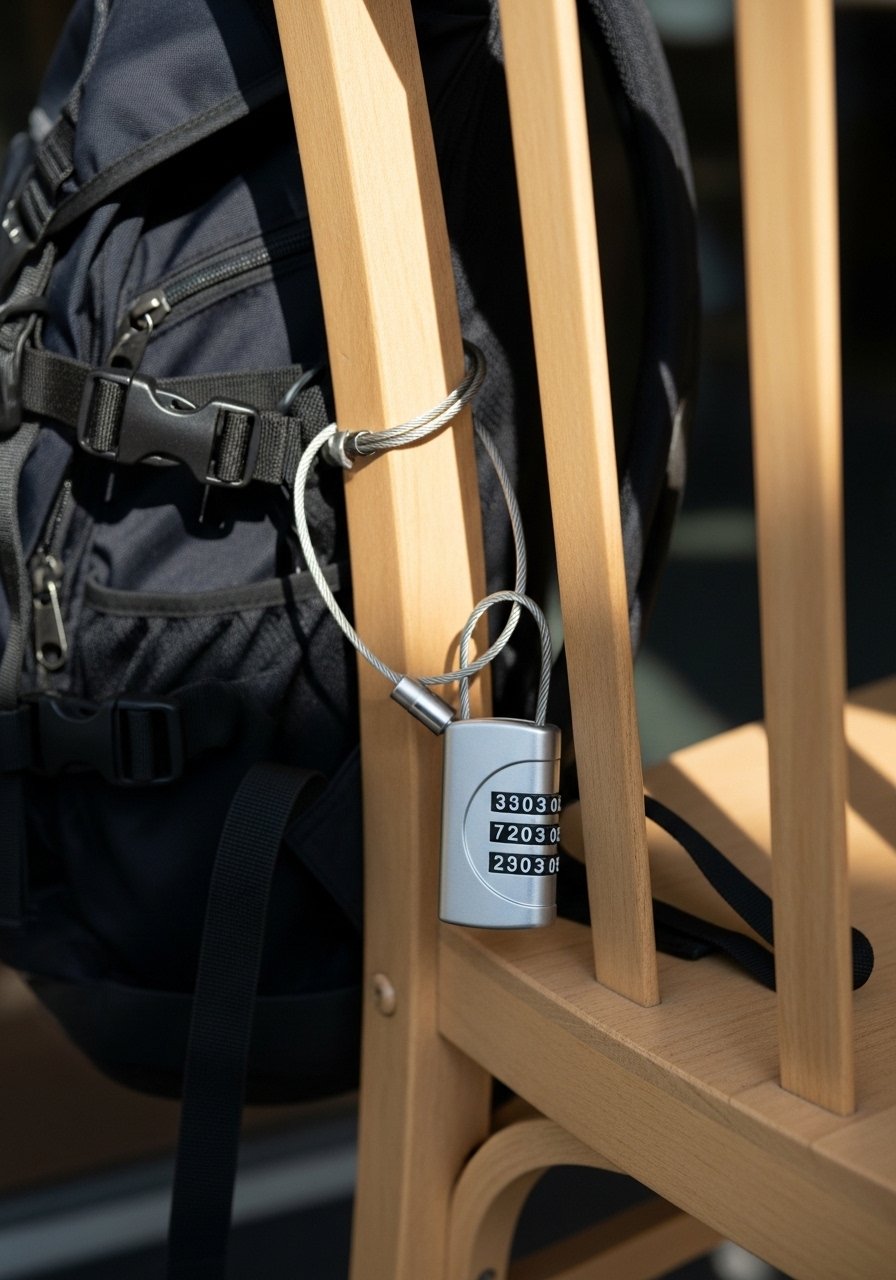
    I loop a small cable lock through my carry-on when I’m leaving it in a locker or hostel common area. An RFID-blocking sleeve protects cards when I’m in crowded transport hubs.

    Choose a lightweight lock and thin RFID wallet that fits inside your passport holder. The lock shouldn’t be your sole security, but it’s deterrent enough.

    People often leave valuables out in the open. A small security layer prevents easy grabs.

    Why It Makes the List

    • Adds a quick layer of security in shared spaces.
    • Protects credit cards from skimming.
    • Lightweight and easy to pack.

    What You’ll Want for This


    26. Emergency Snack Pack and Reusable Snack Container

    I carry a small stash of snacks because airport shops close early and market runs fail. A resealable container keeps nuts and bars fresh, and it avoids noisy wrappers mid-flight.

    Include energy-dense items that won’t melt, like trail mix, jerky, or granola bars. I grab one for late arrivals and early tours.

    People rely on airport food and miss options. A snack saves money and moods.

    Why It Makes the List

    • Prevents hunger during delays and long transfers.
    • Saves money vs. overpriced terminal food.
    • Compact and reusable.

    What You’ll Want for This


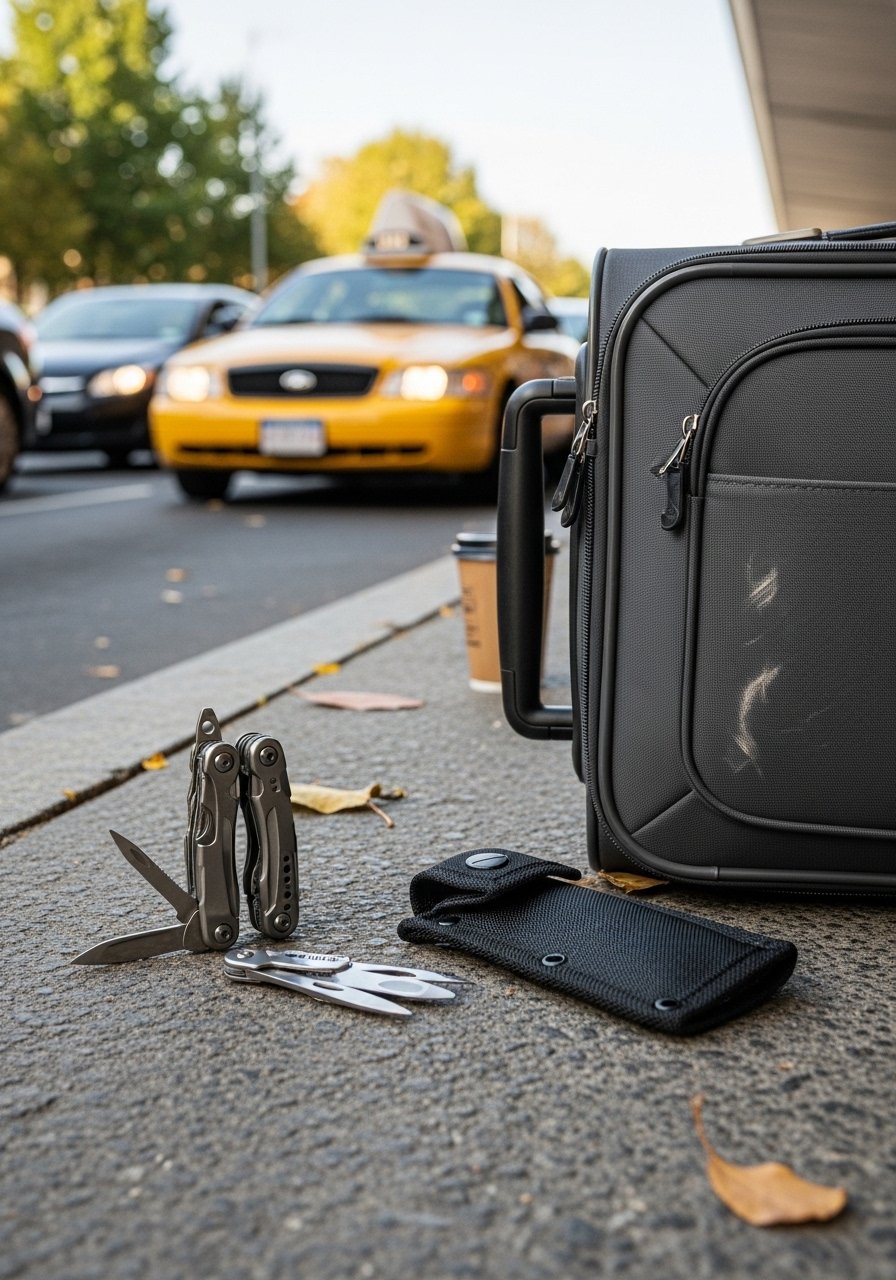
    27. Small Multi-Tool (Check TSA Rules) or Pocket Knife Alternatives

    I use a small multi-tool for quick fixes but I always check airline rules. If I can’t carry a knife, I bring a multi-function tool in checked luggage or rely on scissors and a mini screwdriver in my checked bag.

    The tool helps tighten a loose screw on a stroller or fix eyeglass arms. Keep it in checked baggage where required to avoid confiscation.

    Many travelers learn TSA rules too late. Know what can go in carry-on vs. checked to avoid losing tools at security.

    Why It Makes the List

    • Handy for small repairs and unexpected fixes.
    • Compact and worth the weight if checked when necessary.
    • Avoids last-minute kit shortages.

    What You’ll Want for This


    Final Thoughts

    This carry on bag essentials list covers the small things that make travel easier. I don’t use everything every trip, but I always pick the items that match the destination and length.

    Start with the basics—packing cubes, toiletries, power—and add one or two extras that fix your usual travel pain. You’ll travel lighter and with more confidence.
  • 22 Simple Minimalist Travel Bag Essentials For Light Packing

    22 Simple Minimalist Travel Bag Essentials For Light Packing

    I once lugged a heavy duffel through Brussels in 30°C and swore then I’d travel lighter. I kept the things I actually used. Small wins: comfortable shoes, a single versatile jacket, and a pared-down toiletry kit.

    This list is the result of those trips that went sideways and the ones that felt calm. I’ll tell you what I pack, what I regret, and what I always under-estimate.

    22 Simple Minimalist Travel Bag Essentials For Light Packing

    These 22 items are exactly what I fit into a slim carry-on for short trips or multi-city hops. They’re practical, not fancy. Each entry explains why it matters, what people usually forget, and what I bring. Expect gear suggestions and quick product links for easy shopping.

    1. Slim Carry-On That Actually Fits Overhead

    I stopped checking bags because waiting for luggage wastes time and patience. A slim carry-on with organized compartments keeps me mobile. I look for dimensions that meet common airline limits, a sturdy handle, and a front pocket for documents.
    The mistake I made: choosing a hard shell that added weight. Now I prefer lightweight nylon with a reinforced base. One bag for trains, planes, and occasional taxis keeps choices simple.

    Why It Makes the List

    • Keeps everything in one manageable place.
    • Forces deliberate packing choices.
    • Cuts transfer stress on arrival and departure.

    What You’ll Want for This

    1. Compression Packing Cubes That Keep a Bag From Becoming a Mess

    I used to unfold every shirt at hotels. Packing cubes changed that. They compress clothing, separate dirty items, and make security checks easier. I use small cubes for underwear and socks, a medium for shirts, and a large for pants or bulkier layers.

    Common oversight: buying cubes that are too bulky or hard-sided. Choose soft, breathable fabric with quality zippers. Color-code if you pack for multiple people — instant organization.

    Why It Makes the List

    • Saves space and time.
    • Keeps clean and dirty separate.
    • Reduces decision fatigue on the road.

    What You’ll Want for This

    1. Foldable Daypack for Walks and Last-Minute Errands

    I carry a daypack instead of a bulky day bag. It folds into a tiny pouch. I use it for markets, walking tours, and sudden beach trips. It’s light, water-resistant, and can handle a jacket and camera.

    What travelers miss: size and straps. Cheap foldables have thin straps that bruise shoulders. Pick one with reinforced straps. Also check volume — you want enough for a water bottle, camera, and a snack.

    Why It Makes the List

    • Flexible for daily use.
    • Saves space inside the main bag.
    • Good for impromptu side trips.

    What You’ll Want for This

    1. Universal Travel Adapter With USB Ports

    I’ve been in hostels with two outlets and three devices. A universal adapter with multiple USBs saves the day. I look for one that covers EU/UK/US/AU plugs and includes at least two USB-A and one USB-C.

    People often skip surge protection. If you’re charging expensive gear, get an adapter with basic surge protection. I also bring a short extension cable when outlets are awkwardly placed.

    Why It Makes the List

    • Lets you charge multiple devices.
    • Avoids searching for local adapters last minute.
    • Supports varied plug types in one compact unit.

    What You’ll Want for This

    1. Compact Power Bank That Fits a Pocket

    A dead phone is stress. I carry a compact power bank that fits in my jacket or daypack. I aim for 10,000 mAh — enough for a phone and light accessories without the weight of a massive pack.

    I used to buy the cheapest ones. That cost me reliability. Pay for a reputable brand and USB-C fast charge if you rely on quick top-ups between stops.

    Why It Makes the List

    • Keeps maps, tickets, and communication alive.
    • Avoids hunting for plugs during long travel days.
    • Lightweight and reliable charging.

    What You’ll Want for This

    1. Quick-Dry Underwear and Socks That Pack Small

    I travel with three to four pairs of quick-dry underwear and two pairs of socks. They dry overnight in a sink or on a radiator. That cuts down on what I pack and lets me re-wear items comfortably.

    People underestimate fit. Thin, cheap options ride up or wear out fast. Spend a little more on merino or technical blends. They smell less, dry faster, and need washing less often.

    Why It Makes the List

    • Reduces number of garments packed.
    • Easier to manage laundry on the road.
    • Comfortable and odor-resistant.

    What You’ll Want for This

    1. Packable, Weather-Ready Jacket That Doubles as a Pillow

    I choose a packable jacket that’s water-resistant and light. On chilly nights, it layers under a coat. On wet days, it keeps me dry for the essentials. Bonus: some compress into a pillow for trains.

    The error I made: buying a heavy insulated coat for all trips. It added bulk and wasn’t versatile. Look for lightweight insulation or a technical shell with a small pack size.

    Why It Makes the List

    • Versatile layer for changing weather.
    • Packs small and can double as a cushion.
    • Keeps you comfortable without bulk.

    What You’ll Want for This

    1. Minimal Travel Toiletry Kit With Refillable Bottles

    I pared my toiletry bag down to a few refillable bottles and a small pouch. Solid shampoo bars, a travel toothbrush, and a multipurpose balm cover 80% of situations. A clear, leakproof pouch keeps liquids contained.

    Most travelers overpack full bottles. I refill from hotel dispensers or transfer into small bottles. Also, pack a nylon travel soap saver to keep bars tidy and dry.

    Why It Makes the List

    • Cuts weight and keeps liquids compliant.
    • Lowers risk of leaks.
    • Makes airport security smoother.

    What You’ll Want for This

    1. Slim Travel Wallet / Document Organizer

    I keep passports, a primary card, a backup card, and some cash in a slim travel wallet. It lives in my bag’s front pocket. When I leave the hotel, I grab the wallet and go.

    A common mistake: carrying everything in a bulky clip wallet. That draws attention and gets uncomfortable on long walks. Go slim, and keep a photocopy of your passport somewhere separate.

    Why It Makes the List

    • Quick access to travel documents.
    • Reduces pickpocket risk when worn in a secure pocket.
    • Encourages minimal cash and card carrying.

    What You’ll Want for This

    1. Lightweight, Supportive Walking Shoes That Don’t Look Bulky

    I wear one pair of supportive walking shoes that pass for city cafes and light hikes. They’re breathable, have decent tread, and look tidy enough for nicer meals. I avoid bulky trail boots unless I’m hiking.

    What people overlook is break-in time. New shoes cause blisters mid-trip. Wear them for a few walks before departure. A pair that balances comfort and low weight saves space and pain.

    Why It Makes the List

    • Keeps feet happy on long walking days.
    • Looks acceptable in casual restaurants.
    • Cuts the need for multiple shoes.

    What You’ll Want for This

    1. Compact Travel First-Aid Kit Tailored to You

    I keep a small first-aid kit with blister pads, painkillers, antihistamine, and a few prescription meds. It sits in an easy-access pocket. I’ve used it for scraped knees, headaches, and travel tummy fixes.

    People either overpack or forget essentials. Tailor the kit to your needs and the destination. If you’re traveling to remote areas, add antiseptic wipes and a compact suture kit only if trained.

    Why It Makes the List

    • Solves minor issues immediately.
    • Prevents small problems from ruining a day.
    • Compact and customizable.

    What You’ll Want for This

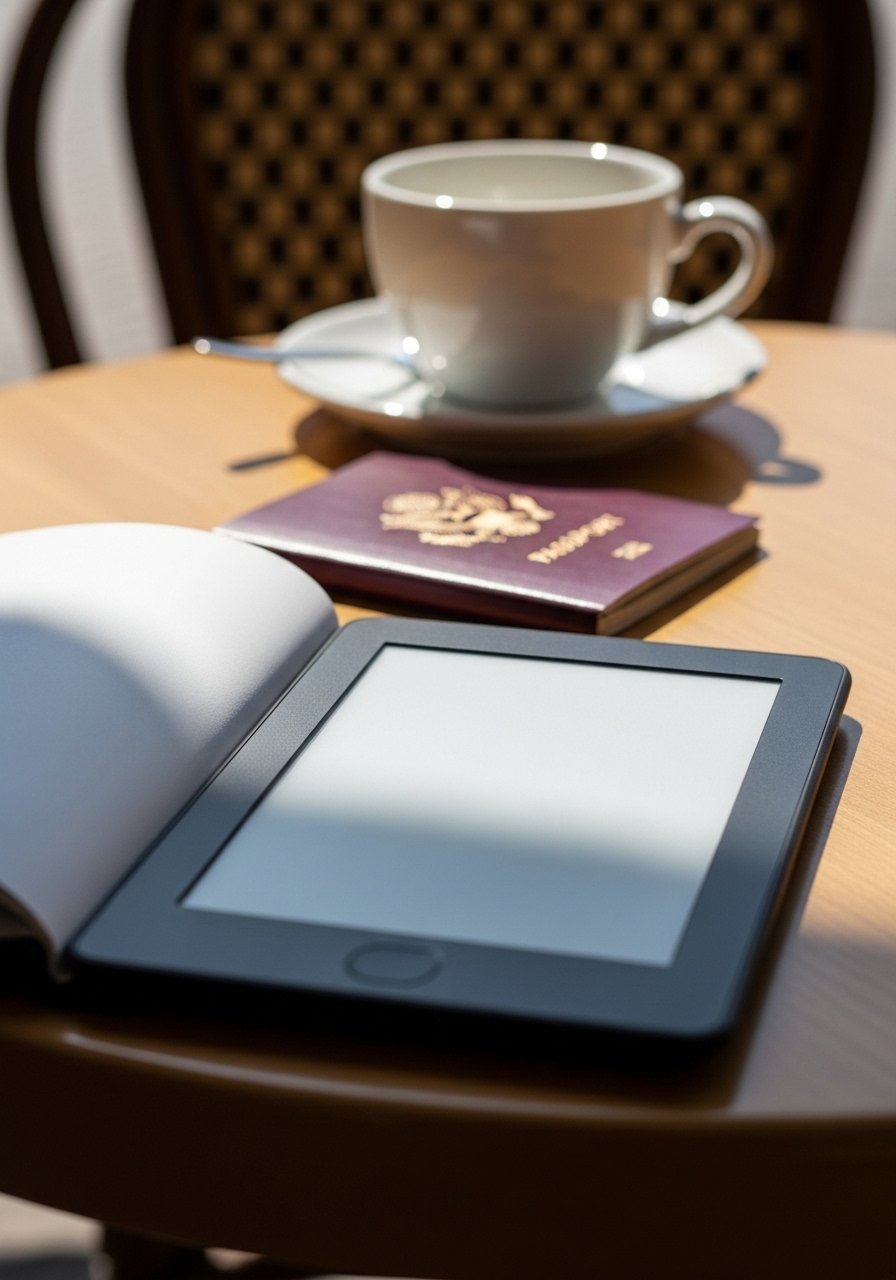
    1. E-Reader or Small Tablet for Downtime

    Long layovers and slow ferries are better with an e-reader. It saves space compared to paper books. I load guidebooks, novels, and a few offline maps. Battery life is excellent and it’s lightweight.

    I once brought a full-size laptop for reading. It was heavier than necessary. If you only intend to read, pick an e-reader or a compact tablet with a keyboard case only if you need typing.

    Why It Makes the List

    • Reduces paper bulk.
    • Keeps entertainment and guides in one device.
    • Long battery life and light weight.

    What You’ll Want for This

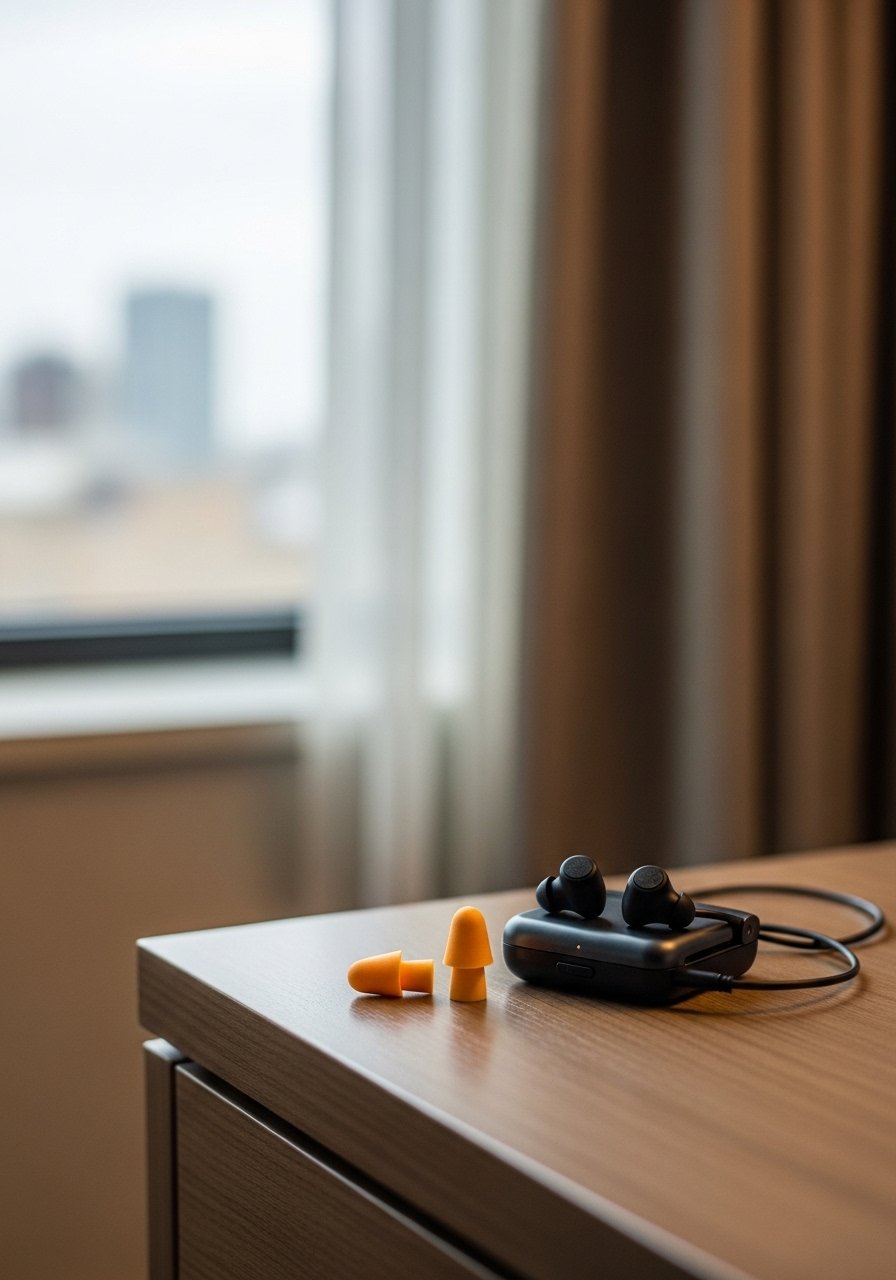
    1. Noise-Isolating Earplugs and Compact Headphones

    I use foam earplugs for overnight hostels and compact noise-isolating headphones for flights. They’re small but improve sleep and concentration. Noise reduction matters more than brand name.

    People underestimate comfort for long use. Try foam earplugs before a trip and choose headphones with soft pads or in-ear tips that fit your ears well.

    Why It Makes the List

    • Better sleep in noisy accommodations.
    • Easier focus on long journeys.
    • Compact and light.

    What You’ll Want for This

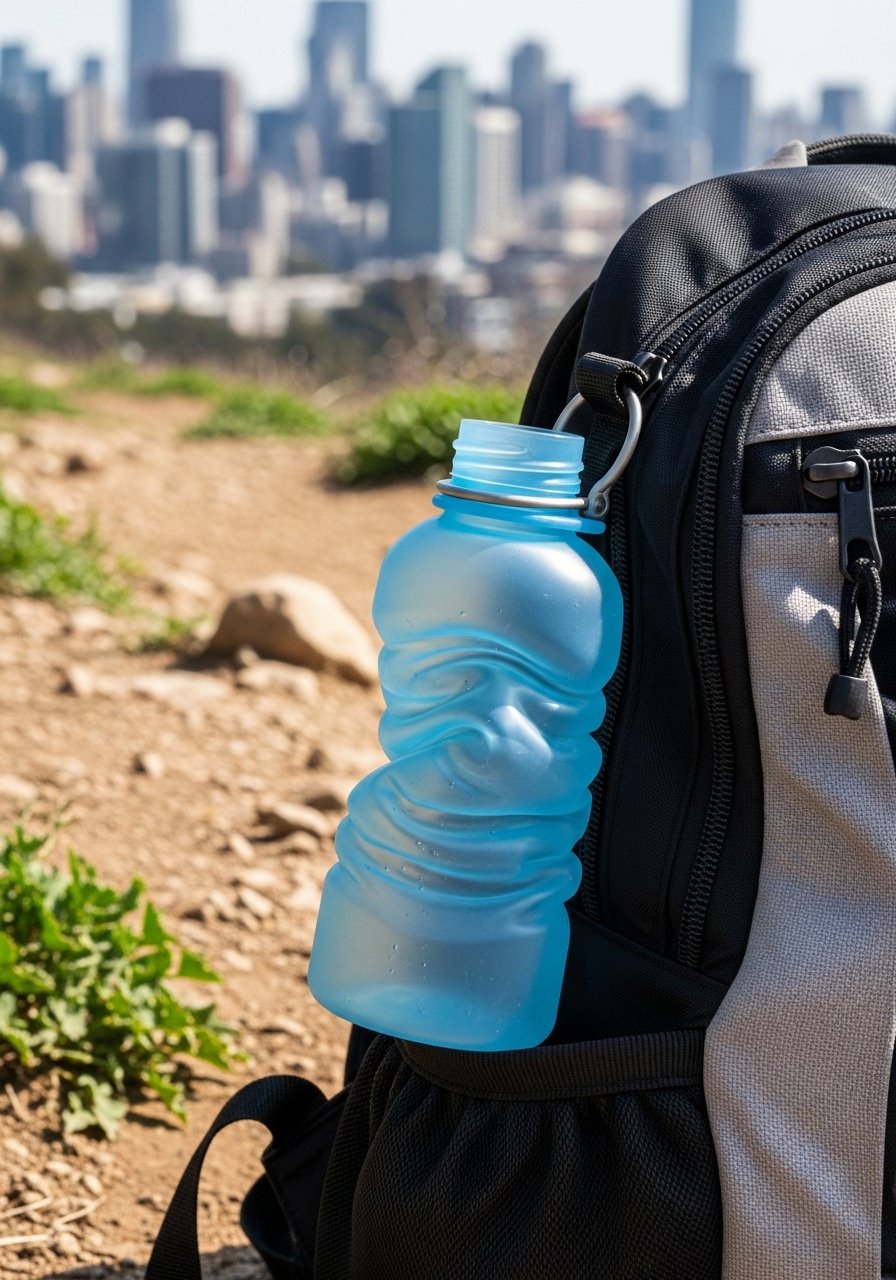
    1. Collapsible Water Bottle With a Carabiner

    Hydration is underrated. I carry a collapsible bottle that clips to my bag. It saves space when empty and keeps me from buying plastic bottles constantly. Many cities let you refill at fountains.

    New travelers forget taste and smell. Cheap collapsible bottles can retain odors. Choose BPA-free food-grade silicone and rinse it daily.

    Why It Makes the List

    • Saves money and reduces waste.
    • Packs down when not in use.
    • Easy to clip and access on the go.

    What You’ll Want for This

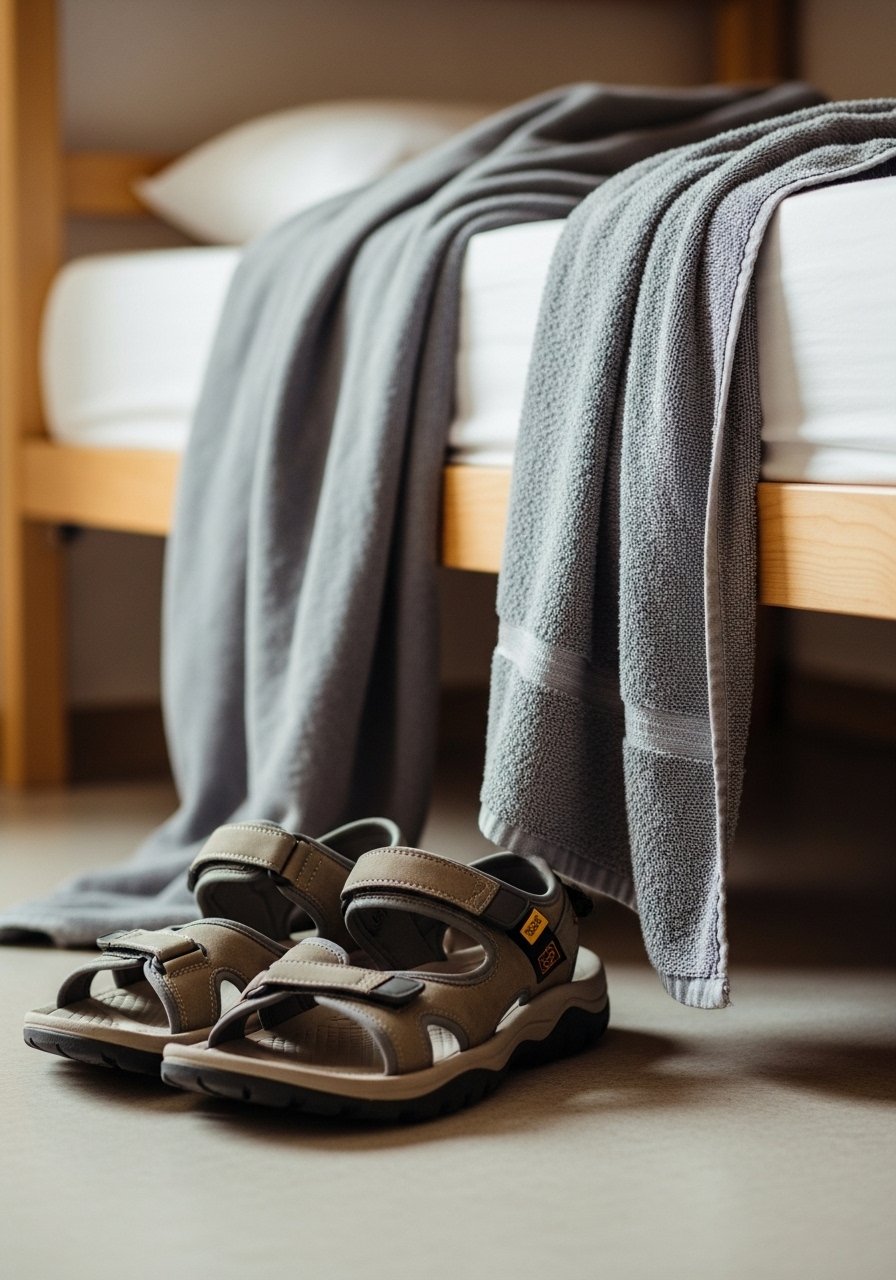
    1. One Pair of Multipurpose Sandals or Slip-Ons

    I pack one pair of sandals that are sturdy enough for long walks but light enough for packing. They’re great for hostels, quick beach visits, and flats-for-nicer-outings. They dry fast and save space.

    Mistake: bringing both heavy hiking sandals and sneakers. One good pair does most jobs. Check sole grip and arch support for all-day comfort.

    Why It Makes the List

    • Versatile footwear for varied situations.
    • Saves the need for multiple shoe pairs.
    • Easy to air out and dry.

    What You’ll Want for This

    1. Small Combination Lock and Cable for Security

    I carry a small combination lock and a thin cable to secure my bag in shared spaces or dorms. It’s more of a deterrent than foolproof, but it buys time and peace of mind.

    People assume locks stop theft. They don’t stop determined thieves but do prevent opportunistic grabs. Choose a lightweight lock and memorize the code. Don’t write it on the bag.

    Why It Makes the List

    • Adds a layer of deterrence in shared spaces.
    • Very low weight for the reassurance it offers.
    • Useful for locking bags on ferries or in hostels.

    What You’ll Want for This

    1. Lightweight Packable Rain Layer or Poncho

    Weather changes fast. I bring a packable rain layer that fits in a pocket. It keeps me moving when plans can’t shift. A poncho folds small and covers a daypack too.

    Many travelers buy flimsy ponchos that tear. Invest in a slightly sturdier design with taped seams. Even a thin shell is better than nothing for short showers.

    Why It Makes the List

    • Keeps you dry and moving.
    • Compact and simple.
    • Useful for sudden weather shifts.

    What You’ll Want for This

    1. Travel-Sized Laundry Kit and a Few Pins

    I wash underwear and a shirt halfway through a trip. A travel laundry kit with a sink stopper, soap strips, and a few pins makes it simple. Drying overnight is usually enough.

    Passengers often forget a lightweight way to dry clothes. A few plastic pins and a compact clothesline solve that. They also help when accommodation lacks drying options.

    Why It Makes the List

    • Cuts what you need to pack.
    • Keeps clothes fresh without laundromats.
    • Inexpensive and space-efficient.

    What You’ll Want for This

    1. Multipurpose Balm (Lips, Cuts, Dry Skin)

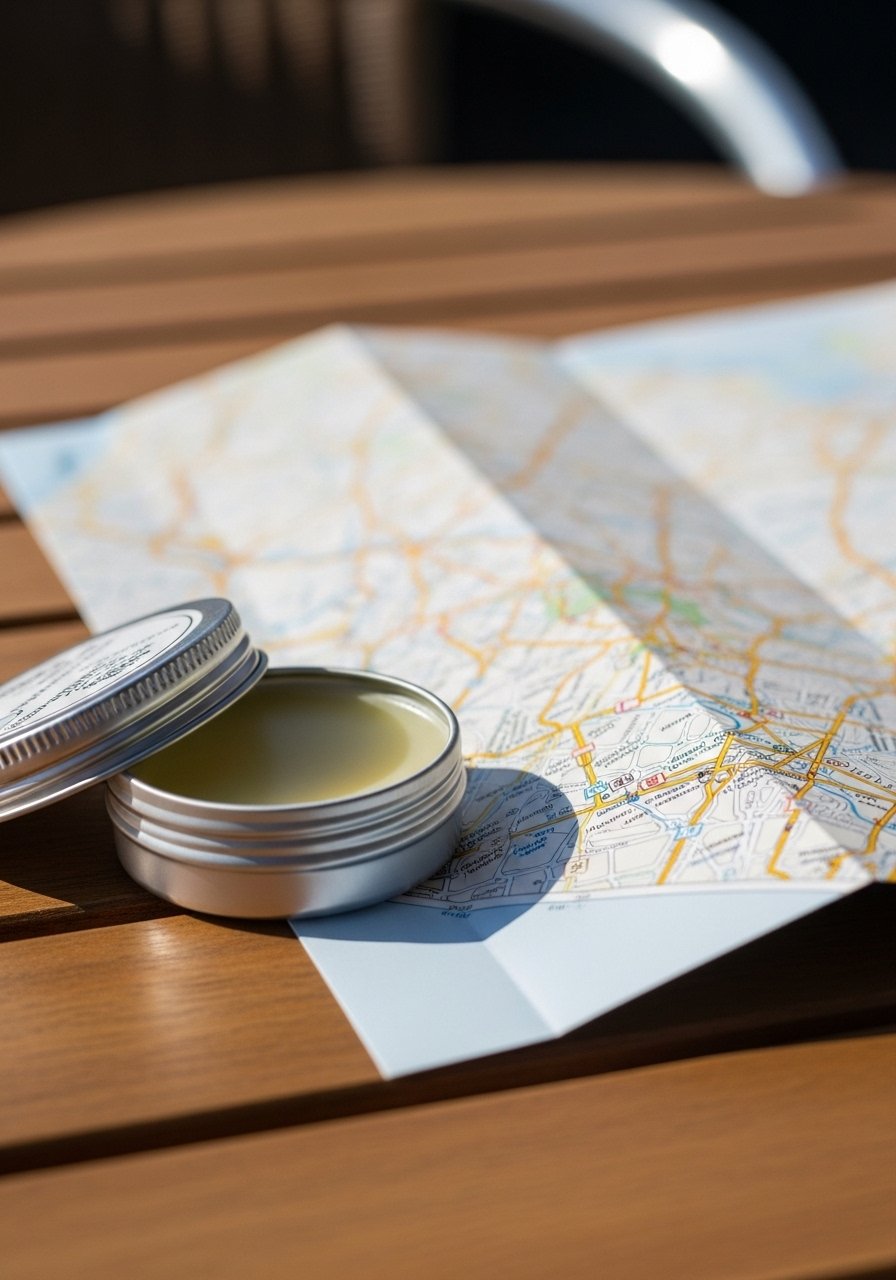
    I use one small multipurpose balm for lips, small cuts, and dry patches. It’s compact and replaces several bulky creams. I keep it in the toiletry pouch and use it more than I expected.

    Travelers often overpack multiple tiny creams. A single, high-quality balm does more and takes less space. Look for balm with SPF for sunny trips.

    Why It Makes the List

    • Consolidates several products into one.
    • Small and long-lasting.
    • Good for unpredictable climates.

    What You’ll Want for This

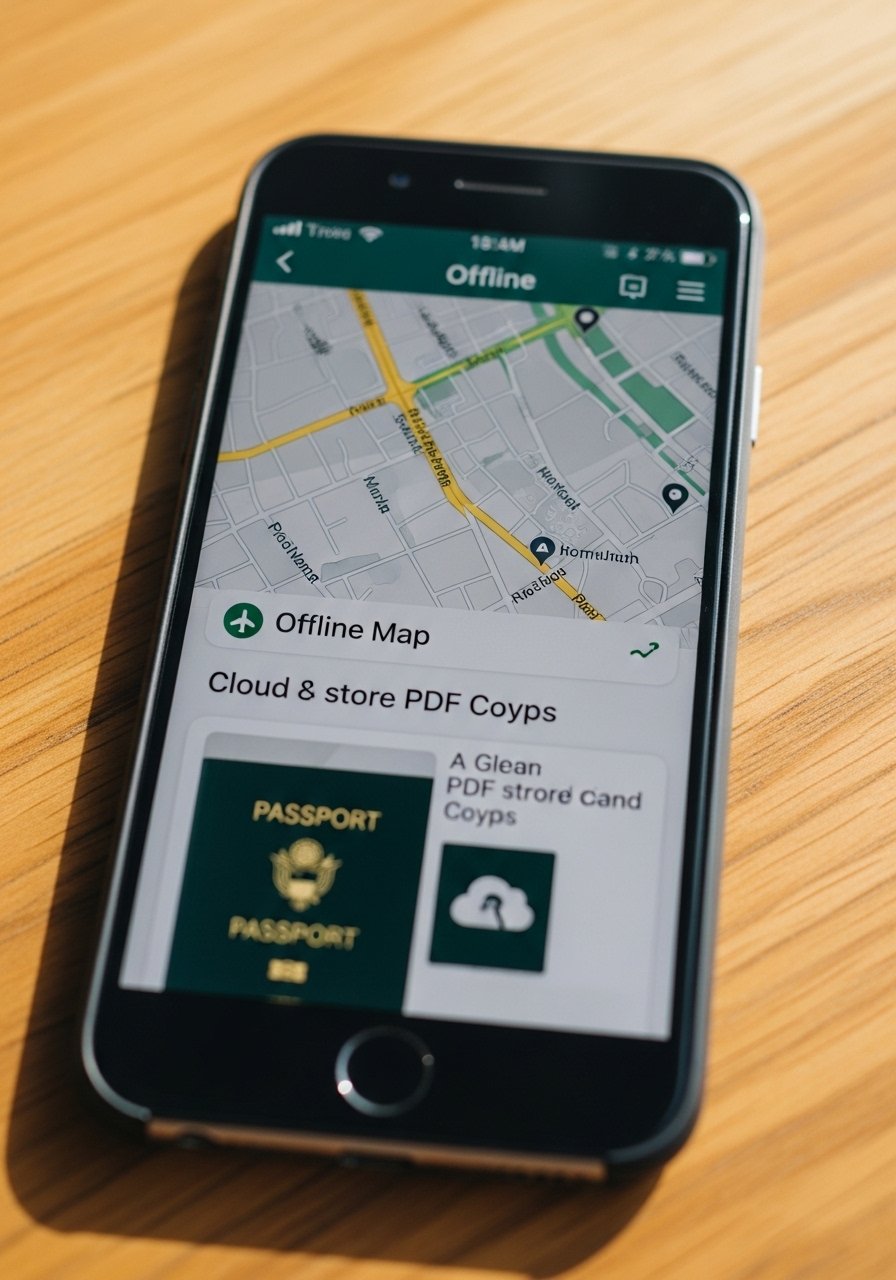
    1. Digital Copies of Important Documents and Offline Maps

    I store PDFs of passports, insurance, and reservations in a secure cloud and keep offline copies on my device. Offline maps saved to my phone have saved me in low-signal areas.

    I once relied purely on spotty hotel Wi‑Fi and learned the hard way. Always download maps for the area you’ll be in before you head out.

    Why It Makes the List

    • Prevents being stranded without directions.
    • Speeds up bureaucratic needs if documents are lost.
    • Simple, zero-weight safety net.

    What You’ll Want for This

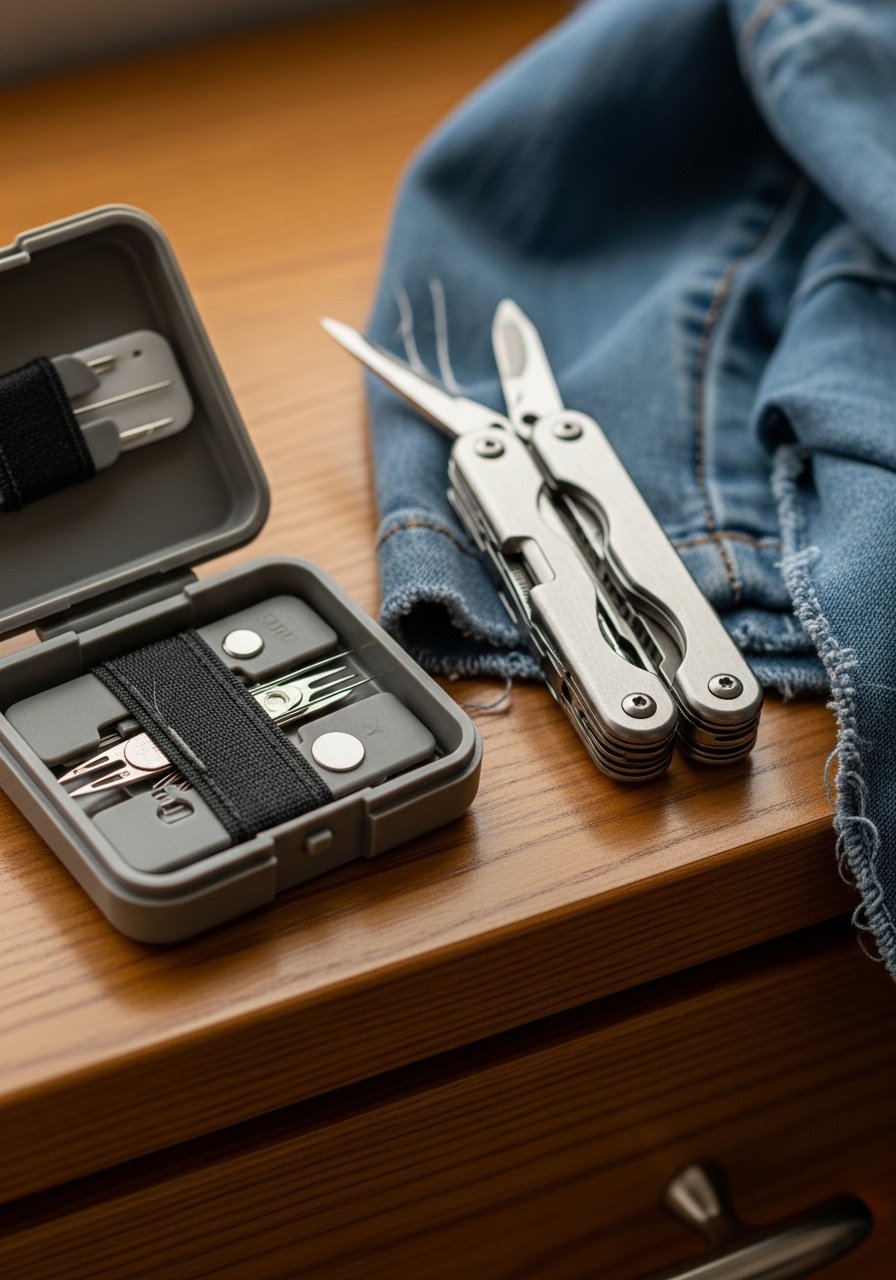
    1. Small Multi-Tool (No Blade for Airports) or Travel Sewing Kit

    I carry a tiny travel sewing kit and a non-blade multi-tool. It fixed a popped button and reattached a strap mid-trip. These repairs saved clothes and headaches.

    People either ignore small repairs or overpack backups. Small repairs keep clothes wearable and avoid emergency shopping. Keep bladed tools checked or left at home for flights.

    Why It Makes the List

    • Fixes small clothing failures instantly.
    • Prevents ruined plans from minor gear issues.
    • Very low weight and high value.

    What You’ll Want for This

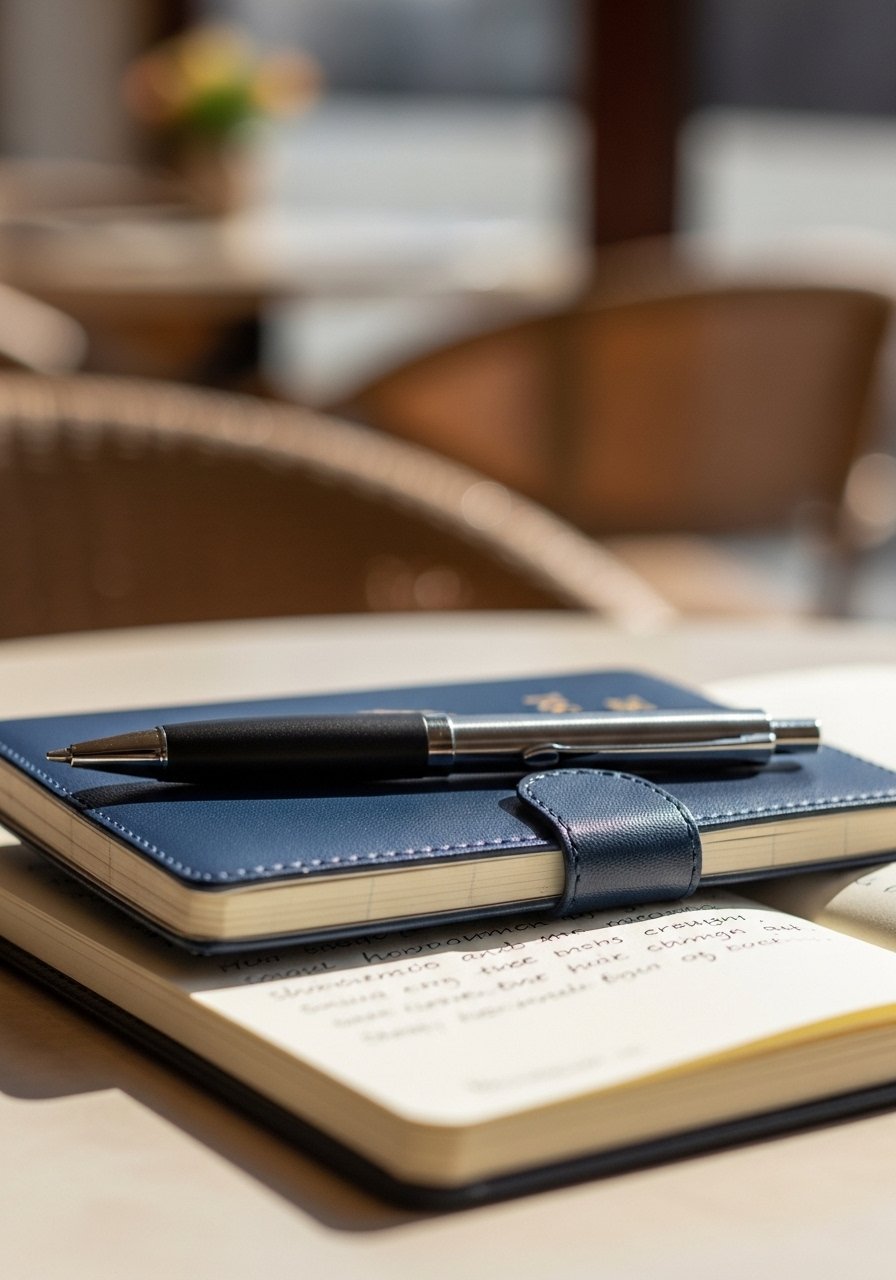
    1. A Tiny Notebook and Pen for Notes and Receipts

    I keep a small notebook and pen for quick notes: train times, host recommendations, or sketching a map. Digital notes are great, but a physical jot can be faster and more reliable when phones die.

    The oversight is underestimating the convenience of paper. I’ve had moments where writing down a street name saved a long search. Keep it tiny and easy to access.

    Why It Makes the List

    • Quick capture of information without tech.
    • Useful when battery or connectivity fails.
    • Small, lightweight, and surprisingly handy.

    What You’ll Want for This

    Final Thoughts

    Minimalist travel bag essentials aren’t about deprivation. They’re about choosing small, reliable items that reduce stress and weight. I pack these items based on trip length and activities, not impulse.

    Start with the bag, then add items you’ll actually use. You don’t need everything on day one. Travel lighter, and you’ll move faster, think clearer, and enjoy more.

  • 25 Cozy Long Flight Travel Bag Essentials For Maximum Comfort

    25 Cozy Long Flight Travel Bag Essentials For Maximum Comfort

    I always underestimate long flights until I’m halfway through one. I’ve frozen, sweat, fumbled chargers, lost a sock, and cursed a bad neck pillow more times than I care to admit. Long flight travel bag essentials are what turned those trips from endurance tests into something livable.

    This list is practical. It’s what I actually pack for red-eyes and trans-continental hops. Each item solves a tiny pain that stacks up over hours on a plane.

    Use this to tweak your bag. Don’t try to buy everything. Pick what fits your body and your flight.

    25 Cozy Long Flight Travel Bag Essentials For Maximum Comfort

    If you want a calmer, more comfortable flight, this is the kit I rely on. These 25 long flight travel bag essentials cover sleep, warmth, hygiene, entertainment, and the small comforts you notice after hour four. I focused on items that fit a carry-on bag and actually get used.

    They’re not fancy. They are the things I grab first when packing. You’ll get exactly 25 practical, tested ideas.

    1. Supportive Memory-Foam Neck Pillow That Actually Holds Your Head

    I used cheap inflatable pillows. I learned the hard way: they collapse. A proper memory-foam neck pillow changes sleep from “awkward nod” to “couple hours of actual rest.” I prefer a U-shaped pillow with a loft that supports under the chin and along the sides.

    Look for one with washable cover and medium-firm foam. Too soft and your head droops. Too stiff and your neck cramps. I also check fit around my shoulders; narrow airline seats make fit crucial.

    People often forget to check the pillow’s thickness for window vs aisle seats. Measure mentally against the seat width.

    Why It Makes the List

    • Supports short naps and prevents head-droop neck pain.
    • Washable cover keeps it usable after long trips.
    • Small size fits easily in most carry-ons.

    What You’ll Want for This

    2. Noise-Canceling Headphones That Let You Sleep Without the Engine Roar

    I used in-ear buds until my first transatlantic flight. The engine and crying babies beat them. True active noise-canceling (ANC) over-ear headphones cut cabin hum and let me actually sleep or focus on a film.

    I look for comfort and battery life. Soft ear pads and at least 15–20 hours of ANC are my minimums. Bluetooth plus a wired mode matters for old seat-back systems.

    People underestimate weight. Heavy headphones are irritating after hours. Try for lighter models with good ANC rather than expensive audiophile options.

    Why It Makes the List

    • Reduces constant engine noise and passenger chatter.
    • Makes sleep and in-flight movies far more tolerable.
    • Wired option keeps you set on older planes.

    What You’ll Want for This

    3. Contoured Eye Mask That Blocks Light and Doesn’t Smush Eyelashes

    A flat eye mask presses into my eyes and wakes me up. A contoured mask with molded cups keeps fabric off my lashes. I can sleep through the cabin lights and that aggressive in-flight reading light.

    Pick one with an adjustable strap and breathable fabric. Memory foam or molded silicone interior helps keep pressure off your eyes. I also choose masks that sit low on the nose to block corners of light.

    People forget to check for strap comfort. Elastic that digs in will ruin a nap.

    Why It Makes the List

    • Blocks light without pressing on eyes.
    • Adjustable fit for hours of comfortable wear.
    • Small, fits in a pocket or bag compartment.

    What You’ll Want for This

    4. Compression Socks That Stop Swelling and Save Your Feet

    I once landed with swollen ankles and regret. Compression socks improve circulation. After six hours, my legs feel less heavy and my shoes fit when I leave the plane.

    Look for graduated compression (15–20 mmHg for most travelers) and breathable fabric. I pack a second pair for flights over nine hours. They also work during long layovers when I’m standing in lines.

    People assume compression socks are just for medical use. They’re regular travel gear for anyone on long flights.

    Why It Makes the List

    • Reduces swelling and stiffness.
    • Lightweight and reusable.
    • Improves comfort on long-haul flights.

    What You’ll Want for This

    5. Packable Microfleece Travel Blanket for Warmth Without Bulk

    Plane cabins can swing from fridge to sauna. A compact microfleece blanket keeps me warm without taking up my bag. It’s softer than airplane blankets and dries quickly if something spills.

    I pick one that packs into its own pouch and is large enough to cover shoulders. Merino options are warmer but more expensive. Microfleece balances warmth and compressibility.

    People forget to check packed size. A bulky blanket will push out other essentials and won’t get used if you already have a hoodie.

    Why It Makes the List

    • Keeps you warm during cold flights.
    • Packs small into carry-on or personal bag.
    • Soft, washable, and quick to dry.

    What You’ll Want for This

    6. Lightweight Zip Hoodie or Warm Layer That Doubles as a Pillow

    I always bring a zip hoodie. It’s an easy layer for temperature swings and doubles as a pillow when stuffed into a packing cube. Zippers make it quick to remove during security or on changing flights.

    Look for brushed interior fabric and a slim cut that layers under coat. Lightweight merino or cotton blends work. Avoid bulky knits that take up too much space.

    People pack cardigans and regret the lack of pockets. A hoodie with secure pockets keeps my phone and passport close.

    Why It Makes the List

    • Functional warmth and a soft pillow substitute.
    • Easy on/off during security checks.
    • Packs flatter than a bulky sweater.

    What You’ll Want for This

    7. Slim, High-Capacity Power Bank So Your Devices Don’t Die

    I learned not to rely on seat power. A slim 20,000mAh power bank keeps phone, tablet, and earbuds charged across long hops. I look for USB-C PD for faster charging and multiple ports to share with a travel companion.

    Check airline rules for capacity (under 100Wh is safe). I pack cables neatly with a small elastic strap so they don’t tangle.

    People forget to fully charge the power bank before travel. Test it a night before for peace of mind.

    Why It Makes the List

    • Keeps devices functional during long flights and layovers.
    • Multiple ports let you charge more than one item.
    • Compact models fit in a side pocket.

    What You’ll Want for This

    8. Multi-Port Charger and Short Cables Packed in a Cable Organizer

    One bulky charger or tangled cables can ruin inflight charging. I bring a compact multi-port wall charger and short 6–8 inch cables for the plane. Short cables are easier on tray tables and my bag.

    I keep everything in a slim cable organizer. It prevents lost cords and keeps the charger accessible during security.

    People underestimate outlets at crowded gates. A small charger means I can plug in at the gate without hogging a spot.

    Why It Makes the List

    • Keeps devices charged at gate and in hotels.
    • Short cables reduce tangles and desk clutter.
    • Organizer saves time and prevents lost cords.

    What You’ll Want for This

    9. Lightweight, Foldable Daypack to Carry Pre-Boarding Comforts

    I don’t clutter my main carry-on during layovers. A foldable daypack holds snacks, a change of socks, my blanket, and duty-free purchases. It stashes in my bag and opens when I need extra space.

    Look for water-resistant fabric and an easy zip pocket for boarding passes. I prefer one with a padded strap for short walks through big airports.

    People skip bringing an extra bag and then carry small items in hand for hours. This saves shoulders and keeps things organized.

    Why It Makes the List

    • Extra storage for layovers and arrivals.
    • Packs small when not needed.
    • Keeps essentials handy while navigating terminals.

    What You’ll Want for This

    10. Inflatable Footrest or Foot Hammock to Reduce Leg Fatigue

    I tried sleeping with my feet on the bulkhead and it’s not great. An inflatable footrest or foot hammock keeps my legs elevated and more comfortable. It changes how my lower back and hips feel after long hours.

    Choose a model that inflates quickly and deflates into a small bag. Weight matters; I avoid heavy options. Make sure it fits your seat type—some designs work better in economy than in exit rows.

    People assume it’s bulky. The right model fits into the seatback pocket when deflated.

    Why It Makes the List

    • Reduces leg swelling and lower back strain.
    • Compact and quick to inflate.
    • Improves sleep posture in economy seats.

    What You’ll Want for This

    11. Slip-On Travel Shoes or Cushioned Flight Slippers

    I hate wrestling with laces during security or trying to jam shoes back on mid-flight. Slip-on shoes or cushioned flight slippers are easy and comfortable. I can walk through airports without socks catching.

    Pick ones with some foot arch support and a non-slip sole. Thin soles make security easier. I keep them lightweight to avoid bulk in my bag.

    People wear running shoes and regret the weight. A light slip-on gives enough support without the bulk.

    Why It Makes the List

    • Easy for security and in-flight comfort.
    • Lightweight and packable.
    • Offers more support than flip-flops.

    What You’ll Want for This

    12. TSA-Friendly Toiletry Kit With Refillable Bottles and Wipes

    I once spilled a full lotion bottle in my bag. A clear, TSA-friendly toiletry kit with leakproof, refillable bottles solves that. I keep cleanser, moisturizer, and a small sunscreen ready for arrival.

    I add a travel toothbrush, toothpaste tablets, and facial wipes. They keep me refreshed after a long flight and before meeting someone or checking into a hotel.

    People underestimate the importance of leakproof seals and toiletry bag structure. A rigid pouch prevents bottles from crushing.

    Why It Makes the List

    • Keeps hygiene essentials organized and airport-compliant.
    • Prevents messy leaks in your bag.
    • Makes freshening up on arrival quick.

    What You’ll Want for This

    13. Hydration Strategy: Collapsible Water Bottle and Electrolyte Packets

    Cabin air dries me out fast. I bring a collapsible water bottle and electrolyte packets. I refill after security and sip during the flight. Electrolytes help when I’ve had coffee or missed meals.

    A wide-mouth collapsible bottle is easy to wash and fits in side pockets. I choose BPA-free and durable fabric. Electrolyte packets take up almost no space but make a big difference.
    People forget to hydrate early. Drinking before you’re thirsty reduces headaches and jet lag.

    Why It Makes the List

    • Keeps hydration steady on long flights.
    • Collapsible design saves space when empty.
    • Electrolytes replace salts lost to cabin dryness.

    What You’ll Want for This

    14. A Small First-Aid & Meds Kit With Pain Relievers and Stomach Remedies

    I always carry a tiny first-aid kit. Headaches, upset stomachs, and small cuts happen. Pain relievers, antacids, adhesive bandages, and motion-sickness patches cover the usual problems.

    I use a small zip pouch and double-check expiration dates before every trip. Keep prescription meds in labeled containers and a copy of the script if you travel internationally.

    People assume airlines have what you need. They don’t. A personal kit saves waiting at a strange pharmacy.

    Why It Makes the List

    • Solves small medical issues instantly.
    • Compact and airline-friendly.
    • Keeps prescriptions handy and organized.

    What You’ll Want for This

    15. Hydrating Face Mist and Moisturizer to Fight Cabin Dryness

    My skin dries out fast at 35,000 feet. A hydrating face mist and a small moisturizer keep my skin from feeling tight and flaky. They’re quick refreshers and don’t take much room.

    I pick travel sizes that meet TSA rules. Look for products with hyaluronic acid or glycerin for immediate moisture. A thicker balm for lips and hands is also essential.

    People skip moisturizer before landing and regret it. A simple face mist keeps you presentable when stepping off the plane.

    Why It Makes the List

    • Prevents skin tightness and chapping.
    • Compact and airport-compliant.
    • Quick refresh between naps and meals.

    What You’ll Want for This

    16. Lip Balm and Hand Cream — Tiny But Highly Effective

    My lips and hands betray me on long flights. A good lip balm and a small hand cream prevent cracking and the odd embarrassing handshake with dry hands.

    I carry balm with SPF for daytime flights and a thicker overnight balm for long hauls. A compact, fast-absorbing hand cream keeps my hands soft without leaving residue.

    People think these are trivial until they land with painful chapped lips. Pack them in an easy-access pocket.

    Why It Makes the List

    • Quick fix for dryness and chapping.
    • Small, cheap, and effective.
    • Makes arrival more comfortable.

    What You’ll Want for This

    17. Noise-Blocking Foam Earplugs for When Headphones Are Too Much

    Sometimes I want quiet without headphones. Foam earplugs cut noise and are tiny enough to stash everywhere. They’re cheap and great for sleeping or when I need to rest my ears.

    Use fresh pairs for each long flight. Carry a small case so they don’t get dirty. Combine with an eye mask for a surprisingly effective sleep kit.

    People reuse old plugs and get poor seal and comfort. Replace regularly for best effect.

    Why It Makes the List

    • Extremely compact and effective at reducing noise.
    • Inexpensive and replaceable.
    • Works great in combination with an eye mask.

    What You’ll Want for This

    18. A Lightweight Tablet or E-Reader Loaded With Offline Content

    My laptop is heavy. A tablet or e-reader with downloaded books, podcasts, and movies handles in-flight boredom without bulk. I preload shows and books before I leave the Wi-Fi zone.

    Choose an e-reader for long reading sessions (battery lasts longer) and a tablet for movies. Bring a slim case and a charging plan with your power bank.

    People expect inflight Wi-Fi to be reliable. It often isn’t. Offline content is non-negotiable for long flights.

    Why It Makes the List

    • Keeps you entertained without relying on Wi-Fi.
    • Lightweight and easy to store.
    • Saves phone battery for after landing.

    What You’ll Want for This

    19. Travel-Sized Toothbrush and Toothpaste Tablets for a Quick Refresh

    I brush my teeth mid-flight before landing. Toothpaste tablets and a compact toothbrush slip into my bag and keep me feeling fresh. I avoid the stale-mouth feeling and step off the plane ready to go.

    Toothpaste tablets avoid messy tubes and are TSA-friendly. Combine with floss picks and mints for a quick hygiene kit.

    People skip this and then feel gross at baggage claim. It’s a two-minute fix that changes your whole mood.

    Why It Makes the List

    • Fast refresh before arrival.
    • Compact and TSA-compliant.
    • Prevents bad breath and discomfort.

    What You’ll Want for This

    20. Snacks That Don’t Crumble: Protein Bars, Nuts, and Dried Fruit

    Airline food schedules and limited options mean I pack snacks. Protein bars, roasted nuts, and dried fruit keep me from getting hangry. They also save money and avoid dependence on limited meal service.
    Choose non-messy items that won’t trigger strong smells for fellow passengers. Individually wrapped portions make sharing or stashing easier.

    People overpack perishable snacks and regret the mess. Shelf-stable options are reliable and tidy.

    Why It Makes the List

    • Prevents hunger and low blood sugar.
    • Compact, non-messy, and travel-friendly.
    • Helps during long delays and layovers.

    What You’ll Want for This

    21. Sleep Aid Options: Natural Melatonin or Mild OTC Sleep Tablets

    I don’t take strong sleep meds on a plane, but melatonin or a mild OTC option helps reset my clock and get rest. I use it selectively on overnight flights to avoid grogginess after landing.

    Start with a low dose and test it at home before traveling. Combine with your neck pillow, eye mask, and headphones for better results.

    People take random doses without testing and wake up groggy. Trial at home first.

    Why It Makes the List

    • Helps achieve quality sleep on long flights.
    • Small, predictable effects when used responsibly.
    • Useful for adjusting time zones.

    What You’ll Want for This

    22. Passport Wallet or Document Organizer That Fits in Your Lap

    I stop rifling through my bag when I keep documents in a slim passport wallet. Boarding pass, passport, phone, and a pen fit in one place. It’s faster at immigration and less stressful.
    Pick a slim, RFID-blocking design with a clear slot for boarding passes. I keep emergency cash in a hidden pocket.

    People put everything loose in pockets and lose track. One small organizer keeps me calm during fast connections.

    Why It Makes the List

    • Keeps travel documents organized and accessible.
    • Slim enough to sit in your lap or small bag.
    • Speeds up security, boarding, and immigration.

    What You’ll Want for This

    23. Small Travel Towel or Quick-Dry Microfiber Cloth

    I’ve landed sweaty after a long flight and wished for a quick towel. A small microfiber towel dries fast and cleans spills. It’s also handy for unexpected overnight hostels or beach stops on arrival.

    Choose a towel with a hanging loop and travel pouch. It folds tiny and can be used as a quick eye pillow or to pad gear.

    People forget about simple comfort tools like this. It’s low-cost and extremely versatile.

    Why It Makes the List

    • Multi-use for spills, freshening up, or comfort.
    • Packs tiny and dries quickly.
    • Useful beyond just the flight.

    What You’ll Want for This

    24. A Small Foldable Pillow for Lumbar Support or Lower Back Relief

    My lower back tightens after hours of sitting. A small foldable lumbar pillow gives support and prevents slouching. It’s easier than constant adjusting and makes naps more comfortable.

    I look for an inflatable or compressible option that fits in my bag. Be mindful of seat belts and space—bulkier models can be awkward.

    People skip lumbar support and blame seat design. A compact pillow fixes posture instantly.

    Why It Makes the List

    • Prevents lower back pain during long flights.
    • Small and adjustable for personal comfort.
    • Boosts overall seating posture.

    What You’ll Want for This

    25. A Small, Lightweight Laundry Bag for Dirty Clothes and Socks

    I pack a small laundry bag to separate worn clothes from clean items. It keeps my bag smelling better and makes repacking after a long flight simpler. I use it for socks, dirty underwear, and used face masks.

    Choose a thin, breathable fabric that compresses well. Some come with an inner wet pocket for damp items. It’s a tiny habit that prevents a big mess.

    People cram worn clothes back into their clean compartments and then regret it. A simple bag avoids that.

    Why It Makes the List

    • Keeps dirty items separate and organized.
    • Lightweight and compressible.
    • Makes unpacking quicker after long flights.

    What You’ll Want for This

    Final Thoughts

    These long flight travel bag essentials are what I actually use when I have to be functional after the plane lands. I don’t pack everything every time—just the few that match the route and my body.

    Pick three to five items to start. Test them at home. Small comforts add up into a much better flight.

    You don’t need a full overhaul. Just the right little things in your bag will make long flights tolerable, even manageable.

  • How to Pack Travel Bag Efficiently For Maximum Space And Organization

    How to Pack Travel Bag Efficiently For Maximum Space And Organization

    I once missed a morning train because my bag was a rummage pile. I’d been proud of packing “everything useful” until I couldn’t find my tickets. I learned the hard way that neatness isn’t vanity—it’s saving time and stress.

    This guide shows the practical choices I make to carry less and move faster. Simple, usable habits you can actually keep on a trip.

    How to Pack Travel Bag Efficiently For Maximum Space And Organization

    This is the exact approach I use when I want a bag that opens quickly and stays easy to live with. You’ll learn how to pick what really matters, squeeze more usable space out of what you bring, and keep essentials reachable. The result is a bag that feels calm, not chaotic.

    What You’ll Need

    Step 1: Decide the Version of This Trip You Can Actually Carry

    I start by choosing the realistic bag for the trip: a carry-on only weekend, a 40L backpack for trains, or a checked suitcase for long stays. I do this because the bag size determines what I can pack without stress.

    This changes everything practically. Once I commit, I stop treating every “maybe” item as essential. Insight people miss: trips feel lighter when you accept limits. Mistake to avoid: overpacking for “what if” scenarios instead of planning a laundromat or one extra outfit.

    Step 2: Lay Everything Out and Edit Like a Friend

    I put every item on the bed and edit ruthlessly. I group by function—daywear, sleepwear, evening—and I remove anything that doesn’t have a clear use. I ask myself if I’d still bring it if I had to carry it for three hours.

    Emotionally, it’s freeing. You stop defending each piece and start seeing real gaps or repeats. Insight: similar colors and layers multiply outfit options without more clothes. Mistake: keeping “just in case” shoes—they’re heavy and rarely used.

    Step 3: Pack Cubes by Outfit and Weight, Not Just Item Type

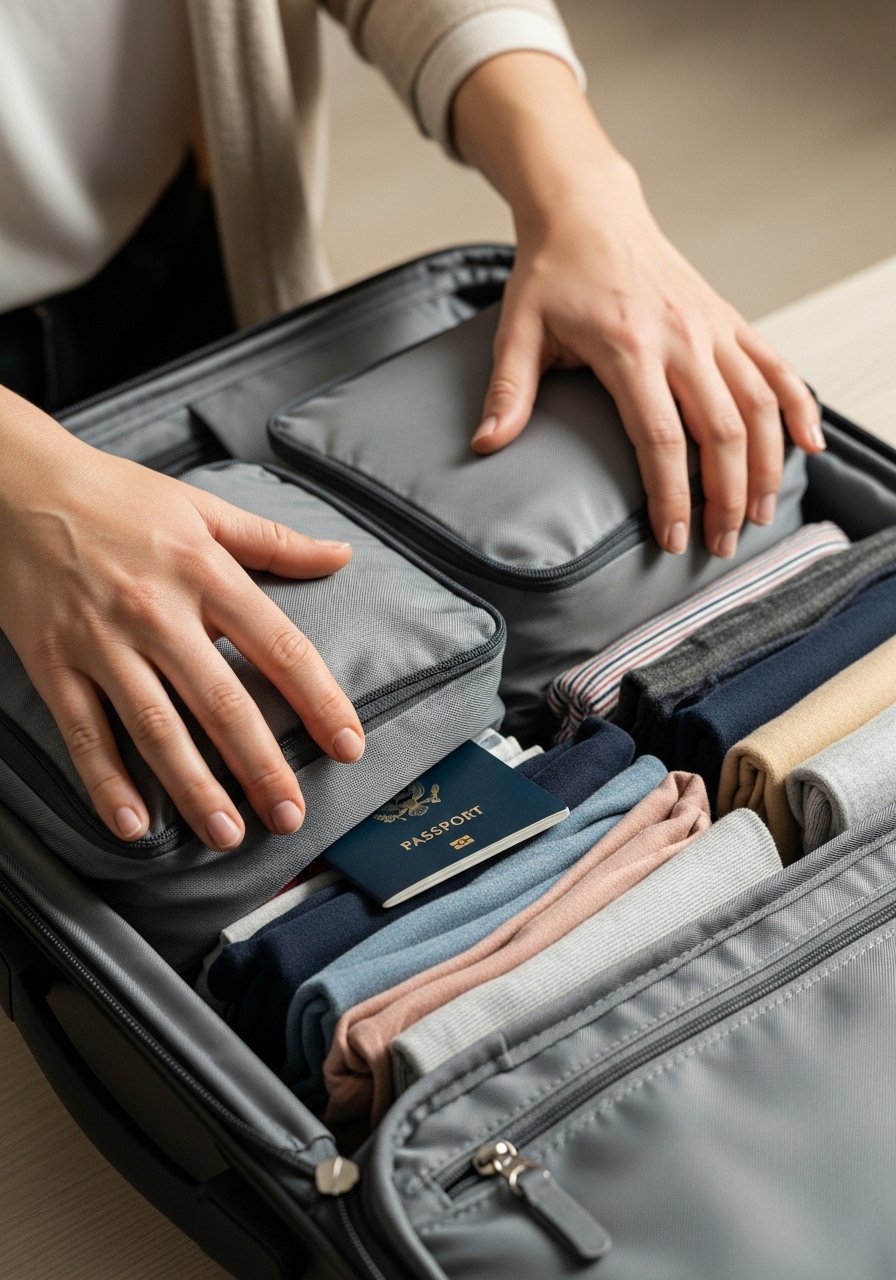
    I assign cubes to outcomes: one for two full day outfits, one for sleepwear + extra layer, one for underwear/socks, and one for bulky items. I balance weight so the bag isn’t lopsided and can sit flat in compartments.

    Practically, it means I can pull a cube and be ready without unpacking the whole bag. Travelers miss how much faster mornings get when outfits are pre-grouped. Mistake to avoid: stuffing too many different needs into one cube—then it’s back to rummaging.

    Step 4: Roll Soft Items, Fold Structured Pieces, and Use Flat Layers

    I roll T-shirts, leggings, and casual shorts. I fold denim, button shirts, and anything with structure. I put flat layers like pants over cubes to create a tidy base and use small rolled items to fill gaps.

    This saves space and limits wrinkles. Insight: rolling soft items also makes them easier to compress later. Mistake: rolling thick sweaters too tight—they lose shape and become bulky; instead I fold and nest around electronics or shoes.

    Step 5: Compress Bulky Items Smartly (But Not Everything)

    I use compression bags for one or two true space-eaters: a puffy jacket and perhaps a travel blanket. I don’t compress everything—overcompressing every item makes it hard to access and can wrinkle clothing unnecessarily.

    What changes is visible: a jacket that used to take a third of the bag becomes a thin slab. Insight: compression is best for non-fragile, non-structured items. Mistake: putting delicate items or electronics in the same compression space or sealing away things you’ll need mid-trip.

    Step 6: Put Essentials Where You’ll Need Them During Travel

    I reserve one external pocket or the daypack for the things I’ll need fast: passport, tickets, phone charger, a small toiletry kit, and meds. In my carry-on I keep a set of fresh socks and a toothbrush easily reachable.

    This reduces panic at checkpoints and saves time on long travel days. Insight many miss: when essentials are reachable, you actually use them. Mistake to avoid: burying meds or documents deep in checked luggage when you might need them en route.

    What People Pack That They Never Use

    Most of us pack extras that stay untouched. Common culprits:

    • Duplicate shoes for “different vibes”
    • Full-size toiletries for short trips
    • Event outfits for plans that change

    I keep a simple rule: if I haven’t worn it in the last six months, it stays home. I also reuse small travel containers for skincare and downsize to 50–100 ml bottles.

    How to Keep Your Bag Easy to Manage During the Trip

    Rotate a fresh cube into your daypack each morning. Empty the toiletry kit into the shower caddy at the hotel to avoid splashes. Use the mesh laundry bag to separate worn items immediately.

    Bullets that help day-to-day:

    • Repack one cube the night before.
    • Keep receipts in a small envelope, not loose in pockets.
    • Use a small zip for chargers so the main cube stays dry.

    What Matters More Than Packing More

    Fit and comfort of the bag beat having ten extra T‑shirts. If your bag is heavy and hard to carry, you’ll avoid places that matter. Choose a carry system you can actually lift, sling, and store overhead.

    Also consider local options: laundromats, cheap local layers, and hotel irons. Planning to refresh a few items locally often saves more hassle than packing them all.

    Final Thoughts

    Start with the bag you can happily carry for an hour. Edit hard, group by use, and make access a priority. Small routines—one cube per outfit, a reachable pocket for papers—save more time and stress than any extra gadget.

    Trust your real needs, not the fear of “what if.” A well-packed bag feels calm on the first bad morning, and that’s worth the effort.

  • How to Organize Travel Bag Essentials For Quick Access And Convenience

    How to Organize Travel Bag Essentials For Quick Access And Convenience

    I once missed a ferry because I couldn’t find my passport and charger in the chaos of my carry-on. I’ve also dug through a heavy bag at dawn for a tiny painkiller. Small, repeated searches waste time and patience.
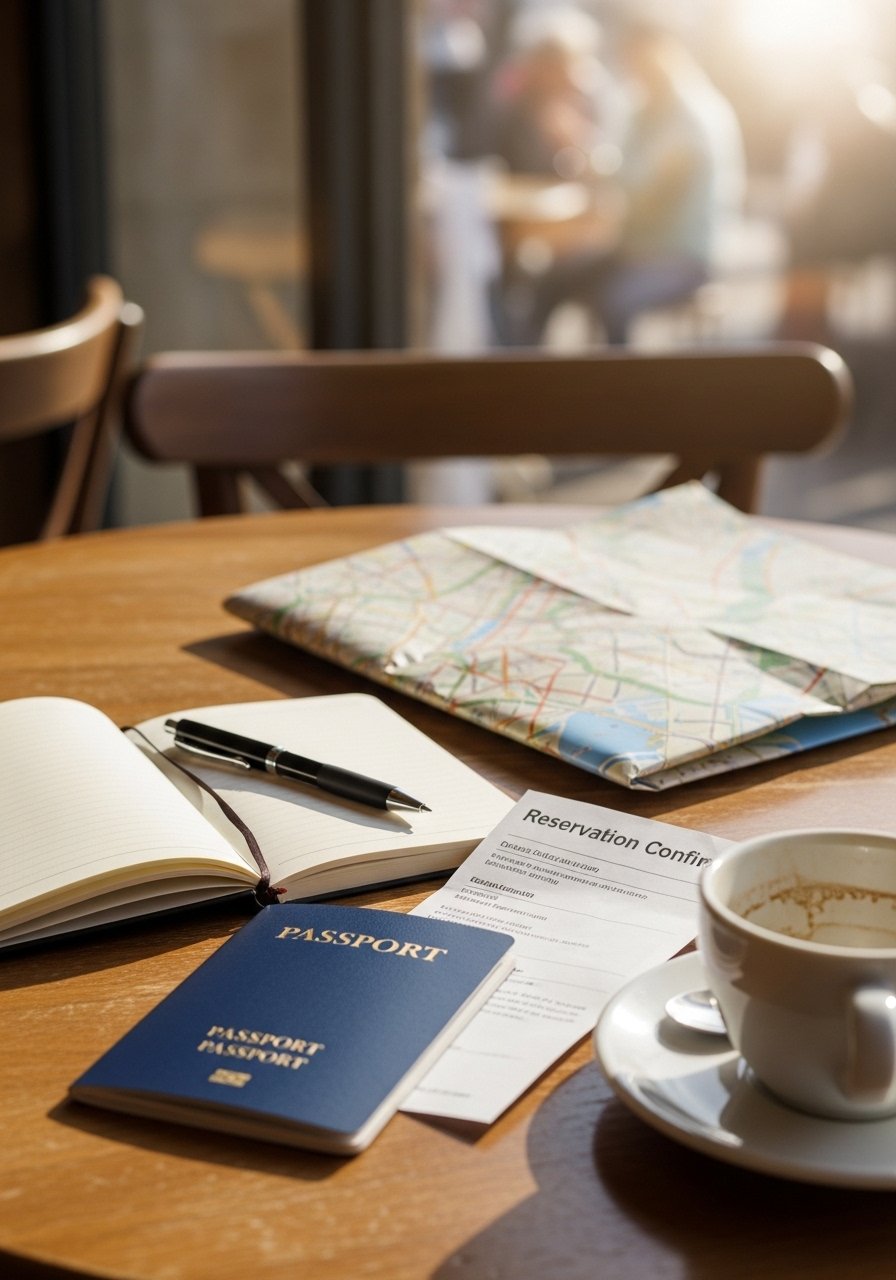
    This method keeps the things you need within reach, ends the late-night scavenger hunts, and makes movement between places calmer. It doesn’t require extra stuff—just clear zones and a simple nightly reset.

    How to Organize Travel Bag Essentials For Quick Access And Convenience

    This shows exactly how I set up my bag so the things I use most are always easy to grab. It’s practical and repeatable in real life. The result: fewer frantic moments, faster transitions, and more usable day-to-day comfort.
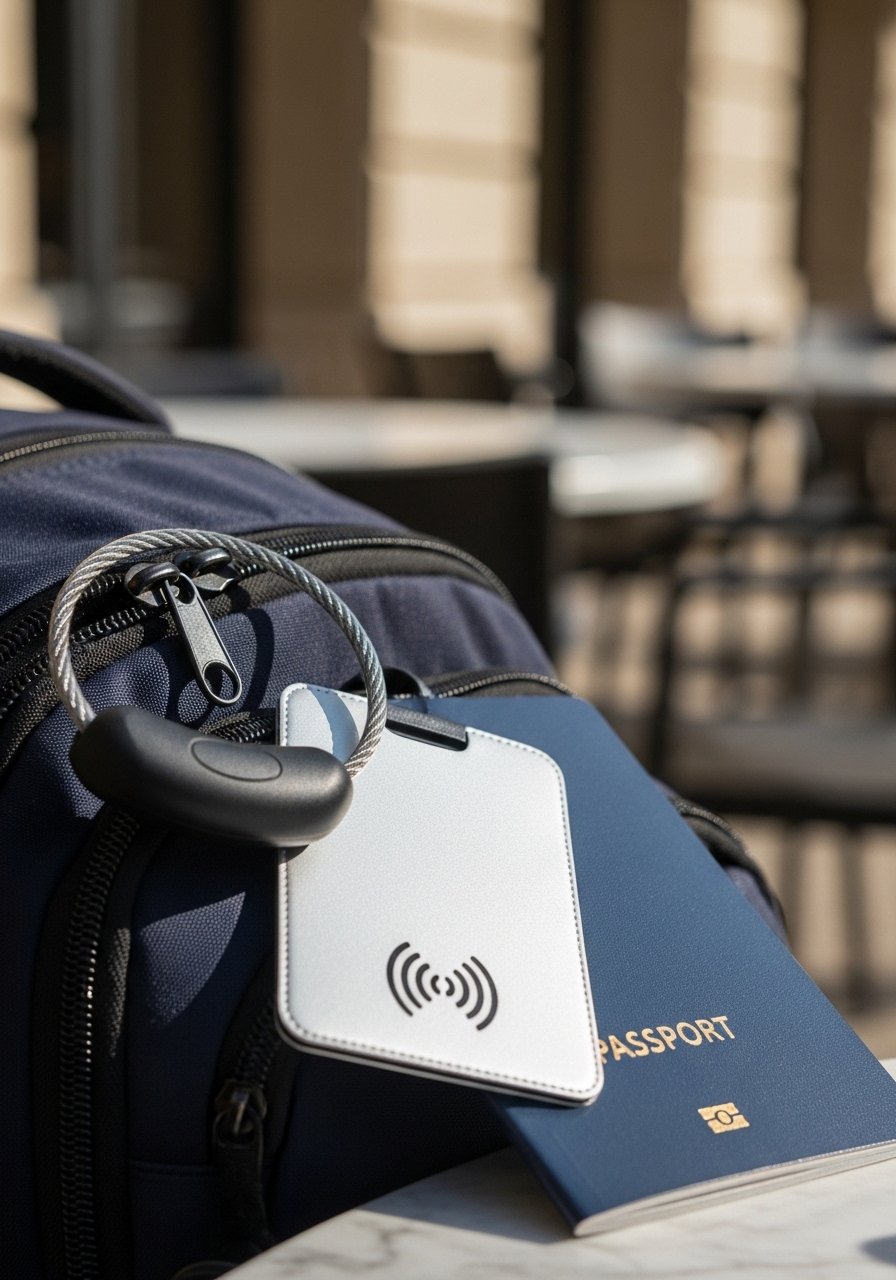
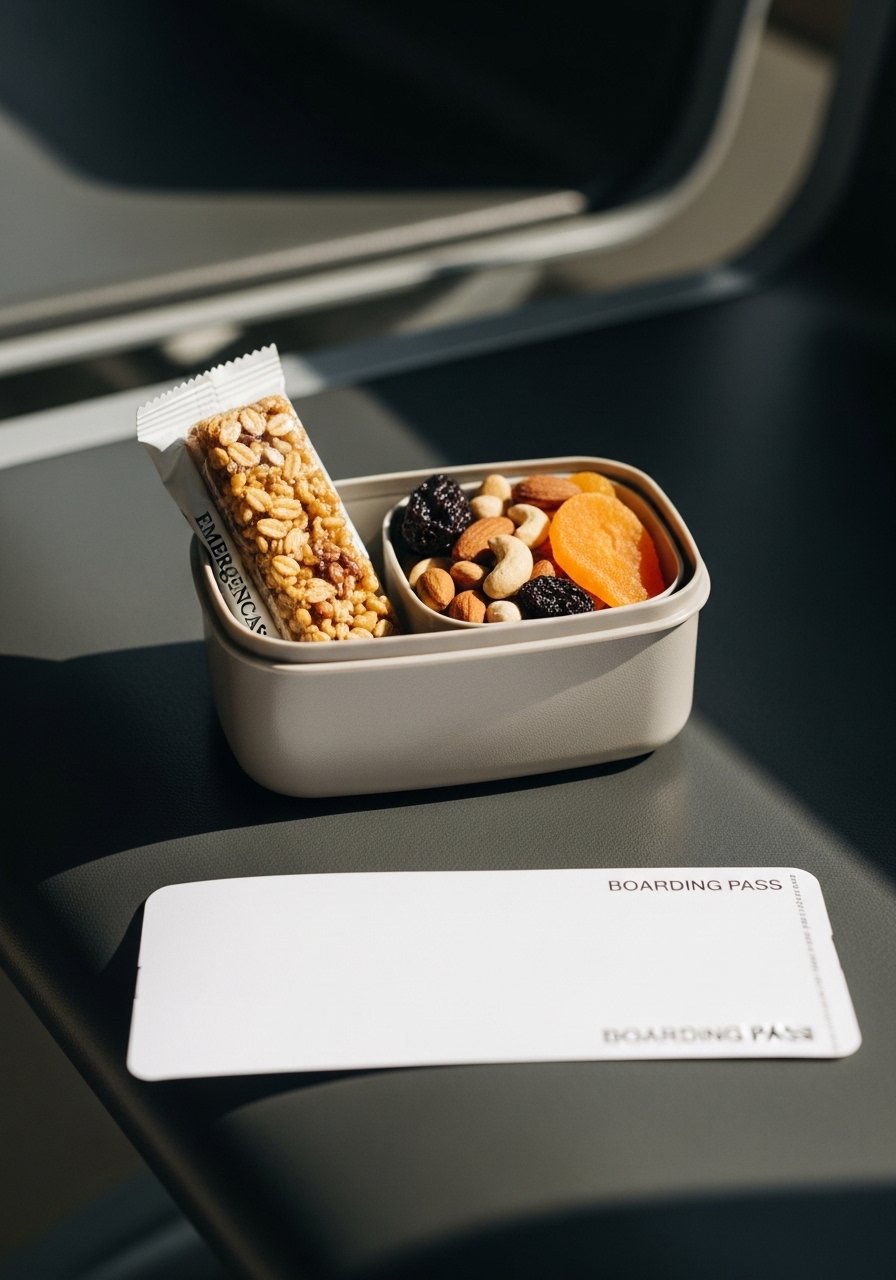
    This is the approach I use every time I want a trip to feel smoother without overplanning every second.

    What You’ll Need

    • 30L cabin-sized carry-on backpack (comfortable straps, front-loading)
    • Packing cube set (small, medium, large; lightweight nylon)
    • Clear TSA toiletry bag (zip-top, leak-proof)
    • Small tech organizer pouch (cables, power bank, earbuds)
    • RFID-blocking passport wallet (slim, fits boarding passes)
    • Packable daypack or sling (lightweight, folds into its pocket)
    • Collapsible water bottle (compact, BPA-free)
    • Passport and reservation confirmations (printed or offline screenshots)

    Step 1: Decide on three access zones — Fast, Daily, and Secure

    I start by mentally dividing my bag into three zones: Fast (outer pockets), Daily (main compartment top and a cube), and Secure (back or bottom, zipped away). I do this so I never dig blindly; my passport, phone, and wallet go in Fast. A change of clothes and toiletries live in Daily. Extra shoes or backups go in Secure.

    Insight people miss: zone names help when you’re tired or rushed. Small mistake to avoid: stuffing everything into one pocket because it feels easier at the moment.

    Step 2: Use packing cubes like drawers, not mess bags

    I treat packing cubes as changeable drawers. One cube for outfits, one for sleepwear and underwear, and one for outer layers or wet items. That way I pull only the cube I need for a night stop instead of emptying the whole bag. The practical change: faster packing and less re-folding in small hotel rooms.

    Insight people miss: packing cubes also stabilize the bag so the front pocket stays usable. Mistake to avoid: overfilling cubes until they bulge—then they stop behaving like drawers.

    Step 3: Build a “first-15-minutes” pouch for arrival essentials

    I keep a small pouch with charger, earbuds, a lightweight mask, two painkillers, and a copy of booking confirmations. That pouch lives in the Fast zone. When I arrive somewhere, I can charge, check in, and leave again without hunting.

    Insight people miss: combine small meds and hygiene wipes in the same pouch — saves a second bag. Mistake to avoid: putting the pouch in the main compartment where it becomes as hard to find as everything else.

    Step 4: Place liquids and tech where security lines and quick stops expect them

    I put liquids in a clear toiletry bag so it’s ready at security. Tech items I use often live in the front compartment or a quick-access sleeve. Practically, this shaves minutes at checkpoints and keeps me from emptying the whole bag on a table.

    Insight people miss: keep one cable that fits all your frequent devices to avoid multiple cords. Mistake to avoid: storing your power bank deep in the bottom where it’s hard to remove and charge between legs of travel.

    Step 5: Do a five-minute reset each night

    Before sleep, I do a quick check: refill water, move tomorrow’s outfit to the top cube, put passport back in the Fast zone, and tuck chargers into the tech pouch. This tiny ritual saves the morning scramble and reduces the chance of leaving things behind.

    Insight people miss: resets prevent the slow creep of clutter. Mistake to avoid: skipping the reset when exhausted—doing it takes five minutes and pays off the next day.

    What People Pack That They Never Use

    I regularly see travelers carry extra shoes, two guidebooks, and multiple chargers that never leave their pockets. They add weight and take up the pockets you need for quick access.

    • Single versatile shoe works better than two pairs.
    • One printed or one offline map is enough; travel apps handle the rest.
    • Keep just one charger cable for daily use.

    Trim before you go. If you don’t wear something on day two, you probably won’t wear it at all.

    How to Keep Your Bag Easy to Manage During the Trip

    A few small habits keep the system working: nightly reset, a one-cable rule, and a single daypack for outings. I also clean out receipts and wrappers each evening.

    • Restock snacks and check medications.
    • Empty pockets of change and tickets into a single envelope.
    • If the bag feels heavy, reassess what you actually used in the last 48 hours.

    These small moves save time and headaches when you’re tired or rushing to a next connection.

    What Matters More Than Packing More

    Placement beats quantity. A single, well-placed item is more useful than three buried ones. Also: timing—pack for how you move through the day, not for every possible eventuality.

    • Prioritize items for the first 24 hours.
    • Think about how you’ll get from transport to accommodation.
    • Pack to reduce friction at the exact moments you need speed.

    This mindset changes how you pack and how the bag behaves.

    Final Thoughts

    Start simple: pick three zones, one quick pouch, and a nightly reset. Practice on a short trip or an overnight stay. You’ll find fewer panicked digs and more calm movement between places.

    Small routines make the small things stop stealing time. You don’t need perfect packing—just predictable places for the stuff you use most.