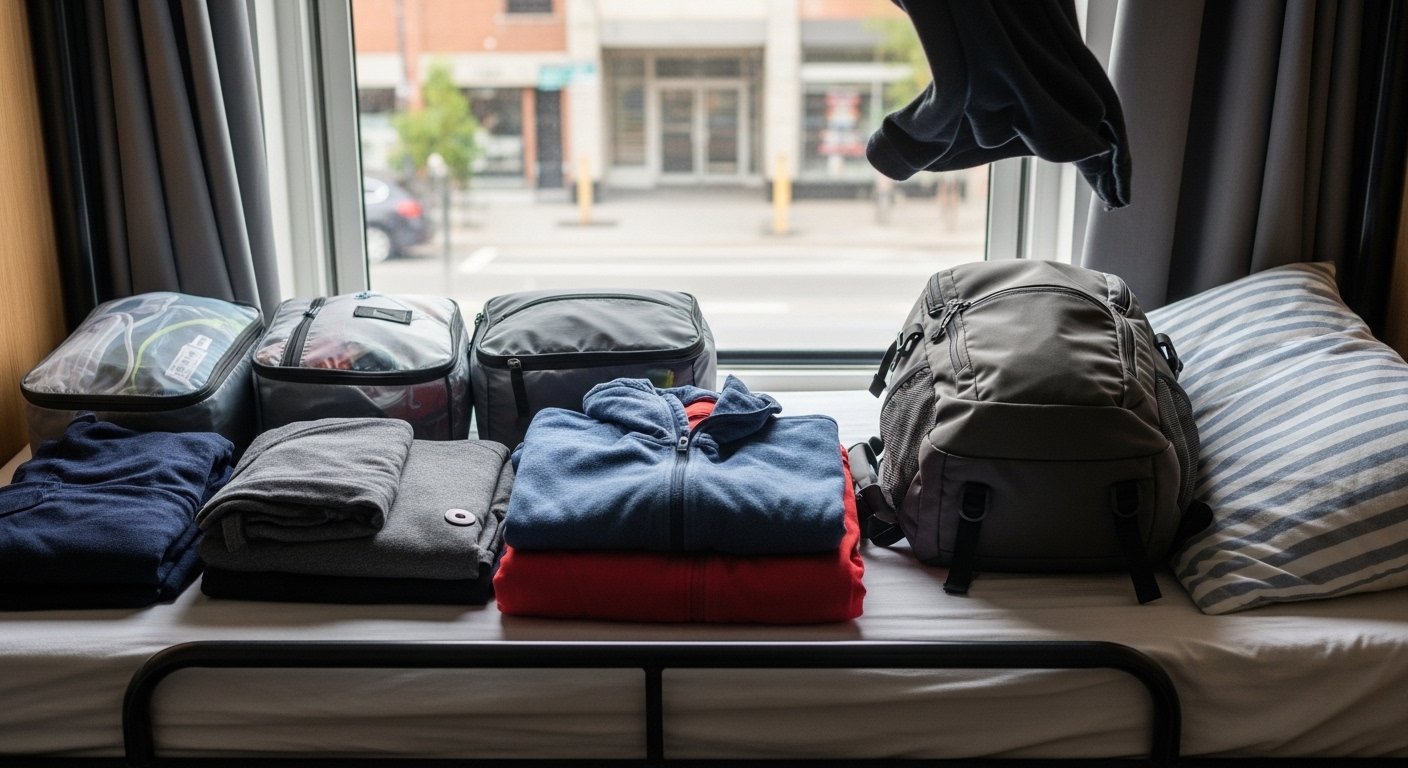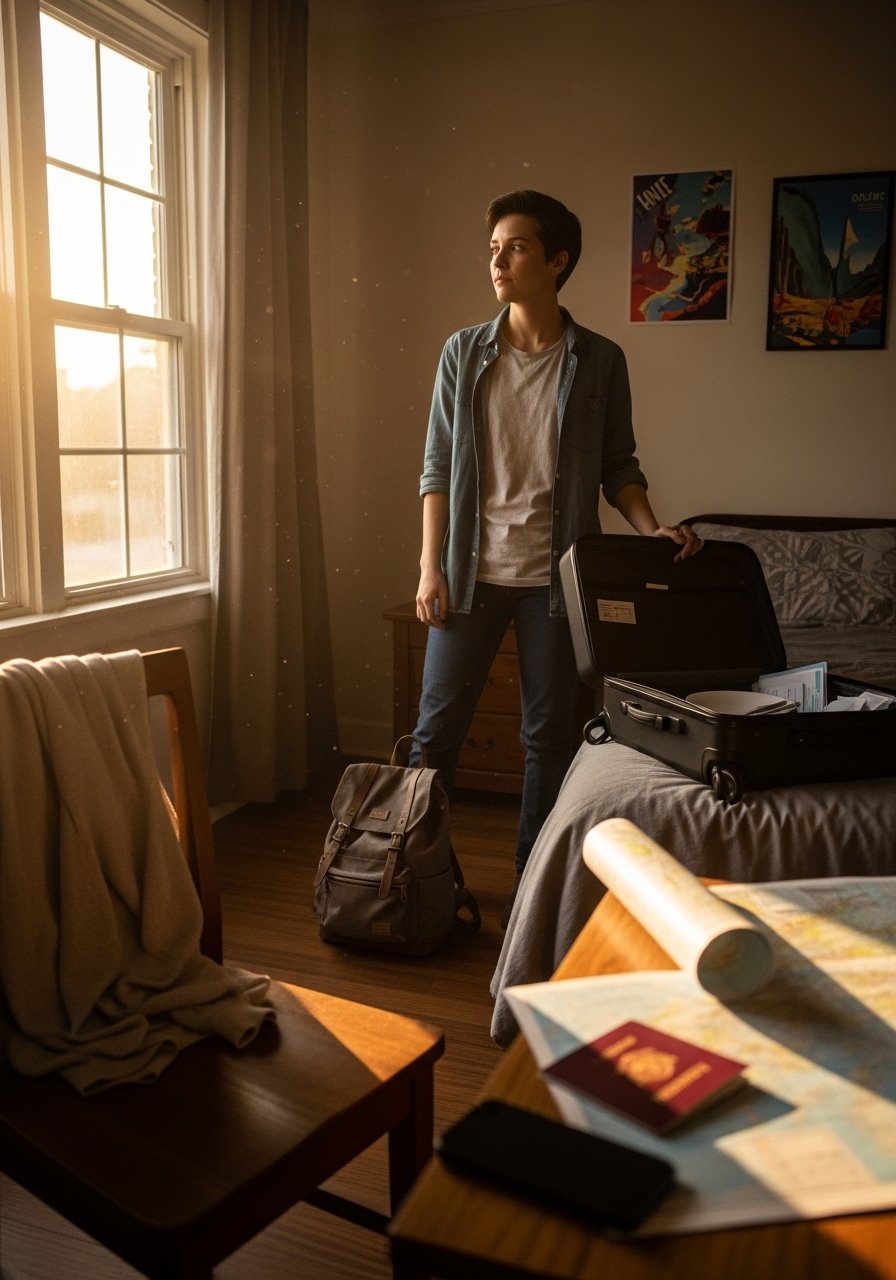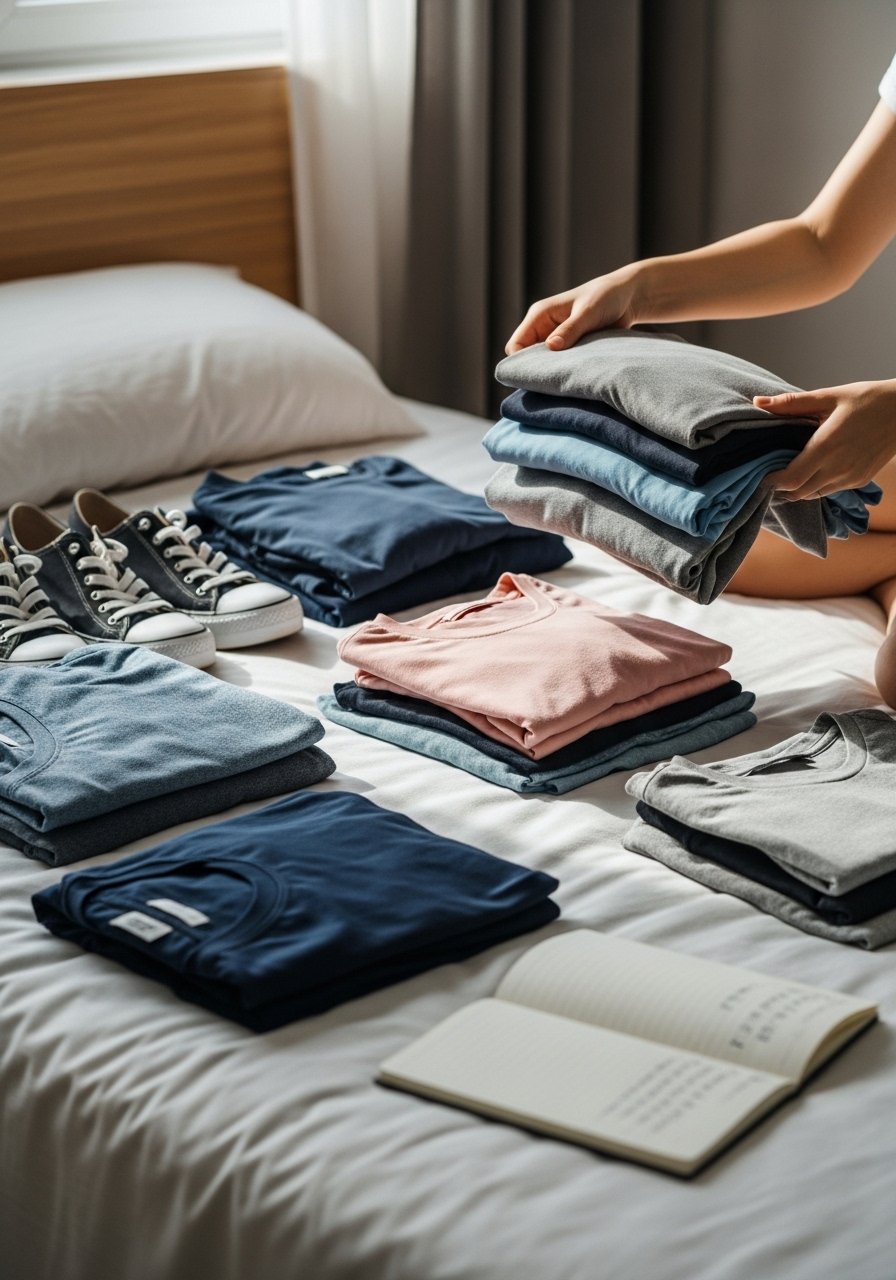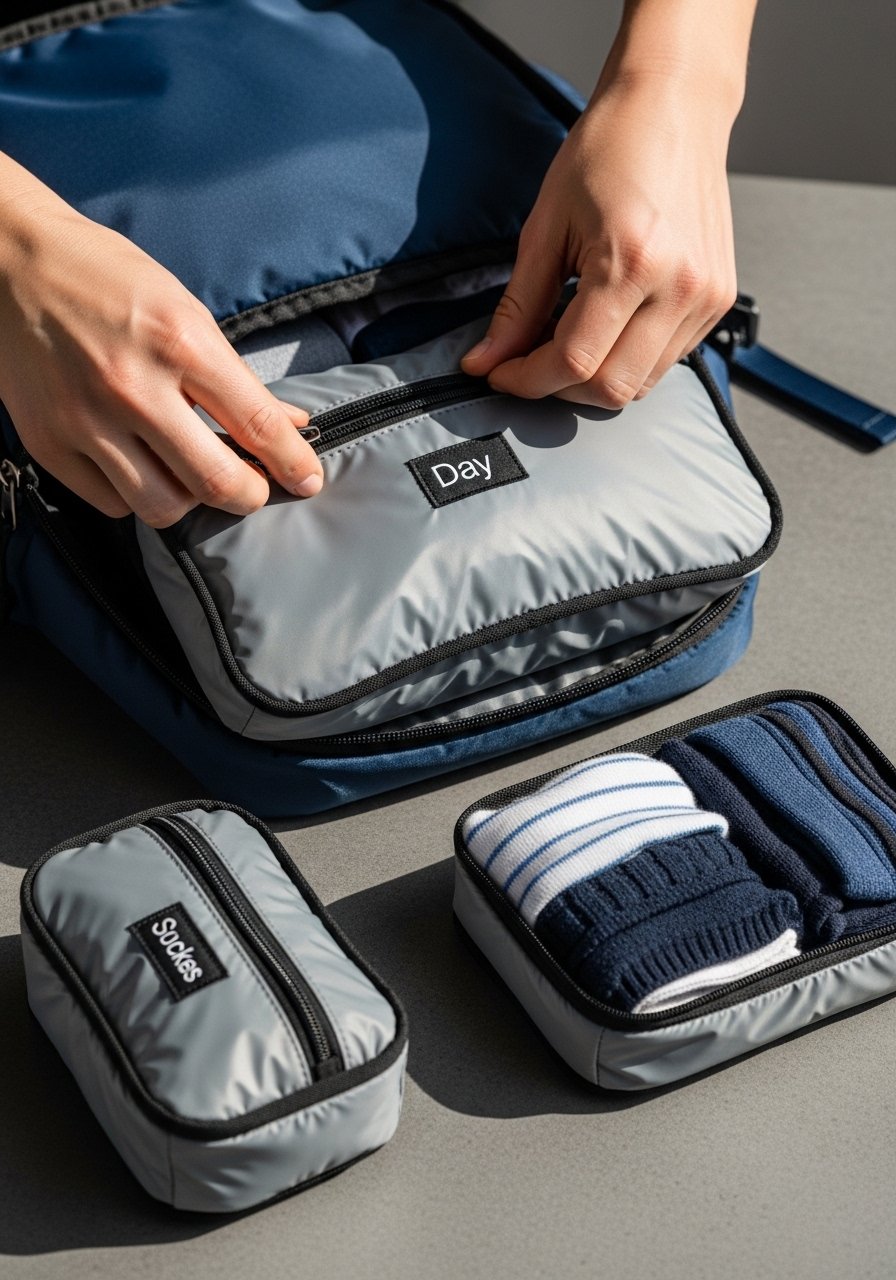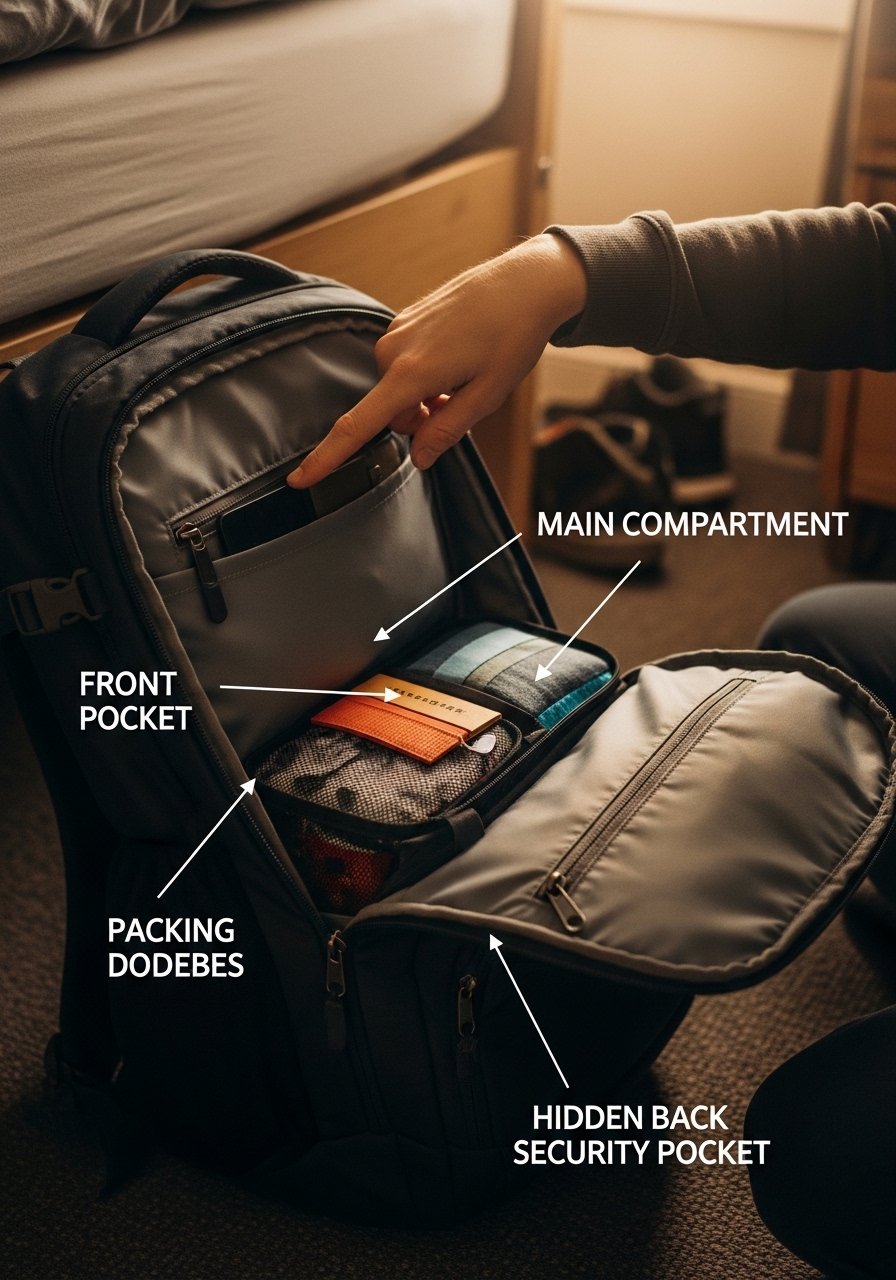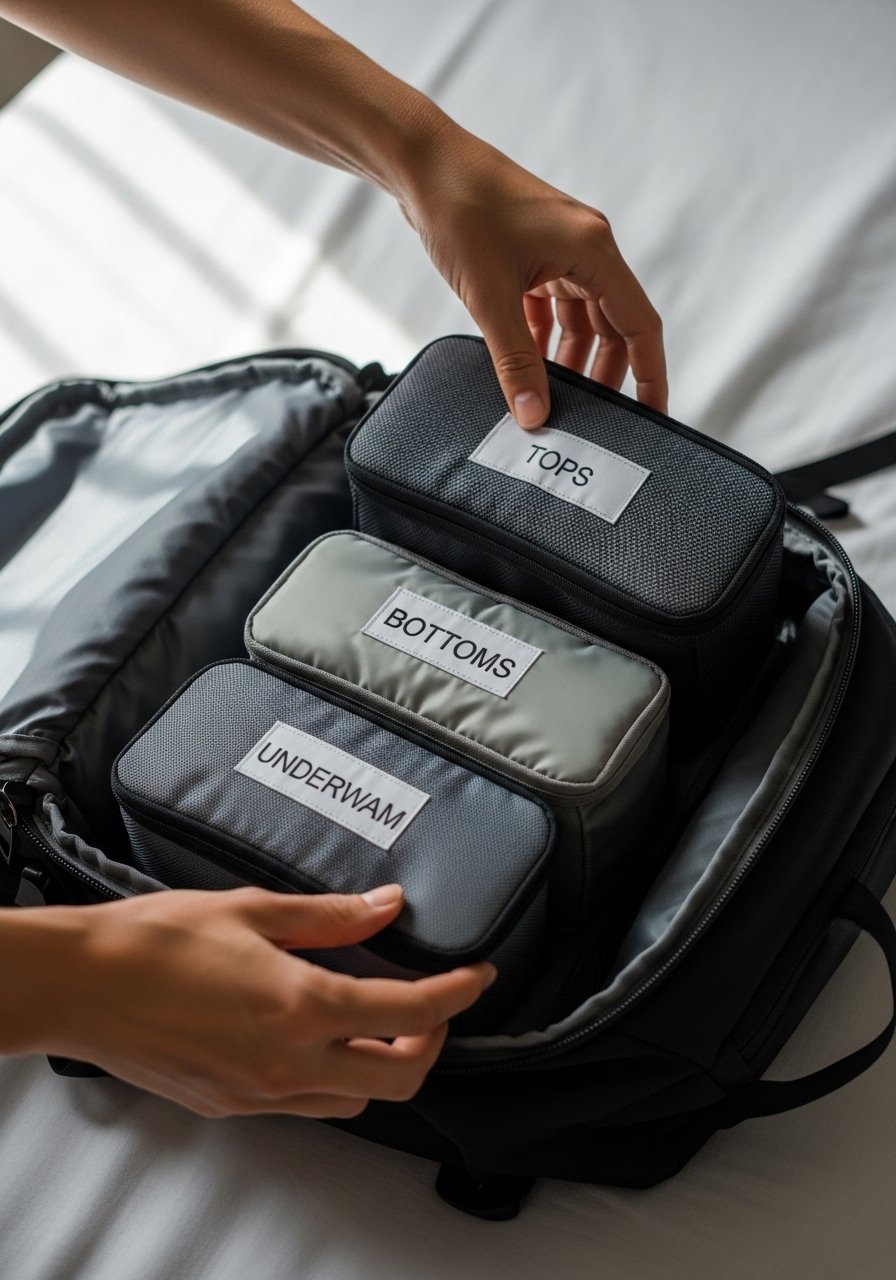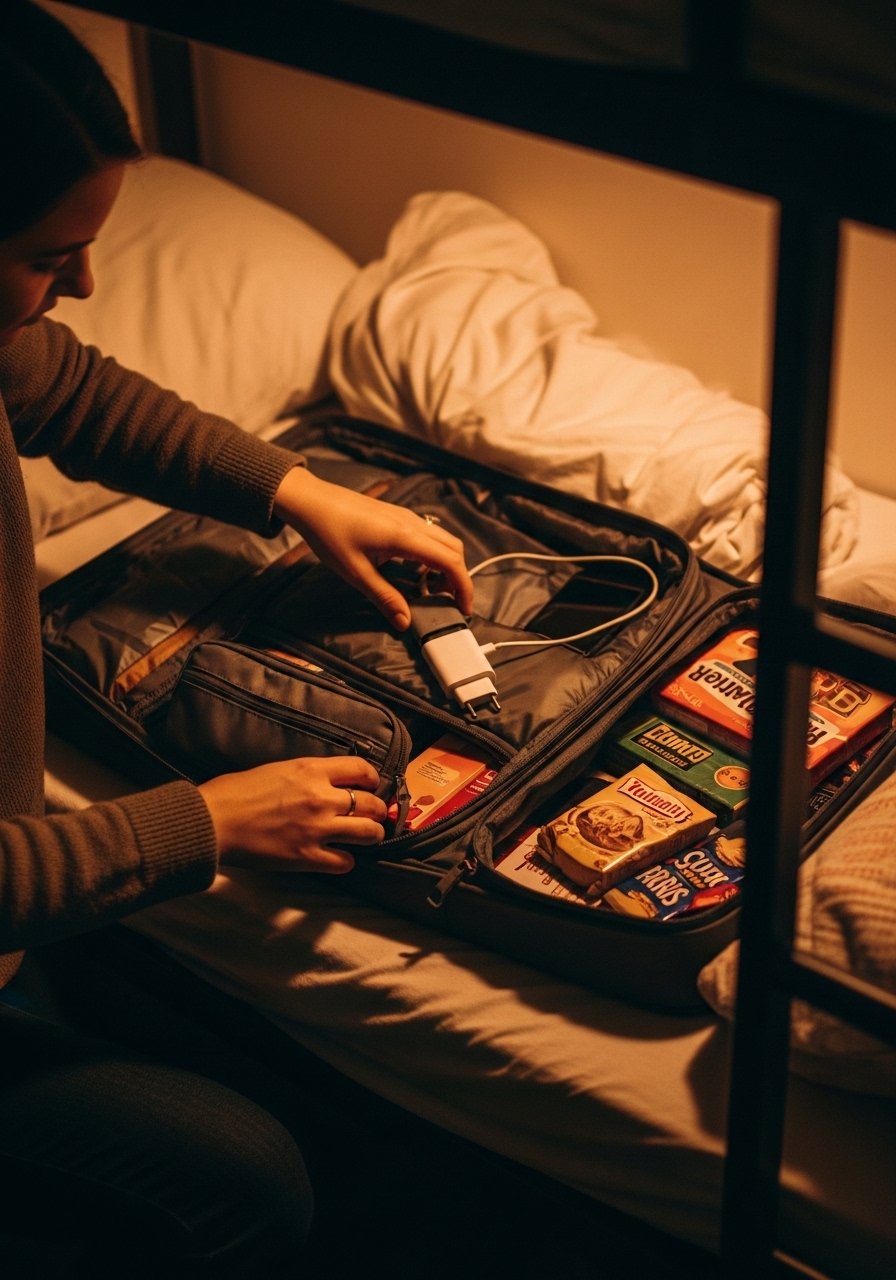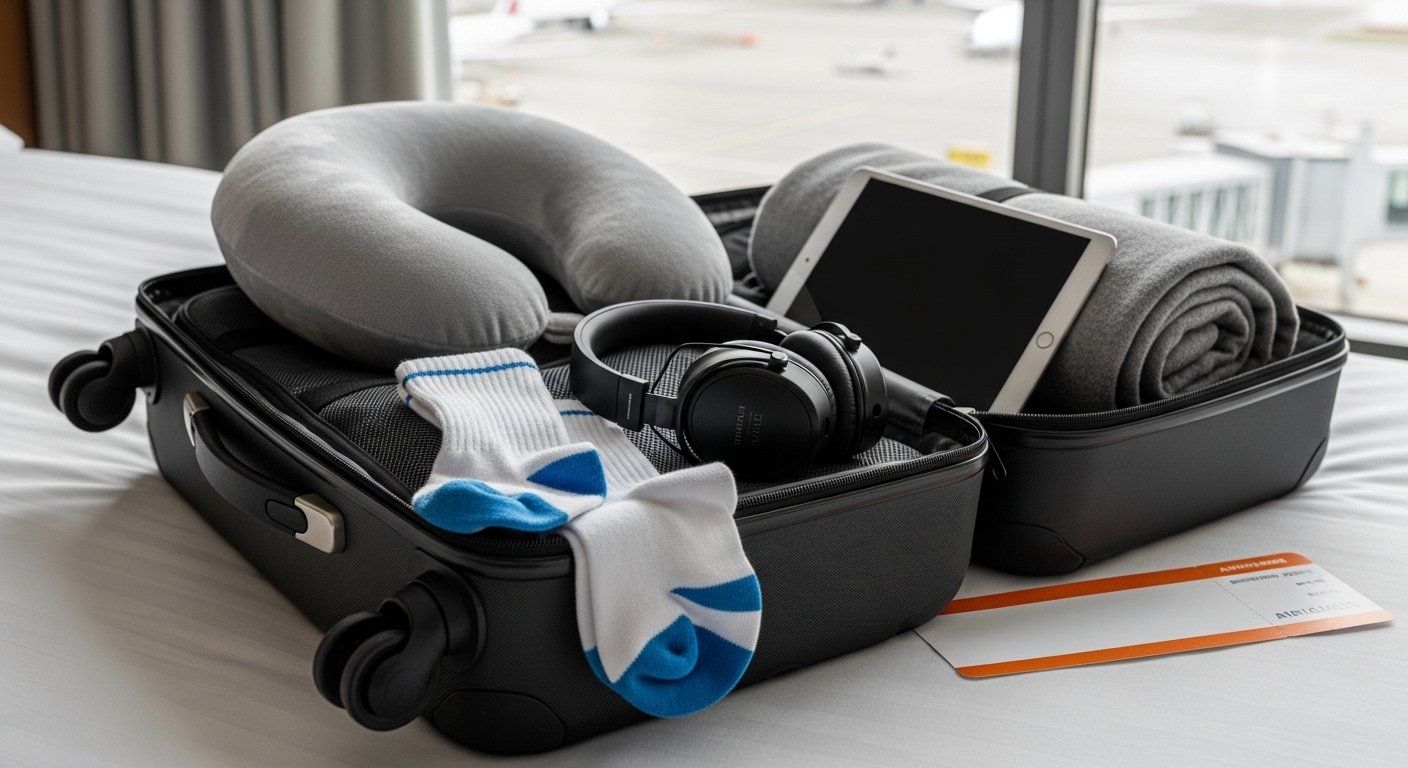
I always underestimate long flights until I’m halfway through one. I’ve frozen, sweat, fumbled chargers, lost a sock, and cursed a bad neck pillow more times than I care to admit. Long flight travel bag essentials are what turned those trips from endurance tests into something livable.
This list is practical. It’s what I actually pack for red-eyes and trans-continental hops. Each item solves a tiny pain that stacks up over hours on a plane.
Use this to tweak your bag. Don’t try to buy everything. Pick what fits your body and your flight.
25 Cozy Long Flight Travel Bag Essentials For Maximum Comfort
If you want a calmer, more comfortable flight, this is the kit I rely on. These 25 long flight travel bag essentials cover sleep, warmth, hygiene, entertainment, and the small comforts you notice after hour four. I focused on items that fit a carry-on bag and actually get used.
They’re not fancy. They are the things I grab first when packing. You’ll get exactly 25 practical, tested ideas.
1. Supportive Memory-Foam Neck Pillow That Actually Holds Your Head
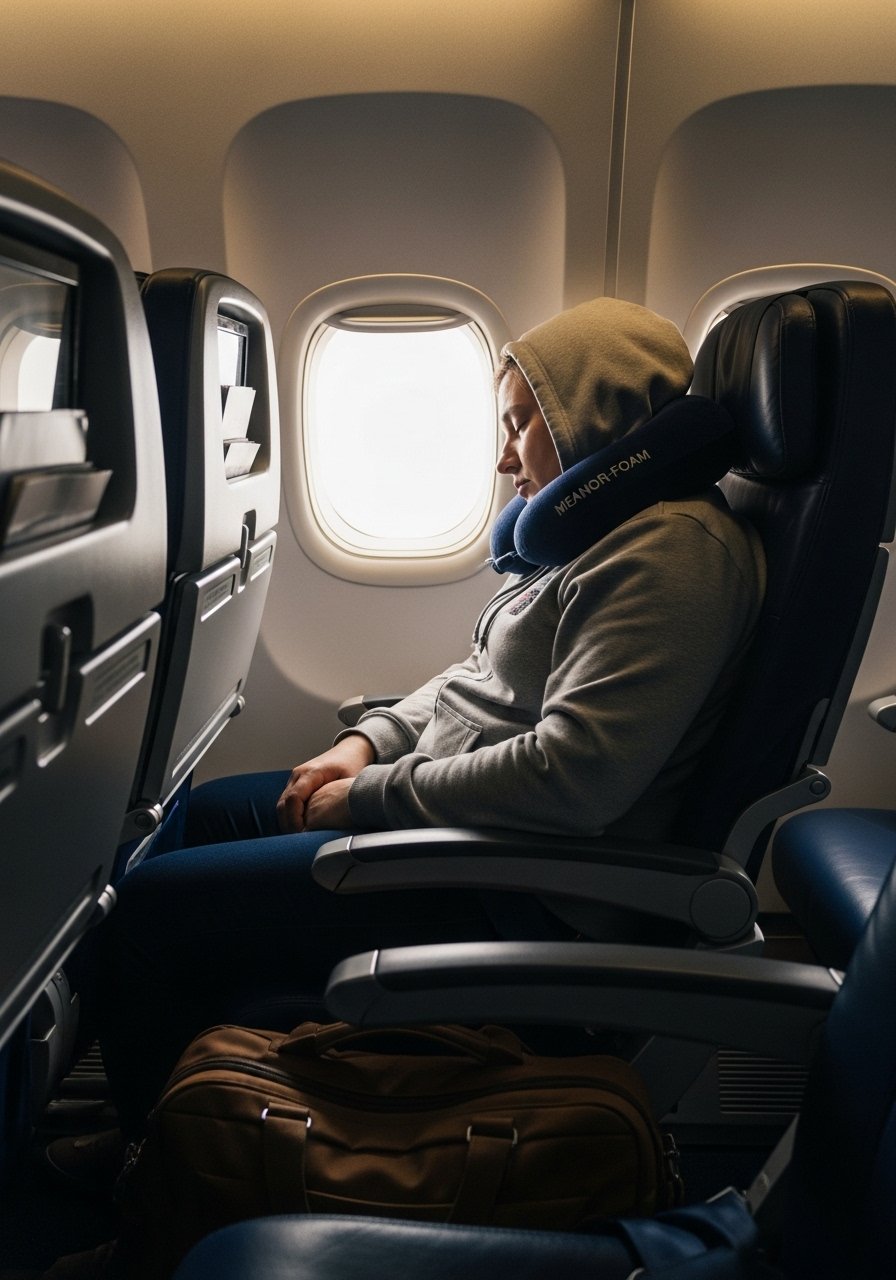
I used cheap inflatable pillows. I learned the hard way: they collapse. A proper memory-foam neck pillow changes sleep from “awkward nod” to “couple hours of actual rest.” I prefer a U-shaped pillow with a loft that supports under the chin and along the sides.
Look for one with washable cover and medium-firm foam. Too soft and your head droops. Too stiff and your neck cramps. I also check fit around my shoulders; narrow airline seats make fit crucial.
People often forget to check the pillow’s thickness for window vs aisle seats. Measure mentally against the seat width.
Why It Makes the List
- Supports short naps and prevents head-droop neck pain.
- Washable cover keeps it usable after long trips.
- Small size fits easily in most carry-ons.
What You’ll Want for This
2. Noise-Canceling Headphones That Let You Sleep Without the Engine Roar
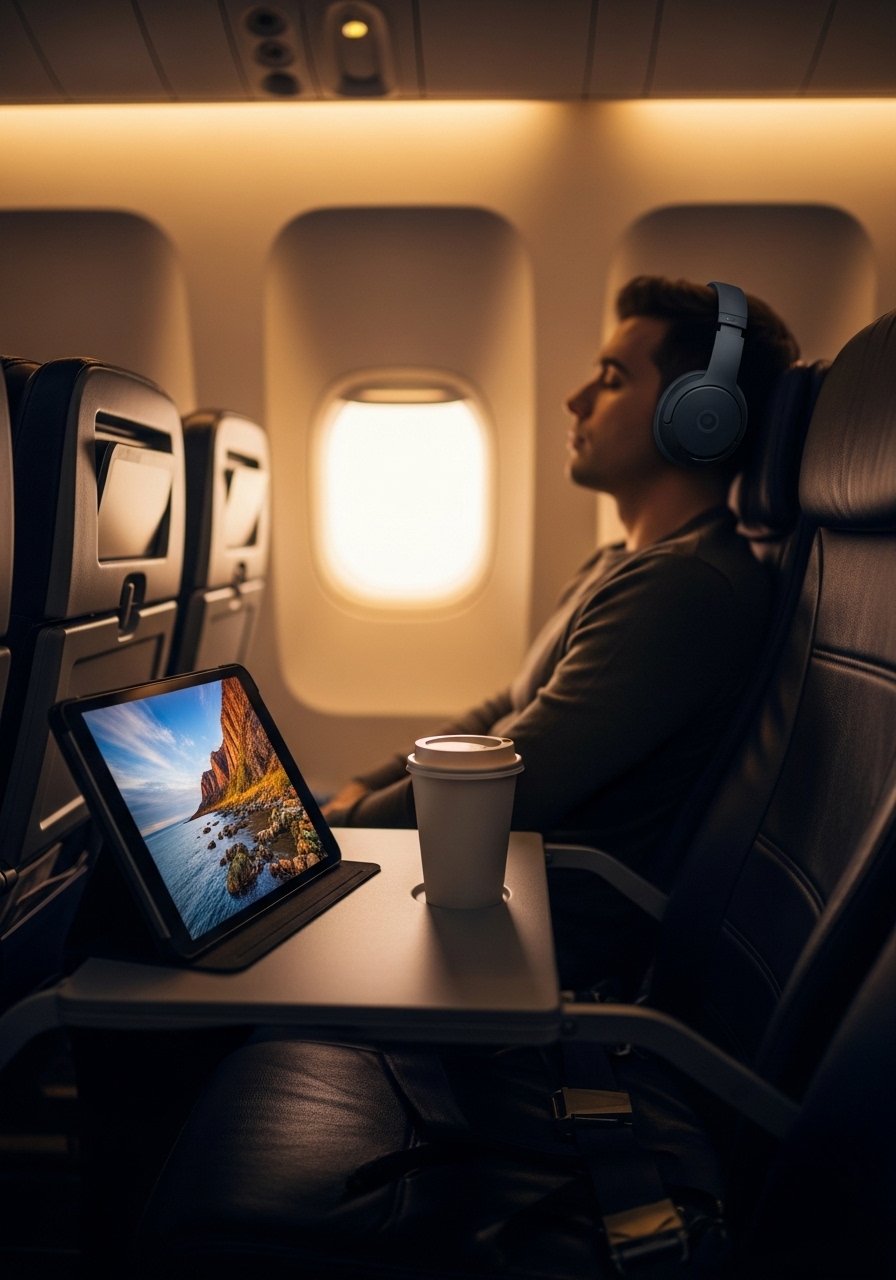
I used in-ear buds until my first transatlantic flight. The engine and crying babies beat them. True active noise-canceling (ANC) over-ear headphones cut cabin hum and let me actually sleep or focus on a film.
I look for comfort and battery life. Soft ear pads and at least 15–20 hours of ANC are my minimums. Bluetooth plus a wired mode matters for old seat-back systems.
People underestimate weight. Heavy headphones are irritating after hours. Try for lighter models with good ANC rather than expensive audiophile options.
Why It Makes the List
- Reduces constant engine noise and passenger chatter.
- Makes sleep and in-flight movies far more tolerable.
- Wired option keeps you set on older planes.
What You’ll Want for This
3. Contoured Eye Mask That Blocks Light and Doesn’t Smush Eyelashes
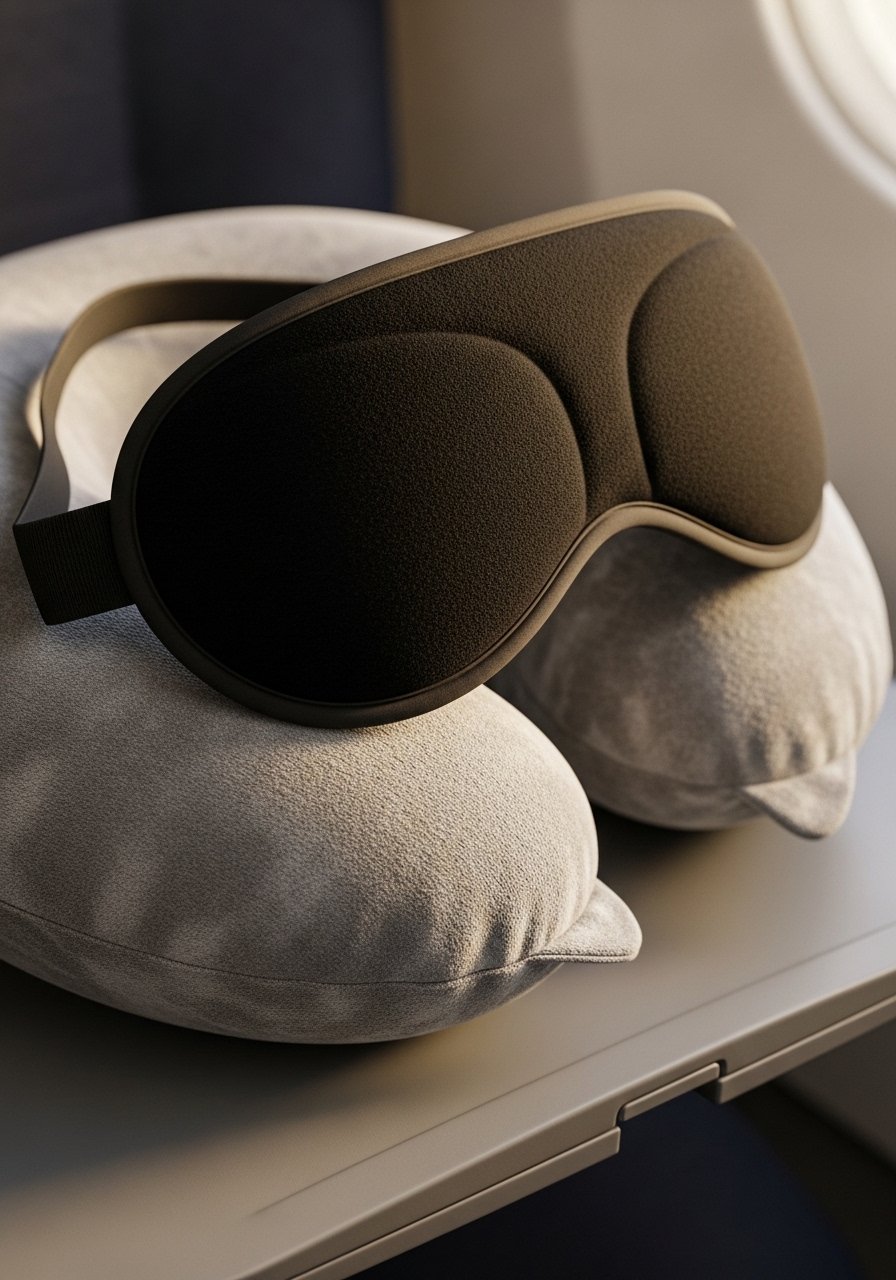
A flat eye mask presses into my eyes and wakes me up. A contoured mask with molded cups keeps fabric off my lashes. I can sleep through the cabin lights and that aggressive in-flight reading light.
Pick one with an adjustable strap and breathable fabric. Memory foam or molded silicone interior helps keep pressure off your eyes. I also choose masks that sit low on the nose to block corners of light.
People forget to check for strap comfort. Elastic that digs in will ruin a nap.
Why It Makes the List
- Blocks light without pressing on eyes.
- Adjustable fit for hours of comfortable wear.
- Small, fits in a pocket or bag compartment.
What You’ll Want for This
4. Compression Socks That Stop Swelling and Save Your Feet
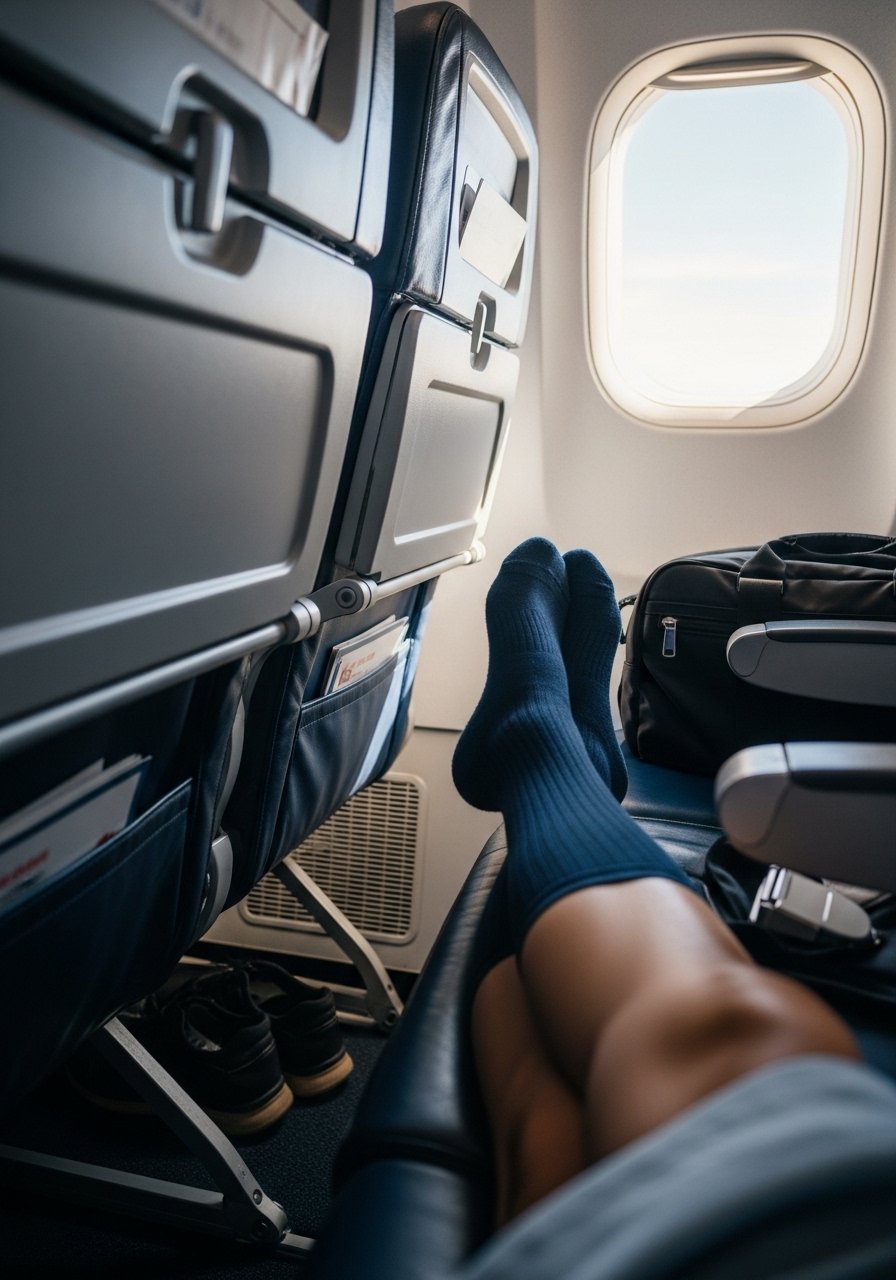
I once landed with swollen ankles and regret. Compression socks improve circulation. After six hours, my legs feel less heavy and my shoes fit when I leave the plane.
Look for graduated compression (15–20 mmHg for most travelers) and breathable fabric. I pack a second pair for flights over nine hours. They also work during long layovers when I’m standing in lines.
People assume compression socks are just for medical use. They’re regular travel gear for anyone on long flights.
Why It Makes the List
- Reduces swelling and stiffness.
- Lightweight and reusable.
- Improves comfort on long-haul flights.
What You’ll Want for This
5. Packable Microfleece Travel Blanket for Warmth Without Bulk
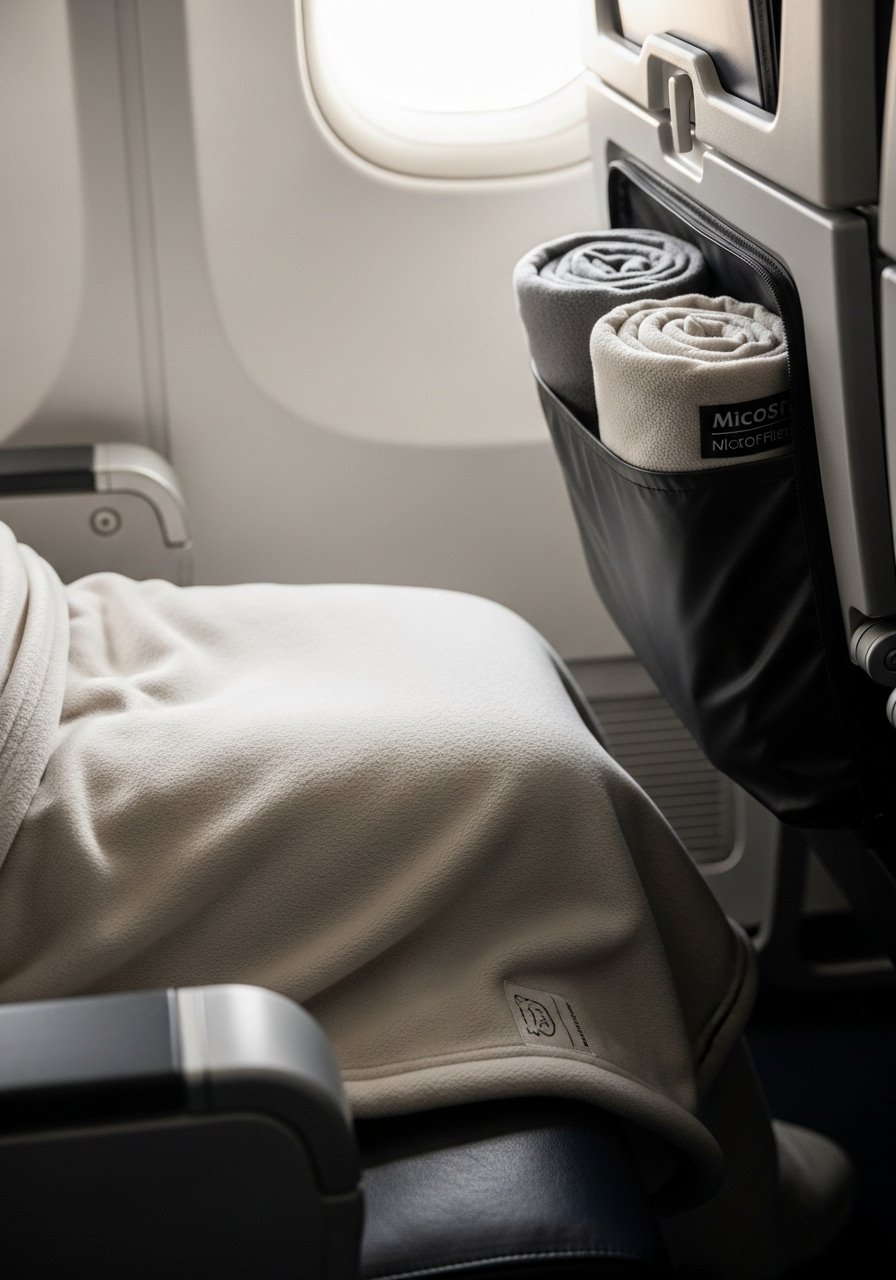
Plane cabins can swing from fridge to sauna. A compact microfleece blanket keeps me warm without taking up my bag. It’s softer than airplane blankets and dries quickly if something spills.
I pick one that packs into its own pouch and is large enough to cover shoulders. Merino options are warmer but more expensive. Microfleece balances warmth and compressibility.
People forget to check packed size. A bulky blanket will push out other essentials and won’t get used if you already have a hoodie.
Why It Makes the List
- Keeps you warm during cold flights.
- Packs small into carry-on or personal bag.
- Soft, washable, and quick to dry.
What You’ll Want for This
6. Lightweight Zip Hoodie or Warm Layer That Doubles as a Pillow
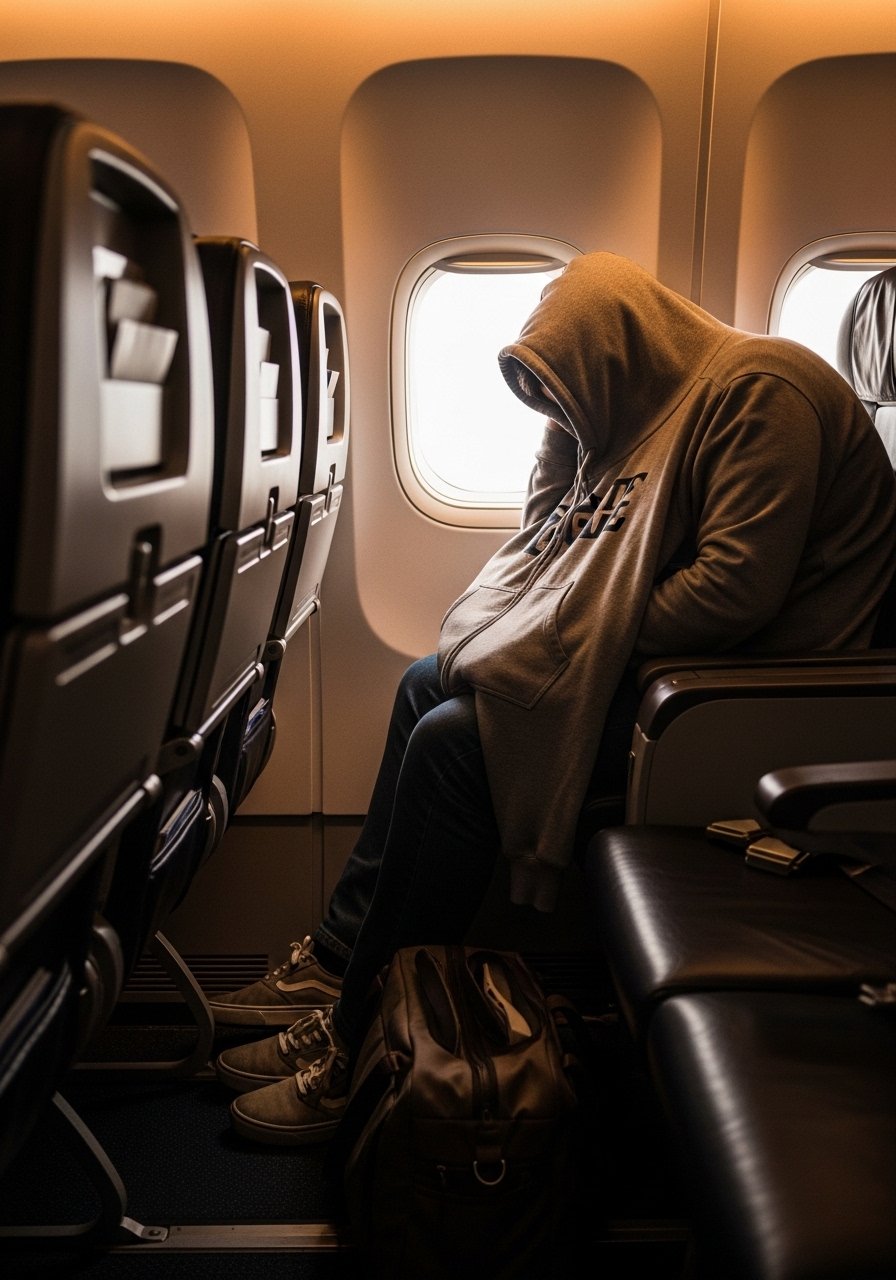
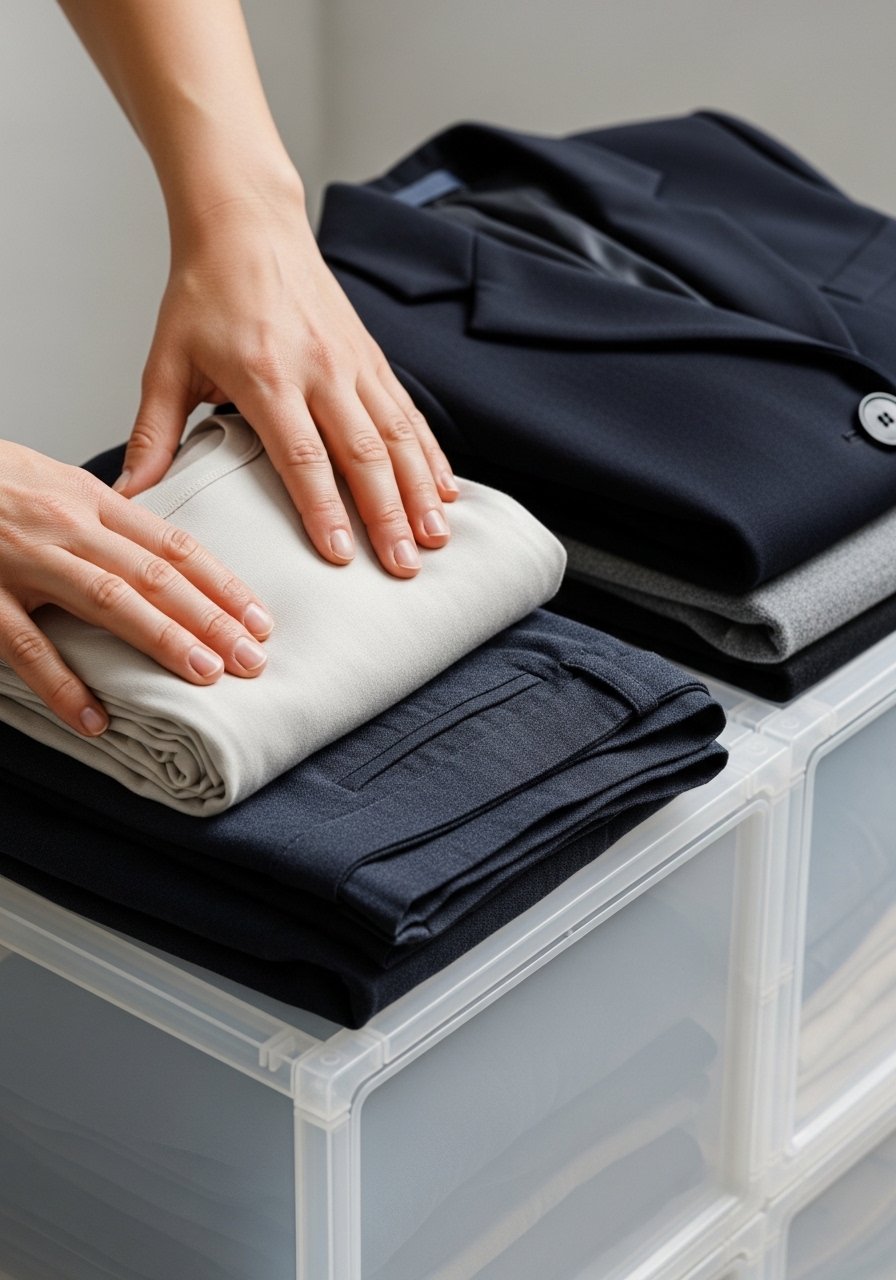
I always bring a zip hoodie. It’s an easy layer for temperature swings and doubles as a pillow when stuffed into a packing cube. Zippers make it quick to remove during security or on changing flights.
Look for brushed interior fabric and a slim cut that layers under coat. Lightweight merino or cotton blends work. Avoid bulky knits that take up too much space.
People pack cardigans and regret the lack of pockets. A hoodie with secure pockets keeps my phone and passport close.
Why It Makes the List
- Functional warmth and a soft pillow substitute.
- Easy on/off during security checks.
- Packs flatter than a bulky sweater.
What You’ll Want for This
7. Slim, High-Capacity Power Bank So Your Devices Don’t Die
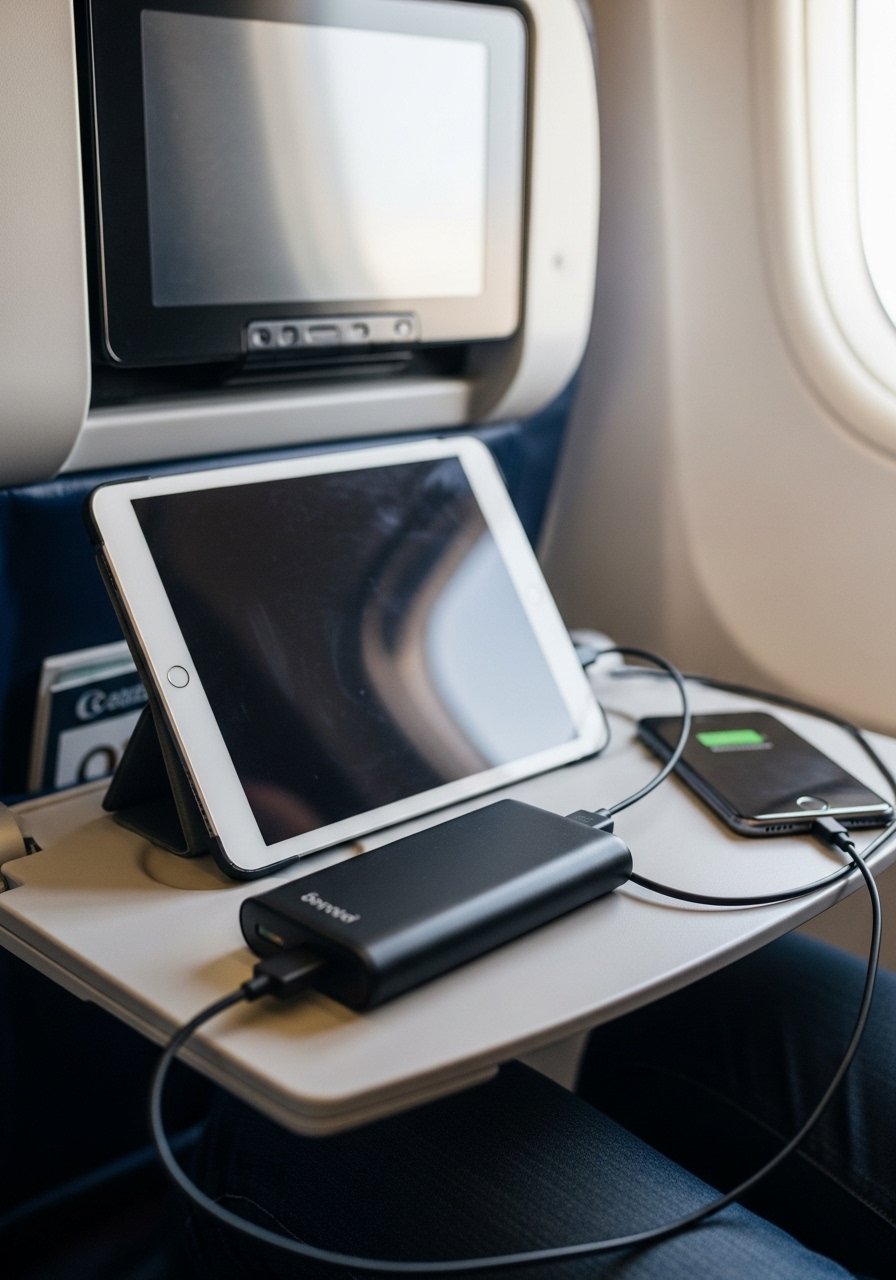
I learned not to rely on seat power. A slim 20,000mAh power bank keeps phone, tablet, and earbuds charged across long hops. I look for USB-C PD for faster charging and multiple ports to share with a travel companion.
Check airline rules for capacity (under 100Wh is safe). I pack cables neatly with a small elastic strap so they don’t tangle.
People forget to fully charge the power bank before travel. Test it a night before for peace of mind.
Why It Makes the List
- Keeps devices functional during long flights and layovers.
- Multiple ports let you charge more than one item.
- Compact models fit in a side pocket.
What You’ll Want for This
8. Multi-Port Charger and Short Cables Packed in a Cable Organizer
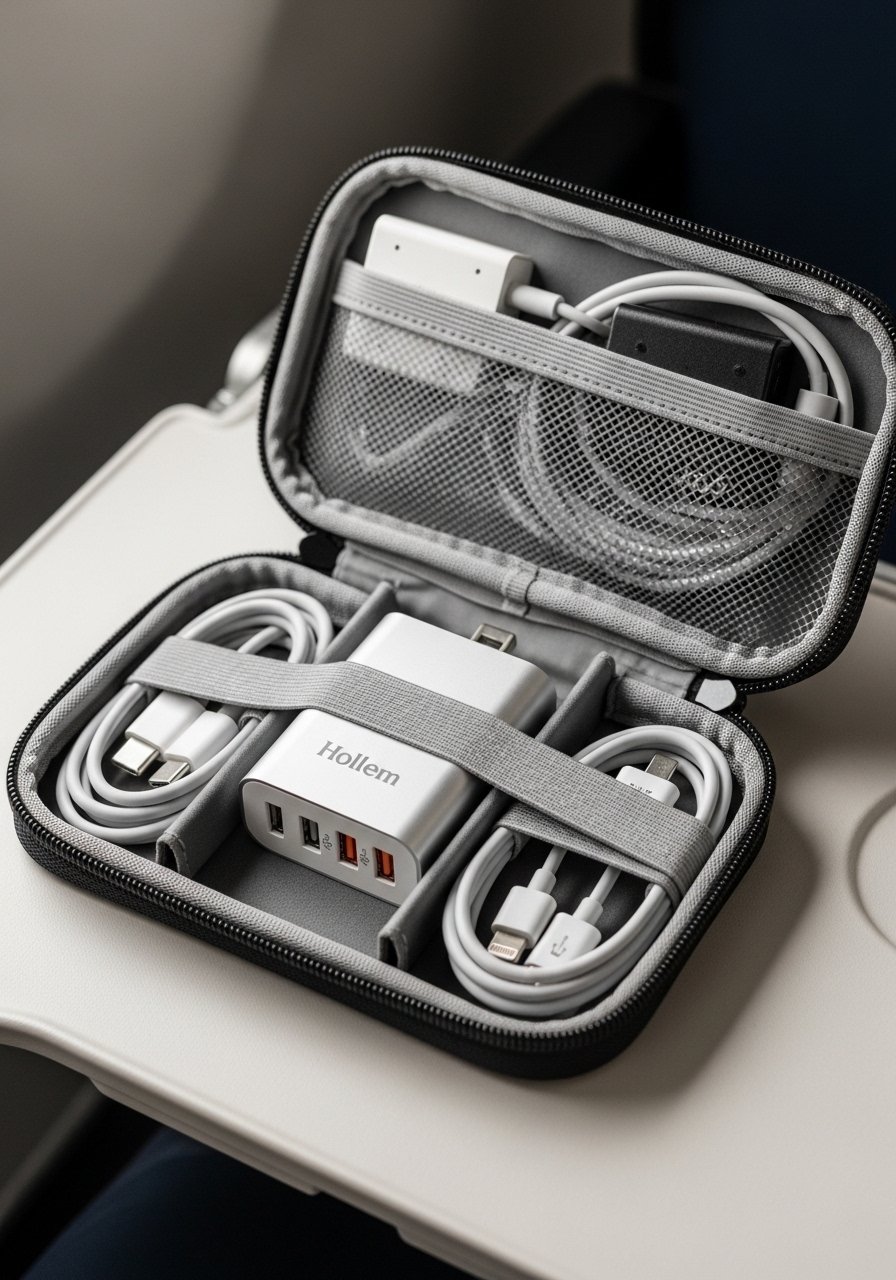
One bulky charger or tangled cables can ruin inflight charging. I bring a compact multi-port wall charger and short 6–8 inch cables for the plane. Short cables are easier on tray tables and my bag.
I keep everything in a slim cable organizer. It prevents lost cords and keeps the charger accessible during security.
People underestimate outlets at crowded gates. A small charger means I can plug in at the gate without hogging a spot.
Why It Makes the List
- Keeps devices charged at gate and in hotels.
- Short cables reduce tangles and desk clutter.
- Organizer saves time and prevents lost cords.
What You’ll Want for This
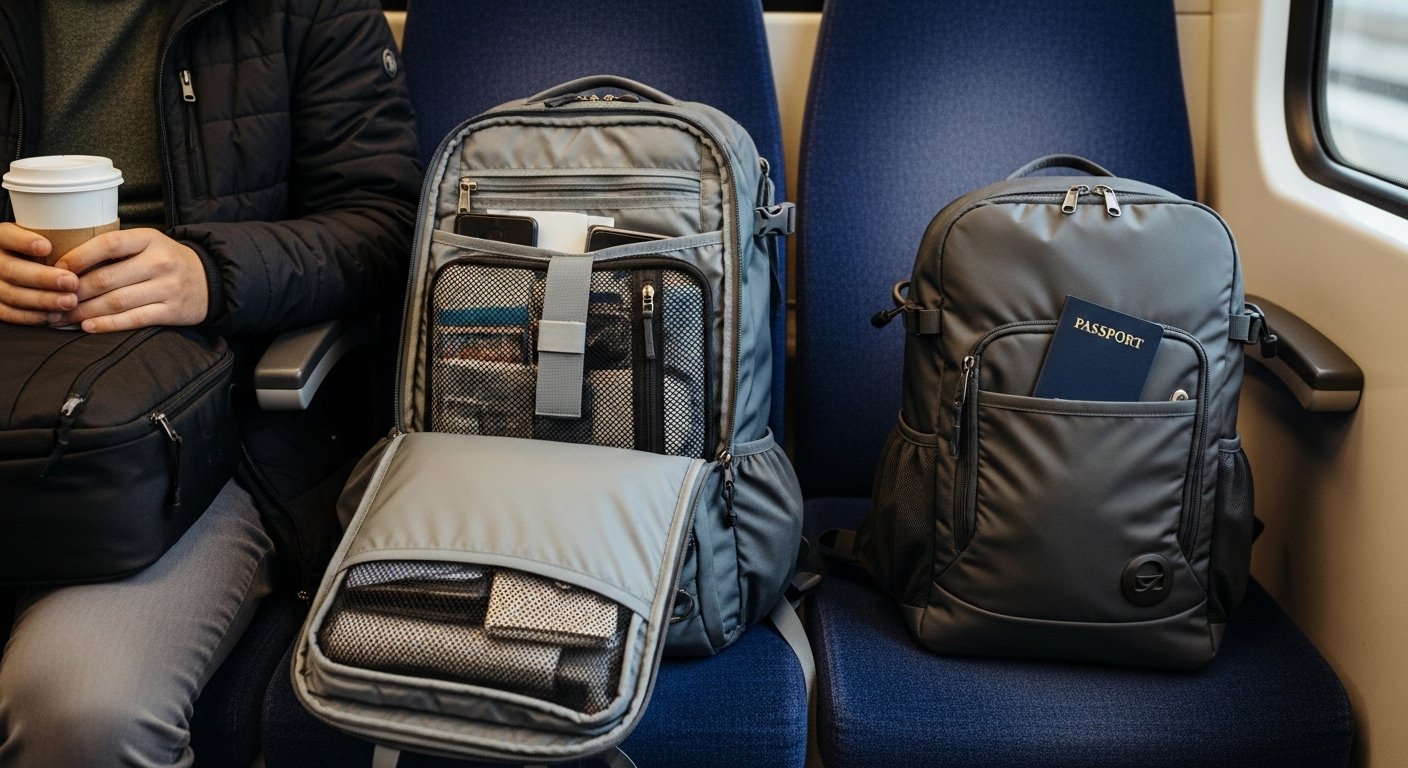
9. Lightweight, Foldable Daypack to Carry Pre-Boarding Comforts
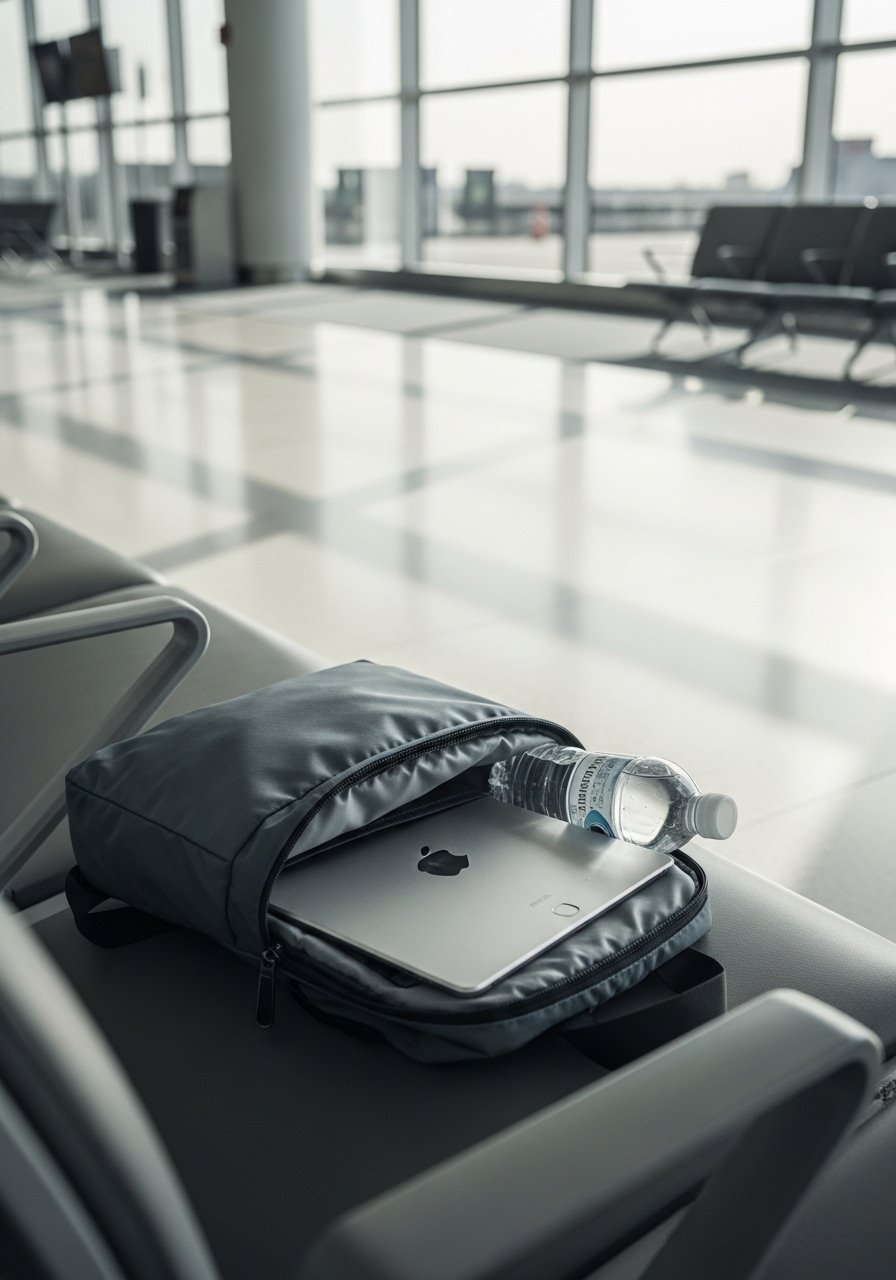
I don’t clutter my main carry-on during layovers. A foldable daypack holds snacks, a change of socks, my blanket, and duty-free purchases. It stashes in my bag and opens when I need extra space.
Look for water-resistant fabric and an easy zip pocket for boarding passes. I prefer one with a padded strap for short walks through big airports.
People skip bringing an extra bag and then carry small items in hand for hours. This saves shoulders and keeps things organized.
Why It Makes the List
- Extra storage for layovers and arrivals.
- Packs small when not needed.
- Keeps essentials handy while navigating terminals.
What You’ll Want for This
10. Inflatable Footrest or Foot Hammock to Reduce Leg Fatigue
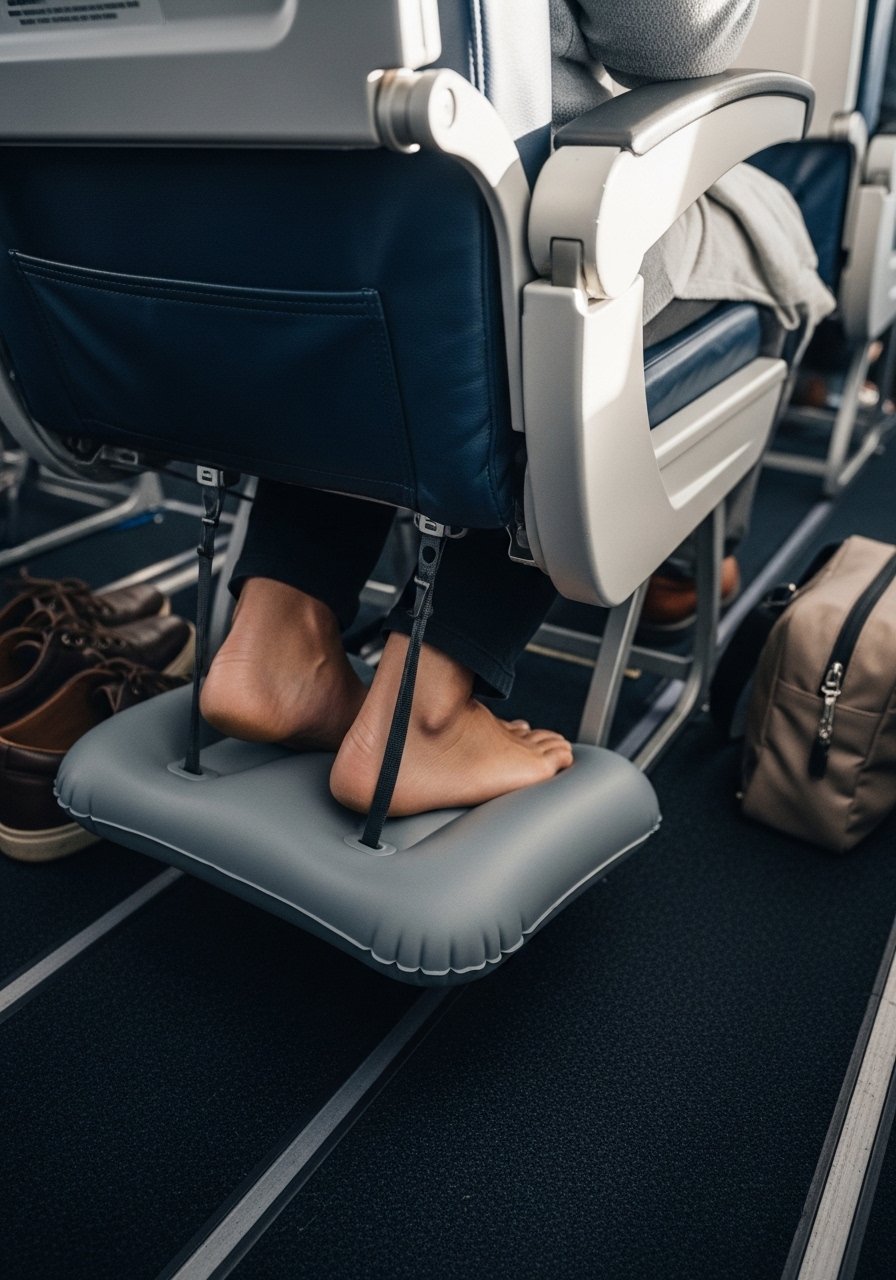
I tried sleeping with my feet on the bulkhead and it’s not great. An inflatable footrest or foot hammock keeps my legs elevated and more comfortable. It changes how my lower back and hips feel after long hours.
Choose a model that inflates quickly and deflates into a small bag. Weight matters; I avoid heavy options. Make sure it fits your seat type—some designs work better in economy than in exit rows.
People assume it’s bulky. The right model fits into the seatback pocket when deflated.
Why It Makes the List
- Reduces leg swelling and lower back strain.
- Compact and quick to inflate.
- Improves sleep posture in economy seats.
What You’ll Want for This
11. Slip-On Travel Shoes or Cushioned Flight Slippers
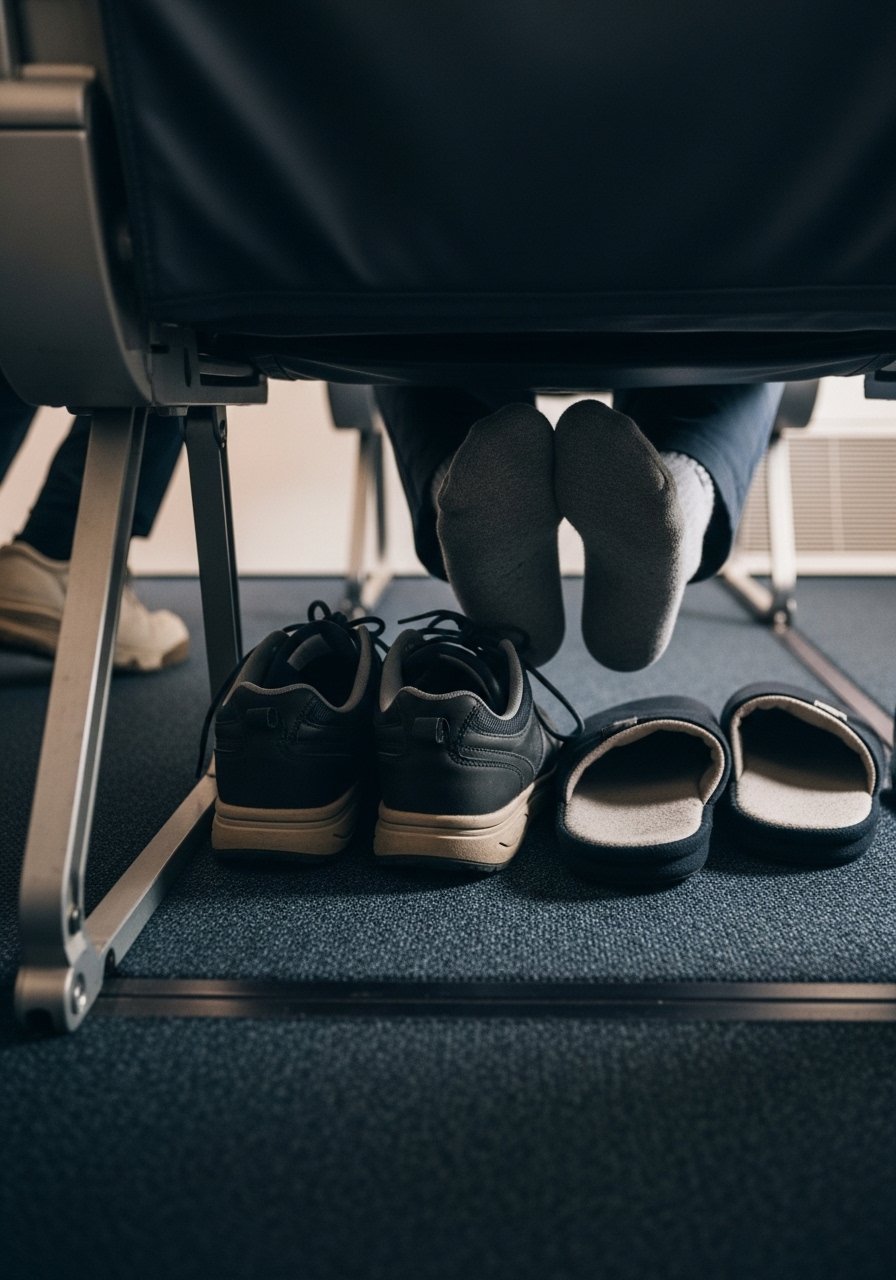
I hate wrestling with laces during security or trying to jam shoes back on mid-flight. Slip-on shoes or cushioned flight slippers are easy and comfortable. I can walk through airports without socks catching.
Pick ones with some foot arch support and a non-slip sole. Thin soles make security easier. I keep them lightweight to avoid bulk in my bag.
People wear running shoes and regret the weight. A light slip-on gives enough support without the bulk.
Why It Makes the List
- Easy for security and in-flight comfort.
- Lightweight and packable.
- Offers more support than flip-flops.
What You’ll Want for This
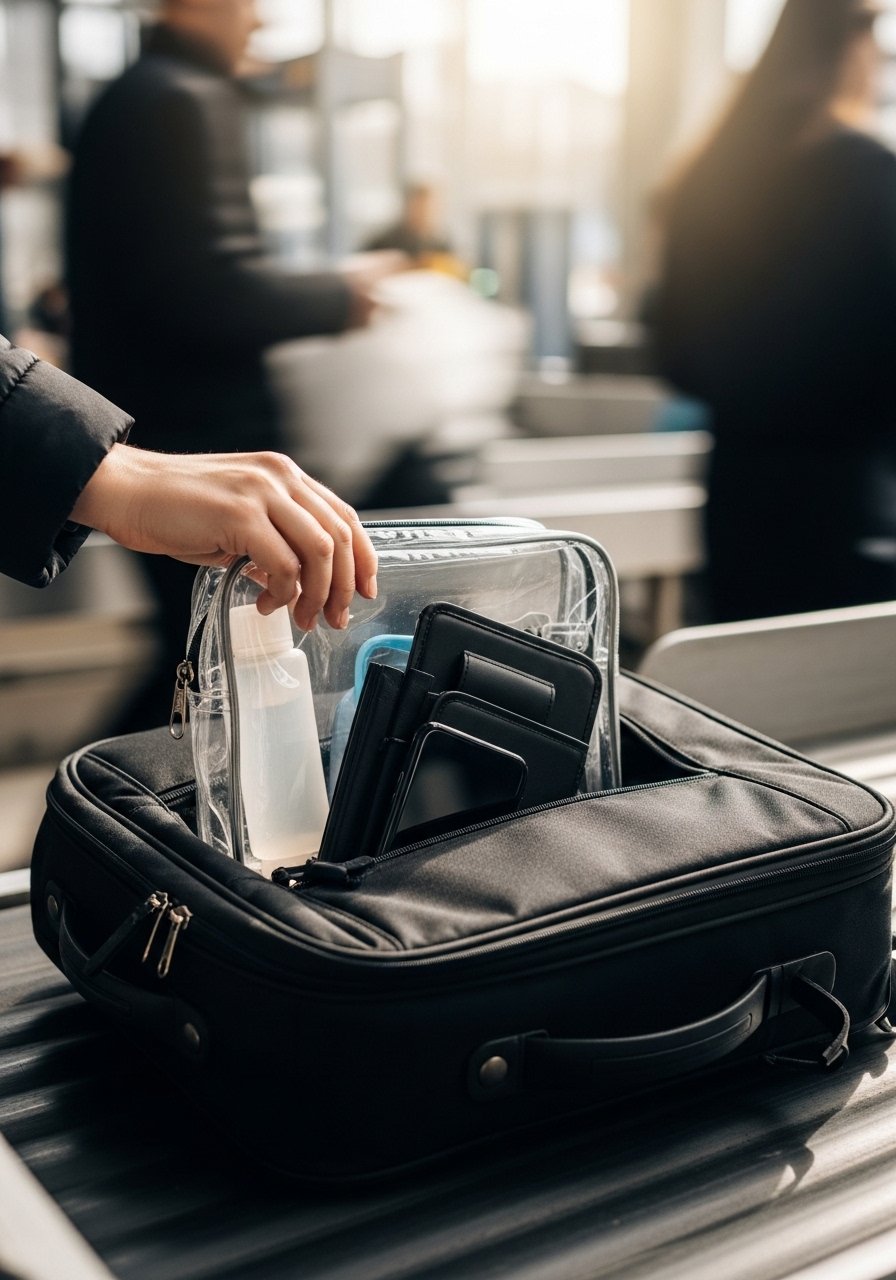
12. TSA-Friendly Toiletry Kit With Refillable Bottles and Wipes
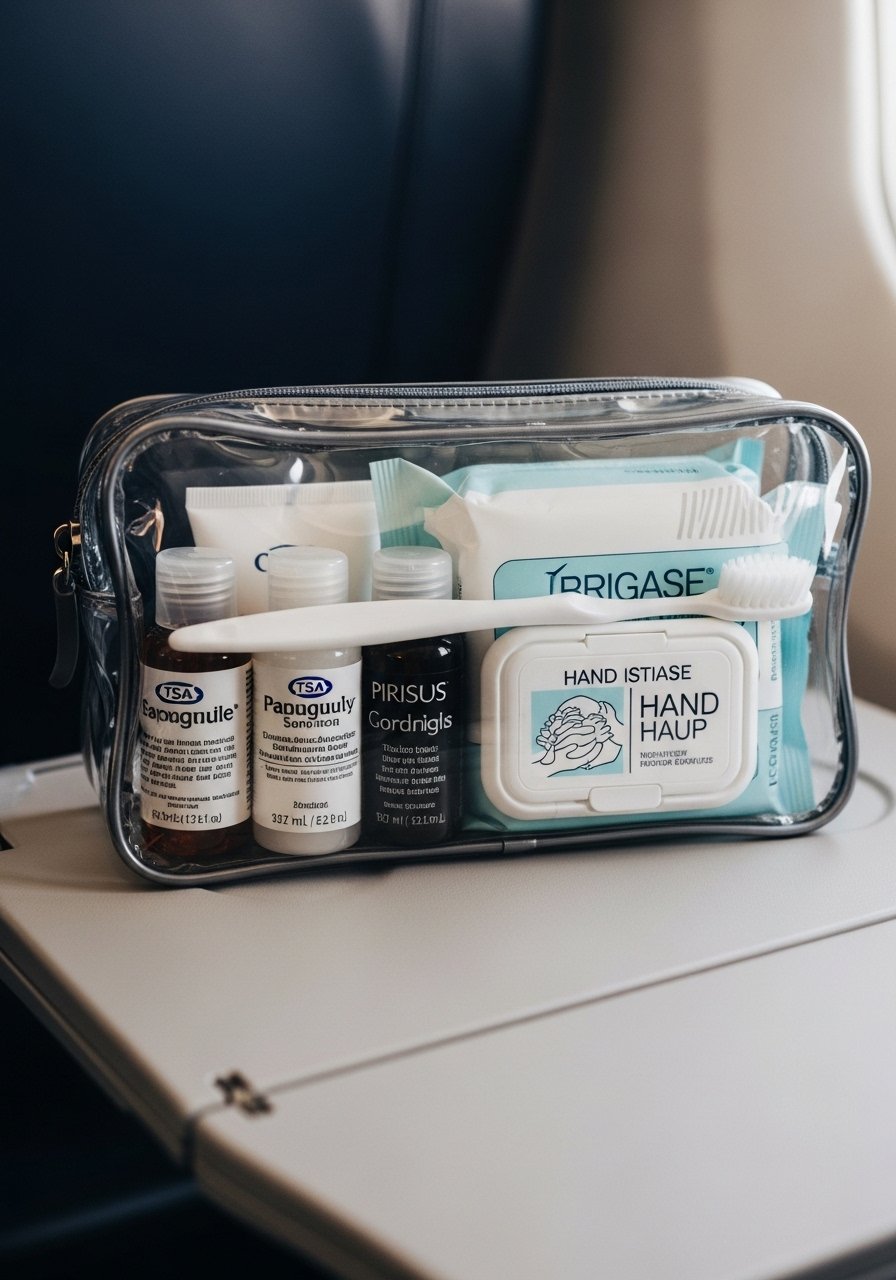
I once spilled a full lotion bottle in my bag. A clear, TSA-friendly toiletry kit with leakproof, refillable bottles solves that. I keep cleanser, moisturizer, and a small sunscreen ready for arrival.
I add a travel toothbrush, toothpaste tablets, and facial wipes. They keep me refreshed after a long flight and before meeting someone or checking into a hotel.
People underestimate the importance of leakproof seals and toiletry bag structure. A rigid pouch prevents bottles from crushing.
Why It Makes the List
- Keeps hygiene essentials organized and airport-compliant.
- Prevents messy leaks in your bag.
- Makes freshening up on arrival quick.
What You’ll Want for This
13. Hydration Strategy: Collapsible Water Bottle and Electrolyte Packets
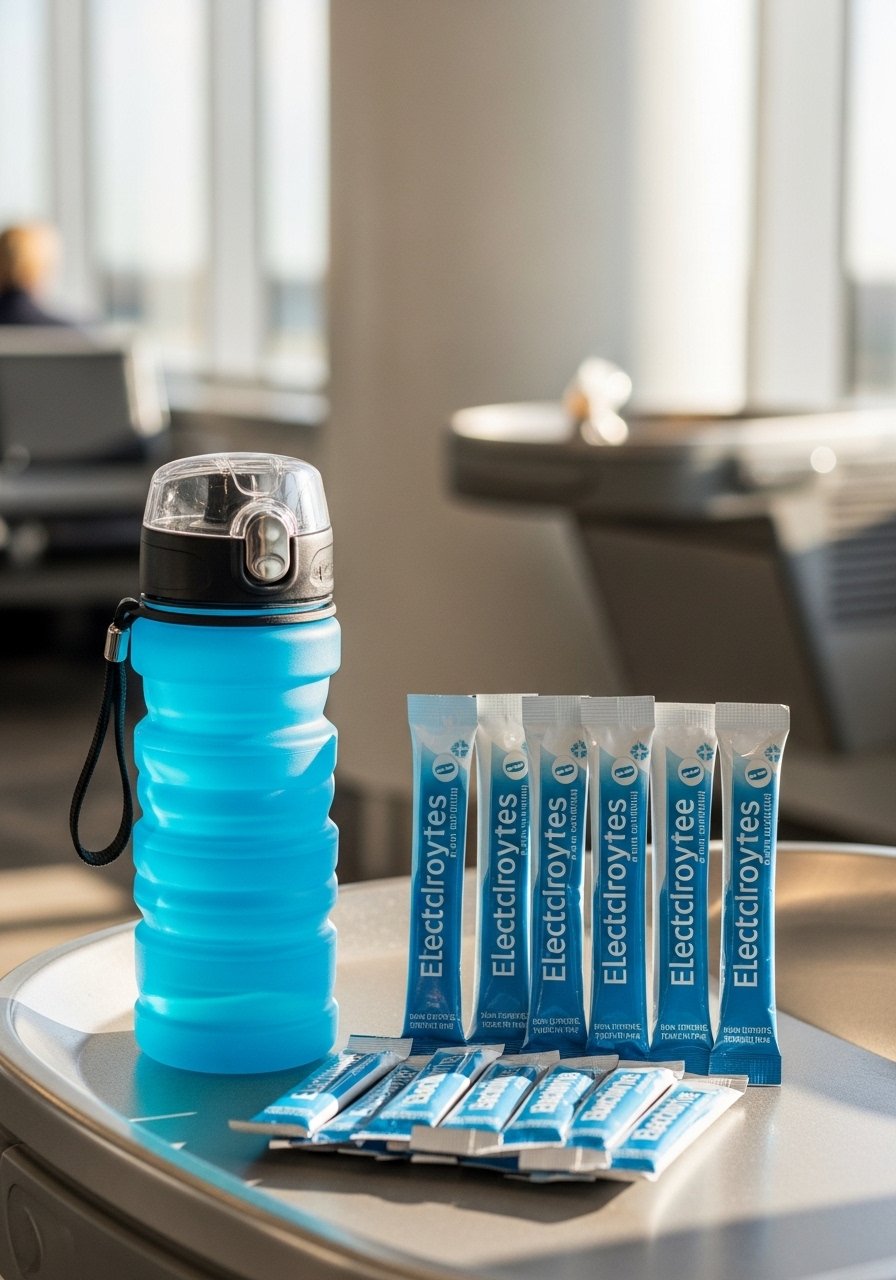
Cabin air dries me out fast. I bring a collapsible water bottle and electrolyte packets. I refill after security and sip during the flight. Electrolytes help when I’ve had coffee or missed meals.
A wide-mouth collapsible bottle is easy to wash and fits in side pockets. I choose BPA-free and durable fabric. Electrolyte packets take up almost no space but make a big difference.
People forget to hydrate early. Drinking before you’re thirsty reduces headaches and jet lag.
Why It Makes the List
- Keeps hydration steady on long flights.
- Collapsible design saves space when empty.
- Electrolytes replace salts lost to cabin dryness.
What You’ll Want for This
14. A Small First-Aid & Meds Kit With Pain Relievers and Stomach Remedies
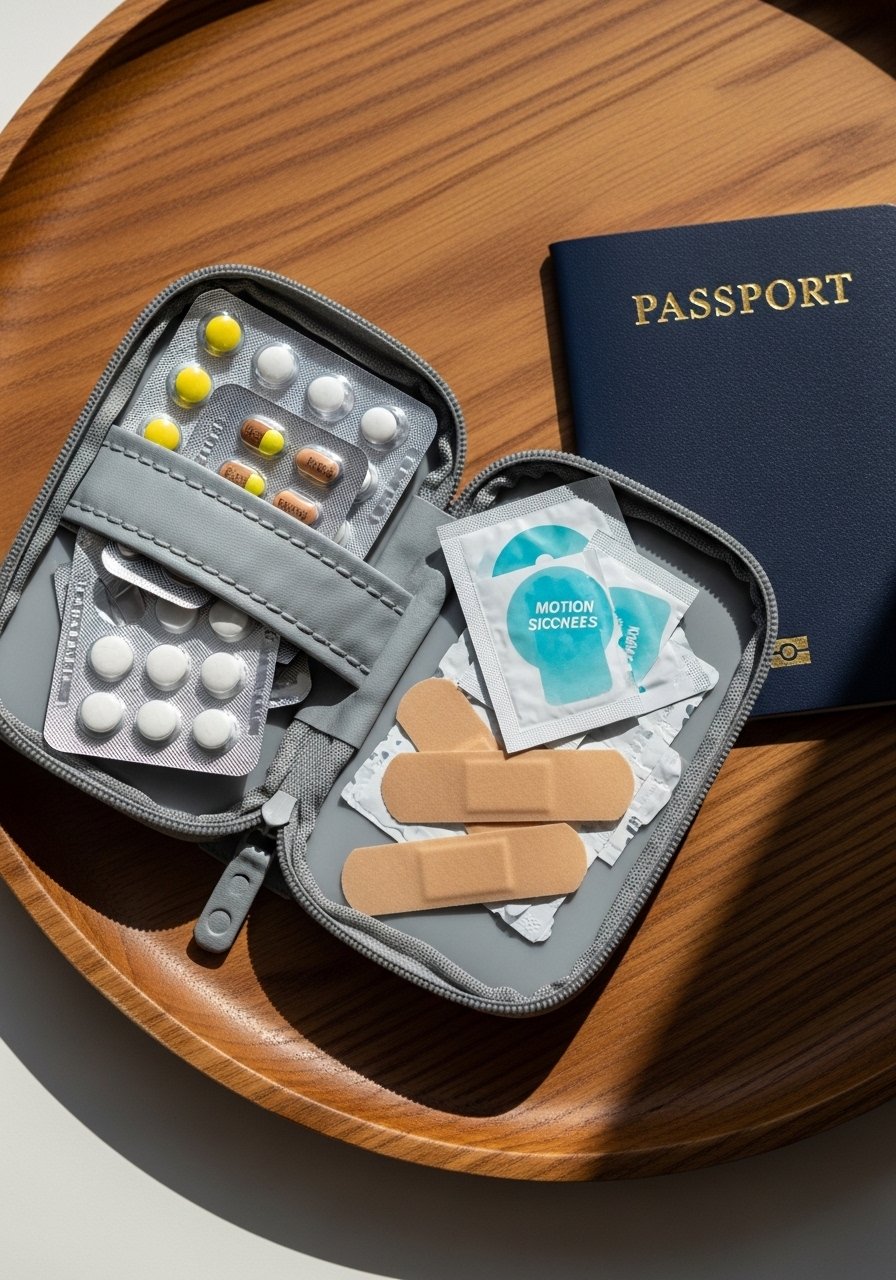
I always carry a tiny first-aid kit. Headaches, upset stomachs, and small cuts happen. Pain relievers, antacids, adhesive bandages, and motion-sickness patches cover the usual problems.
I use a small zip pouch and double-check expiration dates before every trip. Keep prescription meds in labeled containers and a copy of the script if you travel internationally.
People assume airlines have what you need. They don’t. A personal kit saves waiting at a strange pharmacy.
Why It Makes the List
- Solves small medical issues instantly.
- Compact and airline-friendly.
- Keeps prescriptions handy and organized.
What You’ll Want for This
15. Hydrating Face Mist and Moisturizer to Fight Cabin Dryness
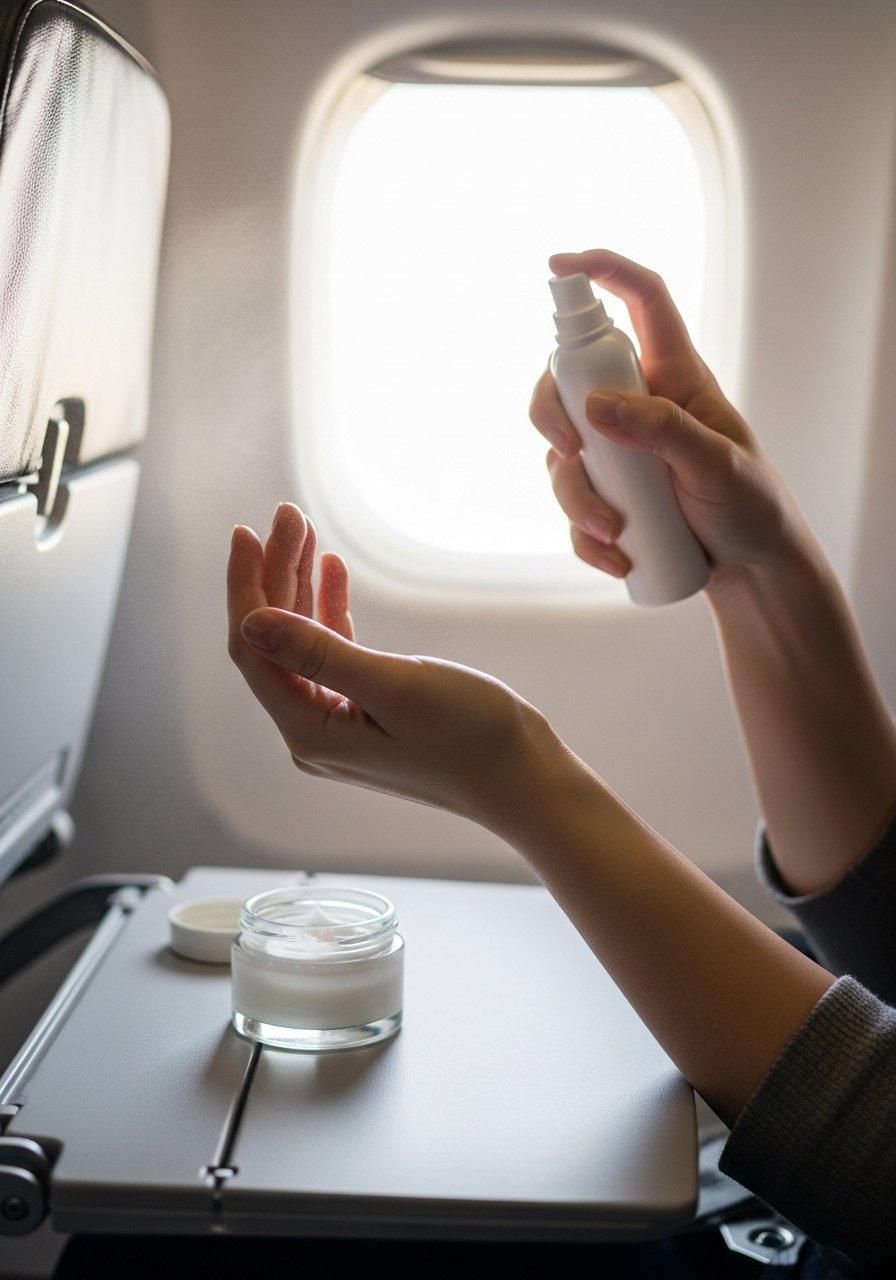
My skin dries out fast at 35,000 feet. A hydrating face mist and a small moisturizer keep my skin from feeling tight and flaky. They’re quick refreshers and don’t take much room.
I pick travel sizes that meet TSA rules. Look for products with hyaluronic acid or glycerin for immediate moisture. A thicker balm for lips and hands is also essential.
People skip moisturizer before landing and regret it. A simple face mist keeps you presentable when stepping off the plane.
Why It Makes the List
- Prevents skin tightness and chapping.
- Compact and airport-compliant.
- Quick refresh between naps and meals.
What You’ll Want for This
16. Lip Balm and Hand Cream — Tiny But Highly Effective
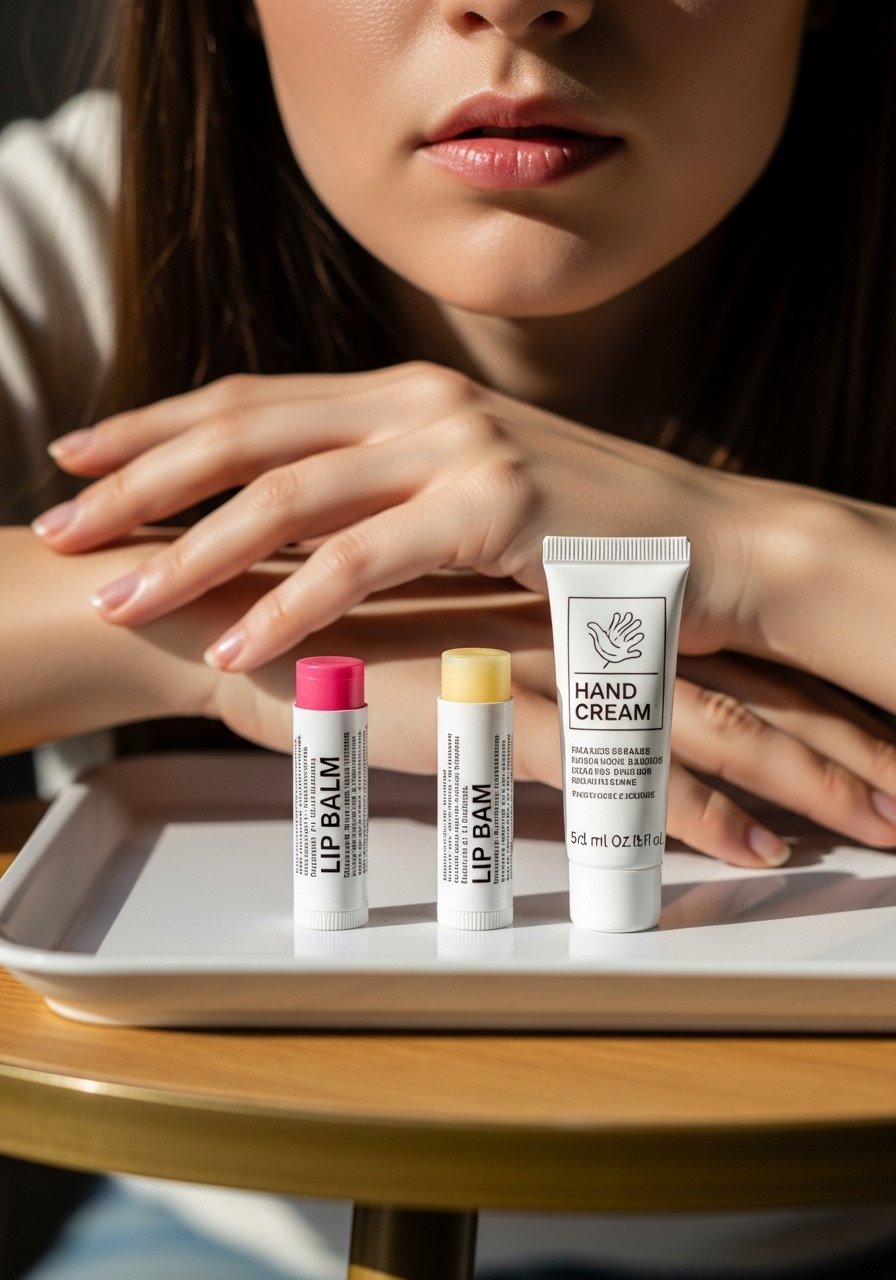
My lips and hands betray me on long flights. A good lip balm and a small hand cream prevent cracking and the odd embarrassing handshake with dry hands.
I carry balm with SPF for daytime flights and a thicker overnight balm for long hauls. A compact, fast-absorbing hand cream keeps my hands soft without leaving residue.
People think these are trivial until they land with painful chapped lips. Pack them in an easy-access pocket.
Why It Makes the List
- Quick fix for dryness and chapping.
- Small, cheap, and effective.
- Makes arrival more comfortable.
What You’ll Want for This
17. Noise-Blocking Foam Earplugs for When Headphones Are Too Much
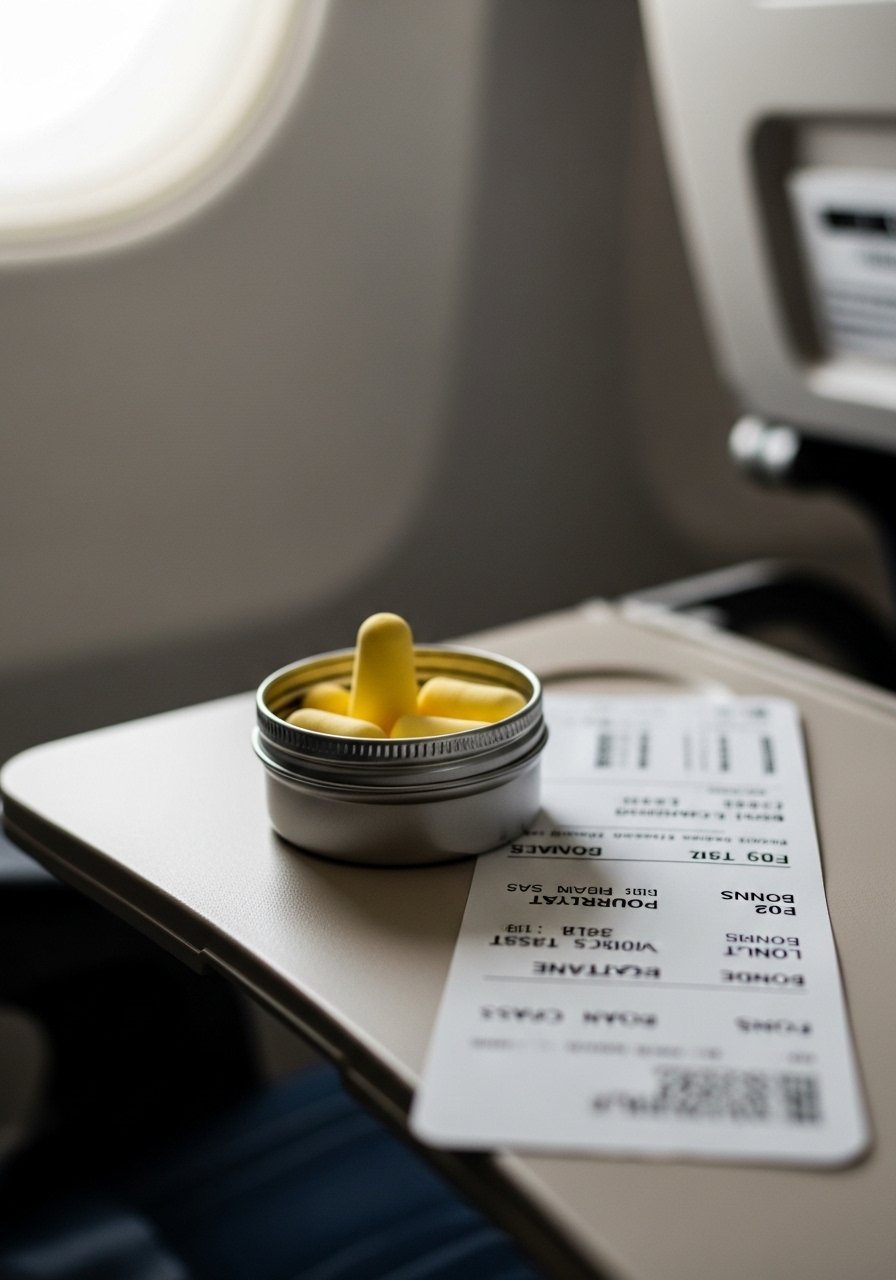
Sometimes I want quiet without headphones. Foam earplugs cut noise and are tiny enough to stash everywhere. They’re cheap and great for sleeping or when I need to rest my ears.
Use fresh pairs for each long flight. Carry a small case so they don’t get dirty. Combine with an eye mask for a surprisingly effective sleep kit.
People reuse old plugs and get poor seal and comfort. Replace regularly for best effect.
Why It Makes the List
- Extremely compact and effective at reducing noise.
- Inexpensive and replaceable.
- Works great in combination with an eye mask.
What You’ll Want for This
18. A Lightweight Tablet or E-Reader Loaded With Offline Content
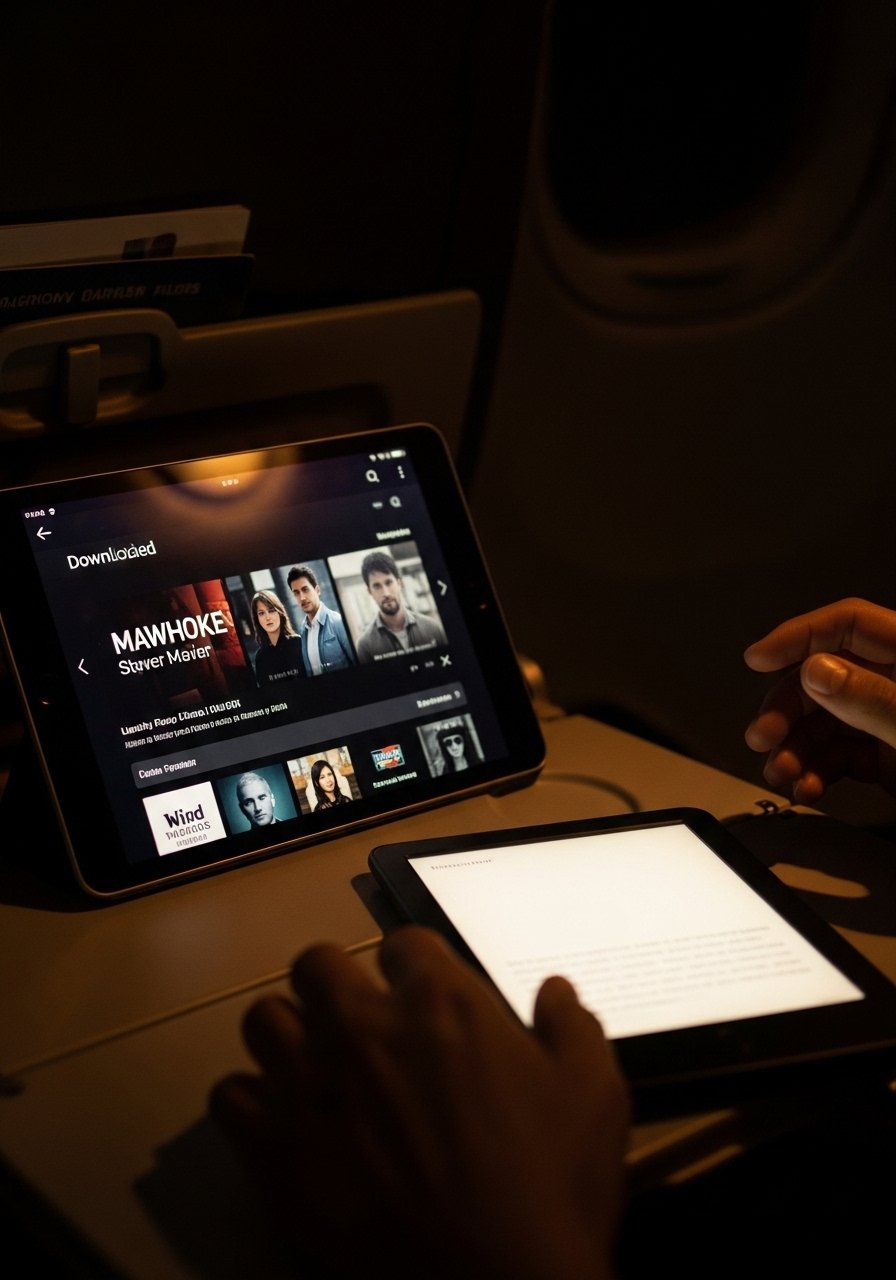
My laptop is heavy. A tablet or e-reader with downloaded books, podcasts, and movies handles in-flight boredom without bulk. I preload shows and books before I leave the Wi-Fi zone.
Choose an e-reader for long reading sessions (battery lasts longer) and a tablet for movies. Bring a slim case and a charging plan with your power bank.
People expect inflight Wi-Fi to be reliable. It often isn’t. Offline content is non-negotiable for long flights.
Why It Makes the List
- Keeps you entertained without relying on Wi-Fi.
- Lightweight and easy to store.
- Saves phone battery for after landing.
What You’ll Want for This
19. Travel-Sized Toothbrush and Toothpaste Tablets for a Quick Refresh
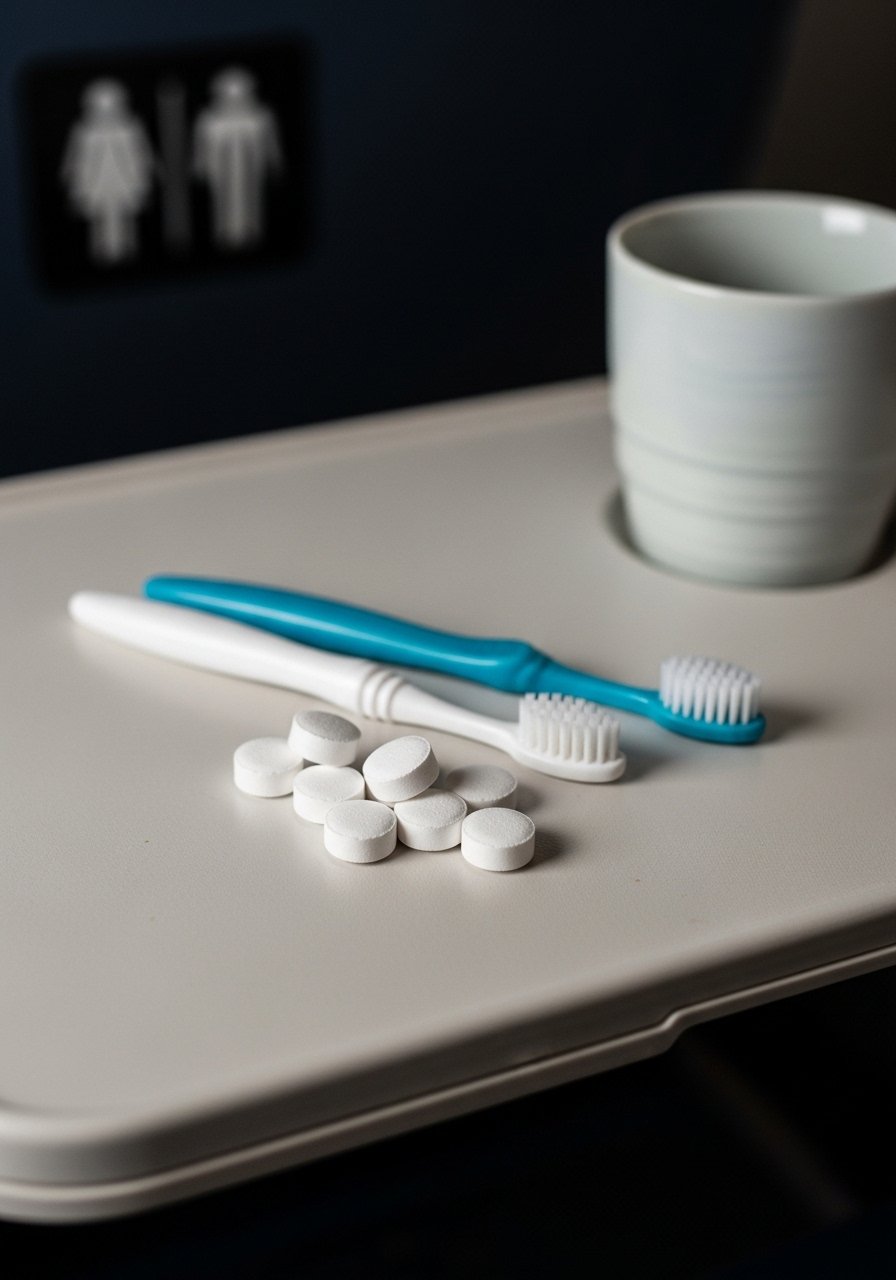
I brush my teeth mid-flight before landing. Toothpaste tablets and a compact toothbrush slip into my bag and keep me feeling fresh. I avoid the stale-mouth feeling and step off the plane ready to go.
Toothpaste tablets avoid messy tubes and are TSA-friendly. Combine with floss picks and mints for a quick hygiene kit.
People skip this and then feel gross at baggage claim. It’s a two-minute fix that changes your whole mood.
Why It Makes the List
- Fast refresh before arrival.
- Compact and TSA-compliant.
- Prevents bad breath and discomfort.
What You’ll Want for This
20. Snacks That Don’t Crumble: Protein Bars, Nuts, and Dried Fruit
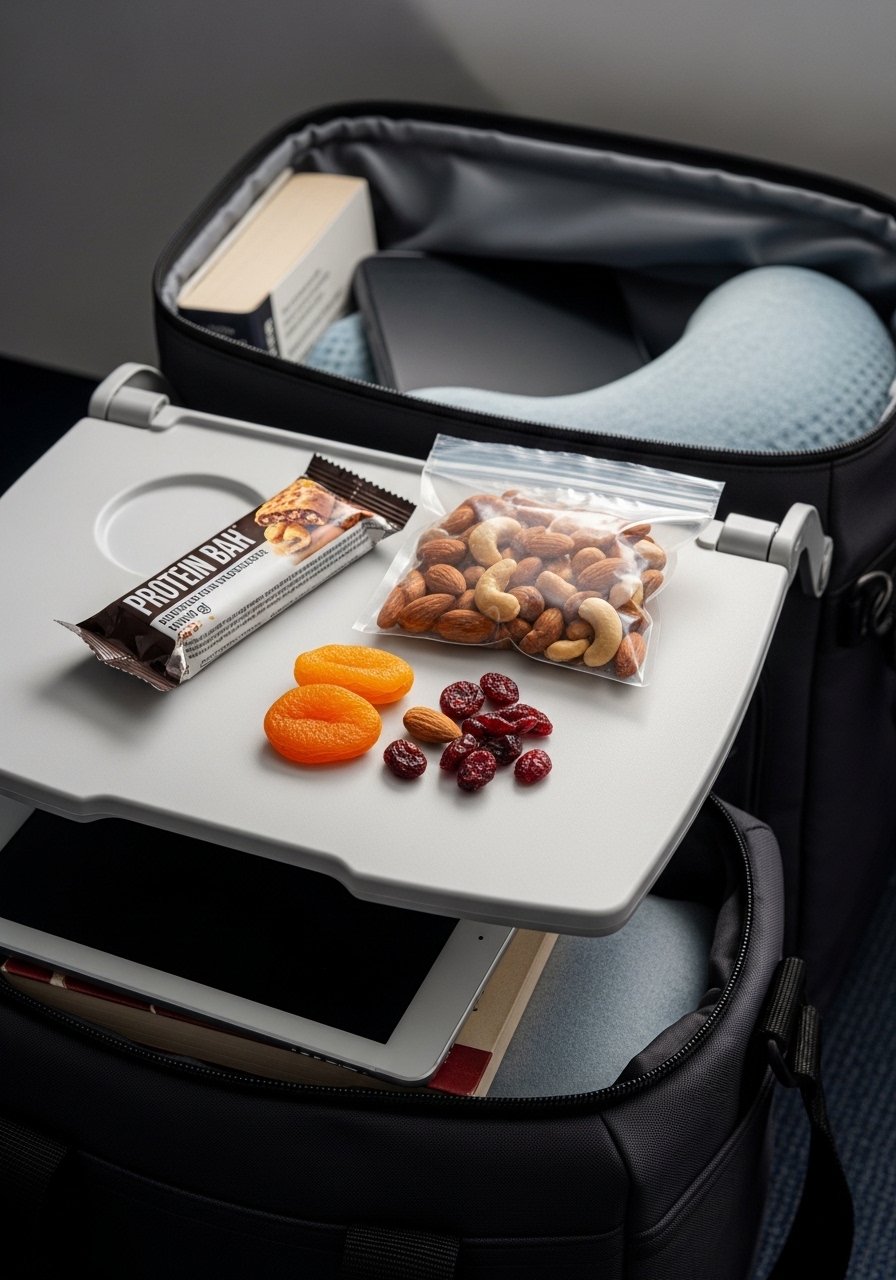
Airline food schedules and limited options mean I pack snacks. Protein bars, roasted nuts, and dried fruit keep me from getting hangry. They also save money and avoid dependence on limited meal service.
Choose non-messy items that won’t trigger strong smells for fellow passengers. Individually wrapped portions make sharing or stashing easier.
People overpack perishable snacks and regret the mess. Shelf-stable options are reliable and tidy.
Why It Makes the List
- Prevents hunger and low blood sugar.
- Compact, non-messy, and travel-friendly.
- Helps during long delays and layovers.
What You’ll Want for This
21. Sleep Aid Options: Natural Melatonin or Mild OTC Sleep Tablets
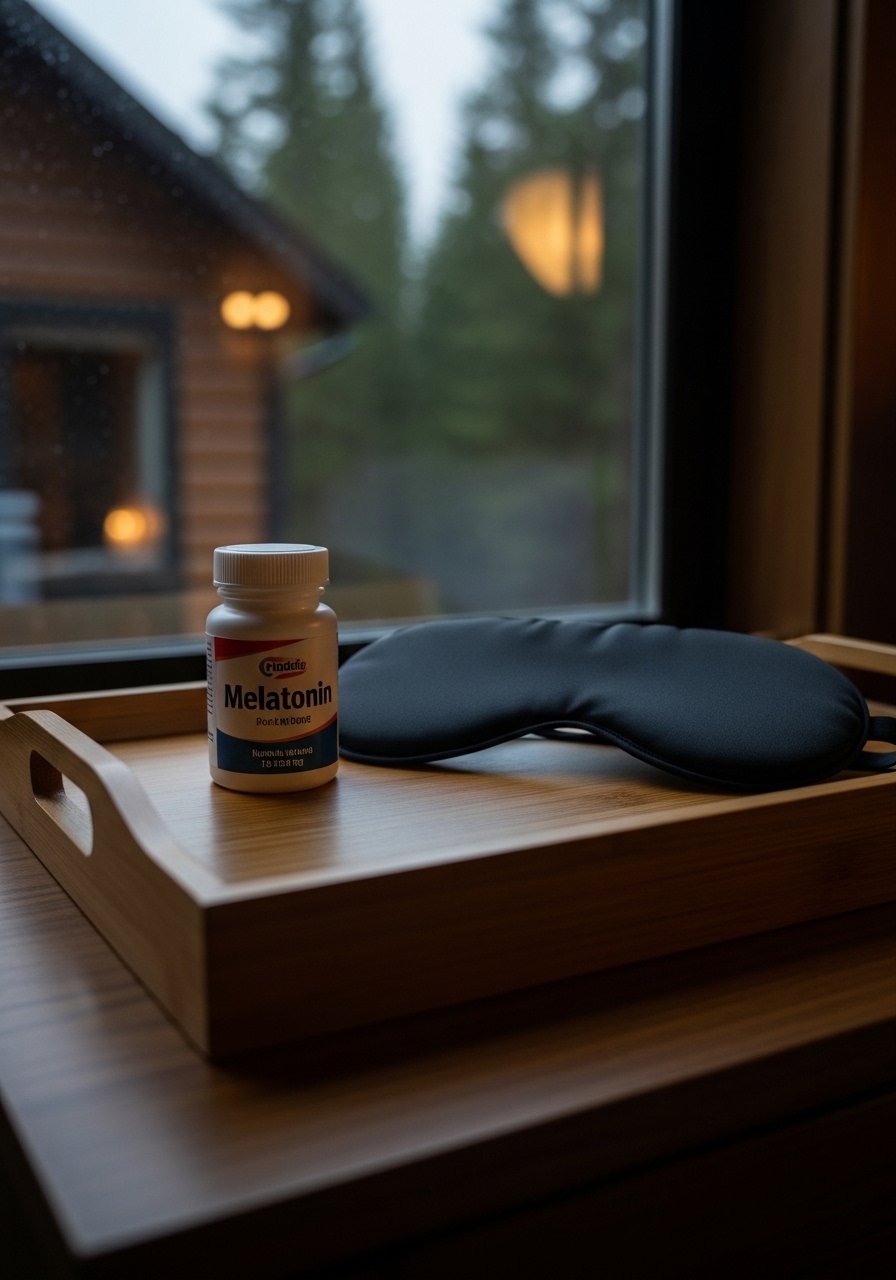
I don’t take strong sleep meds on a plane, but melatonin or a mild OTC option helps reset my clock and get rest. I use it selectively on overnight flights to avoid grogginess after landing.
Start with a low dose and test it at home before traveling. Combine with your neck pillow, eye mask, and headphones for better results.
People take random doses without testing and wake up groggy. Trial at home first.
Why It Makes the List
- Helps achieve quality sleep on long flights.
- Small, predictable effects when used responsibly.
- Useful for adjusting time zones.
What You’ll Want for This
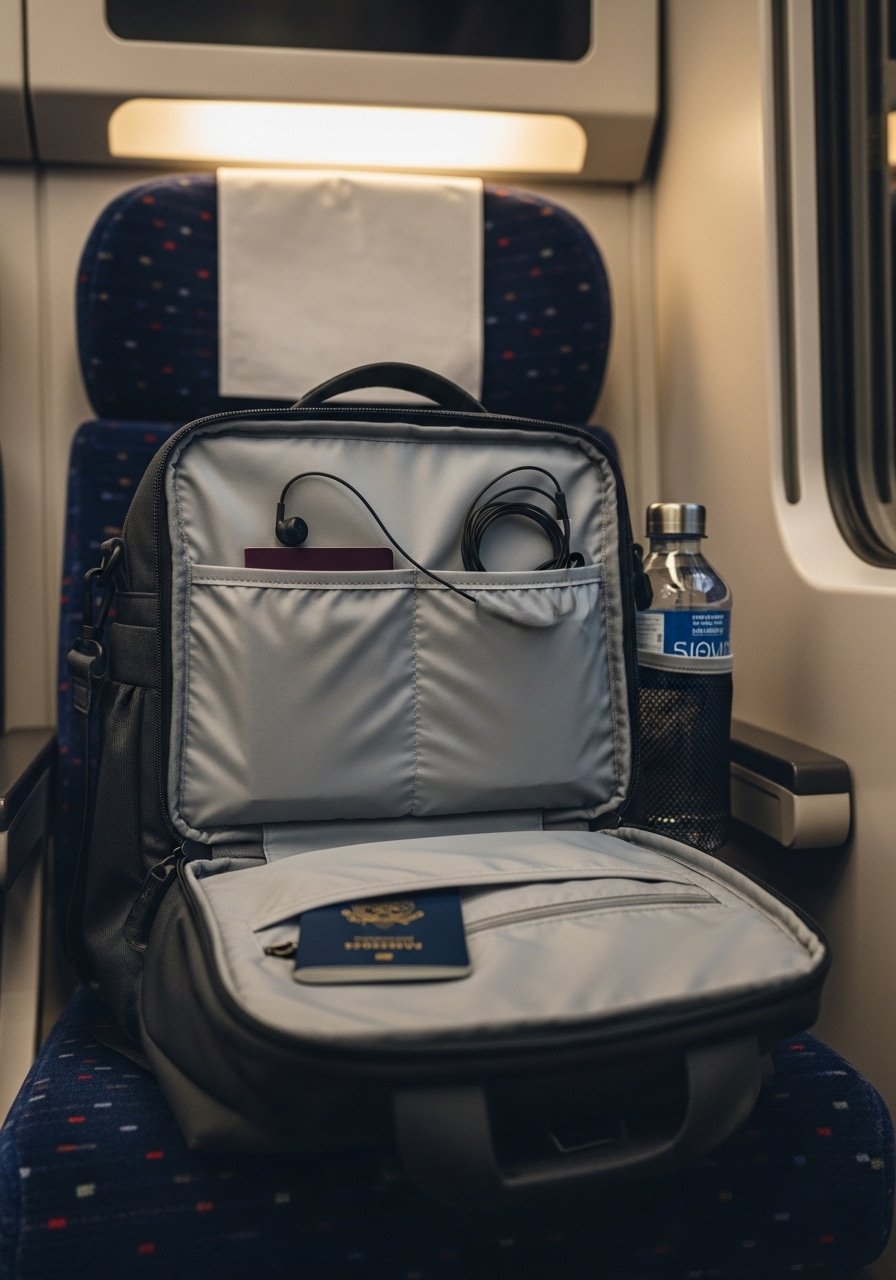
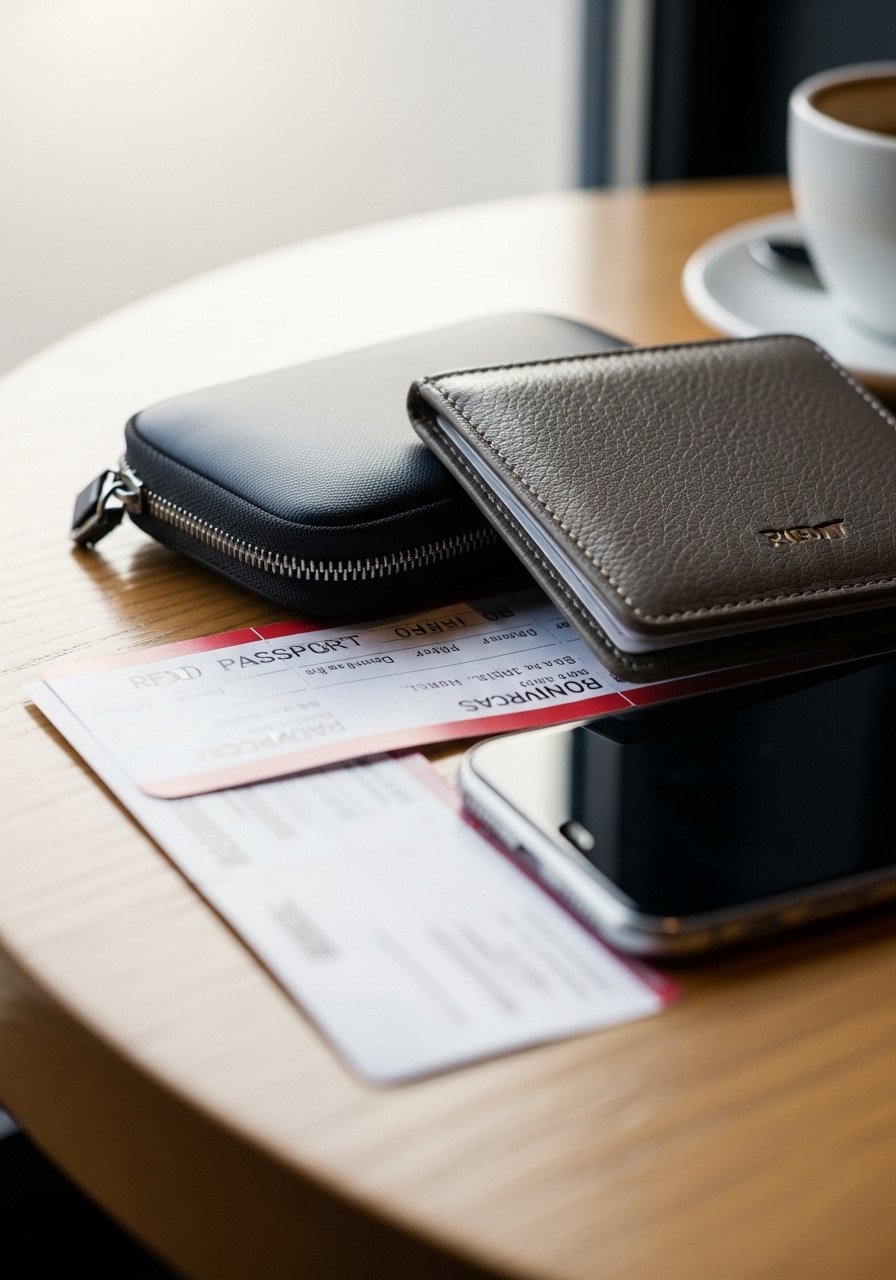
22. Passport Wallet or Document Organizer That Fits in Your Lap
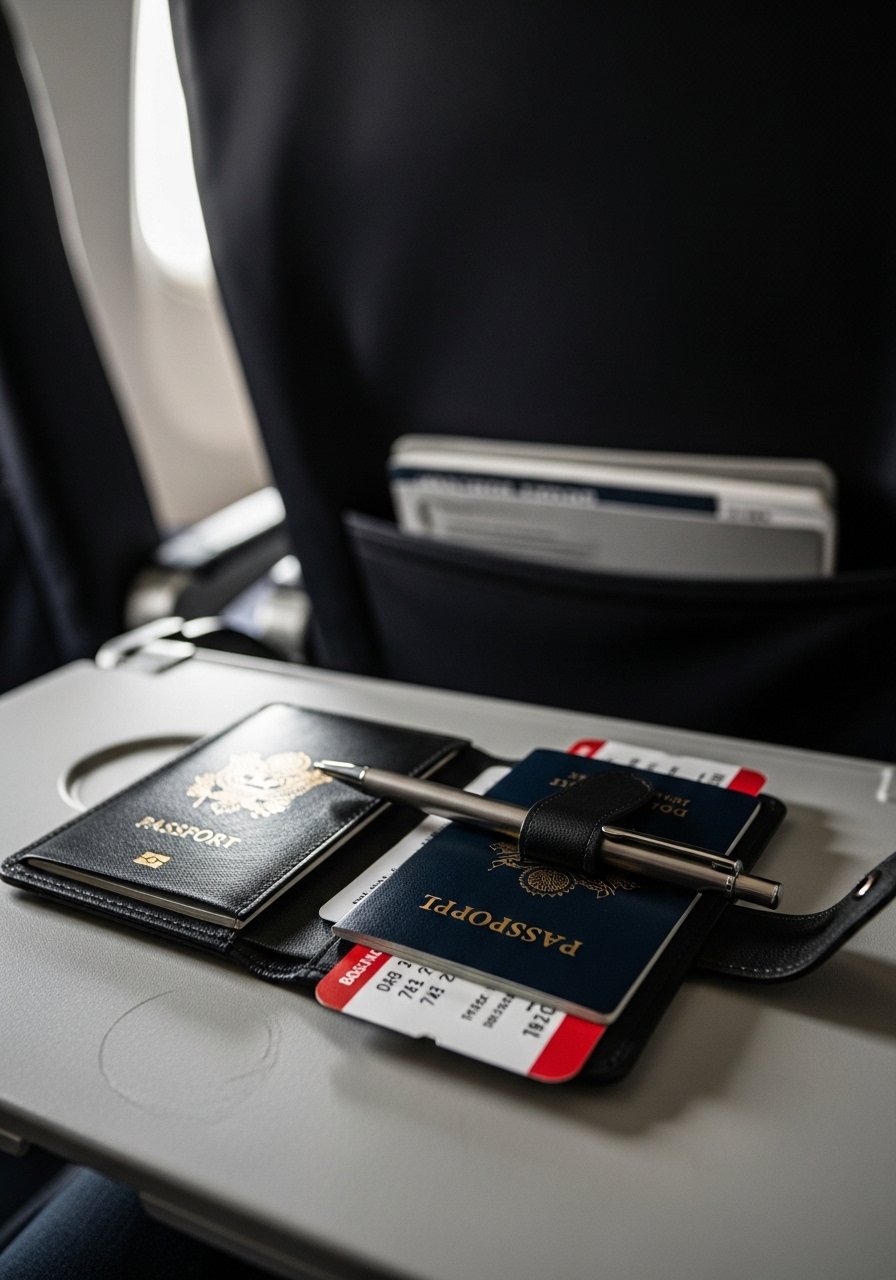
I stop rifling through my bag when I keep documents in a slim passport wallet. Boarding pass, passport, phone, and a pen fit in one place. It’s faster at immigration and less stressful.
Pick a slim, RFID-blocking design with a clear slot for boarding passes. I keep emergency cash in a hidden pocket.
People put everything loose in pockets and lose track. One small organizer keeps me calm during fast connections.
Why It Makes the List
- Keeps travel documents organized and accessible.
- Slim enough to sit in your lap or small bag.
- Speeds up security, boarding, and immigration.
What You’ll Want for This
23. Small Travel Towel or Quick-Dry Microfiber Cloth
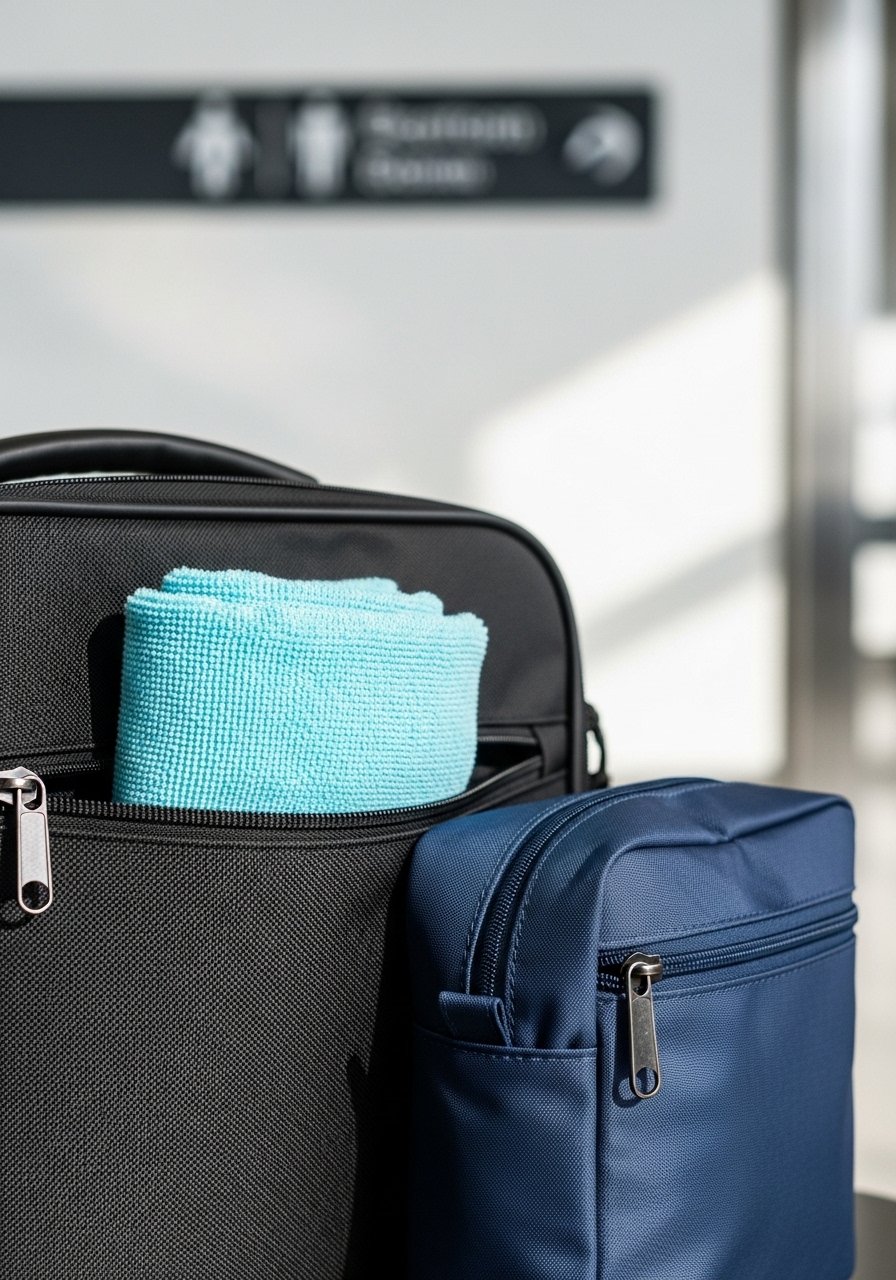
I’ve landed sweaty after a long flight and wished for a quick towel. A small microfiber towel dries fast and cleans spills. It’s also handy for unexpected overnight hostels or beach stops on arrival.
Choose a towel with a hanging loop and travel pouch. It folds tiny and can be used as a quick eye pillow or to pad gear.
People forget about simple comfort tools like this. It’s low-cost and extremely versatile.
Why It Makes the List
- Multi-use for spills, freshening up, or comfort.
- Packs tiny and dries quickly.
- Useful beyond just the flight.
What You’ll Want for This
24. A Small Foldable Pillow for Lumbar Support or Lower Back Relief
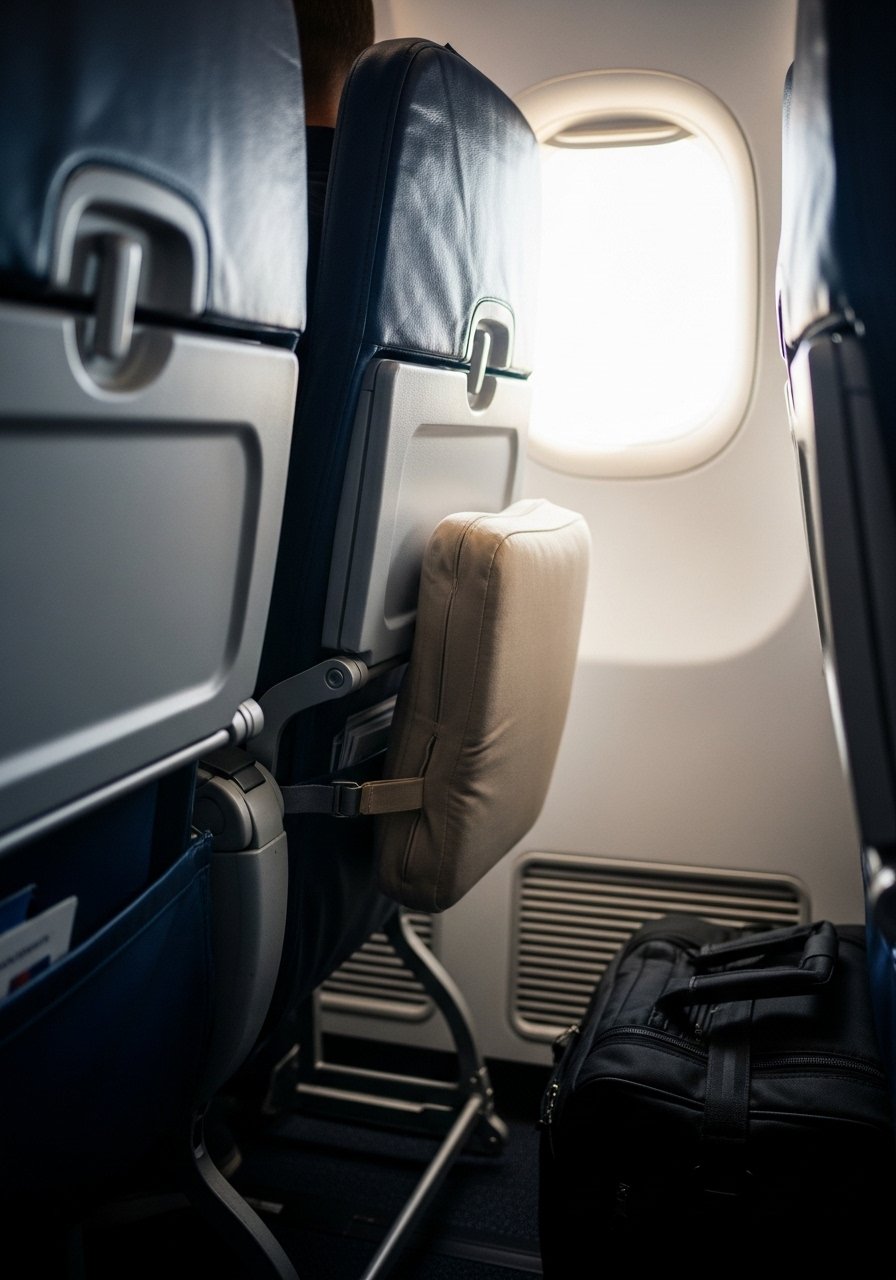
My lower back tightens after hours of sitting. A small foldable lumbar pillow gives support and prevents slouching. It’s easier than constant adjusting and makes naps more comfortable.
I look for an inflatable or compressible option that fits in my bag. Be mindful of seat belts and space—bulkier models can be awkward.
People skip lumbar support and blame seat design. A compact pillow fixes posture instantly.
Why It Makes the List
- Prevents lower back pain during long flights.
- Small and adjustable for personal comfort.
- Boosts overall seating posture.
What You’ll Want for This
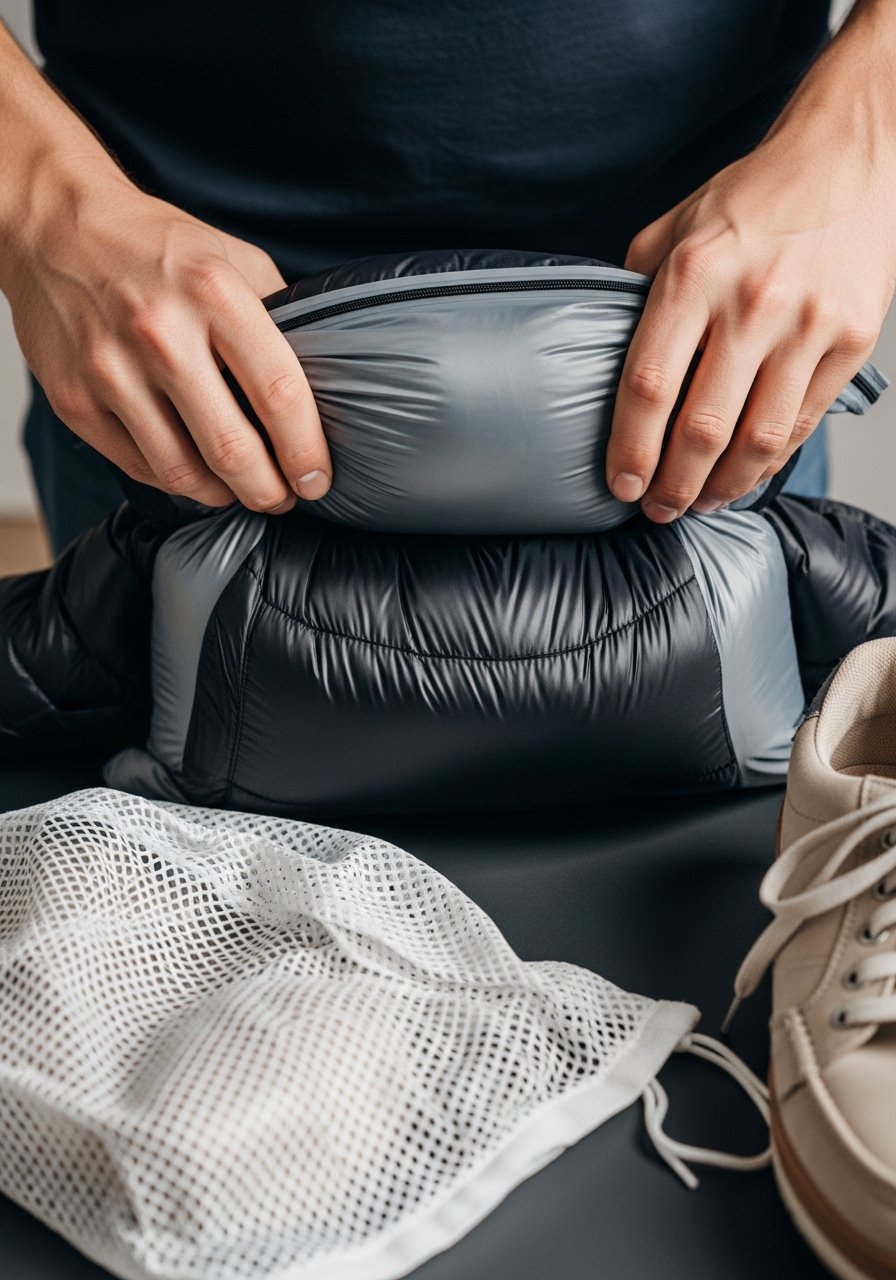
25. A Small, Lightweight Laundry Bag for Dirty Clothes and Socks
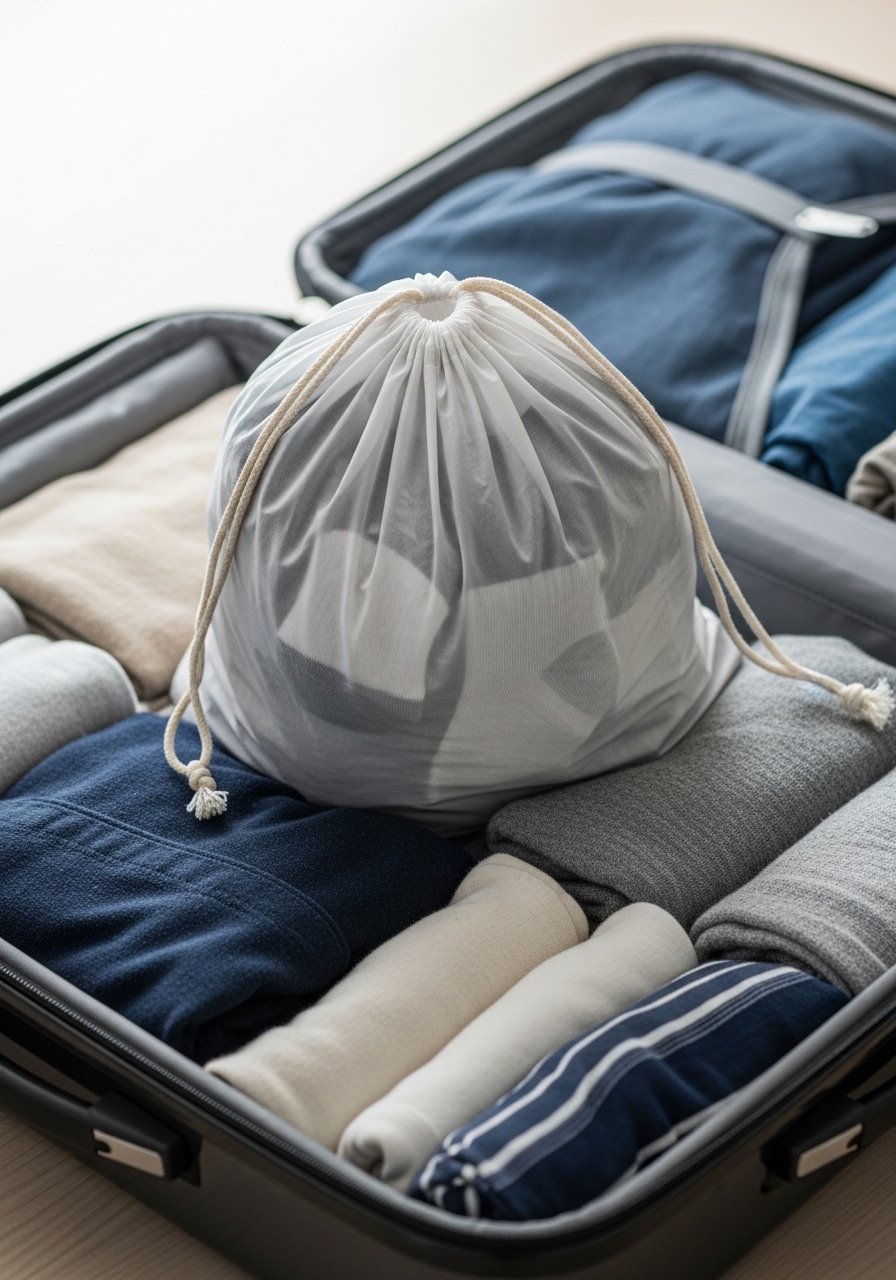
I pack a small laundry bag to separate worn clothes from clean items. It keeps my bag smelling better and makes repacking after a long flight simpler. I use it for socks, dirty underwear, and used face masks.
Choose a thin, breathable fabric that compresses well. Some come with an inner wet pocket for damp items. It’s a tiny habit that prevents a big mess.
People cram worn clothes back into their clean compartments and then regret it. A simple bag avoids that.
Why It Makes the List
- Keeps dirty items separate and organized.
- Lightweight and compressible.
- Makes unpacking quicker after long flights.
What You’ll Want for This
Final Thoughts
These long flight travel bag essentials are what I actually use when I have to be functional after the plane lands. I don’t pack everything every time—just the few that match the route and my body.
Pick three to five items to start. Test them at home. Small comforts add up into a much better flight.
You don’t need a full overhaul. Just the right little things in your bag will make long flights tolerable, even manageable.