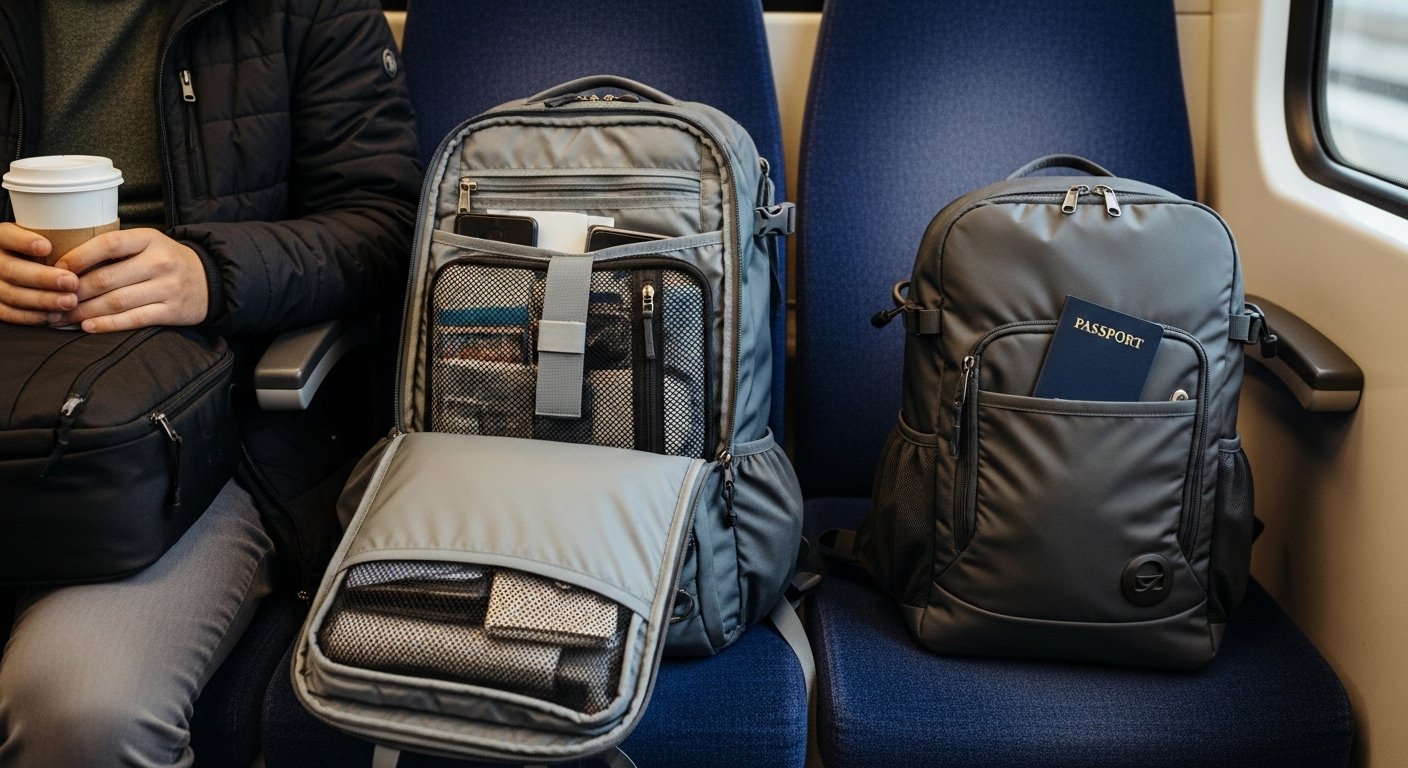
I once missed a ferry because I couldn’t find my passport and charger in the chaos of my carry-on. I’ve also dug through a heavy bag at dawn for a tiny painkiller. Small, repeated searches waste time and patience.
This method keeps the things you need within reach, ends the late-night scavenger hunts, and makes movement between places calmer. It doesn’t require extra stuff—just clear zones and a simple nightly reset.
How to Organize Travel Bag Essentials For Quick Access And Convenience
This shows exactly how I set up my bag so the things I use most are always easy to grab. It’s practical and repeatable in real life. The result: fewer frantic moments, faster transitions, and more usable day-to-day comfort.
This is the approach I use every time I want a trip to feel smoother without overplanning every second.
What You’ll Need
- 30L cabin-sized carry-on backpack (comfortable straps, front-loading)
- Packing cube set (small, medium, large; lightweight nylon)
- Clear TSA toiletry bag (zip-top, leak-proof)
- Small tech organizer pouch (cables, power bank, earbuds)
- RFID-blocking passport wallet (slim, fits boarding passes)
- Packable daypack or sling (lightweight, folds into its pocket)
- Collapsible water bottle (compact, BPA-free)
- Passport and reservation confirmations (printed or offline screenshots)
Step 1: Decide on three access zones — Fast, Daily, and Secure
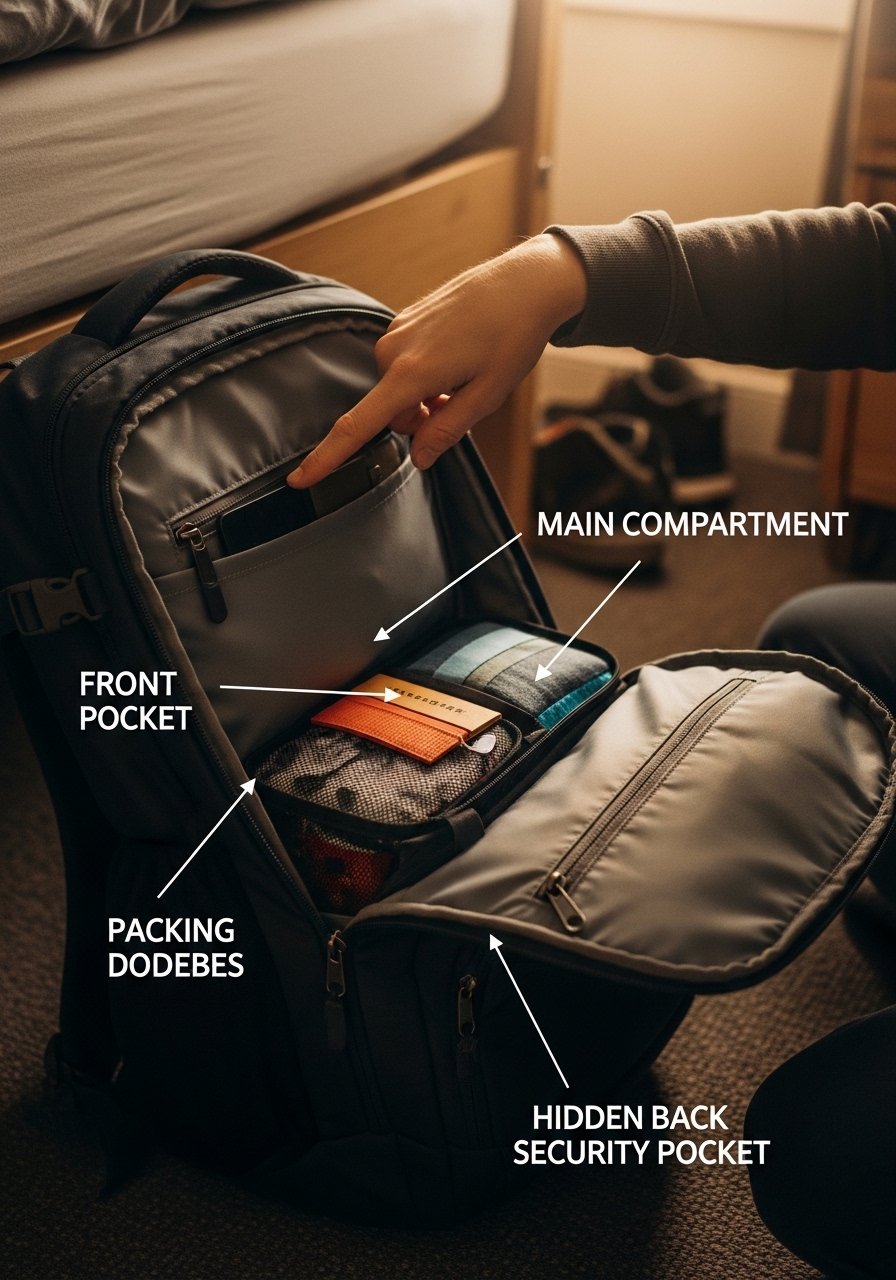
I start by mentally dividing my bag into three zones: Fast (outer pockets), Daily (main compartment top and a cube), and Secure (back or bottom, zipped away). I do this so I never dig blindly; my passport, phone, and wallet go in Fast. A change of clothes and toiletries live in Daily. Extra shoes or backups go in Secure.
Insight people miss: zone names help when you’re tired or rushed. Small mistake to avoid: stuffing everything into one pocket because it feels easier at the moment.
Step 2: Use packing cubes like drawers, not mess bags
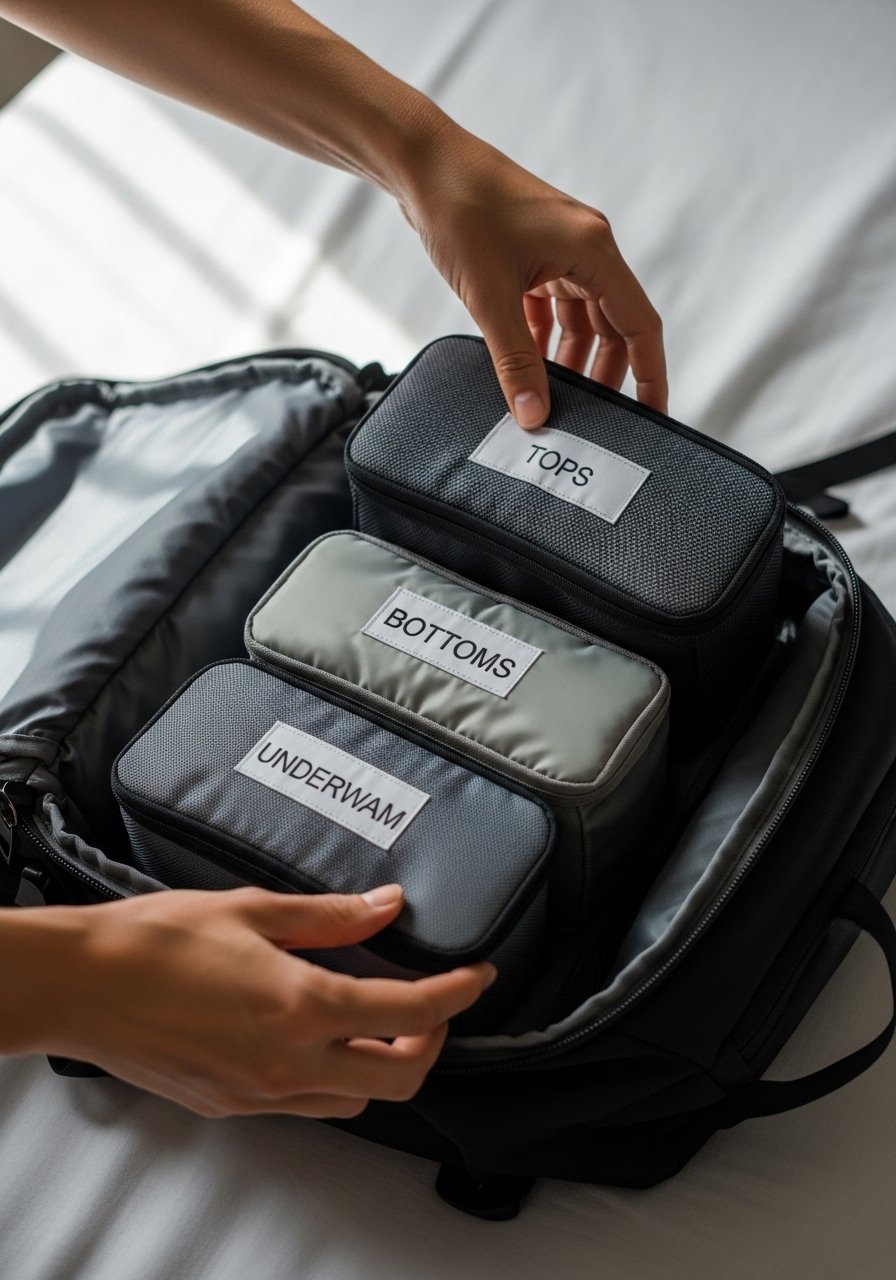
I treat packing cubes as changeable drawers. One cube for outfits, one for sleepwear and underwear, and one for outer layers or wet items. That way I pull only the cube I need for a night stop instead of emptying the whole bag. The practical change: faster packing and less re-folding in small hotel rooms.
Insight people miss: packing cubes also stabilize the bag so the front pocket stays usable. Mistake to avoid: overfilling cubes until they bulge—then they stop behaving like drawers.
Step 3: Build a “first-15-minutes” pouch for arrival essentials
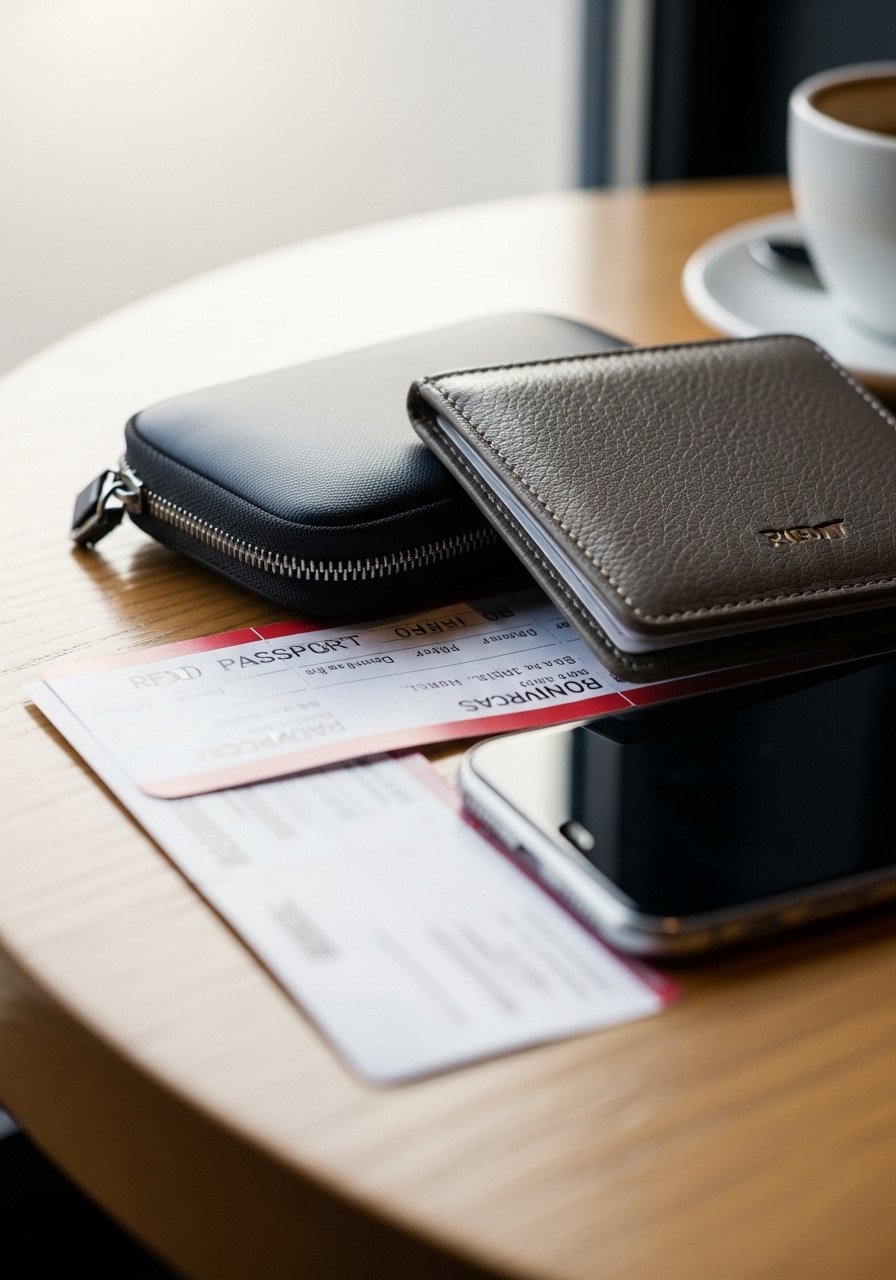
I keep a small pouch with charger, earbuds, a lightweight mask, two painkillers, and a copy of booking confirmations. That pouch lives in the Fast zone. When I arrive somewhere, I can charge, check in, and leave again without hunting.
Insight people miss: combine small meds and hygiene wipes in the same pouch — saves a second bag. Mistake to avoid: putting the pouch in the main compartment where it becomes as hard to find as everything else.
Step 4: Place liquids and tech where security lines and quick stops expect them
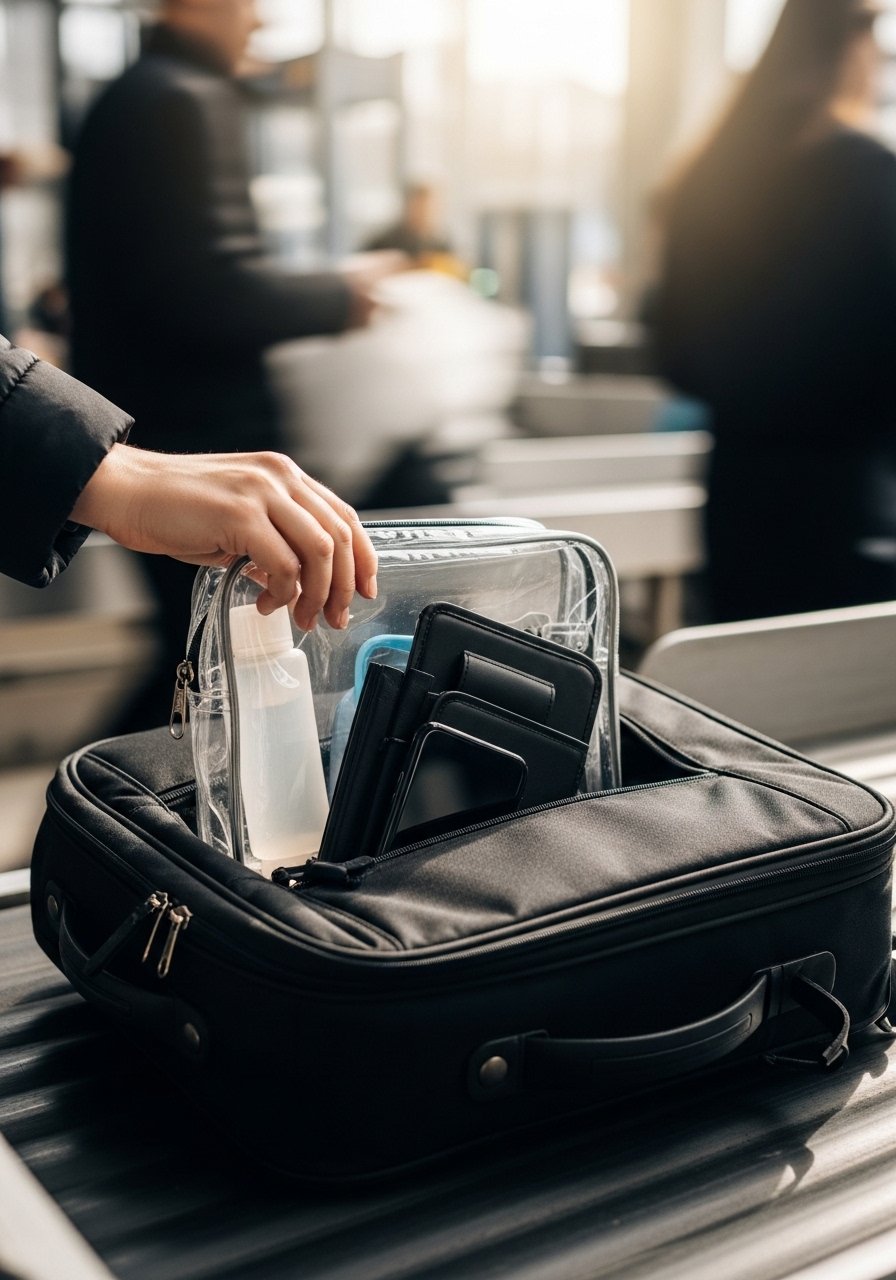
I put liquids in a clear toiletry bag so it’s ready at security. Tech items I use often live in the front compartment or a quick-access sleeve. Practically, this shaves minutes at checkpoints and keeps me from emptying the whole bag on a table.
Insight people miss: keep one cable that fits all your frequent devices to avoid multiple cords. Mistake to avoid: storing your power bank deep in the bottom where it’s hard to remove and charge between legs of travel.
Step 5: Do a five-minute reset each night
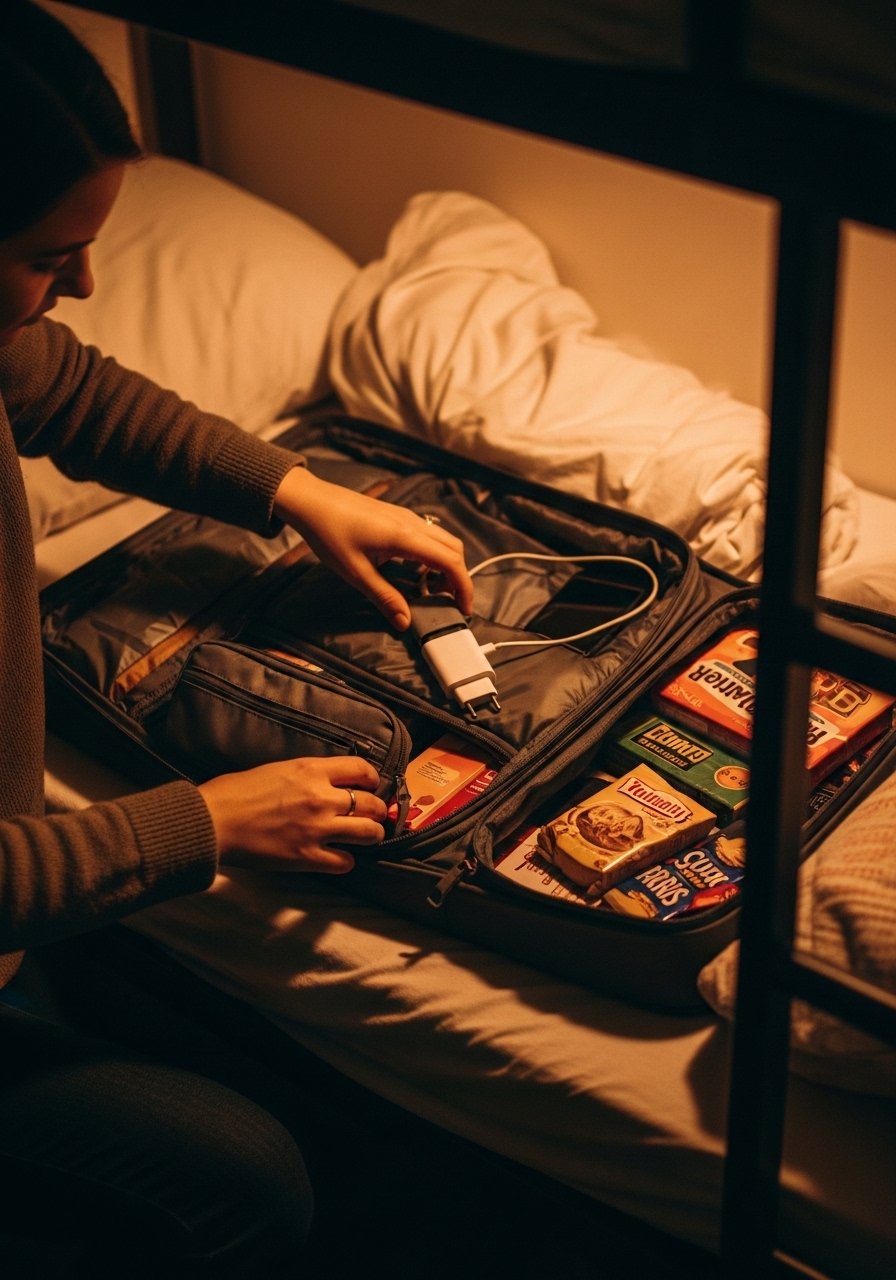
Before sleep, I do a quick check: refill water, move tomorrow’s outfit to the top cube, put passport back in the Fast zone, and tuck chargers into the tech pouch. This tiny ritual saves the morning scramble and reduces the chance of leaving things behind.
Insight people miss: resets prevent the slow creep of clutter. Mistake to avoid: skipping the reset when exhausted—doing it takes five minutes and pays off the next day.
What People Pack That They Never Use
I regularly see travelers carry extra shoes, two guidebooks, and multiple chargers that never leave their pockets. They add weight and take up the pockets you need for quick access.
- Single versatile shoe works better than two pairs.
- One printed or one offline map is enough; travel apps handle the rest.
- Keep just one charger cable for daily use.
Trim before you go. If you don’t wear something on day two, you probably won’t wear it at all.
How to Keep Your Bag Easy to Manage During the Trip
A few small habits keep the system working: nightly reset, a one-cable rule, and a single daypack for outings. I also clean out receipts and wrappers each evening.
- Restock snacks and check medications.
- Empty pockets of change and tickets into a single envelope.
- If the bag feels heavy, reassess what you actually used in the last 48 hours.
These small moves save time and headaches when you’re tired or rushing to a next connection.
What Matters More Than Packing More
Placement beats quantity. A single, well-placed item is more useful than three buried ones. Also: timing—pack for how you move through the day, not for every possible eventuality.
- Prioritize items for the first 24 hours.
- Think about how you’ll get from transport to accommodation.
- Pack to reduce friction at the exact moments you need speed.
This mindset changes how you pack and how the bag behaves.
Final Thoughts
Start simple: pick three zones, one quick pouch, and a nightly reset. Practice on a short trip or an overnight stay. You’ll find fewer panicked digs and more calm movement between places.
Small routines make the small things stop stealing time. You don’t need perfect packing—just predictable places for the stuff you use most.
Leave a Reply