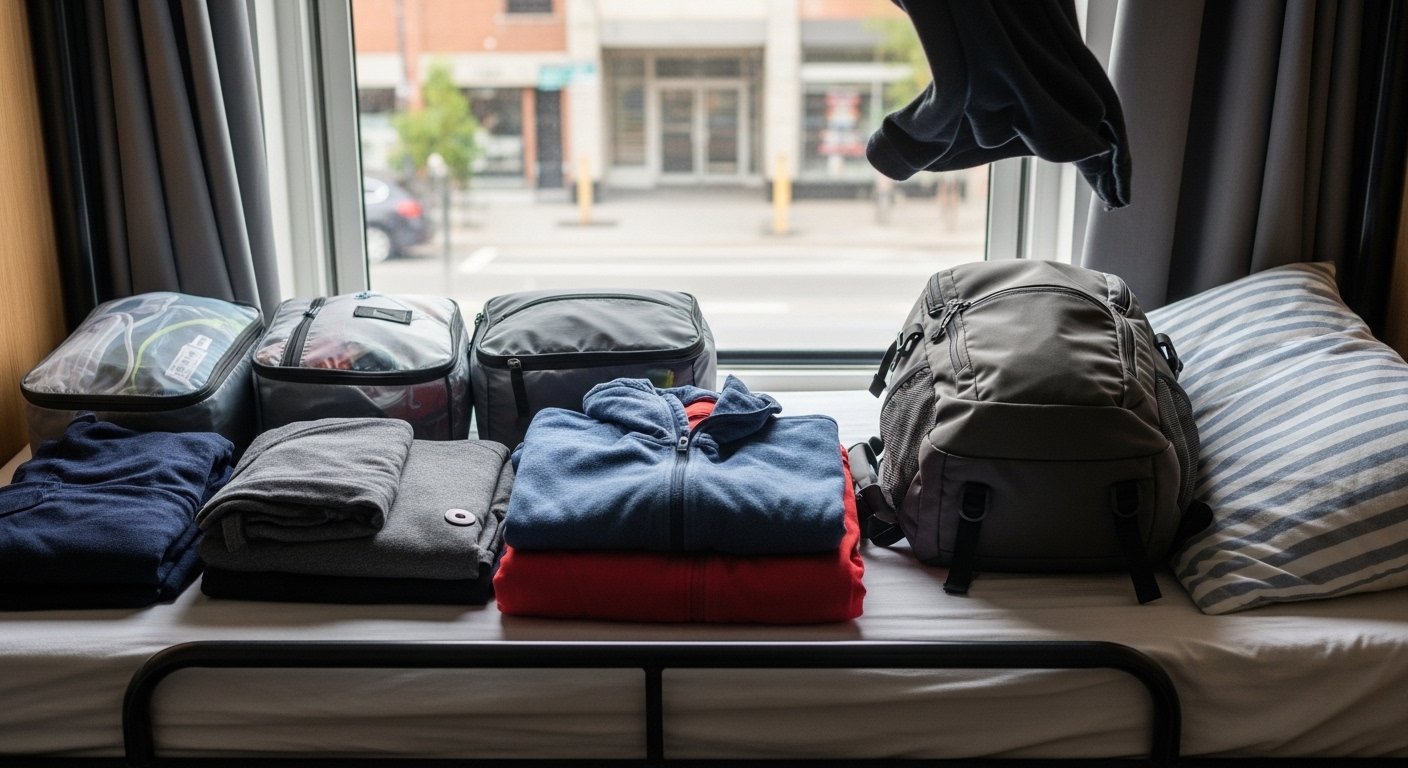
I once missed a morning train because my bag was a rummage pile. I’d been proud of packing “everything useful” until I couldn’t find my tickets. I learned the hard way that neatness isn’t vanity—it’s saving time and stress.
This guide shows the practical choices I make to carry less and move faster. Simple, usable habits you can actually keep on a trip.
How to Pack Travel Bag Efficiently For Maximum Space And Organization
This is the exact approach I use when I want a bag that opens quickly and stays easy to live with. You’ll learn how to pick what really matters, squeeze more usable space out of what you bring, and keep essentials reachable. The result is a bag that feels calm, not chaotic.
What You’ll Need
- Carry-on backpack, 35–40L, durable and comfortable for day use and flights
- 22–24" hard-shell carry-on suitcase, lightweight shell with organized interior
- Packing cube set (small, medium, large) for outfits and separates
- Compression bags for bulky layers (reusable zip or roll-style)
- Toiletry dopp kit, clear or corded for quick access at security
- Electronics organizer for chargers, battery bank, and adapters
- Lightweight shoe bag to keep soles away from clothes
- Mesh laundry bag to separate dirty clothes on the road
Step 1: Decide the Version of This Trip You Can Actually Carry
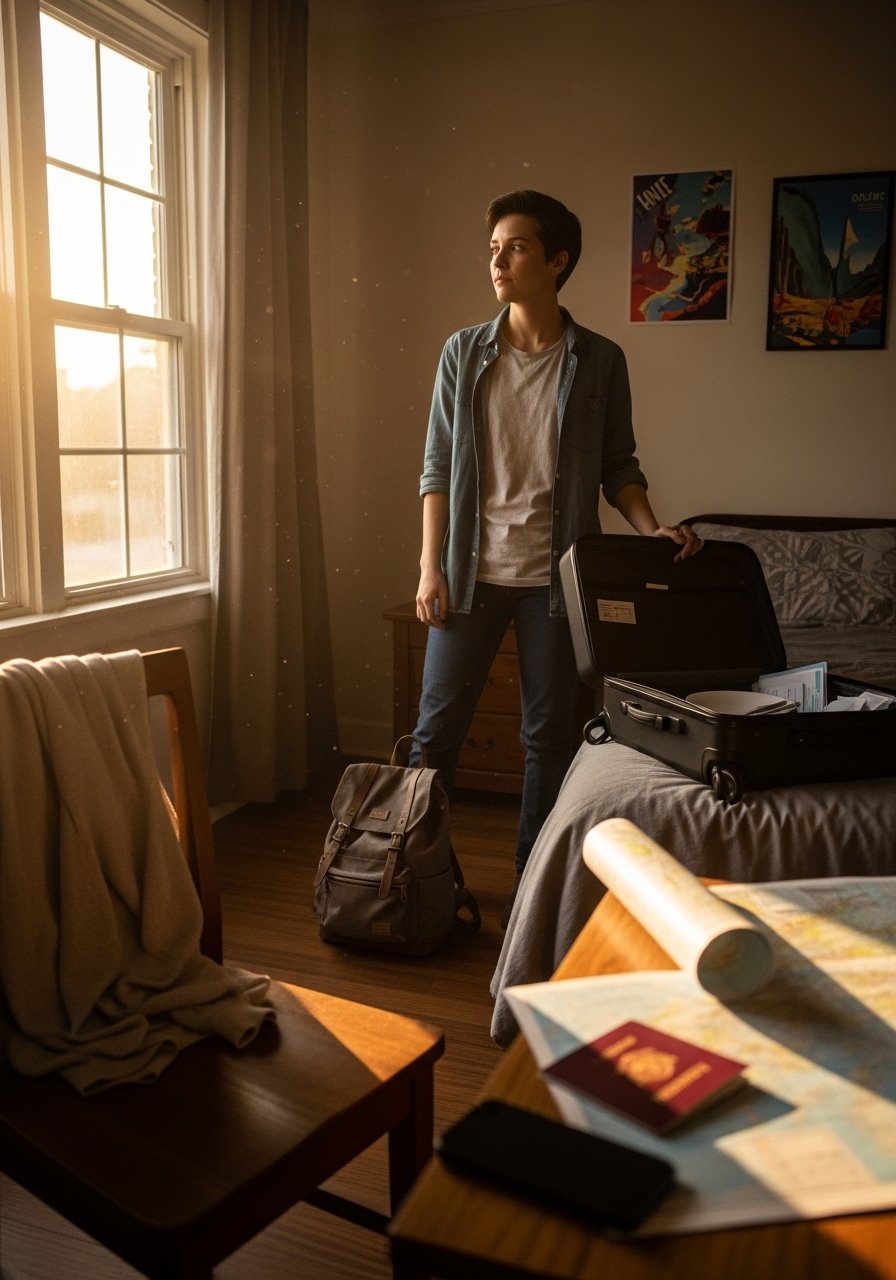
I start by choosing the realistic bag for the trip: a carry-on only weekend, a 40L backpack for trains, or a checked suitcase for long stays. I do this because the bag size determines what I can pack without stress.
This changes everything practically. Once I commit, I stop treating every “maybe” item as essential. Insight people miss: trips feel lighter when you accept limits. Mistake to avoid: overpacking for “what if” scenarios instead of planning a laundromat or one extra outfit.
Step 2: Lay Everything Out and Edit Like a Friend
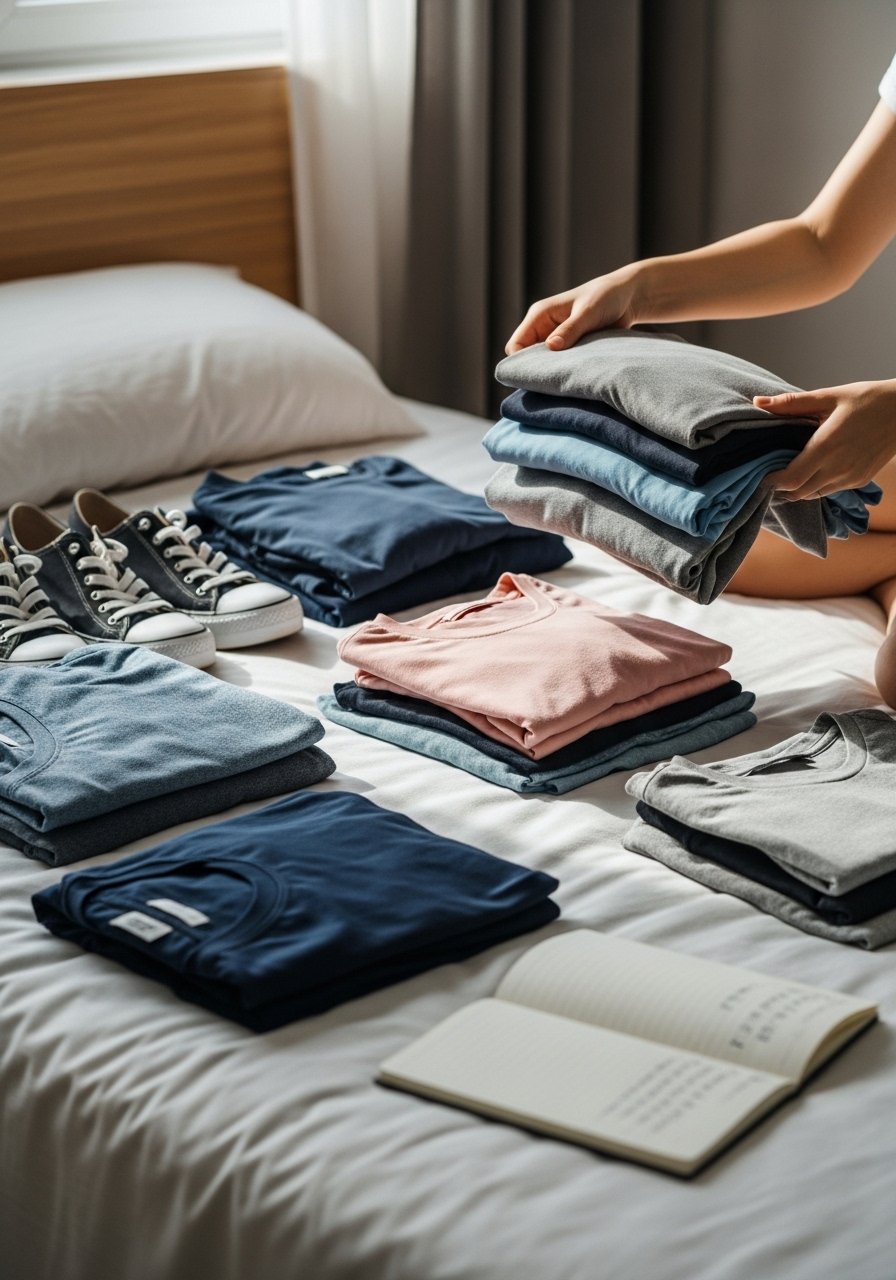
I put every item on the bed and edit ruthlessly. I group by function—daywear, sleepwear, evening—and I remove anything that doesn’t have a clear use. I ask myself if I’d still bring it if I had to carry it for three hours.
Emotionally, it’s freeing. You stop defending each piece and start seeing real gaps or repeats. Insight: similar colors and layers multiply outfit options without more clothes. Mistake: keeping “just in case” shoes—they’re heavy and rarely used.
Step 3: Pack Cubes by Outfit and Weight, Not Just Item Type
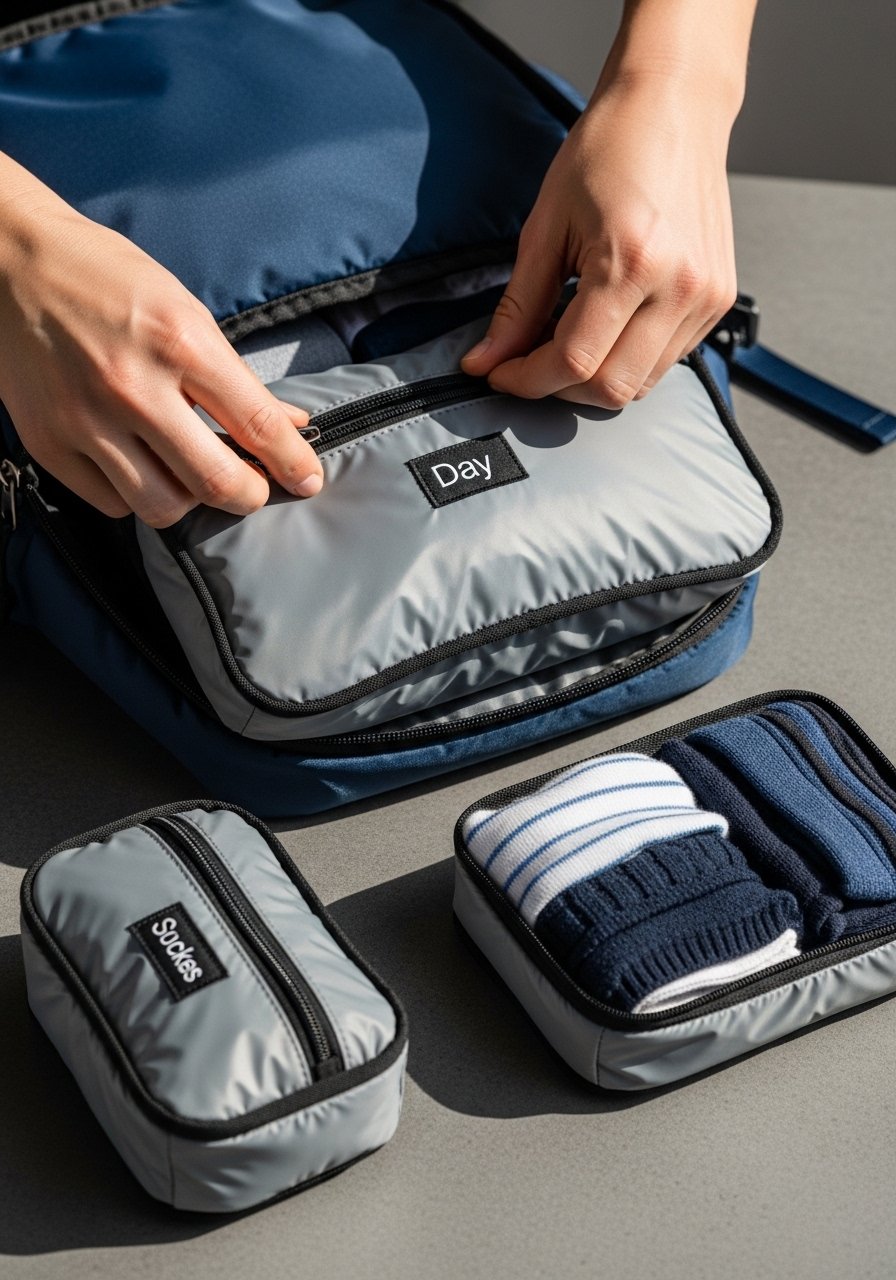
I assign cubes to outcomes: one for two full day outfits, one for sleepwear + extra layer, one for underwear/socks, and one for bulky items. I balance weight so the bag isn’t lopsided and can sit flat in compartments.
Practically, it means I can pull a cube and be ready without unpacking the whole bag. Travelers miss how much faster mornings get when outfits are pre-grouped. Mistake to avoid: stuffing too many different needs into one cube—then it’s back to rummaging.
Step 4: Roll Soft Items, Fold Structured Pieces, and Use Flat Layers
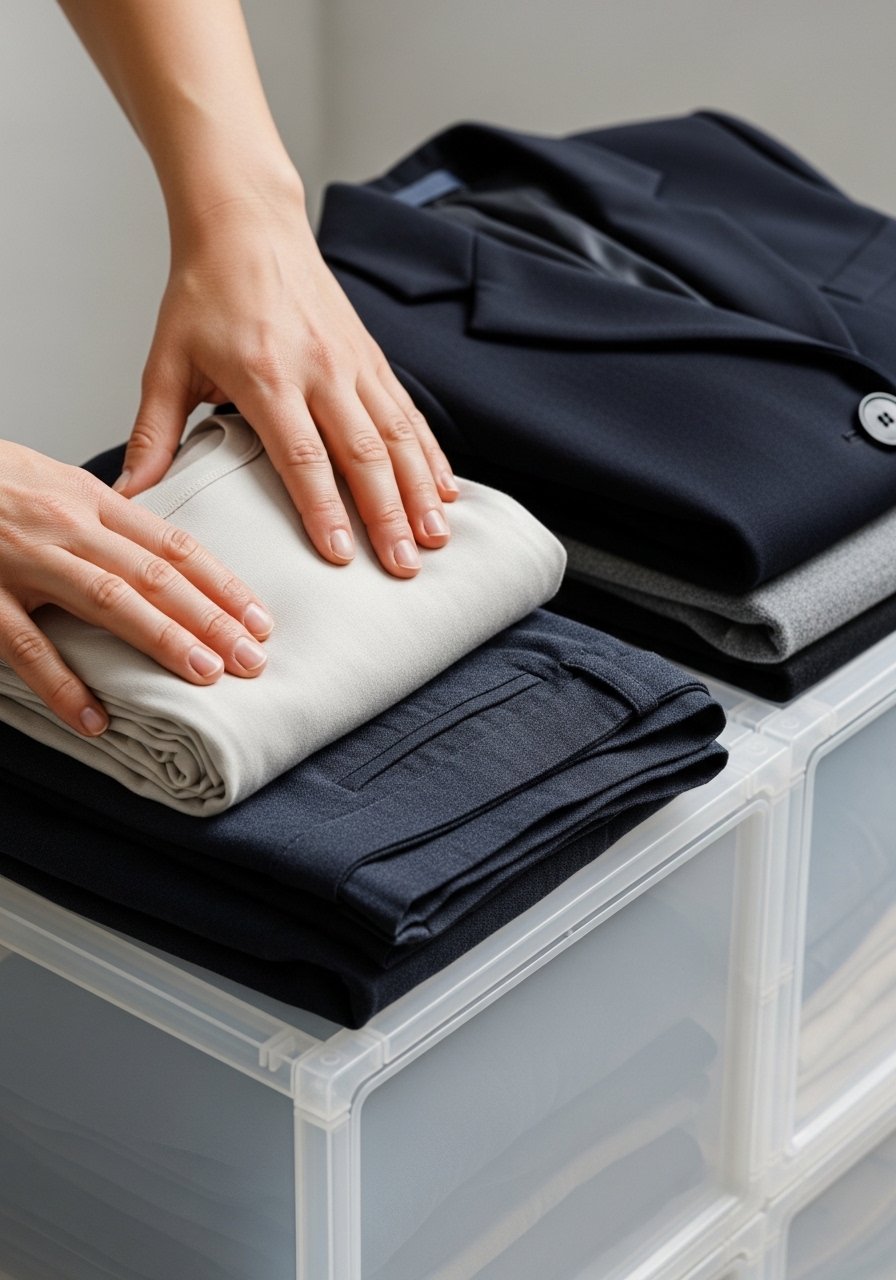
I roll T-shirts, leggings, and casual shorts. I fold denim, button shirts, and anything with structure. I put flat layers like pants over cubes to create a tidy base and use small rolled items to fill gaps.
This saves space and limits wrinkles. Insight: rolling soft items also makes them easier to compress later. Mistake: rolling thick sweaters too tight—they lose shape and become bulky; instead I fold and nest around electronics or shoes.
Step 5: Compress Bulky Items Smartly (But Not Everything)
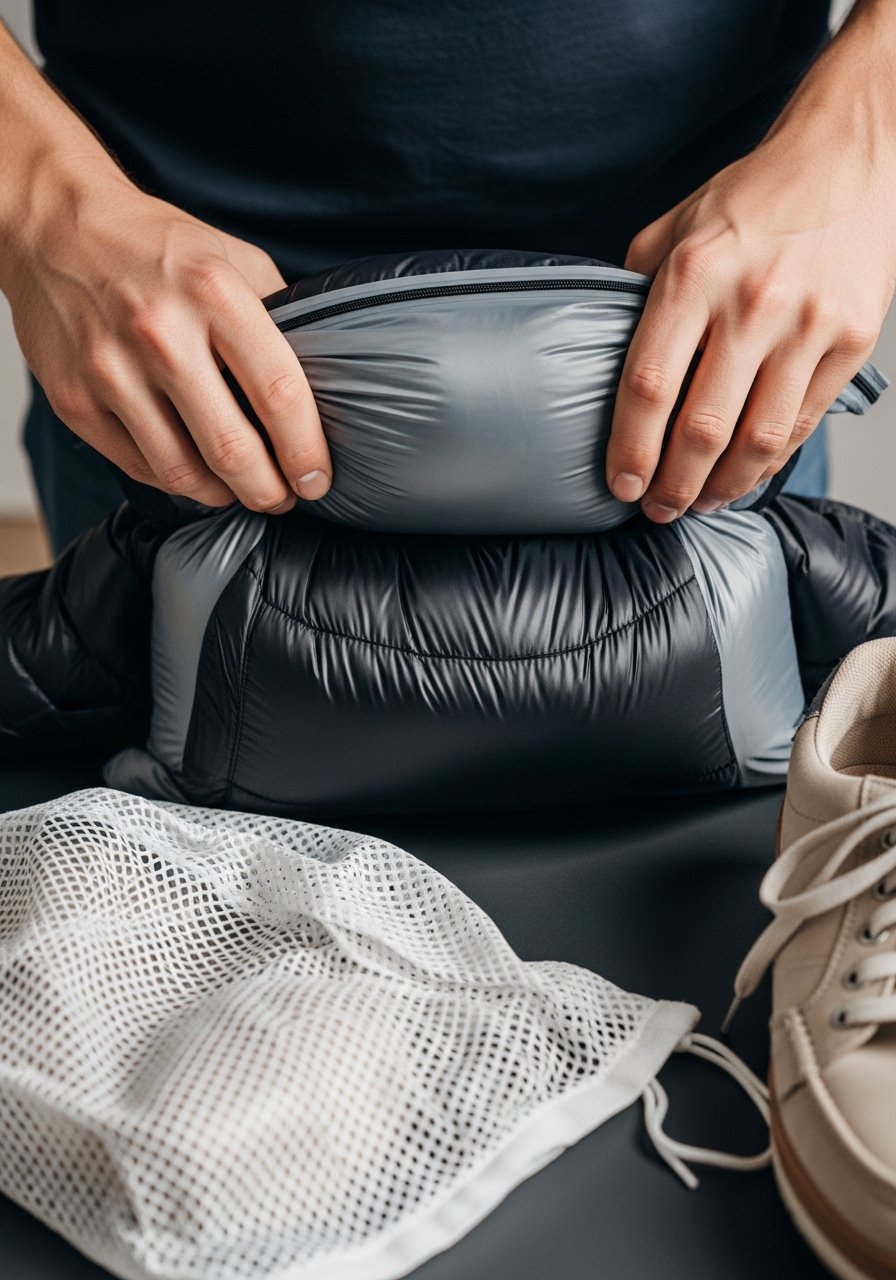
I use compression bags for one or two true space-eaters: a puffy jacket and perhaps a travel blanket. I don’t compress everything—overcompressing every item makes it hard to access and can wrinkle clothing unnecessarily.
What changes is visible: a jacket that used to take a third of the bag becomes a thin slab. Insight: compression is best for non-fragile, non-structured items. Mistake: putting delicate items or electronics in the same compression space or sealing away things you’ll need mid-trip.
Step 6: Put Essentials Where You’ll Need Them During Travel
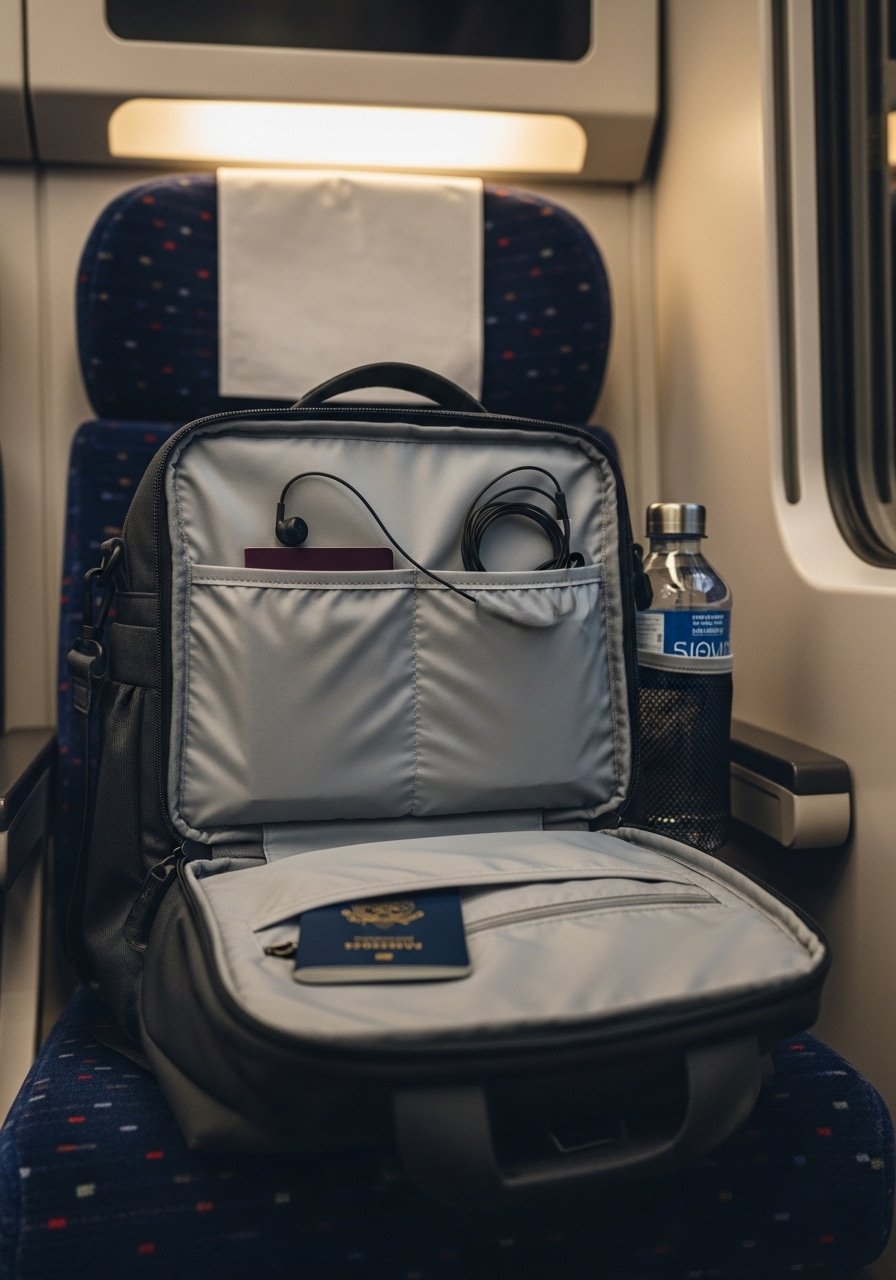
I reserve one external pocket or the daypack for the things I’ll need fast: passport, tickets, phone charger, a small toiletry kit, and meds. In my carry-on I keep a set of fresh socks and a toothbrush easily reachable.
This reduces panic at checkpoints and saves time on long travel days. Insight many miss: when essentials are reachable, you actually use them. Mistake to avoid: burying meds or documents deep in checked luggage when you might need them en route.
What People Pack That They Never Use
Most of us pack extras that stay untouched. Common culprits:
- Duplicate shoes for “different vibes”
- Full-size toiletries for short trips
- Event outfits for plans that change
I keep a simple rule: if I haven’t worn it in the last six months, it stays home. I also reuse small travel containers for skincare and downsize to 50–100 ml bottles.
How to Keep Your Bag Easy to Manage During the Trip
Rotate a fresh cube into your daypack each morning. Empty the toiletry kit into the shower caddy at the hotel to avoid splashes. Use the mesh laundry bag to separate worn items immediately.
Bullets that help day-to-day:
- Repack one cube the night before.
- Keep receipts in a small envelope, not loose in pockets.
- Use a small zip for chargers so the main cube stays dry.
What Matters More Than Packing More
Fit and comfort of the bag beat having ten extra T‑shirts. If your bag is heavy and hard to carry, you’ll avoid places that matter. Choose a carry system you can actually lift, sling, and store overhead.
Also consider local options: laundromats, cheap local layers, and hotel irons. Planning to refresh a few items locally often saves more hassle than packing them all.
Final Thoughts
Start with the bag you can happily carry for an hour. Edit hard, group by use, and make access a priority. Small routines—one cube per outfit, a reachable pocket for papers—save more time and stress than any extra gadget.
Trust your real needs, not the fear of “what if.” A well-packed bag feels calm on the first bad morning, and that’s worth the effort.
Leave a Reply